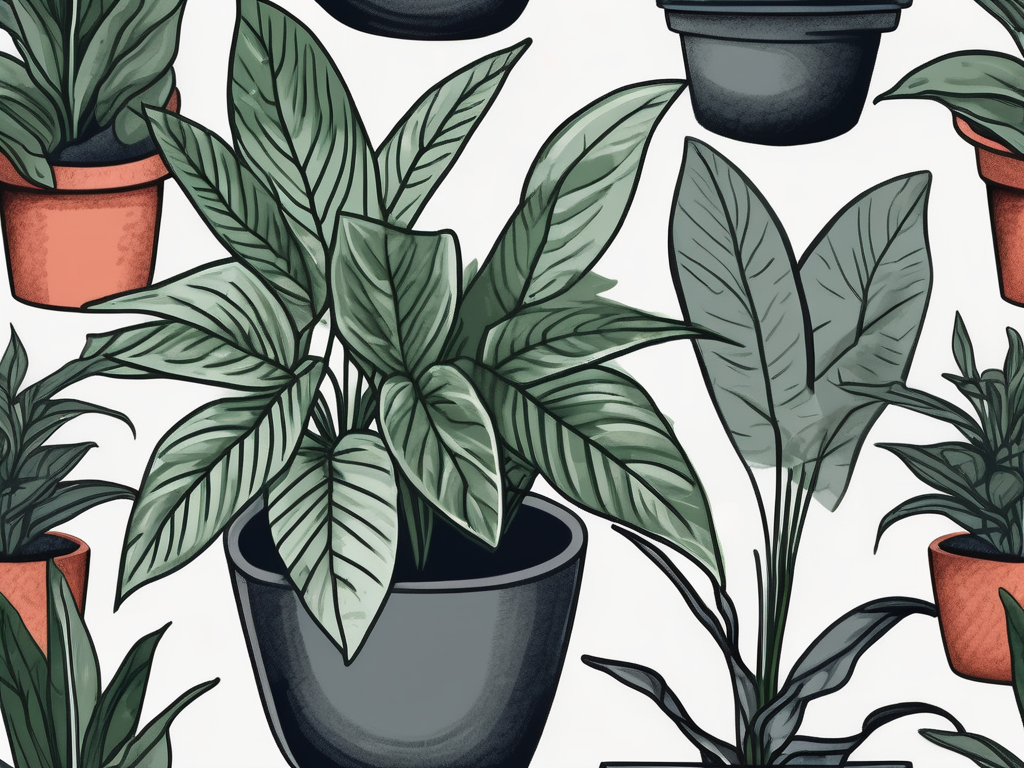
Philodendron Selloum, also known as the Tree Philodendron, is a favorite among plant lovers for its dramatic foliage and adaptability. If you're looking to give this beauty a little boost, consider using a moss pole. Moss poles not only provide physical support but also encourage healthier growth. Imagine a lush, thriving Philodendron climbing gracefully up its mossy perch. Sounds enticing, right?
In this blog post, we’ll walk you through everything you need to know about using moss poles with your Philodendron Selloum. From understanding why moss poles can be beneficial, to step-by-step installation, maintenance tips, and even some styling ideas to incorporate these into your home decor. Ready to get started?
Why Use a Moss Pole?
Before we get into the nitty-gritty, let’s talk about why moss poles are such a game-changer for plants like the Philodendron Selloum. These poles provide a natural framework that mimics the plant's native environment, allowing it to climb and grow more vigorously.
Here are a few reasons why using a moss pole can be a smart move:
- Support: As Philodendron Selloum matures, its leaves become larger and heavier. A moss pole helps support this growth, preventing the plant from flopping over.
- Healthier Growth: Climbing plants tend to grow healthier when they have a vertical structure to attach to. A moss pole encourages this natural climbing habit.
- Space Efficiency: By growing upwards, your plant takes up less horizontal space, which is perfect for smaller living spaces.
- Aesthetic Appeal: Let's be honest, plants climbing up a moss pole simply look stunning and add a touch of wild beauty to your home.
Now that you're convinced of their benefits, let’s move on to selecting the right moss pole for your plant.
Choosing the Right Moss Pole
Not all moss poles are created equal, and picking the right one can make all the difference for your Philodendron Selloum. Here's what you should consider:
Material
Moss poles generally come in a few different materials, each with its own benefits:
- Sphagnum Moss: This is the most common option. It's lightweight, retains moisture well, and is easy for plants to root into.
- Coco Coir: Made from coconut husk fibers, this option is more sustainable and provides excellent drainage.
- Plastic or Metal Core: Some moss poles have a sturdy inner core for added support, often covered in moss or coir. These are great for larger plants.
Height and Diameter
Consider the current size of your Philodendron and how much you expect it to grow. A taller moss pole is often better as it gives your plant room to climb and flourish. Diameter is also key. The pole should be thick enough to support the weight of the plant without being too bulky.
Adjustability
Some moss poles are stackable or extendable, allowing you to increase their height as your plant grows. This can be a smart investment if you're planning for long-term growth.
Once you’ve chosen your moss pole, it’s time to get your hands dirty and set it up!
Installing Your Moss Pole
Installing a moss pole might seem daunting, but it’s actually quite simple. Here’s a step-by-step guide to help you through the process:
Step 1: Gather Your Supplies
Before you begin, make sure you have everything you need:
- Your chosen moss pole
- Twine or plant ties
- Philodendron Selloum plant
- Potting mix (if you’re repotting)
- Gloves (optional, to protect your hands)
Step 2: Insert the Moss Pole
If your Philodendron is already in a pot, carefully insert the moss pole into the soil, ensuring it's stable and won't topple over. If you're repotting, place the pole in the pot first, then fill in with soil around it. Leave enough room for your plant.
Step 3: Secure Your Plant
Gently guide your Philodendron towards the moss pole. Use twine or plant ties to secure the stems to the pole, but be careful not to tie too tightly. You want to support the plant without damaging its stems.
Step 4: Encourage Climbing
Philodendron Selloum doesn’t naturally cling to poles, so you may need to help it along the way. As it grows, continue securing new growth to the pole. This encourages the plant to focus its energy on climbing.
With your moss pole in place, your Philodendron is set to soar. But don’t forget, maintaining your setup is just as important!
Caring for Your Philodendron on a Moss Pole
Now that your moss pole is installed, it's crucial to maintain both the plant and the pole to ensure they stay in top shape. Here are some care tips:
Watering
Philodendron Selloum likes its soil to be moderately moist. Water thoroughly whenever the top inch of soil feels dry to the touch. Don’t forget the moss pole itself—it can dry out and should be misted periodically to maintain humidity.
Fertilizing
Feed your Philodendron with a balanced liquid fertilizer during the growing season (spring and summer) to encourage robust growth. Cut back during fall and winter when the plant naturally slows down.
Pruning
Regularly check for any yellowing or dead leaves and remove them to keep your plant healthy. Pruning also helps control the plant's shape and encourages bushier growth.
Pest Control
Like all houseplants, Philodendron Selloum can fall victim to pests like spider mites or aphids. Keep an eye out for any signs of infestation and treat promptly with insecticidal soap or neem oil.
With these care tips, your Philodendron should thrive. But what happens when you want to style it up a bit?
Styling Your Philodendron Selloum with a Moss Pole
Beyond its care, consider how your Philodendron fits into your home’s aesthetic. A moss pole can add an interesting vertical element to your decor. Here are some styling ideas:
Placement
Choose a spot with bright, indirect light. A corner near a window or a well-lit bathroom can work wonders. Remember, the plant's size will increase vertically, so make sure it has room to grow upwards.
Pot Selection
The pot you choose can add to the overall look. Consider a decorative ceramic pot for a classic look or a woven basket for a boho vibe. Just ensure it has drainage holes to prevent waterlogging.
Complementary Plants
Create a mini jungle by grouping your Philodendron with other plants. Ferns, snake plants, or even smaller philodendrons can create a layered, lush look.
By thoughtfully styling your Philodendron, you can create a beautiful plant display that enhances your space.
Troubleshooting Common Problems
Even with the best care, sometimes things can go awry. Here are some common issues and how to address them:
Yellowing Leaves
If your plant’s leaves are turning yellow, it could be a sign of overwatering. Make sure the soil has had a chance to dry out before watering again. Additionally, check if the pot has good drainage.
Dropping Leaves
Leaf drop can happen due to changes in environment, such as moving the plant or shifts in temperature. Make sure your Philodendron is in a stable spot with consistent conditions.
Poor Climbing
If your Philodendron isn't climbing as you'd like, ensure the moss pole is adequately moist and that the plant is securely attached. Adjust ties as the plant grows to encourage upward movement.
Remember, plants have their quirks, and sometimes you just need a little patience to see them through.
Benefits of Moss Poles Beyond the Philodendron
While we’re focusing on Philodendron Selloum, moss poles can benefit a variety of climbing plants. Here’s how they can be useful for other species:
- Pothos: Encourages larger leaves and more vigorous growth.
- Monstera: Helps support the weight of their large, split leaves.
- Climbing Vines: Provides a perfect structure for vines to latch onto and grow upwards.
- Orchids: While not climbers, they can benefit from the humidity a moss pole provides.
So, if you’re a fan of houseplants in general, investing in a few moss poles might be a great idea.
DIY Moss Pole: A Fun Project
If you’re feeling crafty, making your own moss pole can be a rewarding weekend project. Here’s a quick guide:
Materials Needed
- Sturdy stake or PVC pipe
- Sphagnum moss or coco coir
- Twine or zip ties
- Gloves (to protect your hands)
Instructions
- Wrap the Moss: Soak the sphagnum moss in water until damp. Wrap it around the stake or pipe, ensuring it's thick and even.
- Secure the Moss: Use twine or zip ties to secure the moss in place, spacing them evenly along the length of the pole.
- Install the Pole: Follow the same installation steps as mentioned above for your homemade moss pole.
Not only is this a cost-effective option, but it also allows you to customize the size and material to fit your specific needs.
Final Thoughts
Incorporating a moss pole into your Philodendron Selloum's life can lead to healthier, more vibrant growth, while also adding an aesthetic boost to your home. By selecting the right pole, installing it correctly, and maintaining your plant with care, you can enjoy watching your Philodendron thrive.
At Cafe Planta, we're passionate about helping you bring nature into your home. We offer a variety of houseplants, plant care accessories, and even plant-themed apparel. If you have any questions or need further assistance, feel free to email us or reach out on Instagram. We believe that plants have a unique ability to bring people together, and we're excited to share this journey with you. Happy planting!