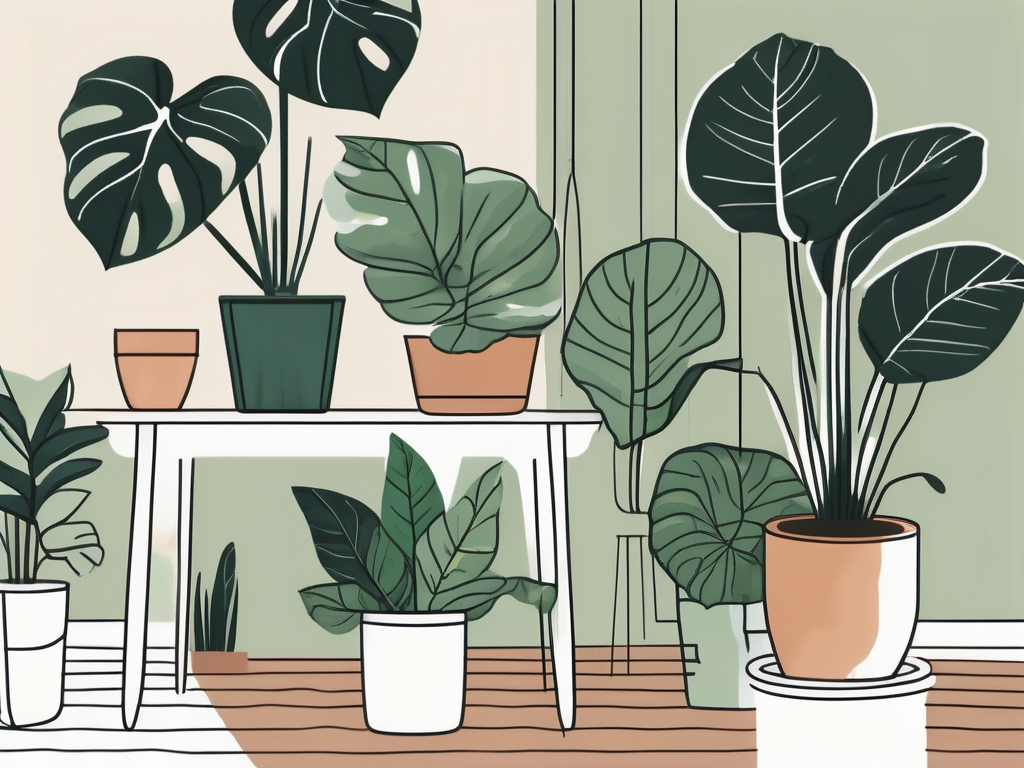
Houseplants can bring a breath of fresh air into your home, transforming any space into a vibrant, green oasis. They’re not just pretty to look at—many houseplants can help purify the air and even boost your mood. Whether you’re a seasoned plant parent or just starting out, there’s always something new to learn about caring for these leafy companions.
In this ultimate guide, we’ll explore some of the most popular houseplants, from the easy-going pothos to the more exotic monstera. We’ll cover the basics of plant care, how to choose the right plants for your home, and tips for creating beautiful plant-filled spaces. Plus, we’ll discuss common issues and how to overcome them, ensuring your plants thrive in their new environment.
Choosing the Right Houseplant for Your Space
When you're picking out plants for your home, it's a bit like matchmaking. You want to find the perfect fit based on your lifestyle, light availability, and aesthetic preferences. Some plants are more forgiving and can thrive in nearly any condition, while others are more particular about their environment.
First, consider the lighting in your home. Is it bright and sunny, or do you have more shaded areas? Plants like succulents and cacti love lots of sunlight, making them perfect for south-facing windows. On the other hand, low-light plants like snake plants and ZZ plants can thrive in dimmer areas, such as north-facing rooms.
Next, think about your lifestyle. Are you a frequent traveler or someone who forgets to water regularly? If so, opt for low-maintenance plants like pothos or peace lilies that don't mind a little neglect. For those who enjoy a bit of a challenge, try your hand at more demanding plants like ferns or orchids.
Finally, consider the aesthetics you want to achieve. Do you prefer a minimalist look with clean lines, or are you more about lush, overflowing greenery? Tall plants like fiddle leaf figs can make a bold statement, while trailing plants like string of pearls add a whimsical touch.
Understanding Plant Needs: Light, Water, and Humidity
Understanding what your plant needs is crucial for its health and longevity. Think of it like getting to know a new friend—the more you understand their needs, the better your relationship will be.
Light: Light is a plant's best friend, and different plants have different light requirements. A good rule of thumb is to research the specific needs of each plant species. Some thrive in direct sunlight, while others prefer indirect light. If you're unsure, observe your plant's behavior. If it's stretching towards the light, it might need a bit more sun.
Water: Overwatering is a common plant killer. It's easy to love your plant a little too much! Each plant has its own watering needs, but a general guideline is to check the soil's moisture level. Stick your finger about an inch into the soil; if it feels dry, it's time for a drink. Remember, it's better to underwater than overwater.
Humidity: Many houseplants, especially tropical ones, love humidity. If you notice brown tips on the leaves, it might be a sign that your plant needs more moisture in the air. This can be remedied by misting the leaves or placing a humidifier nearby.
Potting and Soil Care
Choosing the right pot and soil is like picking the perfect outfit for your plant. It not only has to look good but also be functional. Here’s how to make sure your plant is dressed for success.
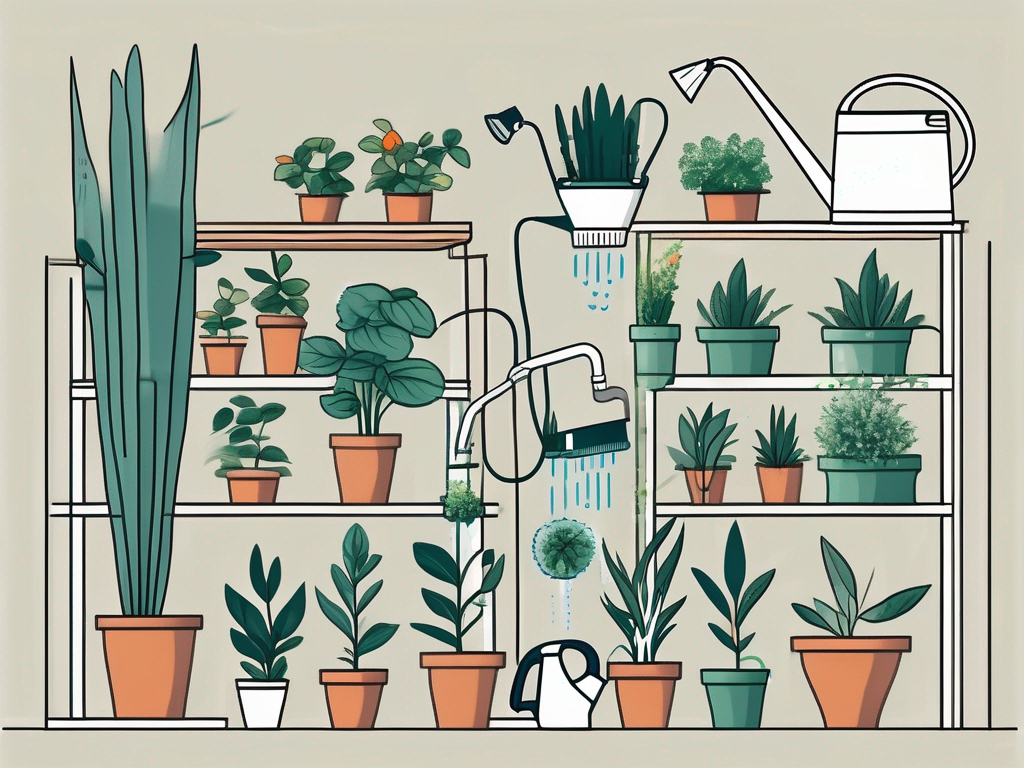
Pot Selection: When selecting a pot, consider both aesthetics and practicality. The pot should have drainage holes to prevent water from sitting at the bottom and causing root rot. If you fall in love with a decorative pot without holes, consider using it as a cover pot and placing a smaller, draining pot inside.
Soil Type: Not all soil is created equal. Most houseplants thrive in a well-draining potting mix. Cacti and succulents need a sandy mix, while orchids require a bark-based mix. If you're unsure, check the plant's care instructions or ask your local nursery for advice.
Repotting: Over time, your plant will outgrow its pot. Repotting gives your plant more space to grow and fresh soil to thrive in. Signs that your plant needs repotting include roots growing out of the drainage holes or water sitting on the surface of the soil. When repotting, choose a pot that's one size larger and gently loosen the roots before placing it in the new pot.
Dealing with Pests and Diseases
Even with the best care, sometimes your plants might encounter pests or diseases. It’s like getting a cold—you just need to know how to handle it.
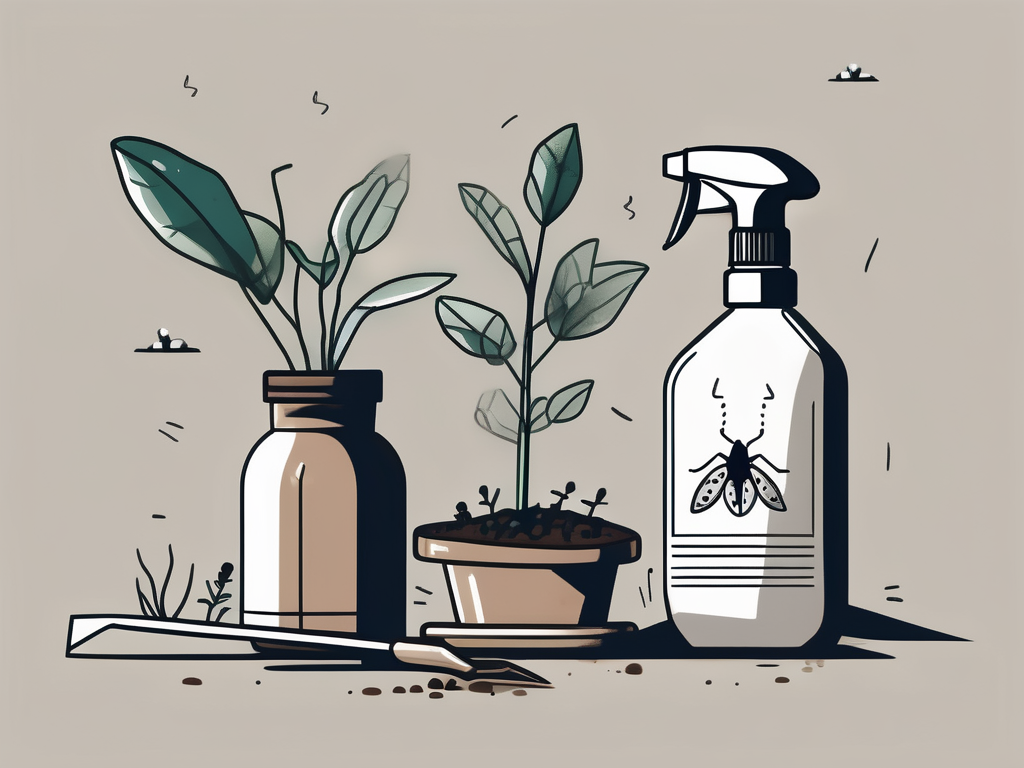
Common Pests: Some of the most common pests include spider mites, aphids, and mealybugs. If you notice tiny webs or sticky residue on your plants, you might have an infestation. To treat pests, you can use neem oil or insecticidal soap. Regularly inspecting your plants and wiping down the leaves can also prevent infestations.
Disease Prevention: Fungal diseases can occur if there's poor air circulation or the plant is too wet. To prevent this, ensure your plant has good airflow and avoid overhead watering. If you notice any moldy or discolored leaves, remove them promptly.
Natural Remedies: Sometimes, going the natural route is best for your plants. A mixture of water and dish soap can help deter pests, while cinnamon sprinkled on the soil can prevent fungus. Just like with medicine, it's always important to test a small area first to ensure your plant responds well.
Creating Beautiful Plant-Filled Spaces
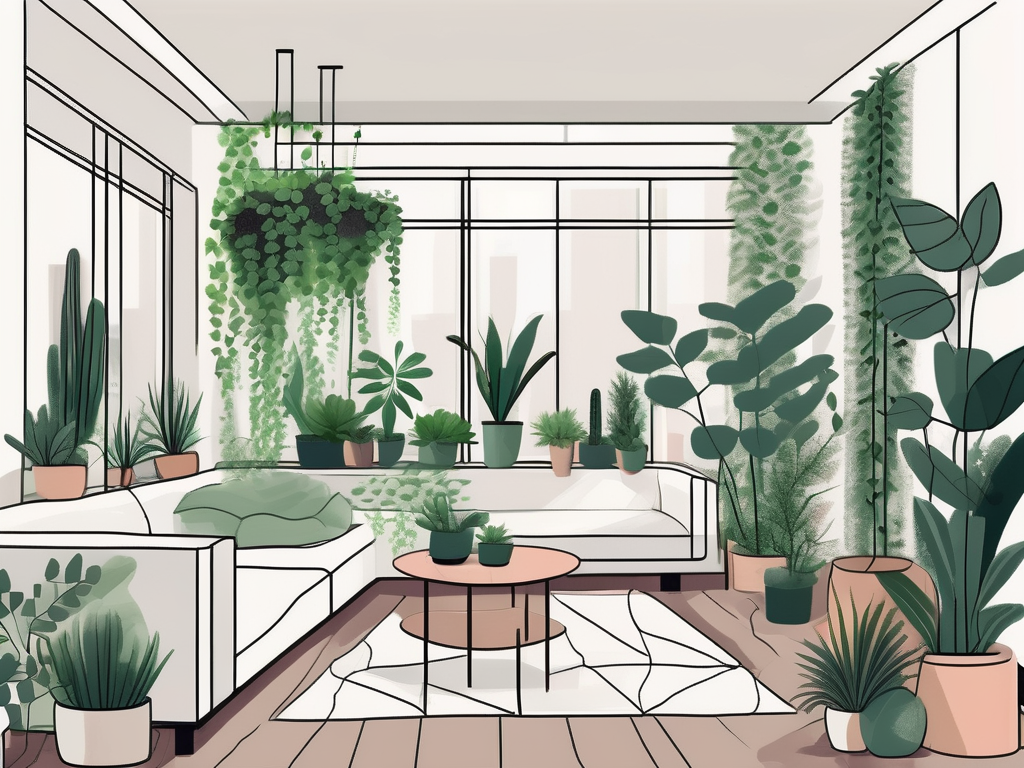
Plants can be more than just a decorative piece; they can transform your home into a serene sanctuary. Here’s how to make your space look like a lush paradise.
Layering Plants: Just like in interior design, layering is key. Combine plants of different heights and textures to create visual interest. A tall fiddle leaf fig paired with a trailing pothos and a small succulent arrangement can make a stunning display.
Using Containers Creatively: Think outside the traditional pot. Use baskets, vintage tins, or even repurposed furniture as plant containers. These unique vessels can add a personal touch to your decor and give your plants a stylish home.
Incorporating Plants into Existing Decor: Plants can complement your existing decor beautifully. Match the plant pot color to your room's color scheme, or use plants as natural room dividers. A well-placed plant can enhance the coziness of a reading nook or bring life to an empty corner.
Popular Houseplants and Their Unique Characteristics
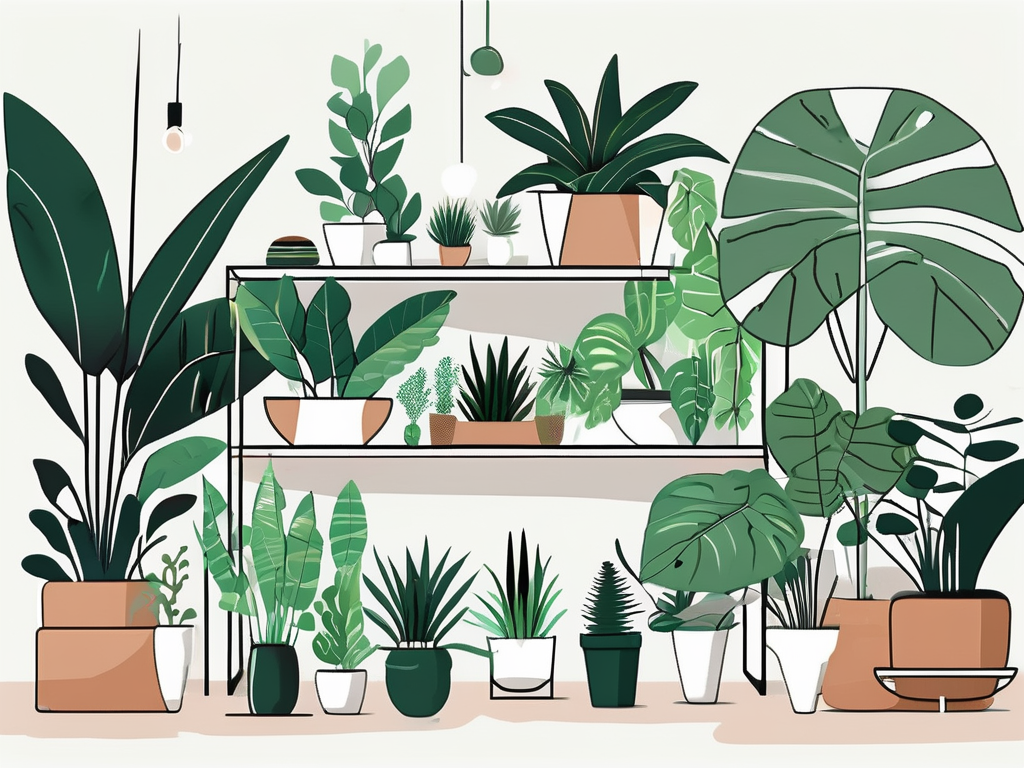
With so many houseplants to choose from, it can be hard to know where to start. Here’s a quick rundown of some popular picks and what makes them special.
- Pothos: Known for its heart-shaped leaves and trailing vines, pothos is perfect for beginners. It’s forgiving of neglect and can thrive in various lighting conditions.
- Snake Plant: This plant is nearly indestructible and can tolerate low light and infrequent watering. Its upright leaves give it a striking appearance.
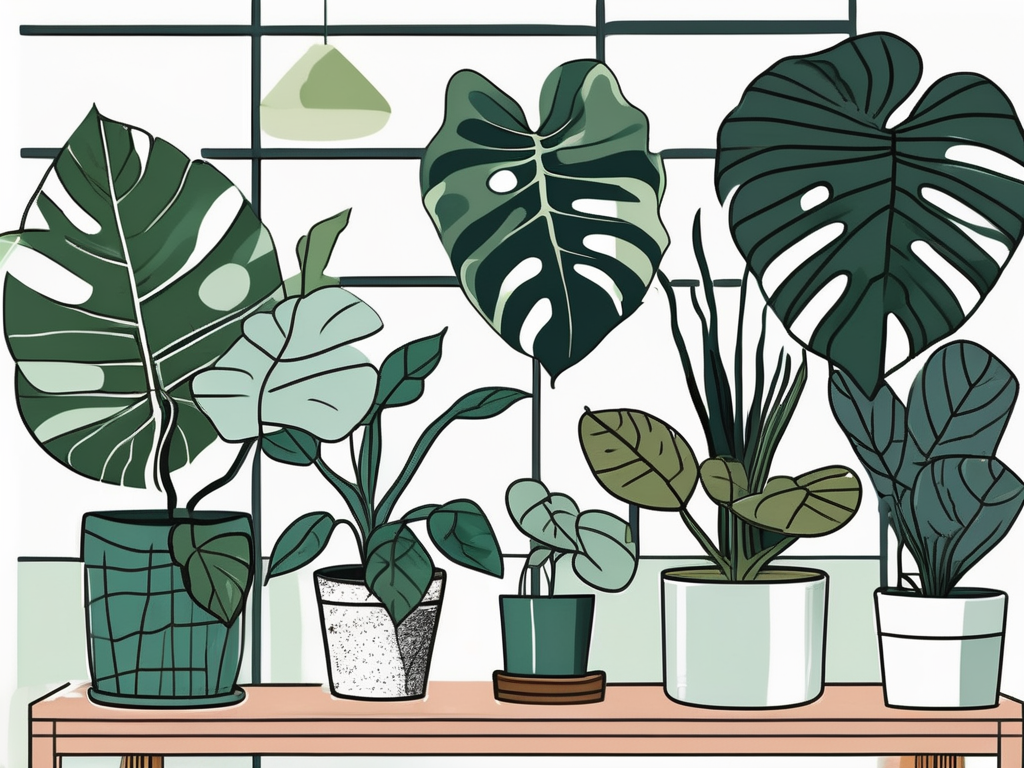
- Monstera: With its iconic split leaves, the monstera adds a tropical vibe to any room. It prefers bright, indirect light and regular watering.
- Peace Lily: Known for its elegant white blooms, the peace lily thrives in low light and is excellent at purifying the air.
Each plant brings its own personality and benefits to your home. Whether you’re looking for something low-maintenance or a bit more exotic, there’s a perfect plant out there for you.
Common Mistakes and How to Avoid Them
We've all been there—excitedly bringing home a new plant, only to watch it struggle. Here are some common pitfalls and how to steer clear of them.
Overwatering: This is the number one plant killer. Remember, most plants prefer to dry out a bit between waterings. If you're unsure, it's better to err on the side of underwatering.
Ignoring Light Needs: Just like us, plants need the right environment to thrive. Make sure to place your plants in an area that suits their light preferences. If you notice your plant leaning or leaves turning yellow, it might need a change of scenery.
Skipping Regular Maintenance: Regularly dusting leaves, checking for pests, and pruning dead foliage can keep your plants healthy and happy. Think of it as a little TLC that goes a long way.
How to Propagate Your Plants
Propagating plants is like creating little plant babies—it’s a fun and rewarding process that can save you money and allow you to share your plants with friends.
Stem Cuttings: Many plants, like pothos and philodendrons, can be propagated through stem cuttings. Simply cut a healthy vine below a node, remove the lower leaves, and place it in water or soil until roots develop.
Division: Some plants, like snake plants and peace lilies, can be propagated by division. Carefully remove the plant from its pot and gently separate the roots into smaller sections before repotting them.
Leaf Cuttings: Succulents and African violets can be propagated from leaf cuttings. Gently remove a leaf and let it callus over for a few days before placing it in soil or water to root.
Propagation is a wonderful way to expand your plant collection and share the joy of greenery with others.
Final Thoughts
Caring for houseplants can be a delightful journey of learning and growth. From choosing the right plants for your home to understanding their needs and creating beautiful spaces, each step is an opportunity to connect with nature and bring a little bit of the outdoors inside.
At Cafe Planta, we're passionate about helping you find the perfect plants for your home. Our selection ranges from popular favorites to unique and rare finds, and we offer plant care accessories and plant-themed apparel. If you have questions or need advice, don't hesitate to email us or send a message on Instagram. We believe in the power of plants to bring people together and inspire us all to connect with nature. Let's grow together!