Watering can often feel like a straightforward task, but when it comes to Tradescantia, there's more to it than meets the eye. Also known as spiderwort, this popular houseplant boasts vibrant foliage and a reputation for being relatively easy to care for. Yet, even seasoned plant parents can find themselves scratching their heads over how to properly quench its thirst.
In this article, we'll navigate the waters of Tradescantia care, focusing on the art of watering. From understanding its unique needs to avoiding common pitfalls, we've got you covered. Grab your watering can, and let's get started!
Understanding Tradescantia's Natural Habitat
Before diving into watering techniques, it's helpful to consider where Tradescantia plants originally come from. Native to the Americas, these plants typically thrive in warm, humid environments. They often grow in environments with dappled sunlight and well-drained soil. This background gives us valuable clues about their watering preferences.
Tradescantia plants are used to receiving frequent rain showers that quickly drain away, leaving the roots to dry out a bit before the next downpour. This means that replicating these conditions at home is key to keeping your plant healthy. But how do you do that indoors?
Start by recognizing that these plants do not enjoy sitting in waterlogged soil. If you’ve ever dealt with root rot, you know it's no joke and can lead to a sad, droopy plant. Instead, aim for a balance that keeps the soil moist but not soggy. Think of it like this: you're aiming to mimic a rainforest floor rather than a swamp.
To achieve this, consider your potting mix. A mix that drains well is your best friend here. You might use a standard houseplant potting soil and add some perlite or orchid bark to improve drainage. With the right soil, you'll be well on your way to watering success.
How Often to Water Your Tradescantia
One of the most common questions plant lovers ask is, "How often should I water my Tradescantia?" The answer isn't a one-size-fits-all, as it depends on several factors, including the season, humidity levels, and the specific conditions in your home.
During the growing season, which is usually spring and summer, your Tradescantia will be thirstier and require more frequent watering. You might find yourself watering once a week or even more often if the weather is particularly warm. However, in the cooler months, like fall and winter, the plant's growth slows down, and so does its need for water. In these months, watering every two to three weeks might suffice.
So how do you know when it’s time to water? One tried-and-true method is the finger test. Simply stick your finger into the soil about an inch deep. If it feels dry, it’s time to water. If it’s still moist, give it a few more days and check again. It's a simple yet effective way to ensure you’re not overwatering or underwatering your plant.
Remember, environmental factors play a huge role. A Tradescantia sitting near a heater or in a drafty window might dry out faster. On the other hand, a humid bathroom might keep it moist longer. Pay attention to these nuances and adjust your watering schedule accordingly.
Signs Your Tradescantia Needs Water
Plants have their way of communicating, and Tradescantia is no exception. While they might not shout for help, they certainly provide visual signs when they're thirsty.
One of the first signs is drooping leaves. If your plant looks a bit limp, it might be due to a lack of water. Another indicator is the color of the leaves. When dehydrated, Tradescantia leaves can start to look dull or even crispy at the edges.
However, it's not just about looking for signs of thirst. Overwatering can also cause problems, and the symptoms can be quite similar. Yellowing leaves and root rot are common indicators that your plant is getting too much water.
To avoid confusion, make it a habit to check the soil moisture regularly. If you're unsure, leaning on that trusty finger test will help you make more informed decisions.
Watering Techniques for Healthy Tradescantia
Now that we've covered when to water, let's talk about how to do it. Proper watering techniques can make a world of difference for your Tradescantia's health and appearance.
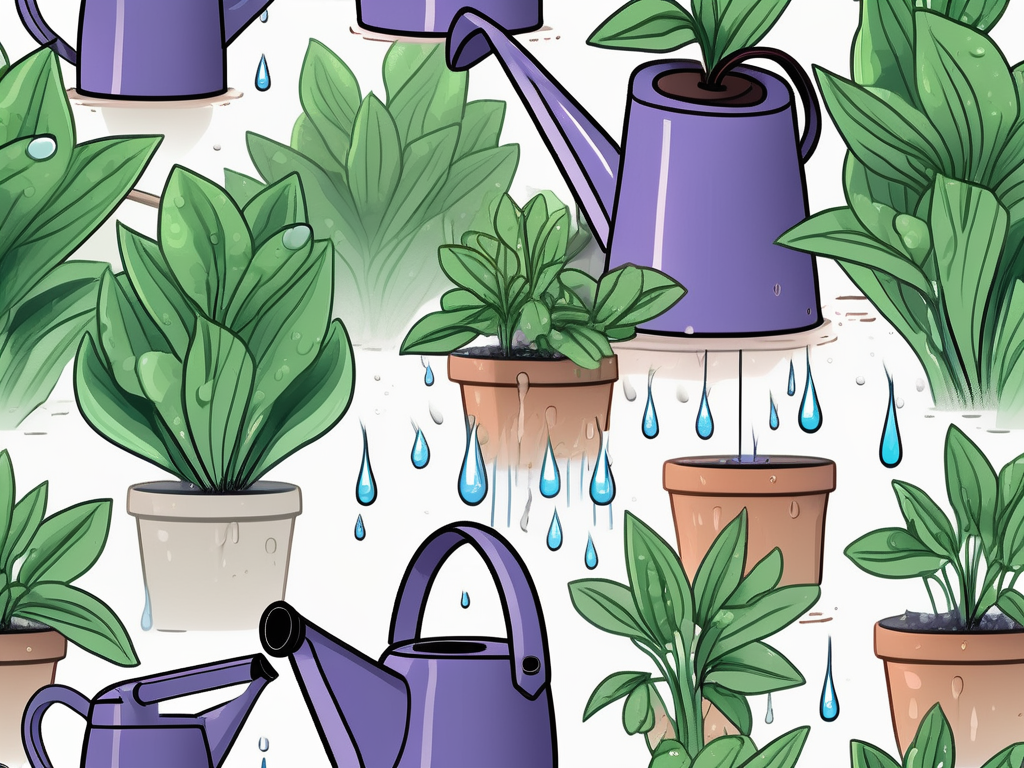
First, always water thoroughly. This means ensuring the water reaches all parts of the root system. When you water, aim for the base of the plant rather than the leaves. This helps prevent fungal diseases that thrive in damp foliage.
Allow the water to flow through the pot’s drainage holes, which ensures that the roots are getting enough moisture and helps flush out any built-up salts that could harm the plant. This is where having a well-draining potting mix comes into play once again.
Another technique is bottom watering. This method involves placing the pot in a tray of water and letting the soil soak up the moisture from the bottom. It can be particularly useful if you tend to overwater, as it encourages the roots to grow downwards and prevents water from sitting at the top of the soil.
Experiment with these techniques and see what works best for you and your plant. Sometimes a combination of methods can provide the best results.
Choosing the Right Pot for Your Tradescantia
The type of pot you choose can significantly impact how you water your Tradescantia. The material and design of the pot determine how quickly moisture evaporates and how well the soil drains.
Terracotta pots are a popular choice for Tradescantia. They are porous, allowing moisture to escape more quickly, which helps prevent overwatering. This can be especially beneficial in humid climates, where evaporation is slower.
On the other hand, plastic pots retain moisture longer, which can be useful in drier environments. If you prefer the look of ceramic or decorative pots, just make sure they have drainage holes. Without them, you risk water pooling at the bottom, which can lead to root rot.
When it comes to size, a pot that's too large can hold onto excess moisture, while a pot that's too small can dry out too quickly. Aim for a pot that's just big enough to accommodate the root ball with a little room to grow.
Ultimately, the right pot will depend on your specific environment and how attentive you are to your plant's watering needs. Don't be afraid to experiment until you find the perfect setup.
Dealing with Overwatering and Underwatering
Even the most attentive plant parents can make mistakes, and overwatering or underwatering are among the most common ones. The good news is both issues are fixable with a little attention and care.
If you've overwatered, the first step is to allow the soil to dry out. You might need to temporarily remove the plant from its pot to check the roots. If you find any mushy, blackened roots, prune them away with clean scissors to prevent further rot.
To prevent future overwatering, adjust your routine by watering less frequently and ensuring your pot has adequate drainage. You might even consider using a moisture meter to keep closer tabs on the soil's moisture level.
On the flip side, if your Tradescantia is showing signs of underwatering like wilting or crispy edges, a thorough watering is in order. Ensure the soil is evenly moist, but be careful not to drown the plant in your eagerness to compensate.
Remember, it's all about balance. With time and practice, you'll develop a watering routine that keeps your Tradescantia thriving.
Adapting Watering Habits to Seasonal Changes
As the seasons change, so too should your watering habits. Just like we swap our wardrobes to suit the weather, our plants have different needs throughout the year.
In the spring and summer, Tradescantia plants are in their growing phase and may require more frequent watering. The warmth and increased sunlight can cause the soil to dry out faster, so keep a closer eye on moisture levels during these months.
As you transition into fall and winter, the plant's growth slows, and so does its demand for water. This is the time to reduce watering frequency, as the cooler temperatures and shorter days mean the soil stays moist longer.
Consider adjusting your watering schedule based on the amount of natural light your plant receives. A Tradescantia in a sunny window might need more water than one in a shaded corner, regardless of the season.
Adapting to these seasonal changes is about observation and flexibility. By staying attuned to your plant's needs, you’ll ensure it remains healthy and vibrant all year round.
Common Mistakes and How to Avoid Them
Let's face it, mistakes happen. But when it comes to watering Tradescantia, a few common pitfalls can easily be sidestepped with a bit of foresight.
One mistake is watering on a strict schedule without checking the soil first. Remember, factors like humidity and light can affect how quickly the soil dries out, so always check before you water.
Another pitfall is using the wrong type of water. While tap water is convenient, it can contain minerals and chemicals that build up in the soil over time. If possible, use filtered or rainwater instead. This can make a huge difference in the long-term health of your Tradescantia.
Lastly, neglecting to adjust your watering routine for different seasons is another common error. By being mindful of the changing needs of your plant throughout the year, you’ll avoid the stress of over or underwatering.
By keeping these tips in mind, you’ll be better equipped to provide your Tradescantia with the care it needs to thrive.
Final Thoughts
Tradescantia watering isn't rocket science, but it does require a bit of attention and care. By understanding its natural habitat, adjusting your watering habits seasonally, and being mindful of the signs your plant gives you, you'll be well on your way to a thriving Tradescantia.
At Cafe Planta, we're passionate about helping you succeed with your plants. Whether you're looking for unique houseplants, care accessories, or simply have questions about your green companions, we're here for you. Feel free to email us or reach out on Instagram. Let's grow our love of plants together!