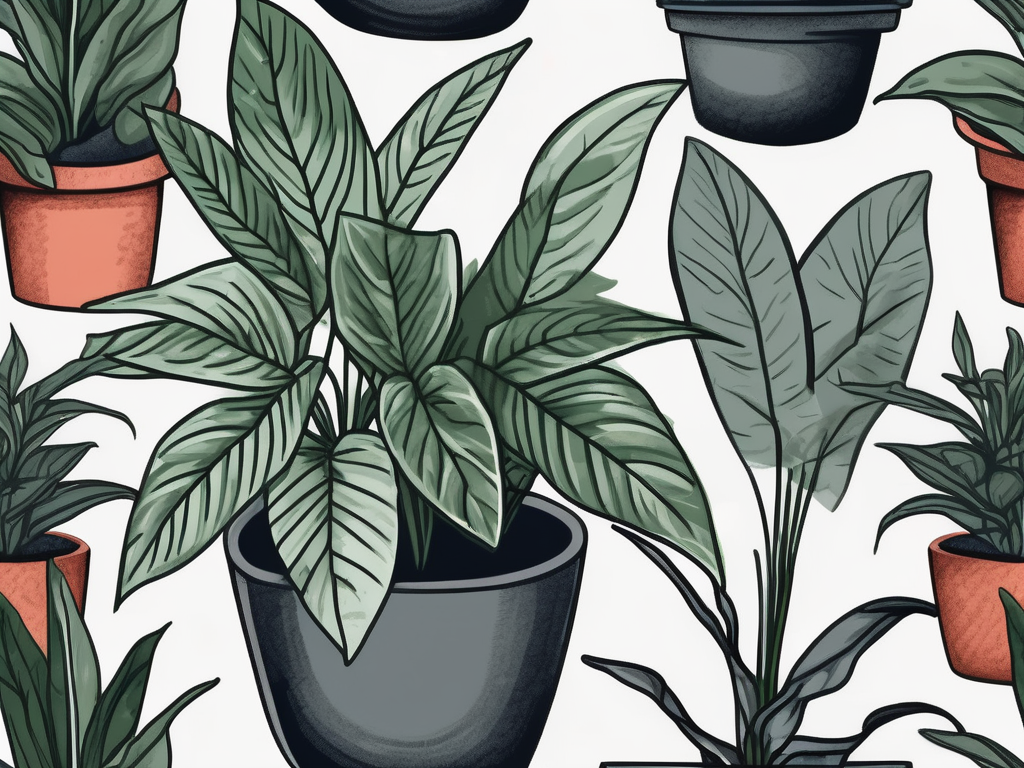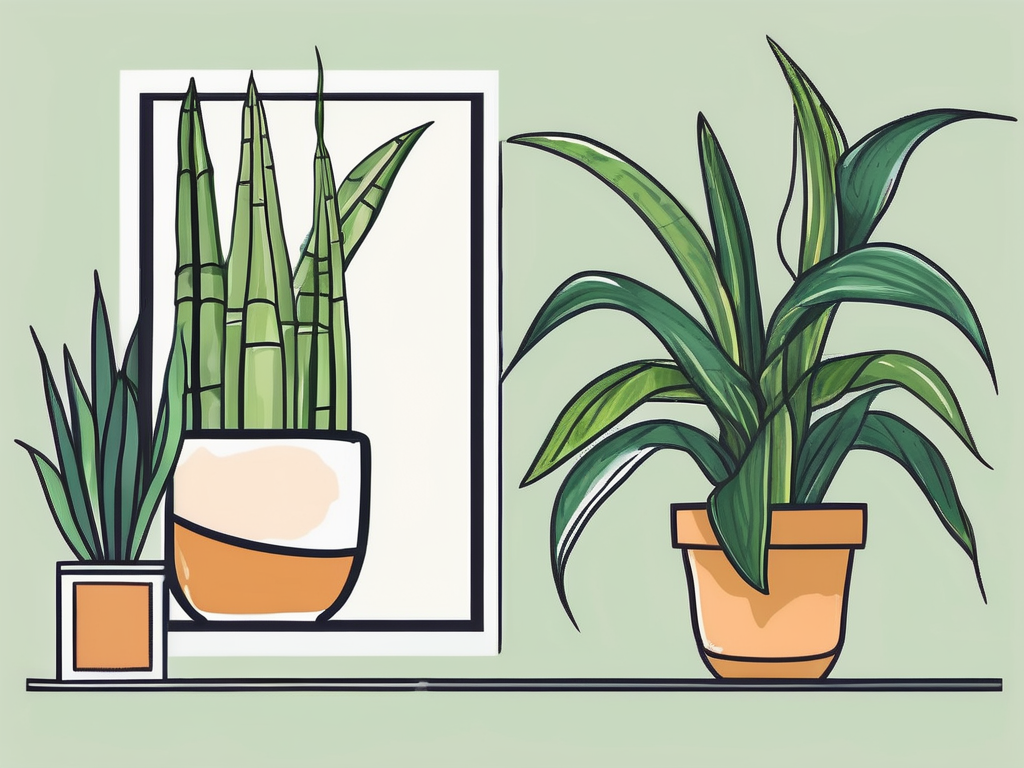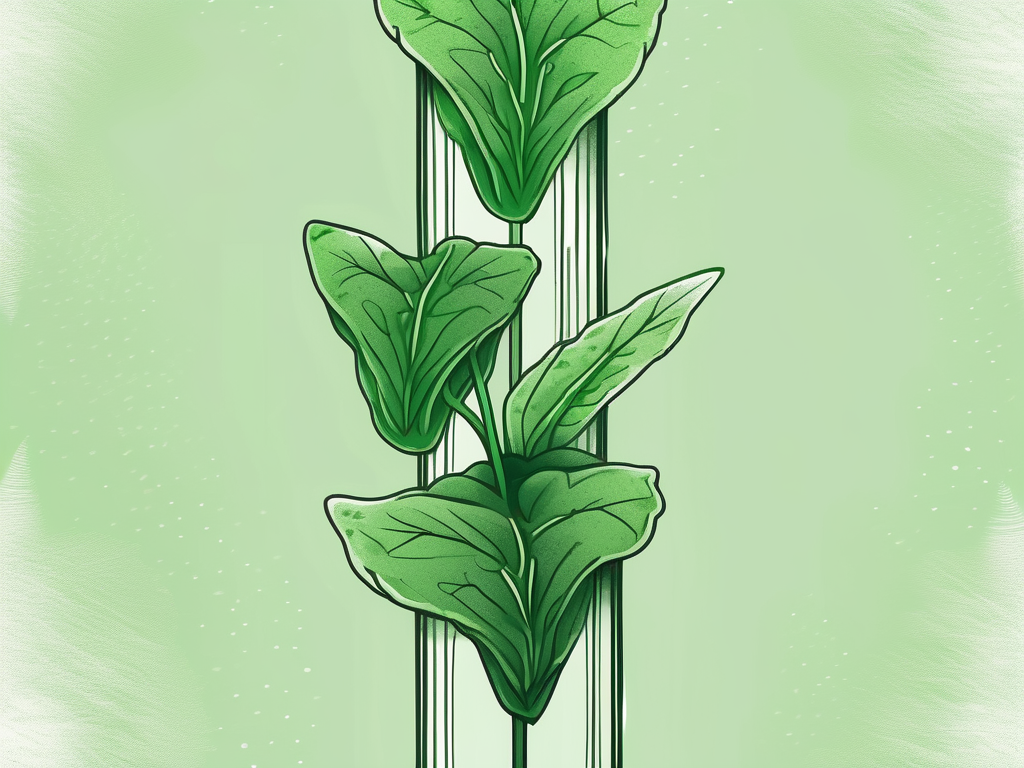
Have you ever noticed how adding a moss pole to your Arrowhead plant transforms it from a sprawling, sometimes unruly cluster into a graceful, upward-reaching beauty? Moss poles aren’t just practical; they’re a game-changer for plant aesthetics and health. Today, we’ll explore how to use a moss pole to support your Arrowhead plant, making it both a lovely addition to your home and a healthier, happier plant.
Throughout this guide, we’ll cover everything from why moss poles are beneficial, to step-by-step instructions on setting one up. By the end, you’ll feel like a pro, ready to tackle this project with confidence. Let’s get started on this plant-care adventure!
Why Arrowhead Plants Love Moss Poles
Arrowhead plants, also known as Syngonium podophyllum, are fantastic for indoor gardeners because they’re low-maintenance yet incredibly rewarding. But did you know these plants are natural climbers? In their native tropical habitats, they use trees and other vertical surfaces to climb toward the light.
Using a moss pole mimics this natural behavior, encouraging the plant to grow upwards rather than sprawling across your floor or tabletop. This vertical growth not only saves space but also gives your plant a healthier growth pattern, allowing it to develop larger, more mature leaves. Plus, it adds a stunning visual element to your indoor garden, making your plant a striking focal point.
In addition, climbing provides better air circulation for each leaf, reducing the chances of fungal diseases. So, while it might seem like just a support, a moss pole really enhances your plant’s overall health and vitality.
Choosing the Right Moss Pole
Before you even think about setting up, you’ll need to pick the right moss pole. They come in various sizes and materials, so choosing one can seem a bit daunting. Here are a few tips to help you decide:
- Size: Consider the height of your Arrowhead plant and how much taller you’d like it to grow. A taller pole encourages more growth, but you don’t want it to overwhelm your space.
- Material: Moss poles are typically made from coconut coir or sphagnum moss. Both are excellent choices, but sphagnum moss retains moisture better, which can be beneficial for your plant’s aerial roots.
- Structure: Some poles are single, while others are extendable, allowing you to add height as your plant grows. If you’re in it for the long haul, an extendable pole might be the way to go.
Remember, the moss pole should feel sturdy and stable, as it will bear the weight of your growing plant. A good rule of thumb is to aim for a pole that’s a bit taller than your plant’s current height to give it room to grow.
Setting Up Your Moss Pole
Once you’ve chosen the perfect moss pole, it’s time for the fun part: setting it up with your Arrowhead plant. Don’t worry if you’re not a DIY expert! This process is straightforward and quite satisfying. Here’s how to do it:
Step 1: Prepare the Pole
Soak your moss pole in water for about 20 minutes before use. This helps hydrate the moss, which is crucial for your plant’s aerial roots to attach firmly. Once soaked, let it drain to avoid excess water in your pot.
Step 2: Insert the Pole
Gently push the pole into the soil at the base of your plant. Try to place it close to the main stem without damaging any roots. If your Arrowhead plant is in a small pot, consider repotting it into a larger container that can support the pole’s weight and size.
Step 3: Secure the Plant
Using plant ties or soft string, gently secure the main stem of your plant to the pole. Start from the base and work your way up, attaching the plant every few inches. Be careful not to tie too tightly; you don’t want to damage the stem.
As your Arrowhead plant grows, continue to secure any new growth to the pole. This will encourage the plant to climb and help maintain its shape.
Watering and Care with a Moss Pole
With a moss pole, your watering routine might need a little adjustment. Since the pole holds moisture, it provides a unique environment for your plant’s aerial roots. Here’s how to manage watering:
- Regular Watering: Maintain your usual watering schedule based on your plant’s needs. Arrowhead plants generally prefer to be kept on the moist side, but not waterlogged.
- Misting the Pole: Occasionally mist the moss pole to keep it moist. This helps the aerial roots attach firmly and encourages better nutrient uptake. A few spritzes each week should do the trick.
- Humidity: These plants thrive in higher humidity, which the moss pole can help provide. Consider placing a humidifier nearby or grouping plants together to boost humidity levels.
Keep an eye on the soil’s moisture level. The moss pole can sometimes make the soil retain water longer, so adjust your watering schedule accordingly to prevent root rot.
Training Your Arrowhead Plant
Training your Arrowhead plant to climb its new moss pole is part of the fun! It’s rewarding to see how quickly these plants adapt and thrive with a little guidance. Here’s how to train your plant effectively:
As new growth appears, gently guide the vines toward the pole and secure them with plant ties. You can also gently wrap the plant around the pole as it grows. This might take a little patience, but it’s worth it!
Regularly check the ties to make sure they aren’t becoming too tight as the plant thickens. Adjust them as needed to give the plant room to grow without restriction.
Remember, you’re essentially helping your plant do what it naturally wants to do: climb! Your role is just to provide support and direction, making sure the plant’s growth is both healthy and visually appealing.
Repotting with a Moss Pole
Eventually, your Arrowhead plant might outgrow its pot, moss pole and all. Repotting a climbing plant can seem tricky, but it’s manageable with a little preparation. Here’s how to do it:
Step 1: Choose a New Pot
Pick a pot that’s one size larger than the current one. Ensure it has good drainage holes to prevent waterlogging, which is crucial for an Arrowhead plant’s health.
Step 2: Prepare the Plant
Before repotting, water your plant thoroughly. This makes it easier to remove from the pot without damaging the roots. If your moss pole is extendable, you might want to add sections now, so you’re ready for future growth.
Step 3: Transfer to the New Pot
Gently remove the plant from its current pot, keeping the moss pole in place. If the plant and pole are particularly large, you might need a second pair of hands to help support the structure during the transfer.
Place the plant and pole in the new pot, filling in around them with fresh potting soil. Firm the soil gently to secure the plant and pole in place, ensuring there are no air pockets.
Water the plant again after repotting to help settle the soil and reduce transplant shock.
Common Issues and Solutions
Even with the best care, you might encounter some issues with your Arrowhead plant and its moss pole. Here are a few common problems and how to address them:
- Loose Pole: If the pole becomes loose, it might not provide adequate support. Try adding more soil to stabilize it, or consider using a larger container if it keeps tipping over.
- Root Rot: Overwatering or poor drainage can lead to root rot. Ensure your pot has drainage holes and adjust your watering schedule if necessary. If root rot occurs, remove affected roots and repot the plant in fresh soil.
- Yellow Leaves: This could be a sign of overwatering, underwatering, or nutrient deficiency. Check your watering routine and consider feeding your plant with a balanced fertilizer during the growing season.
Patience and observation are your best tools. Regularly check your plant for signs of stress or disease, and adjust care as needed to keep it thriving.
Incorporating Moss Poles into Interior Design
Beyond their practical benefits, moss poles can also add a unique touch to your home’s interior design. They create a dynamic vertical element that can draw the eye and complement your decor. Here’s how to make the most of your moss-pole-supported Arrowhead plant:
- Placement: Consider the lighting needs of your Arrowhead plant and position it in a spot with indirect sunlight. This ensures healthy growth and prevents leaf burn.
- Grouping: Pair your Arrowhead plant with other indoor plants of varying heights to create a lush, layered look. This can enhance the natural feel of your space.
- Decorative Pots: Use attractive pots or decorative plant stands to elevate your plant’s presence and tie it into your overall design theme.
Remember, your home is a reflection of your personality, and incorporating plants adds a living, breathing element that can change and grow with you. It’s a simple yet powerful way to bring nature indoors and create a tranquil environment.
Maintaining Your Moss Pole and Plant
Now that your Arrowhead plant is happily climbing its moss pole, regular maintenance is key to keeping everything in tip-top shape. Here’s a quick checklist for ongoing care:
- Check Ties: Regularly inspect plant ties to ensure they’re secure but not too tight. Adjust them as needed to accommodate growth.
- Mist the Pole: Keep the moss pole moist by misting it occasionally. This helps support aerial root growth and maintains humidity.
- Prune as Needed: Trim any dead or yellowing leaves to keep your plant looking its best. Pruning also encourages new growth.
By keeping up with these simple tasks, your plant will continue to thrive, bringing beauty and a touch of the tropics to your home.
Final Thoughts
Using a moss pole for your Arrowhead plant not only supports its natural growth but also enhances the aesthetics and health of the plant. By following the steps outlined in this guide, you can create a beautiful, upright plant that’s sure to be a centerpiece in your home.
At Cafe Planta, we’re here to support you on your plant journey with a wide variety of houseplants and accessories. If you have any questions or need more tips, feel free to email us or reach out on Instagram. We believe in the power of plants to bring people together, and we’re excited to help you create a thriving plant collection in your home.