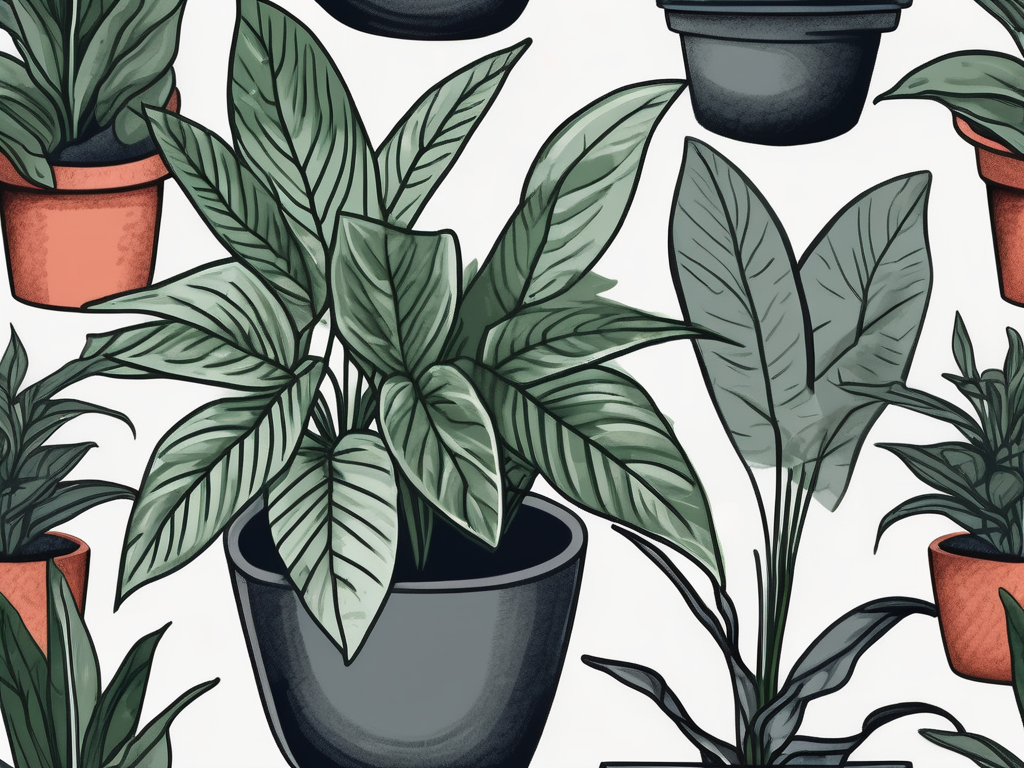
Velvet plants are like the divas of the plant world, demanding attention with their rich, velvety leaves and striking colors. If you're drawn to their allure and wondering how to grow these beauties from seeds, you're in the right place. Growing velvet plants from seeds can be a delightful journey. Whether you're a seasoned plant parent or just starting out, there's something magical about watching a plant grow from a tiny seed into a lush member of your indoor garden.
This guide will take you through everything you need to know about velvet plant seeds, from choosing the right seeds to planting, nurturing, and integrating them into your home decor. We'll cover the nuances of soil selection, watering practices, and common challenges you might face along the way. By the end, you'll be equipped with the knowledge to grow and care for these stunning plants.
Choosing the Right Velvet Plant Seeds
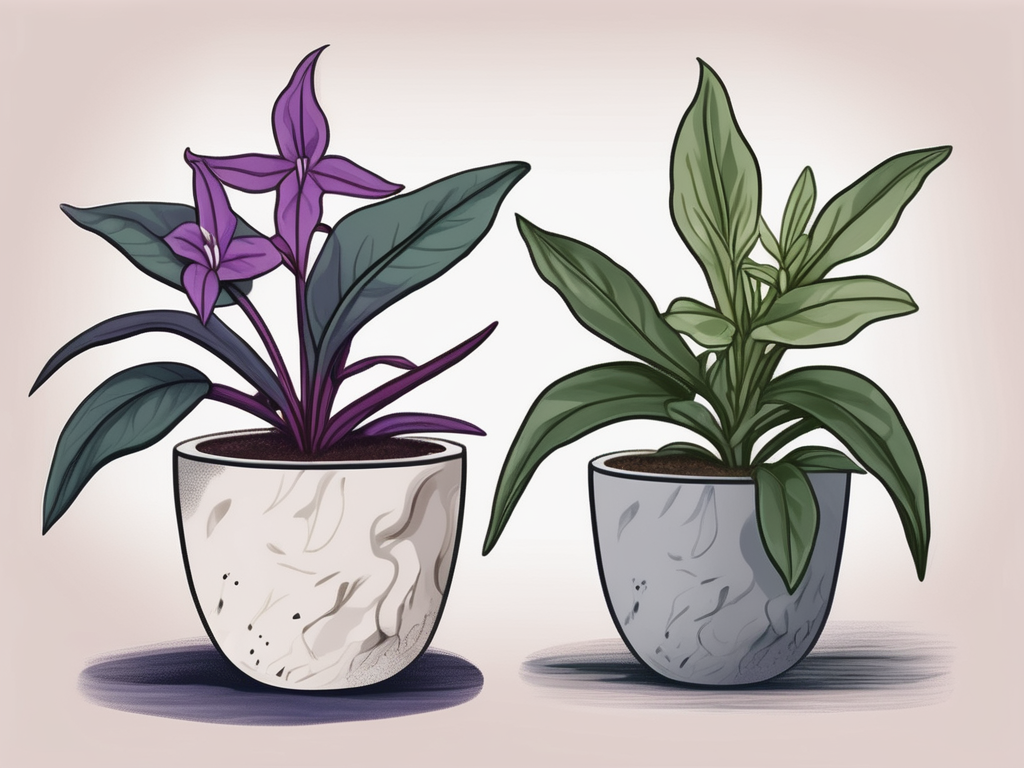
So, you're ready to start your velvet plant journey! The first step is selecting the right seeds. Velvet plants, known scientifically as Gynura aurantiaca, are popular for their distinctive purple foliage. However, there are several varieties, each with unique characteristics.
When choosing seeds, consider what appeals to you. Do you prefer vibrant colors or more subtle hues? Perhaps you're interested in a variety that's known for its easy care. Here's a quick rundown of some popular options:
- Gynura aurantiaca: Known for its intense purple leaves, this is the most common velvet plant variety.
- Gynura sarmentosa: This variety has slightly less vibrant foliage but is easier to care for, making it ideal for beginners.
- Hybrid varieties: These offer a mix of characteristics and might be worth exploring if you're feeling adventurous.
Once you've narrowed down your choice, purchase seeds from a reputable source. Look for sellers with good reviews to ensure you're getting high-quality seeds. Keep in mind that seed quality can significantly influence your plant's growth journey.
Preparing for Planting
Now that you've got your seeds, it's time to prepare for planting. Think of this stage as setting the stage for a successful performance. A little prep work can go a long way in ensuring your velvet plant's growth.
Gathering Supplies
First things first, you'll need a few supplies:
- Seed trays or small pots: These will house your seeds until they're ready to be transplanted.
- Potting mix: Go for a well-draining mix to prevent soggy roots.
- Plastic wrap or a humidity dome: This helps maintain moisture and warmth, facilitating germination.
Preparing the Soil
The right soil mix is crucial. Velvet plants prefer a light, well-draining soil that retains some moisture without becoming waterlogged. You can create a suitable mix by combining standard potting soil with perlite or sand to improve drainage.
Before planting, moisten the soil slightly. It should feel like a damp sponge—not too wet, not too dry. This ensures your seeds have the moisture they need to begin germinating.
Planting Velvet Plant Seeds
With your supplies ready and soil prepared, it's time to plant. This process is straightforward but requires a gentle touch.
Step-by-Step Planting
- Fill your pots or trays: Add the moistened soil to your containers, leaving about half an inch of space at the top.
- Sow the seeds: Place the seeds on the surface of the soil. Velvet plant seeds are tiny, so handle them with care. Lightly press them into the soil, but don't bury them too deep—just enough to ensure contact with the soil.
- Cover lightly: Sprinkle a thin layer of soil over the seeds or use fine sand. This helps keep them in place while still allowing light to reach them.
- Maintain humidity: Cover the pots with plastic wrap or use a humidity dome. This creates a mini-greenhouse effect, keeping the seeds warm and moist.
Place the trays in a warm, bright location. Velvet plants need light to germinate, but direct sunlight can be too intense at this stage. A spot with indirect light is perfect.
Caring for Velvet Plant Seedlings
Once your seeds sprout, you'll start to see tiny seedlings emerge. This is an exciting phase, but it also requires careful attention to ensure those seedlings grow into healthy plants.
Watering
Seedlings are delicate, so be mindful of your watering habits. Too much water can lead to root rot, while too little can cause wilting. The goal is to keep the soil consistently moist but not soggy.
- Use a spray bottle or a watering can with a fine nozzle to gently water the seedlings.
- Check the soil daily. If the top inch feels dry, it's time to water.
- Ensure good drainage to prevent water from pooling at the bottom of your containers.
Lighting
Young velvet plants need plenty of light, but they should be protected from harsh, direct sunlight. A bright windowsill with filtered light works well, or you can use grow lights if natural light is limited.
As your seedlings grow, you can gradually increase their exposure to light, but always monitor for signs of stress, like yellowing leaves, which may indicate too much sun.
Transplanting Your Velvet Plants
Once your seedlings have developed a few sets of true leaves, it's time to think about transplanting them into larger pots. This gives their roots more room to expand and supports healthy growth.
Choosing the Right Pot
When selecting a pot, opt for something with drainage holes to prevent waterlogging. Velvet plants aren't too picky about materials, so ceramic, plastic, or terracotta pots all work well.
The Transplanting Process
- Prepare the new pot: Fill it with a well-draining potting mix similar to what you used for seeding.
- Remove the seedling: Gently loosen the soil around the seedling and carefully lift it from its original container, trying not to disturb the roots too much.
- Replant: Make a small hole in the new pot and place the seedling at the same depth it was growing before. Lightly press the soil around it to secure the plant.
- Water thoroughly: After transplanting, water the plant well to help settle the soil around the roots.
Transplanting can be a bit stressful for plants, so give them a few days to adjust. They might look a little droopy initially, but should perk up once they've acclimated to their new home.
Common Challenges and How to Overcome Them
Even with the best care, growing velvet plants from seeds can present some challenges. Here's how to tackle a few common issues:
Pest Problems
Velvet plants can attract pests like aphids and spider mites. To prevent infestations, keep an eye on your plants and act at the first sign of trouble.
- Regular inspection: Check the undersides of leaves and stems for tiny insects or webbing.
- Natural remedies: Use a spray of neem oil or insecticidal soap to address minor infestations.
- Quarantine: If a plant is heavily infested, isolate it to prevent pests from spreading to other plants.
Fungal Issues
Fungal problems, like powdery mildew, can occur if plants are kept too moist or in poor air circulation.
- Ensure good airflow: Space plants apart and avoid overcrowding.
- Water wisely: Water at the base of the plant and avoid wetting the leaves.
- Use fungicides: If fungus appears, treat it with a fungicide suitable for houseplants.
Incorporating Velvet Plants into Your Home Decor
With your velvet plants thriving, it's time to showcase them in your home. These plants can add a touch of elegance and color to any space.
Choosing the Right Spot
Velvet plants love bright, indirect light, so choose a location that meets their lighting needs. A spot near a north or east-facing window is ideal.
Decorative Ideas
- Group with other plants: Create a lush display by grouping velvet plants with other houseplants. Their rich purple leaves provide beautiful contrast.
- Use decorative pots: Choose pots that complement your interior style, whether that's sleek and modern or rustic and cozy.
- Highlight with lighting: Use spotlights or LED lights to highlight your velvet plants and draw attention to their unique foliage.
Remember, your home is your canvas, and plants are a fantastic way to express your style and personality.
Maintaining Your Velvet Plants
Once your velvet plants are established, ongoing care will keep them healthy and vibrant. Here's a quick maintenance checklist:
- Regular watering: Keep the soil consistently moist, but avoid waterlogging. Adjust your watering schedule based on seasonal changes.
- Fertilizing: During the growing season, feed your plants with a balanced, water-soluble fertilizer every few weeks.
- Pruning: Trim back any leggy growth to encourage bushier growth. Remove any dead or yellowing leaves to keep the plant looking tidy.
- Monitoring: Keep an eye out for any signs of stress, such as drooping or discoloration, and adjust care as needed.
With consistent care, your velvet plants will reward you with their stunning appearance and vibrant presence.
Benefits of Growing Velvet Plants
Beyond their aesthetic appeal, velvet plants offer several benefits that make them a great addition to your home:
- Air purification: Like many houseplants, velvet plants can help improve indoor air quality by filtering out pollutants.
- Stress reduction: Caring for plants has been shown to reduce stress and promote a sense of well-being.
- Creative expression: Incorporating velvet plants into your decor is a creative way to express your personal style and bring nature indoors.
These benefits make velvet plants a wonderful choice for anyone looking to enhance their living space and enjoy the therapeutic effects of indoor gardening.
Final Thoughts
Growing velvet plants from seeds is a rewarding endeavor that brings the beauty of nature into your home. From selecting the right seeds to nurturing them into mature plants, this journey offers numerous opportunities to learn and grow as a plant parent.
At Cafe Planta, we love helping plant lovers create beautiful, thriving plant collections. Whether you're looking for unique houseplants, plant care accessories, or just some friendly advice, we're here to support you. Feel free to email us or DM us on Instagram with any questions. Let's connect and share the joy of plants together!