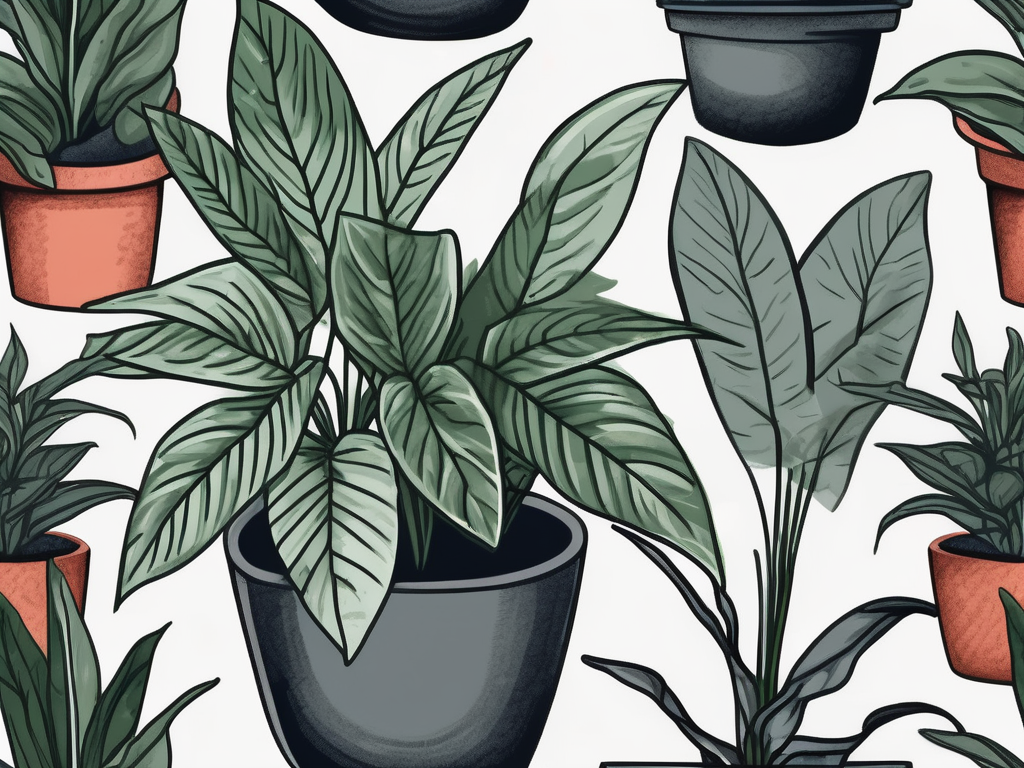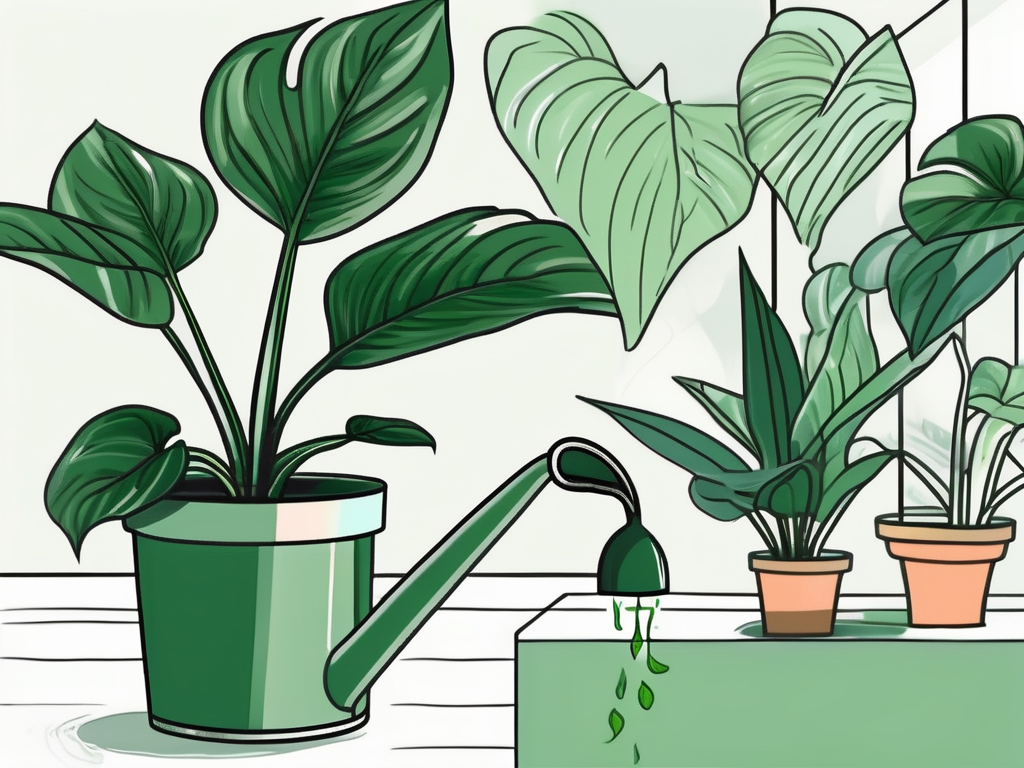
So, you've brought home a Philodendron Imperial Green, a beautiful addition to any indoor plant collection. Its lush green leaves can brighten up any room, but ensuring they stay vibrant requires a bit of know-how, especially when it comes to watering.
This guide will take you through everything you need to know about watering your Philodendron Imperial Green. We'll cover when to water, how much to water, and how to recognize signs of over or underwatering. Let's dive into the details to keep your plant healthy and thriving.
Understanding Philodendron Imperial Green's Water Needs
The Philodendron Imperial Green is a tropical plant, naturally accustomed to the humid and moist conditions of the rainforest. This means that while it loves moisture, it doesn't thrive in standing water. Understanding this balance is key to successful watering.
Typically, these plants prefer to dry out slightly between waterings. What does that mean in practical terms? Well, it means your plant will appreciate a thorough watering once the top inch of soil feels dry to the touch. This mimics the natural conditions of rainfall in the tropics, where the soil is allowed to dry out a bit between showers.
Interestingly enough, this plant's watering needs can change with the seasons. During the active growing months of spring and summer, your Philodendron will likely need more frequent watering. However, in the cooler months of fall and winter, its growth slows down, and so should your watering schedule.
Remember, every plant is unique, and environmental factors like humidity, light, and temperature in your home can affect how often you need to water. Always check the soil moisture before deciding to water.
How to Water Properly
Now that we understand when to water, let's talk about how to water your Philodendron Imperial Green. Watering might seem straightforward, but there's a bit of technique involved to ensure your plant gets the right amount of moisture.
- Water Thoroughly: When it's time to water, make sure you do it thoroughly. This means you should water until you see some excess water draining out from the pot's drainage holes.
- Use Room Temperature Water: Cold water can shock the roots, while hot water can damage them. Aim for room temperature water to keep your plant happy.
- Allow It to Drain: Never let your plant sit in standing water. If water collects in the saucer beneath your pot, make sure to empty it out.
The goal is to ensure that the entire root ball gets moistened without leaving the plant sitting in water. This method helps prevent root rot, a common issue with overwatered plants.
Signs of Overwatering and Underwatering
Even with the best intentions, it can be easy to over or underwater your plant. Recognizing the signs can help you adjust your care routine before any serious damage occurs.
Signs of Overwatering:
- Yellowing Leaves: If your plant's leaves are turning yellow, it could be a sign that you're overdoing it with the watering can.
- Mushy Stems: Overwatered plants can develop soft, mushy stems, a result of root rot setting in.
- Fungal Growth: Mold or fungus on the soil surface can indicate excessive moisture.
Signs of Underwatering:
- Wilting Leaves: If your plant looks droopy, it might be thirsty. Check the soil to confirm.
- Crispy Leaf Edges: Brown, dry edges on leaves can be a sign of insufficient water.
- Slow Growth: While some slowed growth is normal in winter, stunted growth during the growing season can indicate a lack of water.
Regularly checking your plant's leaves and soil will help you catch these signs early and adjust your watering routine accordingly.
Choosing the Right Soil and Pot
The type of soil and pot you use can have a significant impact on your watering routine. Philodendron Imperial Green appreciates a well-draining soil mix. This typically means a potting mix with good aeration, often achieved by adding perlite or orchid bark to your usual houseplant soil.
A pot with adequate drainage holes is crucial. Without these, water can accumulate at the bottom, leading to soggy roots and eventual root rot. If you find a decorative pot without drainage, consider using it as a cover pot, keeping your plant in a nursery pot inside it.
Consider repotting your Philodendron every couple of years or when you notice it's becoming root-bound. This not only gives it fresh soil but also helps maintain healthy growth by providing more space for the roots.
Influence of Humidity and Temperature
As a tropical plant, Philodendron Imperial Green thrives in higher humidity levels. While it can adapt to the average household humidity, boosting the humidity can make a noticeable difference in its health and growth.
Here are a few ways to increase humidity around your plant:
- Grouping Plants: Placing plants close together can create a microenvironment with higher humidity.
- Using a Humidifier: A humidifier can add moisture to the air, benefiting not just your Philodendron but all your tropical plants.
- Misting: Lightly misting your plant can temporarily increase humidity, though it's not a substitute for more consistent methods.
Temperature also plays a role. Philodendron Imperial Green prefers temperatures between 65°F and 78°F. It's important to avoid cold drafts and keep it away from heat sources like radiators, which can dry out the air.
Water Quality Considerations
Not all water is created equal. While tap water is convenient, it can contain minerals and chemicals that aren't ideal for your plants. Chlorine, fluoride, and hard water minerals can build up in the soil over time, potentially harming your Philodendron.
Consider using filtered or distilled water if you're concerned about the quality of your tap water. Rainwater is also an excellent option, as it's naturally soft and free of chemicals.
If you notice white crusty deposits on the soil surface or the edges of your pot, it could be a sign of mineral buildup. Flushing the soil with fresh water every now and then can help remove these excess minerals.
Adjusting Watering with the Seasons
Plants have different needs depending on the time of year, and your Philodendron Imperial Green is no exception. During the spring and summer, when the plant is actively growing, it will require more frequent watering. As mentioned earlier, always check the soil moisture before watering, but expect to water more often during these months.
In autumn and winter, the plant's growth slows down, and so does its need for water. You might find yourself watering less often during these cooler months. Again, the best practice is to check the top inch of soil and water only when it's dry.
This seasonal adjustment is a natural rhythm for the plant and helps prevent issues like root rot during the plant's dormancy period.
Common Mistakes and Troubleshooting
Watering seems simple, but there are common pitfalls that many plant parents encounter. Let's address a few of these mistakes and how to troubleshoot them.
- Watering on a Schedule: While routine is good for many things, it's not ideal for watering plants. Always check the soil moisture first, instead of sticking to a rigid schedule.
- Ignoring Environmental Changes: Changes in your home environment, like heating in winter or air conditioning in summer, can affect how quickly your plant dries out. Be flexible and adjust your watering routine as needed.
- Using the Wrong Pot Size: A pot that's too large holds more soil, which can retain excess moisture and lead to overwatering. Ensure your pot size is appropriate for your plant's current size.
By being observant and responsive to your plant's needs, you can avoid these common pitfalls and support healthy growth.
Using Technology to Help
For those who love a bit of tech, there are gadgets designed to help with plant care. Moisture meters, for example, can be a handy tool to check the soil moisture levels more accurately than the finger test.
These devices can show you how much moisture is in the soil at different depths, ensuring that you're watering at the right time. They're especially useful for beginners who are still learning to interpret their plant's signals.
Smart plant sensors are another option, providing insights into not just moisture but also light levels and temperature. While not a necessity, these tools can be fun and informative for anyone looking to up their plant care game.
Final Thoughts
Watering your Philodendron Imperial Green isn't just about quenching its thirst. It's about understanding its natural habitat and mimicking those conditions in your home. With a bit of attention and care, your plant will thrive and bring a touch of the tropics into your space.
At Cafe Planta, we love helping you care for your plants. Whether you're looking for a new leafy friend or need advice on your existing collection, we're here to help. Feel free to email or DM us on Instagram. Let's grow together!