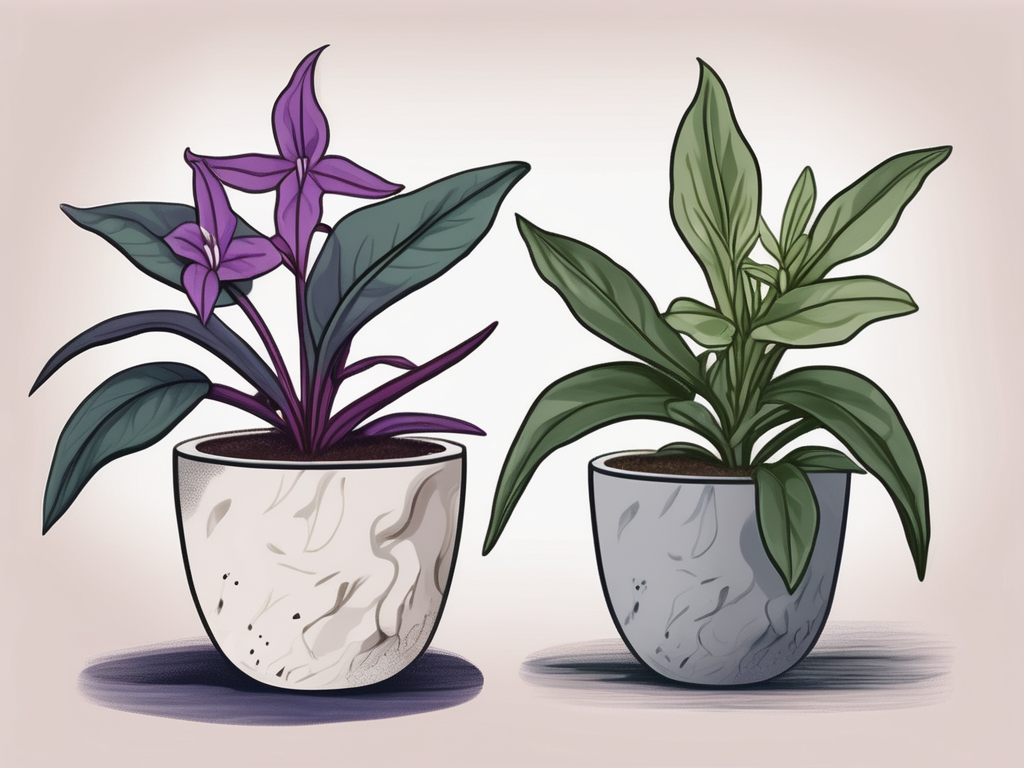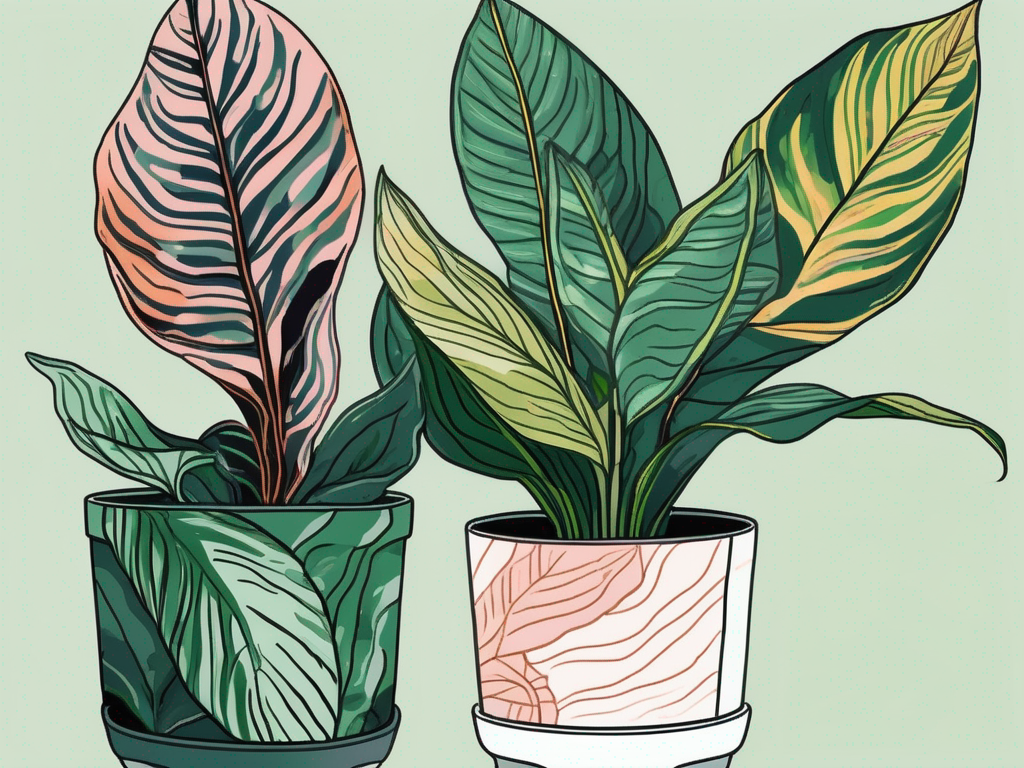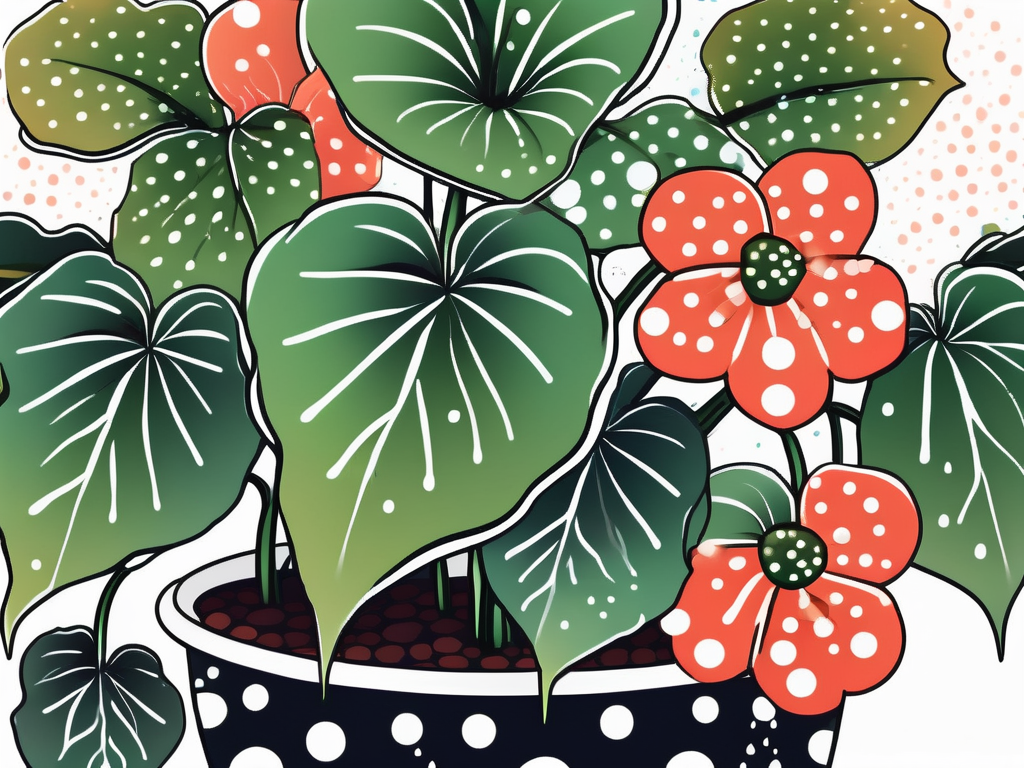
Polka Dot Begonias, with their striking spotted leaves and vibrant colors, make a captivating addition to any home. But like all houseplants, they have their quirks and preferences, especially when it comes to watering. If you're a plant lover eager to keep your Polka Dot Begonias thriving, understanding their watering needs is crucial.
In this article, we’ll guide you through the ins and outs of watering these charming plants. From recognizing the signs of overwatering to discovering the best watering techniques, we'll cover it all. So, grab your watering can, and let’s get started on this green journey!
Getting to Know Your Polka Dot Begonia
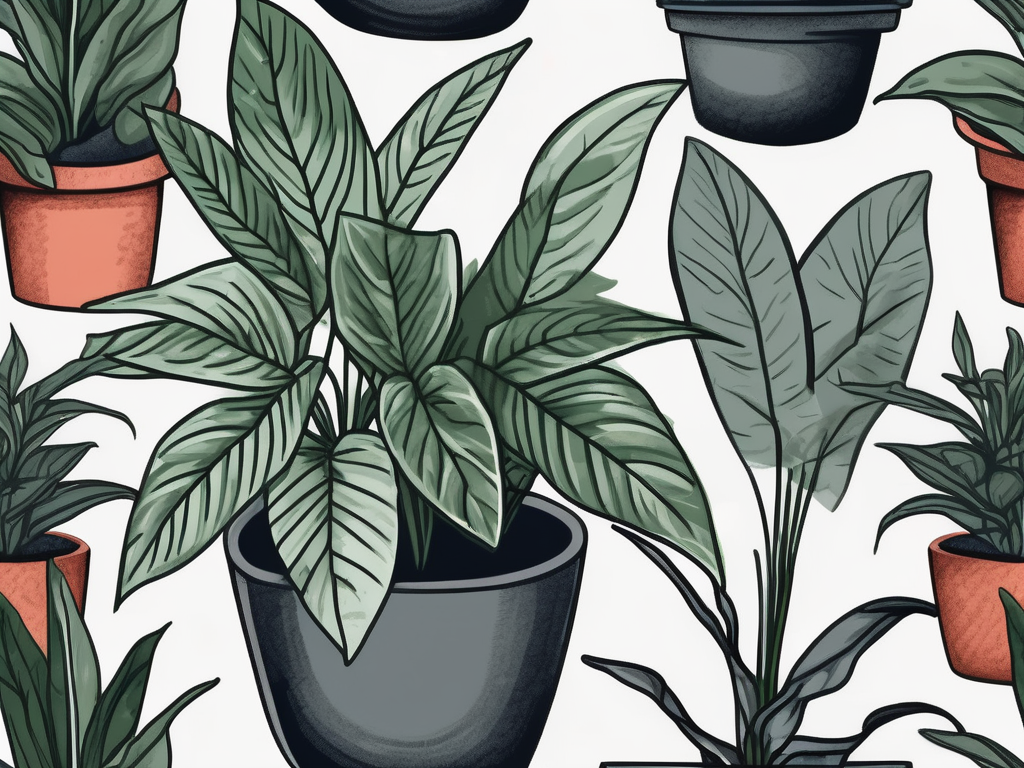
Before diving deep into watering specifics, it's important to understand what makes Polka Dot Begonias special. Officially known as Begonia maculata, these beauties are native to the tropical forests of Brazil. Their unique appearance, with polka-dotted leaves and red undersides, has made them a favorite among plant enthusiasts.
These plants thrive in environments that mimic their native habitat. They love humidity, dappled light, and well-draining soil. While they are fairly adaptable, paying attention to their specific needs will ensure they flourish in your home. The watering needs of Polka Dot Begonias are closely tied to their environment, so understanding the conditions they prefer will set the stage for successful care.
Interestingly enough, Polka Dot Begonias are more forgiving than some of their relatives, but they still require a bit of attention when it comes to moisture. Like people, each plant is unique, and what works for one might not be ideal for another. Keep an eye on your plant and adjust your care routine as needed. Remember, you're not alone in this; plant lovers everywhere are learning and adapting alongside you!
Recognizing the Right Soil and Pot
One of the first steps to mastering the art of watering your Polka Dot Begonia is choosing the right soil and pot. Both factors significantly impact how water moves and is retained within the plant's environment. So, let's break it down.
Polka Dot Begonias prefer soil that offers good drainage. A mix that's too dense will retain water, increasing the risk of root rot. A good potting mix might include peat moss, perlite, and some pine bark. These ingredients help create the airy, well-drained environment these plants adore.
As for pots, drainage holes are a must. Without them, excess water can accumulate at the bottom, which is a recipe for disaster. Terracotta pots are a great choice because they allow the soil to breathe and help wick moisture away from the roots. If you prefer decorative pots without holes, you can use them as outer containers, but be sure to place your plant in a pot with drainage inside.
It's also worth considering the pot size. A pot that's too large will hold more soil and, consequently, more water. This can lead to waterlogged conditions. Choose a pot that comfortably fits the root ball with a little room for growth. Your Begonia will thank you for it!
Understanding the Watering Needs
Now, let's talk about the heart of the matter: the watering itself. Polka Dot Begonias, like many other tropical plants, have specific needs when it comes to water. They thrive on a careful balance—too much or too little water can cause issues.
Typically, Polka Dot Begonias like their soil to be consistently moist but never soggy. This might sound tricky, but a good rule of thumb is to water when the top inch of the soil feels dry to the touch. During the growing season (spring and summer), you might find yourself watering more frequently, while in the dormant season (fall and winter), the need decreases.
Another trick is to lift the pot. If it feels light, it's probably time for a drink. On the other hand, if it's heavy, your plant likely has enough water. This tactile method can help you get in tune with your plant's watering rhythm.
Remember that environmental factors like humidity and temperature affect your plant's water needs. High humidity or cooler temperatures mean less frequent watering, while dry, warm conditions might require more attention. Keep an eye on the weather, and adjust your watering schedule accordingly.
Signs of Overwatering and Underwatering
One of the biggest challenges in plant care is finding that sweet spot between overwatering and underwatering. Knowing what to look for can help you identify and correct issues before they become problems.
Overwatering is often the most common mistake. Signs include yellowing leaves, wilting despite wet soil, and a musty odor around the plant. If you notice these symptoms, it's time to let the soil dry out. You might also want to check for root rot, which can occur when roots sit in water for too long.
On the flip side, underwatering presents its own set of challenges. If your Begonia's leaves turn brown and crispy, or if the plant seems to be shrinking away from you, it's likely thirsty. Rehydrating your plant gently and regularly can help it bounce back.
Pay attention to your plant's signals. Each one has its way of communicating what it needs. By observing changes in leaf color and texture, as well as overall growth patterns, you can adjust your care routine to better suit your plant's needs.
Watering Techniques and Tools
Let's get practical here. While it might seem straightforward, the way you water can make a big difference in how your plant absorbs moisture. Using the right techniques and tools can enhance your plant's health and appearance.
First, consider the type of water you use. Rainwater or distilled water is often a better choice than tap water, which may contain chemicals like chlorine that can be harsh on plants. If tap water is your only option, let it sit out overnight to allow some of the chemicals to evaporate.
When watering, aim to pour the water evenly around the base of the plant. This ensures that all roots have access to moisture. Avoid getting water on the leaves, as this can lead to fungal issues. A watering can with a long, narrow spout can help you reach the soil without splashing the foliage.
Another technique is bottom watering. Place the pot in a shallow dish of water, allowing the soil to absorb moisture through the drainage holes. This method can be particularly useful if your plant tends to dry out too quickly from the top. Just be sure to remove the plant from the dish once the soil is moist to prevent overwatering.
Creating the Right Environment
Watering isn't the only factor to consider when caring for Polka Dot Begonias. The environment you create plays a huge role in how well your plant thrives. Let's explore what makes an ideal home for these striking plants.
As we mentioned earlier, humidity is a friend to Polka Dot Begonias. If your home is on the dry side, consider using a humidifier or placing a tray of water near your plant to increase the moisture in the air. Grouping your plants can also help create a humid microclimate.
Lighting is another important aspect. These plants love bright, indirect light. Too much direct sunlight can scorch the leaves, while too little light can lead to leggy growth. Finding the right balance will support healthy growth and vibrant foliage.
Temperature matters too. Polka Dot Begonias prefer a warm environment, ideally between 65°F and 75°F. Avoid placing them near drafty windows or heating vents, as sudden temperature changes can stress the plant.
By creating a supportive environment, you're setting the stage for your Begonia to thrive. Remember, it's all about balance—providing the right amount of light, humidity, and warmth will complement your watering efforts beautifully.
Dealing with Pests and Fungal Issues
Even with perfect humidity and watering practices, sometimes pests and fungi find their way into your home. Knowing how to handle these uninvited guests will keep your Polka Dot Begonia looking its best.
Common pests include spider mites, aphids, and mealybugs. These critters can be managed with regular inspections and prompt action. A gentle spray of water can dislodge many pests, while insecticidal soap or neem oil can handle more stubborn infestations.
Fungal issues often stem from excess moisture on the leaves or poor air circulation. Powdery mildew and leaf spot are two common problems. Address these by ensuring good air flow around your plant and avoiding overhead watering. If you do spot fungus, removing affected leaves and using a fungicide can help.
Staying vigilant will go a long way in keeping your plant healthy. Regularly checking under leaves and around the soil surface can help you catch problems early and prevent them from spreading. Remember, a healthy plant is a strong plant, so maintaining good overall care will naturally reduce the risk of pests and fungi.
Incorporating Polka Dot Begonias into Interior Design
Beyond their care, Polka Dot Begonias are a stunning addition to any interior design scheme. Their unique foliage can add a pop of color and texture to your home. Let's explore some ideas for showcasing these beauties.
Consider placing your Begonia in a decorative pot that complements your room's color scheme. The contrast between the plant's vibrant leaves and a neutral pot can create a striking visual focal point. Alternatively, a colorful pot can highlight the plant's playful spots.
Hanging planters are another fun option, allowing the plant's leaves to cascade downwards. This setup can be especially effective in rooms with high ceilings or limited floor space. Just ensure that the plant still receives adequate light and isn't too far out of reach for watering.
Grouping Polka Dot Begonias with other plants can create a lush, layered look. Pair them with plants of varying heights and textures for a dynamic display. Just make sure all the plants in the group have similar care requirements to simplify your routine.
By thoughtfully incorporating your Polka Dot Begonia into your home decor, you can enjoy its beauty while also showcasing your personal style. Whether it's a bold statement piece or a subtle accent, this plant has the potential to transform your space.
Common Mistakes and How to Avoid Them
Even the most experienced plant parents make mistakes. The key is to learn from them and adjust your care routine accordingly. Let's look at some common pitfalls when it comes to watering Polka Dot Begonias and how to steer clear of them.
One frequent mistake is sticking to a rigid watering schedule. Plants are living things with changing needs. Instead of watering on a set day each week, pay attention to the soil and adjust based on how dry or moist it feels.
Using the wrong type of water is another issue. As mentioned earlier, tap water can contain chemicals that might harm your plant. If possible, opt for rainwater or distilled water to keep your Begonia happy and healthy.
Ignoring environmental factors can also lead to problems. Changes in light, temperature, and humidity all impact your plant's water needs. Be flexible and adjust your care routine as the seasons change or if there are shifts in your home's environment.
Lastly, don't be too hard on yourself. Plants are resilient, and most issues can be corrected with a little patience and care. By staying observant and responsive, you'll become more attuned to your plant's needs and better equipped to help it thrive.
Final Thoughts
Caring for Polka Dot Begonias involves understanding their unique watering needs and creating a nurturing environment. From choosing the right soil and pot to recognizing signs of overwatering and underwatering, each aspect plays a role in your plant's health and beauty.
At Cafe Planta, we believe that plants bring people together and inspire us to connect with nature. Whether you're just starting your plant journey or are a seasoned plant parent, we're here to help. If you have questions, feel free to email us or drop us a message on Instagram. Let's grow together!