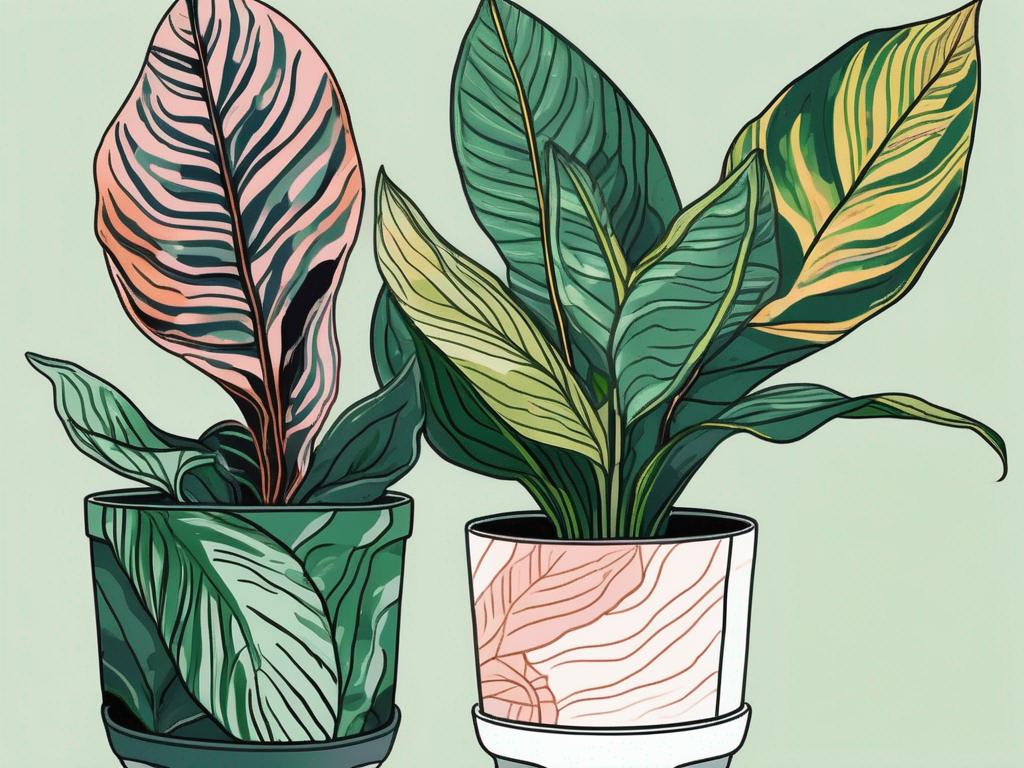
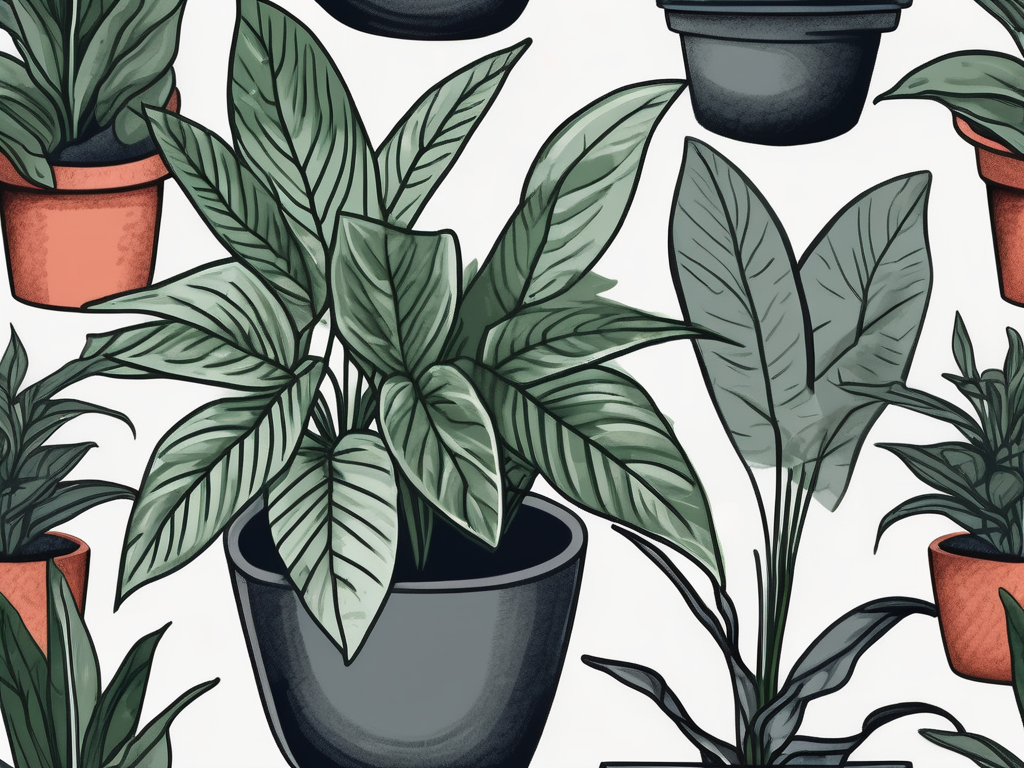
Velvet plants, with their soft and fuzzy leaves, are a favorite among plant lovers for their unique texture and striking appearance. Not only do they add a touch of elegance to any indoor space, but they also require a special watering routine to keep them thriving. Knowing how to water these beauties can be the difference between a flourishing plant and a droopy one.
In this guide, we'll cover everything you need to know about watering velvet plants. From understanding their specific needs to recognizing the signs of overwatering or underwatering, we'll explore each aspect thoroughly. By the end, you'll have the confidence to care for your velvet plants like a pro.
Understanding Velvet Plants' Watering Needs
Velvet plants, like many houseplants, have their own specific watering requirements. Their fuzzy leaves aren't just for show; they play a crucial role in how these plants absorb moisture. Unlike plants with smooth leaves, velvet plants can trap humidity, which helps them stay hydrated between waterings. This means they don't need as frequent watering as some other plants.
Interestingly enough, the fuzzy texture of velvet plants helps reduce water loss by minimizing evaporation. This adaptation is particularly helpful in drier environments, making these plants more forgiving if you forget to water them occasionally. However, they are not completely drought-tolerant. Regular and careful watering is still essential for their health.
Why is this important? Well, understanding the role of their fuzzy leaves helps you make informed decisions about their watering schedule. It's not just about quenching their thirst but also about maintaining the right balance of moisture in the soil and surroundings.
How Often Should You Water?
Determining the right watering frequency for velvet plants can be tricky, as it depends on several factors like temperature, humidity, and the plant's growth stage. Generally, it's a good idea to let the top inch of the soil dry out before watering again. This usually means watering them once every 7-10 days, but keep in mind that this is a guideline, not a rule.
- In warmer months, they might need water more frequently.
- During cooler months, you might find they need less water.
- If your home is particularly dry, consider misting the plant to increase humidity.
Remember, it's always better to underwater than overwater, as overwatering can lead to root rot—a velvet plant's arch-nemesis.
The Best Watering Techniques for Velvet Plants
Now that we know when to water, let's talk about how to water velvet plants properly. The technique you use can significantly impact the plant's health. The goal is to ensure the soil is evenly moist without becoming waterlogged.
Watering from Above
Watering from above is the most common method and should be done with a gentle hand. Here's how:
- Use a watering can with a narrow spout to direct the water precisely at the base of the plant.
- Pour water slowly, allowing it to soak into the soil gradually.
- Continue until you see water draining from the bottom of the pot.
This method ensures the roots get enough water, while excess water drains away, preventing root rot.
Bottom Watering
Bottom watering is another effective technique, especially for velvet plants. It encourages roots to grow deeper, making the plant more stable. Here's how you can do it:
- Fill a basin or sink with a few inches of water.
- Place the plant pot in the water, ensuring the water level is below the rim of the pot.
- Let the plant sit for about 15-20 minutes, allowing the soil to absorb moisture through the drainage holes.
- Remove the pot and let it drain thoroughly before placing it back in its spot.
This method is particularly useful if your plant's leaves are sensitive to water droplets, which can cause spotting or fungal issues.
Recognizing Overwatering and Underwatering
Even with the best intentions, it can be easy to overwater or underwater your velvet plants. Understanding the signs can help you adjust your watering routine before any damage becomes too severe.
Signs of Overwatering
Overwatering is one of the most common mistakes plant parents make. Here's what to look out for:
- Yellowing leaves: This is often one of the first signs of excess water.
- Wilting despite moist soil: If the soil is wet and the plant is still wilting, it's likely been overwatered.
- Root rot: A more serious issue, root rot can be identified by a musty smell and mushy roots.
If you suspect overwatering, reduce the frequency of watering and ensure your pot has adequate drainage.
Signs of Underwatering
On the other hand, underwatering can also stress your velvet plant. Here are some indicators:
- Crispy, dry leaf edges: This is a clear sign your plant is thirsty.
- Drooping leaves: Although similar to overwatering, check the soil's dryness before watering.
- Slow growth: If your plant isn't growing as expected, it might not be getting enough water.
To remedy underwatering, increase your watering frequency slightly and ensure the water reaches the root zone.
Choosing the Right Pot and Soil
Believe it or not, the type of pot and soil you choose can significantly influence your velvet plant's watering needs. Let's break down why these factors matter.
Picking the Perfect Pot
When it comes to pots, drainage is key. Here are some tips for selecting the right pot:
- Ensure the pot has drainage holes to allow excess water to escape.
- Consider using a porous material like terracotta, which helps wick away moisture.
- Avoid pots that are too large, as they can retain more water than the plant needs.
The right pot allows for proper air circulation and prevents water from sitting at the bottom, which can lead to root rot.
Selecting the Right Soil
The soil you use is just as important as the pot. Velvet plants thrive in well-draining soil that retains some moisture but doesn't become soggy. Consider these tips:
- Use a standard potting mix with added perlite or sand to improve drainage.
- Avoid heavy soils that retain too much water.
- Consider creating your own mix with equal parts potting soil, perlite, and peat moss for optimal conditions.
Good soil allows the roots to breathe and prevents waterlogging, helping your plant grow healthy and strong.
Adjusting Watering for Different Seasons
Velvet plants, like many houseplants, require different care as the seasons change. Understanding how to adjust your watering routine can make all the difference in keeping your plant healthy year-round.
Spring and Summer
During the warmer months, velvet plants tend to grow more actively and may need more frequent watering. Here's how to adjust:
- Check the soil more often, as it may dry out quickly in the heat.
- Water thoroughly, ensuring the soil is evenly moist.
- Consider increasing humidity around the plant by misting or using a humidity tray.
Remember, the plant is using more energy to grow, so it will naturally require more water during this time.
Fall and Winter
As temperatures drop, velvet plants enter a period of dormancy and require less water. Here's what to do:
- Reduce watering frequency, allowing the soil to dry out more between waterings.
- Avoid watering late in the day to prevent excess moisture from sitting overnight.
- Keep an eye on humidity levels, as indoor heating can dry out the air.
With less sunlight and cooler temperatures, the plant's growth slows, and its water needs decrease accordingly.
Using Humidity to Your Advantage
Velvet plants appreciate a bit of humidity, which can be particularly beneficial during drier months. While they don't need to be in a rainforest-like environment, a little extra moisture in the air can go a long way.
Tips for Increasing Humidity
Here are some simple ways to boost humidity around your velvet plants:
- Place a tray filled with water and pebbles under the plant pot. As the water evaporates, it increases the humidity around the plant.
- Group your plants together. This naturally raises humidity as they release moisture into the air.
- Use a humidifier in the room to maintain a steady level of humidity.
Keeping the humidity up not only benefits your velvet plants but can also be great for your other houseplants.
Common Mistakes and How to Avoid Them
Even experienced plant parents can make mistakes when it comes to watering velvet plants. Here are some common pitfalls to watch out for and how to avoid them:
Watering on a Strict Schedule
While it's good to have a general idea of when to water, sticking to a rigid schedule can lead to problems. Instead:
- Check the soil moisture regularly rather than watering on a set day.
- Use the finger test: Insert your finger an inch into the soil. If it's dry, it's time to water.
- Pay attention to your plant's signals, like drooping or discolored leaves, which indicate its needs.
Being flexible with your watering routine ensures you meet the plant's needs as they change.
Ignoring Drainage Needs
Proper drainage is crucial for velvet plants. Here's what you can do:
- Ensure your pot has drainage holes to prevent water from accumulating at the bottom.
- Use well-draining soil to allow excess water to escape easily.
- Avoid letting the plant sit in water for extended periods, which can lead to root rot.
By focusing on drainage, you can prevent many common issues that arise from overwatering.
Conclusion: Bringing It All Together
Caring for velvet plants can be a rewarding experience, especially when you understand their unique watering needs. By paying attention to factors like pot and soil selection, seasonal adjustments, and humidity levels, you're well on your way to becoming a confident velvet plant parent.
At Cafe Planta, we love helping fellow plant lovers nurture their green companions. Whether you're a seasoned plant parent or just beginning your journey, we're here to support you every step of the way. If you have any questions, feel free to email us or send us a message on Instagram. Let's keep growing together!