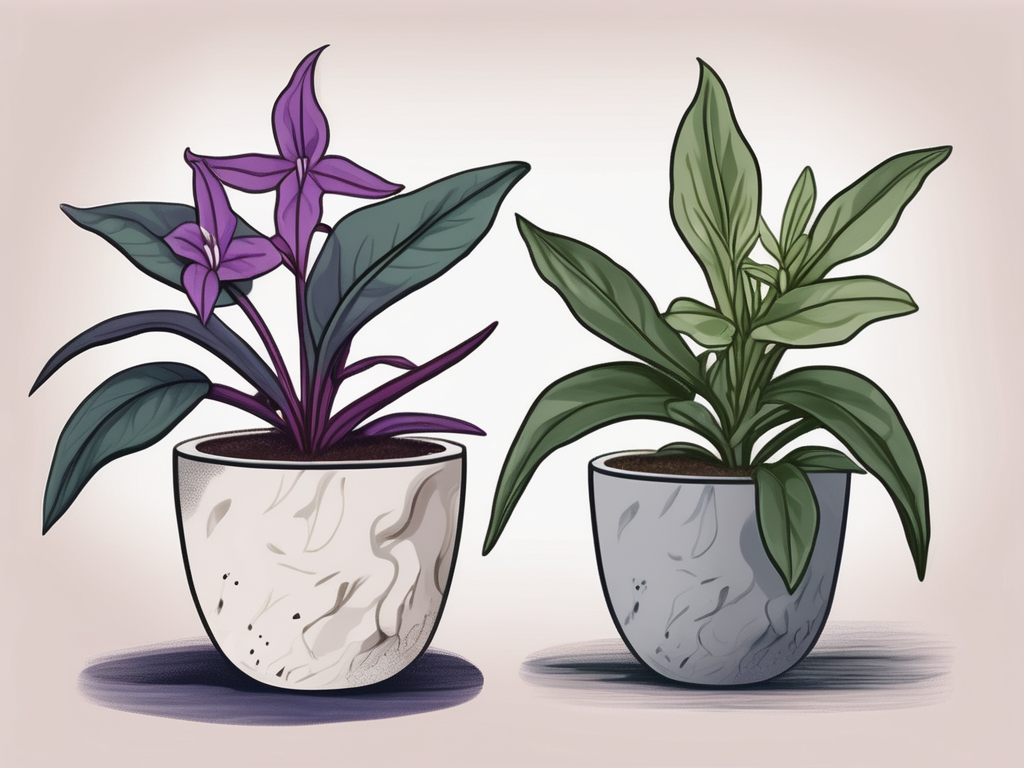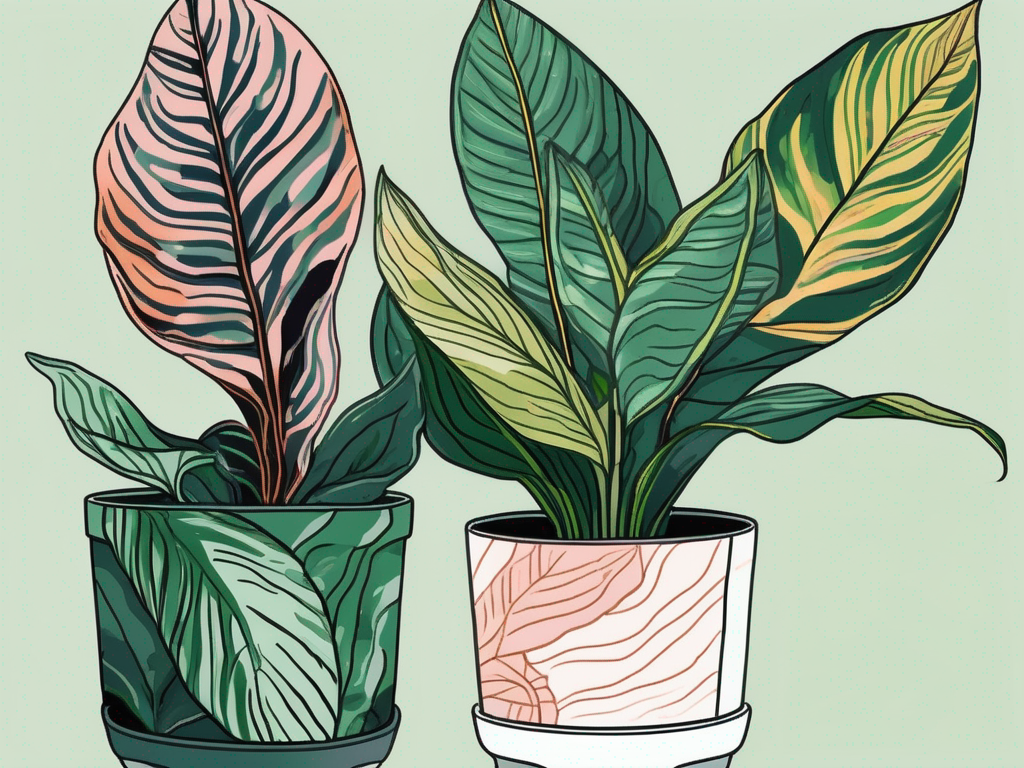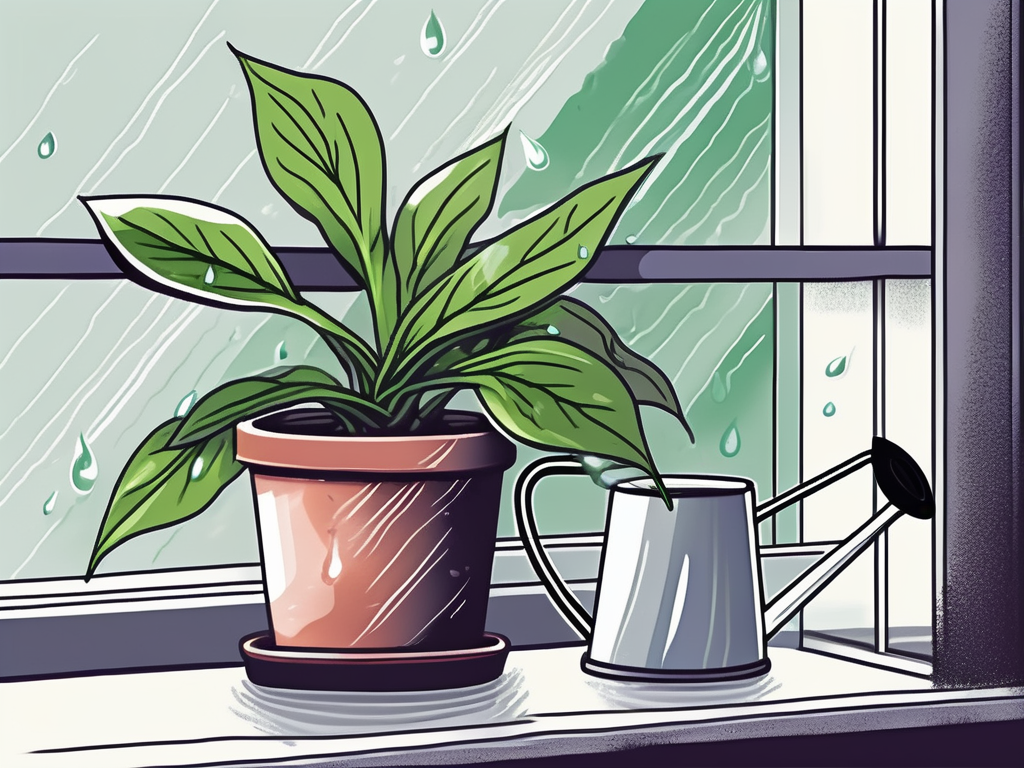
If you have a Wandering Jew plant, or perhaps several, you're in for a treat. These vibrant and easy-to-care-for plants can add a splash of color to any room. With their stunning purple and silver leaves, they're a favorite among plant people everywhere. But as with any plant, the secret to keeping them happy and healthy often lies in how you water them.
In this post, we're going to talk about everything you need to know about watering your Wandering Jew plant. From understanding its natural habitat to recognizing the signs of overwatering, we’ll break it all down. Whether you're a seasoned plant parent or just getting started, there’s something here for everyone.
Understanding the Wandering Jew Plant's Natural Habitat
Before diving into the specifics of watering, it's helpful to get a sense of where Wandering Jew plants come from. Native to Central and South America, these plants thrive in warm, humid environments. They’re often found in areas that receive dappled sunlight, which means they’re used to bright but indirect light. Understanding this background gives us clues about their watering needs.
In their natural setting, Wandering Jew plants receive frequent rainfall. However, the soil they grow in is well-draining, preventing water from sitting around their roots for too long. This combination of moisture with quick drainage is key to their flourishing growth. So, when we think about watering them at home, replicating these conditions is the goal.
Interestingly enough, these plants have adapted to survive short dry spells. This resilience makes them forgiving to occasional forgetfulness, but regular care will keep them at their best. Keeping their origins in mind helps us better understand how to provide for them at home.
Choosing the Right Pot and Soil
Let’s chat about the foundation of any plant’s health: its pot and soil. A well-chosen pot and the right soil mix can make a world of difference in how your Wandering Jew absorbs water.
First up, the pot. Choose one with drainage holes. This allows excess water to escape, preventing root rot, which is a common issue if the plant sits in waterlogged soil. Terra cotta pots are a good choice because they’re porous and allow the soil to dry out faster, but any pot with good drainage will work.
Now, onto the soil. Wandering Jew plants prefer a potting mix that retains some moisture but drains well. A standard indoor potting mix can work if you amend it with a bit of perlite or sand to increase drainage. You can also add some orchid bark for aeration. The goal is a light, fluffy mix that lets water flow through easily.
- Tip 1: Consider adding a layer of pebbles at the bottom of your pot for extra drainage.
- Tip 2: Avoid heavy, clay-based soils, which can retain too much water.
- Tip 3: Refresh your soil mix every year to ensure it doesn’t compact too much over time.
How Often to Water Your Wandering Jew
One of the most common questions plant parents ask is, "How often should I water my Wandering Jew?" The answer, as with many houseplants, isn't one-size-fits-all. It depends on several factors, including the plant's environment and the time of year.
During the growing season (spring and summer), your plant will be a bit thirstier. A good rule of thumb is to water when the top inch of soil feels dry to the touch. This generally means watering every 7-10 days, but always check the soil before reaching for the watering can. In fall and winter, as the plant’s growth slows, you can reduce watering to every 10-14 days.
Of course, other factors like temperature, humidity, and light levels can influence how quickly the soil dries out. If your plant is in a warmer spot or near a heat source, it might need water more often. Conversely, a cooler, dimly lit area means less frequent watering.
Signs Your Plant Needs Water
Plants can’t talk, but they sure can communicate! Wandering Jew plants will show you when they’re thirsty if you know what to look for.
One of the most obvious signs is wilting. If the leaves start to droop, it’s often a sign that the plant is thirsty. The leaves may also become less vibrant and crisp to the touch. In severe cases, the edges of the leaves might turn brown.
Another clue is the soil itself. If it’s pulling away from the edges of the pot, it's a good indicator that the soil is too dry. Remember, the top inch or so should feel dry before watering, but the soil beneath should retain some moisture.
Regularly checking your plant and its soil will help you get to know its specific needs. With time, you’ll develop a knack for knowing just when it needs a drink.
Recognizing and Preventing Overwatering
While it’s important to keep your plant hydrated, overwatering can be just as harmful, if not more so. Wandering Jews are particularly susceptible to root rot, a common result of too much water.
Signs of overwatering include yellowing leaves, mushy stems, and, in serious cases, a rotting smell from the soil. If you notice these signs, it’s crucial to act quickly. Remove the plant from its pot and check the roots. Healthy roots are white and firm, while rotting roots are brown and mushy.
To prevent overwatering, always check the soil moisture before watering. Use a moisture meter if you’re unsure, or simply stick your finger into the soil. Water only when the top inch is dry. Remember, it’s better to underwater slightly than overwater.
- Tip 1: Use pots with drainage holes.
- Tip 2: Ensure the potting mix is well-draining.
- Tip 3: Reduce watering frequency in the cooler months.
Adjusting Watering for Different Seasons
As mentioned earlier, the seasons play a significant role in how often you should water your Wandering Jew. These plants grow more actively during spring and summer, which means they use up water more quickly.
During these warmer months, aim to water more frequently, but always check the soil first. You might find yourself watering every week or so, depending on your indoor climate.
In the fall and winter, when the plant’s growth slows, you can cut back on watering. The soil will stay moist longer, so you may only need to water every two weeks or even less. This seasonal adjustment helps mimic the plant’s natural habitat and keeps it healthy year-round.
Pay attention to the plant's behavior as well. If you notice it wilting more often in summer or developing yellow leaves in winter, it might be time to adjust your watering routine again.
The Role of Humidity
The Wandering Jew is a tropical plant, so it naturally loves humidity. If you live in a dry climate, you might need to take extra steps to ensure your plant gets enough moisture.
One simple way to increase humidity around your plant is by misting it regularly. Another option is to place a tray of water with pebbles beneath or near the plant. As the water evaporates, it creates a more humid environment.
For those with multiple plants, grouping them together can also help create a microclimate with higher humidity. If you're really committed, a small humidifier can do wonders, especially during the dry winter months.
Keep in mind that while Wandering Jew plants love humidity, they don’t love being soggy. So, ensure that the soil itself is drying out between waterings, even if the air around it is moist.
Water Quality Considerations
It might surprise you, but the type of water you use can affect your Wandering Jew plant. Some tap water contains chemicals like chlorine and fluoride, which can be harmful over time.
If possible, use filtered or distilled water. This is especially important if you notice leaf browning or other signs of distress. Rainwater is also a great option if you can collect it.
If tap water is your only option, let it sit out overnight before using it. This allows some of the chemicals to dissipate. Pay attention to how your plant responds to different water types, and adjust if needed.
Conclusion
With the right care, your Wandering Jew plant can thrive and bring beautiful color and life to your home. Remember the basics: choose a pot with good drainage, use a suitable soil mix, water when the top inch of soil is dry, and adjust for seasonal changes. Watch for signs of over or under-watering, and consider the quality of water you use.
At Cafe Planta, we love sharing tips and helping plant lovers create thriving indoor jungles. If you have questions or need advice, feel free to email us or send a DM on Instagram. We're here to help you connect with nature and expand your plant collection, one leaf at a time.