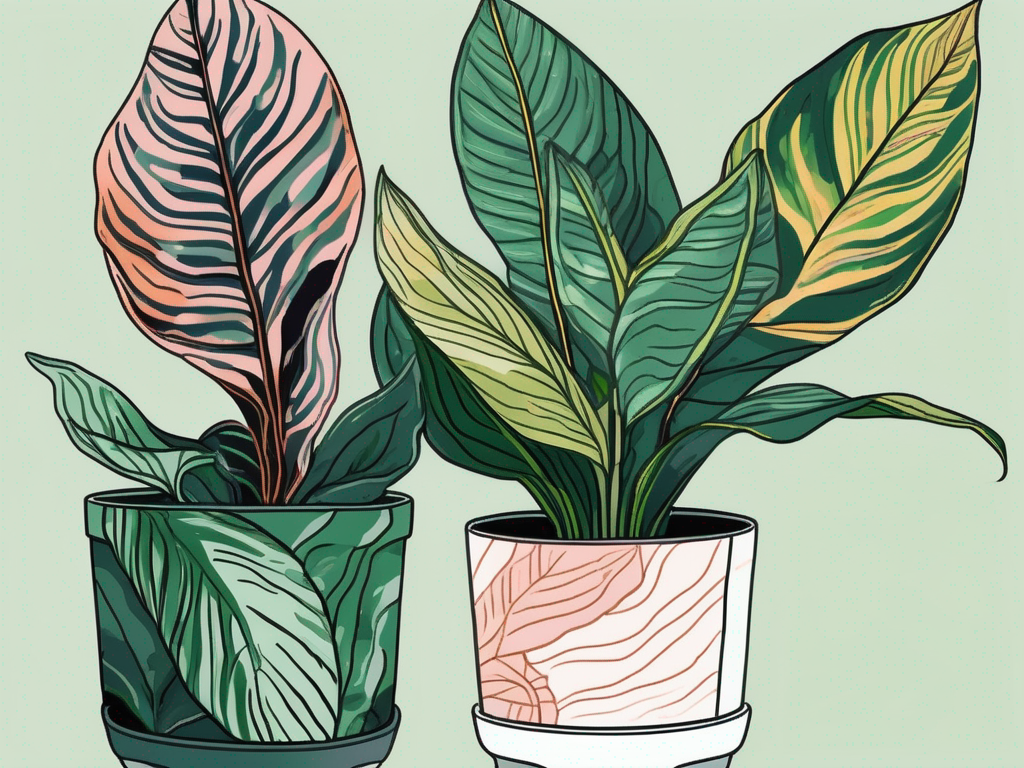
Ah, the Prayer Plant! With its vibrant leaves that seem to fold up in prayer at night, it's no wonder why so many plant lovers are drawn to it. However, like any cherished houseplant, keeping it happy requires knowing the ins and outs of its care, especially when it comes to watering.
In this post, we'll dive into everything you need to know about watering your Prayer Plant effectively. From understanding its unique needs to practical tips and troubleshooting, by the end, you'll be well-equipped to keep your plant thriving.
Understanding the Natural Habitat of Prayer Plants
Prayer Plants hail from the tropical regions of Central and South America. In the wild, these plants thrive in warm, humid environments under the cover of dense forest canopies. This natural habitat gives us clues about their watering needs.
In these tropical forests, water is abundant, but it's not always delivered in the form of heavy rain. Instead, the forest floor stays consistently moist, with humidity levels remaining high. This means that while Prayer Plants love moisture, they don't enjoy having their roots submerged in water. Think of it as the difference between a relaxing spa day and being caught in a torrential downpour.
Interestingly enough, the Prayer Plant's leaves also give us a hint about its water needs. The way they fold up at night helps the plant conserve moisture. During the day, they open wide to absorb as much light as possible. This daily dance is a beautiful reminder of the plant's adaptability and its need for a balance of moisture and light.
Identifying When Your Prayer Plant Needs Water
One of the most common questions from plant parents is, "How do I know when to water my Prayer Plant?" It's a great question because watering schedules can be tricky. The key is to listen to what your plant is telling you.
Here are some signs that your Prayer Plant might be thirsty:
- Droopy leaves: If the leaves are sagging, it's a clear signal that your plant is in need of water.
- Dry soil: Stick your finger about an inch deep into the soil. If it feels dry, it’s probably time to water.
- Leaf curling: Leaves that are curling more than their usual nightly routine could indicate a lack of moisture.
On the other hand, if you're seeing yellowing leaves or a mushy stem, it might mean you're over-watering. Striking the right balance is essential, and it’s all about paying attention to your plant's cues.
Creating an Effective Watering Schedule
Now that we know how to identify a thirsty Prayer Plant, the next step is setting up a watering schedule. But remember, no two plants are the same, and factors like light, temperature, and humidity all play a role.
As a general rule of thumb, watering once every 1-2 weeks is a good starting point. However, this can vary based on environmental conditions. During warmer months, you might find your plant needs water more frequently, while in cooler months, less often.
Here's a simple way to create a customized schedule:
- Check the soil moisture level regularly.
- Observe how long it takes for the soil to dry out.
- Adjust the frequency based on seasonal changes.
Remember, the goal is to keep the soil consistently moist but not waterlogged. It's better to err on the side of less water and increase as needed.
The Best Watering Techniques
Watering isn't just about quantity; it's also about technique. How you water can make a significant difference in your plant's health.
Watering from the Top
This is the most common method. Simply pour water onto the soil until you see it draining out of the bottom of the pot. This ensures the roots get enough moisture without sitting in water.
Bottom Watering
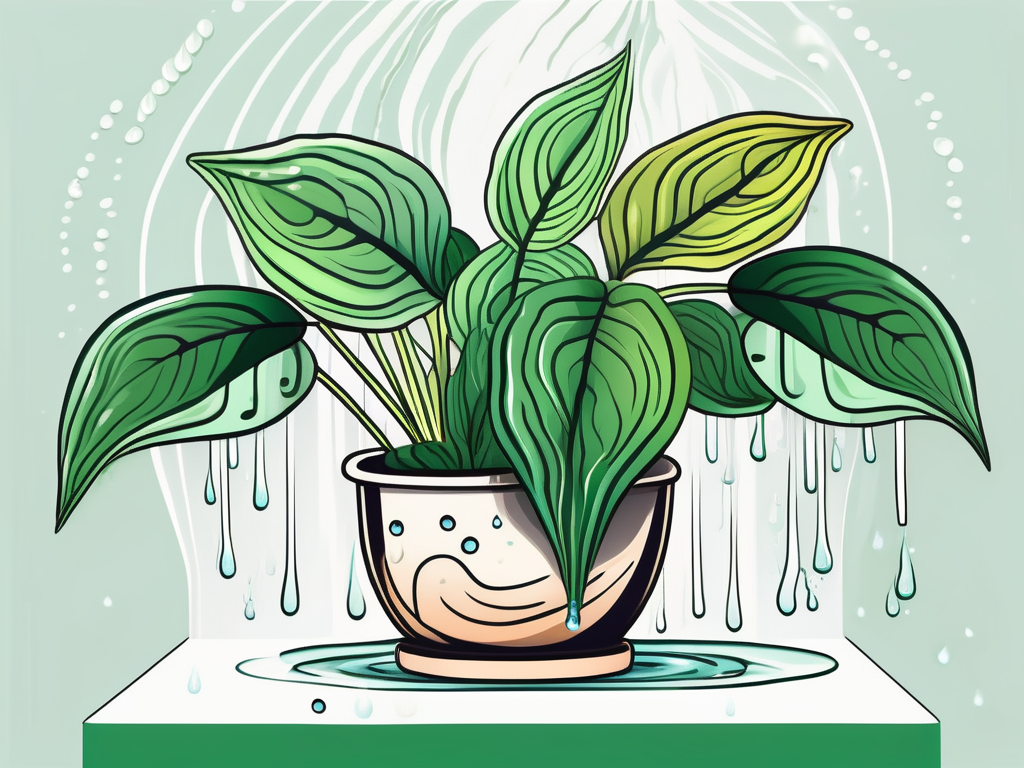
For those who struggle with over-watering, bottom watering can be a game-changer. Place your plant pot in a larger container of water and let it sit for about 20-30 minutes. The soil will absorb what it needs through the drainage holes, reducing the risk of over-saturation.
Using Filtered or Distilled Water
Prayer Plants can be sensitive to chemicals found in tap water, like chlorine and fluoride. If you notice brown tips on your plant's leaves, it might be worth trying filtered or distilled water. This small change can often lead to healthier, happier plants.
Choosing the Right Pot and Soil
The pot and soil you choose play a huge role in your Prayer Plant's watering needs. Let's break down what to look for.
Choosing the Right Pot
Opt for a pot with drainage holes. This prevents water from sitting at the bottom, which could lead to root rot. Additionally, consider using a pot made from breathable materials like terracotta. These help wick away excess moisture, keeping the roots happy.
Selecting the Right Soil
Prayer Plants thrive in a well-draining potting mix. A mix that includes peat moss, perlite, and a bit of orchid bark is ideal. This combination retains moisture without compacting, allowing roots to breathe.
When repotting, ensure the new pot isn't too large. A pot that's too big can hold more soil and, therefore, more water, increasing the risk of over-watering.
Adjusting for Seasonal Changes
Just like us, Prayer Plants have different needs in different seasons. Being aware of these changes can help you adjust your watering practices.
Spring and Summer
During these warmer months, your Prayer Plant is in its growing phase. You'll likely find it needs more frequent watering. The increased light and temperature cause the soil to dry out faster.
Fall and Winter
As growth slows, so does the need for water. It's crucial to avoid over-watering during these cooler months. Keep an eye on the soil moisture and adjust your schedule accordingly. Sometimes, it might mean watering every 2-3 weeks instead of weekly.
It's also a good idea to monitor indoor humidity levels, especially in winter when heating can dry out the air. Consider using a humidifier or placing a tray of water near your plant to maintain moisture.
Common Watering Mistakes and How to Avoid Them
Even the most experienced plant parent can make mistakes. Here are some common watering pitfalls and how to sidestep them.
Over-watering
This is the most common mistake. Remember, soggy soil is a no-go. If you've over-watered, let the soil dry out completely before watering again. Consider repotting if the soil doesn't dry out quickly enough.
Under-watering
On the flip side, under-watering can also be a problem. If your plant looks droopy or the soil is pulling away from the edges of the pot, it might be time for a good soak.
Inconsistent Watering
Plants thrive on routine. Try to water on a consistent schedule rather than erratically. Predictable watering helps your plant settle into a healthy growth pattern.
Signs of Watering Distress in Prayer Plants
How can you tell if your Prayer Plant is stressed from improper watering? Here are some signs to watch for.
Yellowing Leaves
This could be a sign of both over-watering and under-watering. Check the soil moisture to determine the cause.
Brown Tips or Edges
If you see this, it might be due to using tap water with chlorine or fluoride. Switching to filtered water could resolve this.
Root Rot
If your plant starts to wilt and the soil is constantly wet, you might be dealing with root rot. In this case, it's best to repot the plant in fresh soil and trim away any rotten roots.
Watering Tools and Accessories
Having the right tools can make watering more efficient and enjoyable. Here are a few that can help:
- Moisture Meter: This handy tool measures the moisture level in the soil, taking the guesswork out of watering.
- Watering Can with a Long Spout: A long spout allows for more precise watering, especially for plants with dense foliage.
- Self-Watering Pots: These pots can be a lifesaver if you're prone to over- or under-watering. They provide a consistent water supply to the plant.
Investing in these tools can make your plant-care routine smoother and more enjoyable.
Final Thoughts
Watering your Prayer Plant doesn't have to be a guessing game. By understanding its natural habitat, recognizing signs of thirst, and setting a consistent schedule, you'll be well on your way to keeping your plant healthy and vibrant.
At Cafe Planta, we love helping plant people connect with nature. We offer a wide range of houseplants and accessories to suit every plant parent's needs. If you have questions or need advice, don't hesitate to email us or reach out on Instagram. Let's keep your plants thriving together!