Houseplant gnats—those tiny, pesky flies that seem to appear out of nowhere—can be a real nuisance for plant lovers. They might be small, but they can cause quite a stir in your indoor garden. Luckily, there are effective ways to tackle these unwelcome guests and keep your plants healthy and thriving.
In this post, we’ll look at the best methods to evict gnats from your home. From identifying the problem to using natural remedies and preventive measures, you’ll find everything you need to know. Let’s get started on creating a gnat-free oasis for you and your beloved plants.
What Are Houseplant Gnats?
Before you can get rid of these unwanted visitors, it’s helpful to understand what you’re dealing with. Houseplant gnats, also known as fungus gnats, are small flies that thrive in moist soil. They’re often mistaken for fruit flies due to their similar appearance, but their lifestyle and preferences are quite different.
These gnats lay their eggs in the damp soil of your houseplants. The larvae feed on organic matter in the soil, sometimes causing damage to the plant roots. While adult gnats are mostly harmless to plants, the larvae can pose a threat if their population gets out of hand.
So, how do you know if your home has become a hotspot for these little critters? Look for adult gnats flying around your plants or notice an increase in their numbers around windows and lights. If you see tiny, worm-like larvae in the soil, you’ve got a confirmed case of fungus gnats.
Causes of Gnat Infestation
Understanding why gnats appear can help you prevent them in the future. The most common cause of gnat infestation is overwatering. Gnats love wet, soggy soil because it provides the perfect environment for their eggs to hatch and larvae to thrive.
Other factors that contribute to gnat infestations include:
- Improper drainage: If your plant pots don’t have adequate drainage, water can accumulate at the bottom, creating a damp environment ideal for gnats.
- Organic-rich soil: Soil that’s rich in organic matter can attract gnats, as they feed on decaying plant material.
- Bringing plants indoors: Sometimes, you might unknowingly bring gnats indoors with new plants or fresh potting soil.
Addressing these issues is a good first step in both treating and preventing gnat infestations. Now, let’s move on to the most effective ways to get rid of them.
Natural Remedies to Eliminate Gnats
If you’re looking for a natural way to tackle gnats, you’ve got several options that are both effective and environmentally friendly. Here are some tried-and-true methods:
Sticky Traps
Sticky traps are a straightforward solution to capture adult gnats. You can find these traps at most garden centers or make your own by cutting yellow paper into small pieces and coating them with a bit of honey or petroleum jelly. Place these traps near your plants to catch gnats as they fly around.
Apple Cider Vinegar Trap
This method uses a simple mixture that gnats find irresistible. Fill a small bowl with apple cider vinegar, add a few drops of dish soap, and cover it with plastic wrap. Poke small holes in the plastic wrap. The gnats will be attracted to the vinegar, crawl through the holes, and get trapped in the liquid.
Cinnamon
Cinnamon is a natural fungicide that can help eliminate the fungus in soil that gnats feed on. Sprinkle a light layer of cinnamon on the soil surface. It won’t harm your plants, but it can deter gnats from laying eggs in the soil.
Using Beneficial Nematodes
Beneficial nematodes are microscopic creatures that can be a plant parent’s secret weapon against gnats. These tiny organisms naturally occur in the soil and target the larvae of fungus gnats, effectively reducing their population.
Here’s how you can use nematodes to your advantage:
- Purchase the right type: You’ll need to buy nematodes that specifically target fungus gnat larvae. They’re usually available online or at garden centers.
- Apply them properly: Follow the instructions on the package. Typically, you’ll mix them with water and apply the solution to the soil of affected plants.
- Monitor the results: Within a week or so, you should notice a reduction in the gnat population as the nematodes get to work.
Nematodes are a great option if you’re looking for a natural, long-term solution to a gnat problem.
Soil Drying Techniques
Since gnats thrive in moist soil, one of the simplest ways to manage them is by adjusting your watering habits. By allowing the soil to dry out a bit more between waterings, you can make it less hospitable for gnats to lay their eggs.
How to Let Soil Dry Properly
Here’s a step-by-step approach to drying your plant’s soil:
- Assess the moisture level: Stick your finger into the soil about an inch deep. If it feels wet, wait a few days before watering.
- Improve air circulation: Consider moving your plants to a location with better airflow. This can help the soil dry faster.
- Use a fan: Placing a small fan near your plants can speed up the drying process and deter gnats from sticking around.
Remember, while it’s important to let the soil dry out, you don’t want to stress your plants by underwatering. Aim for a healthy balance.
Repotting and Soil Replacement
If gnats have taken up residence in your plant’s soil, sometimes a fresh start is the best course of action. Repotting your plant with fresh soil can eliminate gnat eggs and larvae, giving you a clean slate.
Steps to Repot and Replace Soil
Here’s how you can repot your plant effectively:
- Choose the right soil: Opt for a well-draining soil mix to prevent future moisture issues.
- Remove the plant carefully: Gently take your plant out of its pot and shake off as much of the old soil as possible.
- Inspect the roots: Check for any sign of damage or rot. Trim away any unhealthy roots with clean scissors.
- Repot with fresh soil: Place the plant in a clean pot with fresh soil, ensuring it’s at the same depth it was before.
Repotting can be a bit of a project, but it’s worth the effort if it helps you get rid of gnats once and for all.
Using Insecticidal Soap
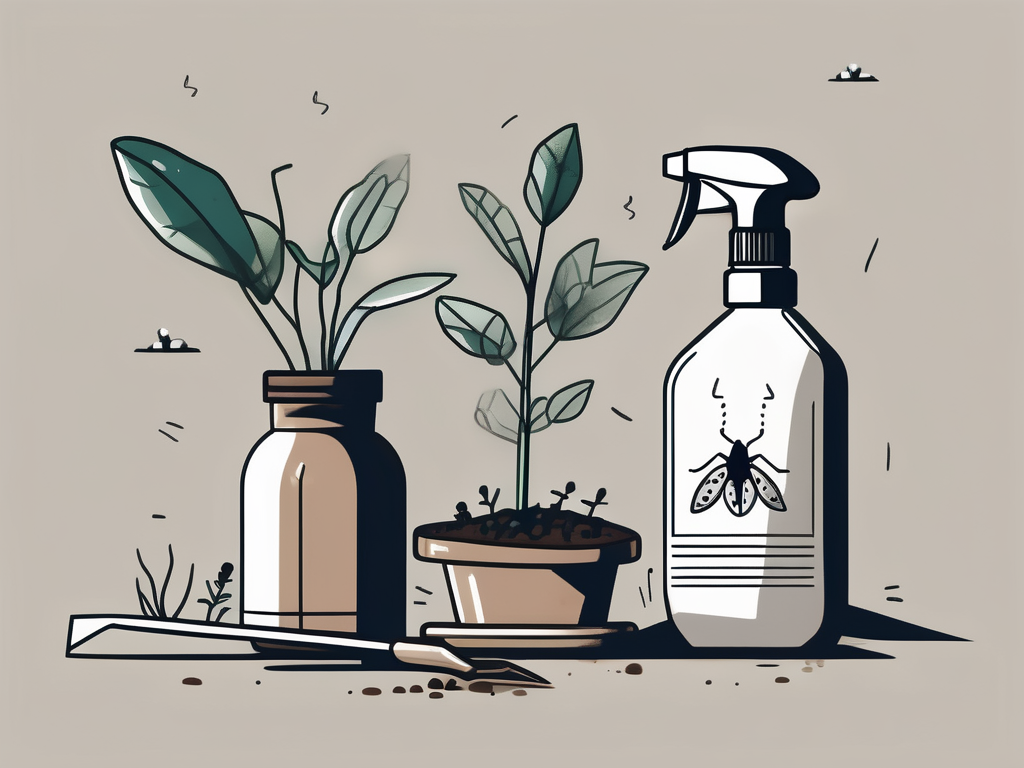
For a more direct approach, insecticidal soap can be an effective tool in your gnat-fighting arsenal. It’s a safe option for most houseplants and can help eliminate adult gnats and larvae.
How to Use Insecticidal Soap
Follow these steps to use insecticidal soap properly:
- Choose the right product: Ensure the soap is labeled for use on houseplants and safe for indoor use.
- Apply to affected areas: Spray the soap directly onto the soil and any visible larvae. You can also treat the leaves if you see adult gnats.
- Repeat as necessary: You might need to reapply the soap every few days until you see a reduction in gnat numbers.
Insecticidal soap is a good choice if you’re looking for a quick and effective way to address a gnat problem.
Preventing Future Gnat Infestations
Once you’ve taken care of the gnat problem, you’ll want to take steps to prevent them from coming back. Prevention is always easier than treatment, and there are a few simple strategies you can adopt to keep gnats at bay.
Prevention Tips
- Avoid overwatering: Let the top inch of soil dry out between waterings to prevent a damp environment.
- Improve drainage: Ensure your pots have drainage holes and use well-draining soil to prevent water logging.
- Quarantine new plants: Isolate new plants for a week or two to ensure they don’t bring gnats or other pests into your home.
- Regularly inspect your plants: Keep an eye out for signs of gnats and address any issues promptly.
By following these tips, you can enjoy a gnat-free home and keep your plants healthy and happy.
Final Thoughts
Getting rid of houseplant gnats doesn’t have to be a daunting task. With the right approach and a bit of patience, you can successfully evict these pesky pests from your home. Whether you opt for natural remedies, soil drying techniques, or repotting, there’s a solution that will work for you and your plants.
At Cafe Planta, we’re all about helping you care for your plants and creating beautiful, thriving indoor gardens. If you have any questions or need advice, feel free to email us or send a message via Instagram. We’re excited to connect with you and support your plant journey!