Are you a plant lover seeking to elevate your Hoya's health and beauty? Hoyas, with their waxy leaves and stunning blooms, have captured the hearts of many plant people. However, crafting the ideal soil mix for these charming plants can be a bit of a puzzle.
In this article, we'll guide you through creating the ultimate soil recipe for Hoyas. From understanding the specific needs of these plants to selecting the right ingredients, we'll cover everything you need to know to keep your Hoyas thriving. Let's get started!
Understanding Hoya Needs
Before diving into soil recipes, it's essential to grasp what Hoyas love. These tropical plants are epiphytes, which means they naturally grow on trees and absorb nutrients from the air and rainwater. This unique lifestyle influences their soil preferences when grown indoors.
Hoyas thrive in well-draining soil that mimics their natural habitat. They dislike sitting in waterlogged conditions, which can lead to root rot. So, we're looking for a mix that allows excess water to escape while retaining enough moisture for the plant's needs. Achieving this balance is the key to a healthy Hoya.
Think of it like Goldilocks searching for the perfect porridge—not too dry, not too wet, but just right. With this understanding, we can now move on to creating the perfect soil mix.
The Basics of a Good Hoya Soil Mix
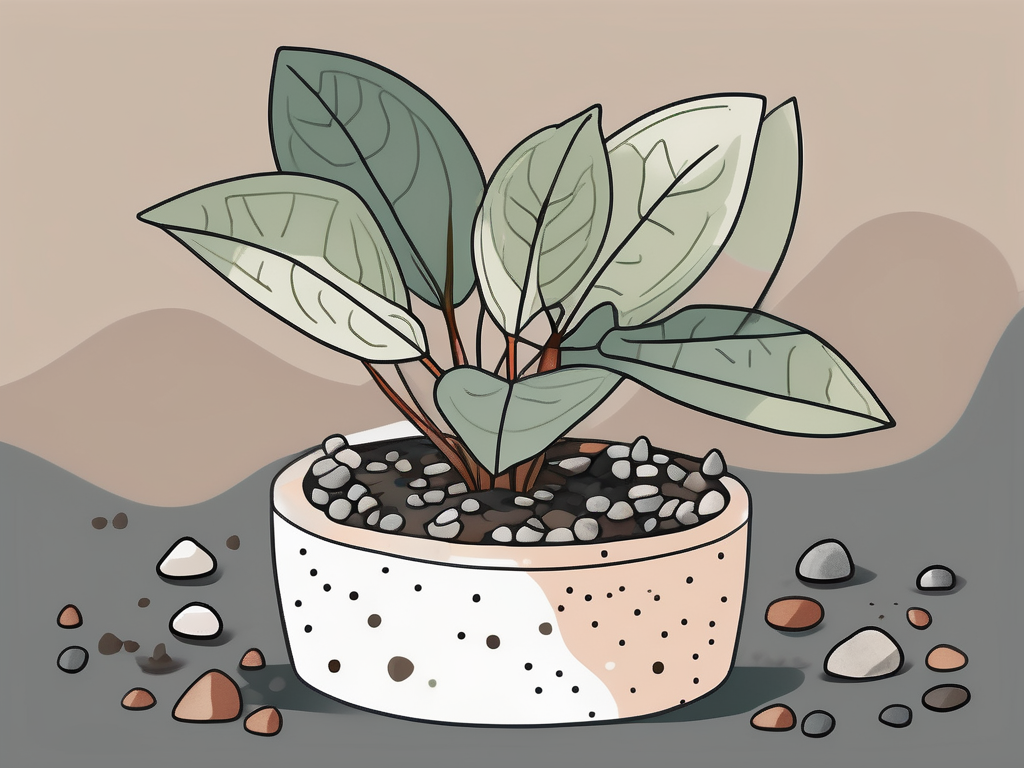
Alright, let's get our hands dirty! A good Hoya soil mix should consist of three main components: organic matter, aerating materials, and moisture-retaining elements. Each component plays a crucial role in ensuring your Hoya's roots have the optimal environment to grow.
- Organic Matter: This is the base of your soil mix, providing nutrients and structure. You can use peat moss, coco coir, or a high-quality potting mix as your organic base.
- Aerating Materials: These help keep the soil light and airy, preventing compaction. Perlite, pumice, or orchid bark are excellent choices for this. They allow air to circulate around the roots, mimicking the plant's natural epiphytic environment.
- Moisture-Retaining Elements: While Hoyas don't like soggy soil, they still need some moisture retention. Vermiculite or sphagnum moss can help with this, holding onto just the right amount of water for the roots to access.
By combining these components in the right proportions, you'll create a soil mix that allows your Hoyas to thrive. Now, let's break it down into specific recipes!
Recipe 1: Classic Hoya Soil Mix
For those who prefer a tried-and-true approach, the classic Hoya soil mix is a great choice. This recipe balances drainage and moisture retention, providing a solid foundation for healthy growth.
Here's what you'll need:
- 2 parts peat moss or coco coir
- 1 part perlite
- 1 part orchid bark
- 1 part vermiculite
Mix these ingredients thoroughly in a large container, ensuring an even distribution. This blend offers excellent aeration and drainage, while the vermiculite provides just enough moisture retention to keep your Hoyas happy.
Now, a little side note: peat moss is a popular choice for its nutrient content, but if you're environmentally conscious, consider using coco coir. It's a sustainable alternative that offers similar benefits without depleting natural peat bogs.
Recipe 2: Organic Hoya Soil Mix
If you're all about organic gardening, this soil mix is for you. It skips synthetic fertilizers and focuses on natural components to nourish your Hoyas.
Gather these ingredients:
- 2 parts coco coir
- 1 part pumice
- 1 part worm castings
- 1 part compost
This mix provides an organic base with coco coir, which is both environmentally friendly and moisture-retentive. Pumice ensures aeration, while worm castings and compost add nutrients. Your Hoya will love this natural concoction!
Remember, organic mixes may require more frequent repotting or fertilizing as the nutrients deplete over time. Don't worry, though—it's a small price to pay for happy, healthy plants.
Recipe 3: Lightweight Hoya Soil Mix
If you prefer a lightweight option that's easy to handle and great for hanging baskets, this mix is for you. It's perfect for those stunning Hoya vines cascading down from a high perch.
Here's what you'll need:
- 2 parts coco coir
- 1 part perlite
- 1 part orchid bark
- 1 part sphagnum moss
This mix prioritizes lightness and aeration, making it ideal for hanging plants that need to stay light and airy. The coco coir and sphagnum moss hold moisture without becoming heavy, ensuring your Hoyas thrive while looking fabulous.
Hanging baskets are a fantastic way to showcase your Hoyas, and this mix ensures they remain healthy and vibrant as they dangle gracefully in your home.
Adjusting Your Hoya Soil Mix for Different Conditions
Now that you've got a few recipes under your belt, it's time to consider the specific needs of your Hoya. Not all homes have the same conditions, and your plant may require some tweaks to its soil mix to flourish.
For example, if you live in a particularly dry climate, consider adding more moisture-retaining elements like sphagnum moss or vermiculite. On the other hand, if your home tends to be humid, you might want to increase the aerating materials like perlite or pumice to prevent excess moisture buildup.
Don't be afraid to experiment and adjust the ratios to find what works best for your Hoya and your environment. Remember, plants are living organisms, and they sometimes require a bit of customization to thrive.
Repotting Your Hoya: When and How
Now that you've mastered the art of soil mixes, let's talk about repotting. Hoyas generally prefer to be slightly root-bound, so don't rush to repot them too often. However, there are signs that indicate it's time for a new pot and fresh soil.
Signs It's Time to Repot:
- Roots growing out of the drainage holes
- Soil drying out faster than usual
- Stunted growth or wilting leaves
If you notice any of these signs, it's time to give your Hoya a new home. Choose a pot that's just one size larger than the current one to prevent over-potting, which can lead to root rot.
When repotting, gently remove the plant from its current pot, shake off excess soil, and inspect the roots. Trim any dead or rotting roots before placing the Hoya in its new pot with your freshly mixed soil. Water thoroughly and let your plant settle into its new digs.
Common Hoya Soil Mistakes to Avoid
Even seasoned plant parents can make mistakes, so let's go over some common pitfalls to avoid when it comes to Hoya soil.
- Overwatering: Hoya roots are susceptible to rot, so be cautious with watering. Ensure your soil mix drains well, and always let the top inch of soil dry out before watering again.
- Poor Drainage: Using a heavy, compacted soil mix can suffocate your Hoya's roots. Always incorporate aerating materials like perlite or pumice to keep the soil light and airy.
- Wrong Pot Size: A pot that's too large can hold excess moisture, leading to root rot. Choose a pot that allows for some root growth but isn't oversized.
By avoiding these mistakes, you'll set your Hoya up for success and enjoy its beauty for years to come.
Fertilizing Your Hoya
Last but not least, let's touch on fertilizing your Hoya. While a good soil mix provides a solid foundation, your plant will benefit from occasional feeding to support its growth and flowering.
During the growing season (spring and summer), use a balanced, water-soluble fertilizer every 4-6 weeks. Look for a formula with equal parts nitrogen, phosphorus, and potassium to promote healthy growth.
In the fall and winter, reduce feeding to once every 8-10 weeks, as Hoyas typically enter a period of dormancy and require less nutrition.
A little extra nourishment can go a long way in encouraging your Hoya to produce those stunning, fragrant blooms it's known for. Just remember, less is more—over-fertilizing can lead to salt buildup and damage the roots, so follow the instructions on your fertilizer carefully.
Final Thoughts
Creating the perfect soil mix for your Hoyas involves understanding their natural needs, choosing the right components, and being mindful of your specific growing conditions. By following the recipes and tips shared here, you're well on your way to nurturing a happy, healthy Hoya collection.
At Cafe Planta, we're passionate about helping you care for your plants. Whether you're looking for new additions to your collection or need advice on plant care, we're here to support you. If you have any questions, don't hesitate to email us or reach out on Instagram. Let's keep growing together!