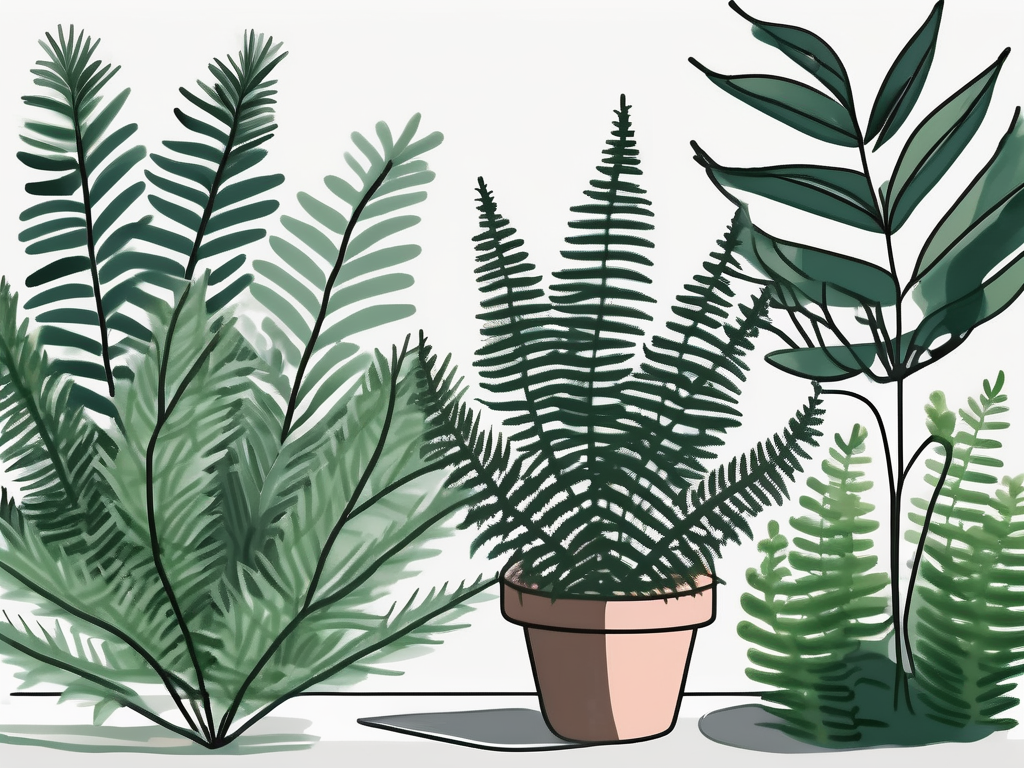
Holly ferns, with their striking, glossy green leaves, can add a touch of elegance to any space. Whether you're a seasoned plant lover or just starting to dabble in the joys of indoor gardening, these ferns offer something for everyone. They’re relatively easy to care for and can thrive both indoors and outdoors, making them a versatile choice for your plant collection.
In this article, we'll explore the different types of holly ferns, their unique characteristics, and how you can care for them. By the end, you'll have a good understanding of which type might be the perfect fit for your home and how to keep it healthy and happy.
Holly Fern Basics
Before diving into the various types of holly ferns, let's cover some general information about them. Holly ferns belong to the Cyrtomium genus, which is part of the larger fern family known as Polypodiaceae. These ferns are native to Asia, with some species found in parts of Africa and the Americas. What sets them apart is their shiny, leathery fronds that resemble holly leaves, hence the name.
Holly ferns are often appreciated for their resilience. Unlike some other ferns, they can tolerate a bit of neglect and still look fabulous. They prefer a humid environment but can adapt to less-than-ideal conditions. With the right care, these ferns can grow up to two to three feet in height, making them a statement piece in your plant collection.
Japanese Holly Fern (Cyrtomium falcatum)
The Japanese Holly Fern is perhaps the most popular variety in this family. Known for its deep green, glossy foliage, this plant can be a stunning addition to any room. The leaves are arching and can grow up to two feet long, providing a lush, full appearance that works beautifully in both pots and garden beds.
One of the best things about the Japanese Holly Fern is its adaptability. It can thrive in low-light conditions, making it perfect for shady spots in your home or garden. However, it does prefer indirect light, so placing it near a north or east-facing window is ideal. The soil should be well-draining and kept consistently moist, but not soggy. If you notice the leaves turning yellow, it might be a sign of overwatering.
When it comes to temperature, this fern is quite tolerant. It can handle cooler temperatures, even down to 20°F, making it suitable for outdoor planting in many regions. If you're growing it indoors, typical room temperatures are just fine. Remember to mist the leaves occasionally to maintain humidity, especially during the dry winter months.
Rock Holly Fern (Cyrtomium caryotideum)
The Rock Holly Fern is another fascinating member of the holly fern family. Native to China, it boasts uniquely textured leaves that give it an interesting, almost prehistoric look. The fronds are leathery and dark green, with a slightly wavy edge that adds to its charm.
This fern prefers a bit more sunlight than its Japanese counterpart. It does well in bright, indirect light, so a spot near a south or west-facing window could be ideal. Like other ferns, the Rock Holly Fern enjoys a humid environment, so consider placing it in a bathroom or kitchen where it can soak up some extra moisture from the air.
When planting a Rock Holly Fern, use a well-draining potting mix. It's vital to avoid waterlogged soil, as this can lead to root rot. Water the plant when the top inch of soil feels dry to the touch. This fern isn't as cold-hardy as the Japanese Holly Fern, so if you live in a colder climate, it's best to keep it indoors or bring it inside during the winter months.
Tropical Holly Fern (Cyrtomium macrophyllum)
If you're looking for something that brings a bit of the tropics into your home, the Tropical Holly Fern might be for you. This variety is known for its larger leaves, which can really make a statement. The fronds are broad and can grow up to three feet long, giving it a bold presence in any space.
As you might expect from its name, the Tropical Holly Fern thrives in warm, humid conditions. It's best suited for indoor growing unless you live in a region with a consistently warm climate. Position it in a spot with bright, indirect light, and make sure it's protected from direct sunlight, which can scorch the leaves.
When it comes to watering, consistency is key. This fern doesn't like to dry out completely, so aim to keep the soil evenly moist. A humidity tray or regular misting can help maintain the moisture levels it loves. Fertilize the Tropical Holly Fern every month during the growing season with a balanced liquid fertilizer to encourage lush growth.
Himalayan Holly Fern (Cyrtomium himalaicum)
The Himalayan Holly Fern is a lesser-known variety that deserves a spot in any plant collection. Its narrow, pointed leaves set it apart from other holly ferns, offering a unique aesthetic. This fern's leaves are more delicate, and they can add a light, airy feel to your plant display.
This fern is relatively low-maintenance, making it an excellent choice for beginners. It prefers partial to full shade, so it's perfect for those tricky, low-light corners of your home. The Himalayan Holly Fern is quite tolerant of temperature fluctuations, but it does best in a stable, room-temperature environment.
When caring for this fern, focus on maintaining consistent moisture in the soil. It doesn't like to dry out, so regular watering is essential. However, as with most ferns, avoid overwatering to prevent root issues. Consider grouping it with other humidity-loving plants to create a microenvironment that supports its needs.
Silver Holly Fern (Cyrtomium fortunei)
The Silver Holly Fern is known for its striking foliage, which has a silvery sheen that can brighten up any collection. This unique characteristic makes it a standout piece, catching the light in a way that adds a touch of elegance to your space.
Ideal for indoor growing, the Silver Holly Fern prefers a spot with bright, indirect light. While it can tolerate lower light conditions, you'll see the best growth and color in a brighter location. As with other holly ferns, ensure the soil is well-draining and keep it evenly moist.
This fern is a bit more sensitive to temperature changes, so aim to keep it in a stable environment. It thrives at room temperature, but try to avoid placing it near drafty windows or heating vents. Regular misting can help maintain the humidity levels it needs to shine.
Common Holly Fern Care Tips
Regardless of the holly fern variety you choose, there are some universal care tips to keep in mind:
- Light: Most holly ferns prefer bright, indirect light, though some can tolerate lower light conditions. Avoid direct sunlight as it can scorch their leaves.
- Watering: Keep the soil consistently moist, but not soggy. Water when the top inch of soil feels dry.
- Humidity: These ferns thrive in humid environments. Consider misting them regularly or using a humidity tray.
- Temperature: Maintain a stable room temperature. Avoid placing ferns near drafts or heat sources.
- Fertilizing: Use a balanced liquid fertilizer during the growing season to promote healthy growth.
Common Problems and Solutions
Even with the best care, you might encounter some issues with your holly ferns. Here are a few common problems and their solutions:
- Yellowing Leaves: This can be a sign of overwatering. Check the soil's moisture level and adjust your watering schedule accordingly.
- Brown Leaf Tips: Often caused by low humidity or inconsistent watering. Increase humidity and ensure you're watering properly.
- Pests: Keep an eye out for common pests like spider mites or aphids. If you spot any, treat your fern with neem oil or insecticidal soap.
- Slow Growth: This could be due to insufficient light or nutrients. Try moving your fern to a brighter spot and consider feeding it with a balanced fertilizer.
Incorporating Holly Ferns into Interior Design
Holly ferns can be a fantastic addition to your home decor. Their lush foliage can bring a touch of nature and elegance to any space. Here are some ideas for incorporating them into your design:
- Hanging Baskets: Use hanging baskets to create a vertical garden effect. This works well in rooms with limited floor space.
- Grouping with Other Plants: Create a lush corner by grouping holly ferns with other indoor plants. This can enhance the humidity for all the plants involved.
- Statement Pieces: Let a large holly fern be the focal point of a room. Place it in a decorative pot that complements your decor style.
- Terrariums: Smaller holly ferns can thrive in terrariums, adding a touch of the forest floor to your home.
Potting and Soil Mix
Choosing the right pot and soil mix is crucial for your holly fern's health. Here are some tips to ensure you're setting them up for success:
- Pot Selection: Use a pot with good drainage to prevent waterlogging. Terra cotta pots are a great choice as they allow the soil to breathe.
- Soil Mix: A well-draining potting mix is essential. You can mix regular potting soil with perlite or sand to improve drainage.
- Repotting: Repot your fern when it becomes root-bound. This is usually every 2-3 years. Choose a pot that's one size larger than the current one.
Benefits of Holly Ferns in Your Home
Aside from their beauty, holly ferns offer several benefits that can enhance your living space:
- Air Purification: Like many plants, holly ferns can help clean the air by removing toxins.
- Humidity Boost: They can increase humidity in a room, which is beneficial during dry winter months.
- Stress Reduction: Having plants in your home can reduce stress and improve your overall mood.
Final Thoughts
Holly ferns are a charming addition to any plant collection, offering beauty and resilience. Whether you prefer the classic look of the Japanese Holly Fern or the unique appearance of the Silver Holly Fern, these plants can thrive with the right care. Remember to provide them with the appropriate light, humidity, and soil conditions to keep them looking their best.
At Cafe Planta, we're passionate about helping you find the perfect plants for your home. We offer a variety of houseplants and plant care accessories to support your indoor garden. If you have questions about holly ferns or any other plants, feel free to email us or reach out via Instagram. We believe in the power of plants to connect us with nature and each other, and we're excited to share our love of plants with you!