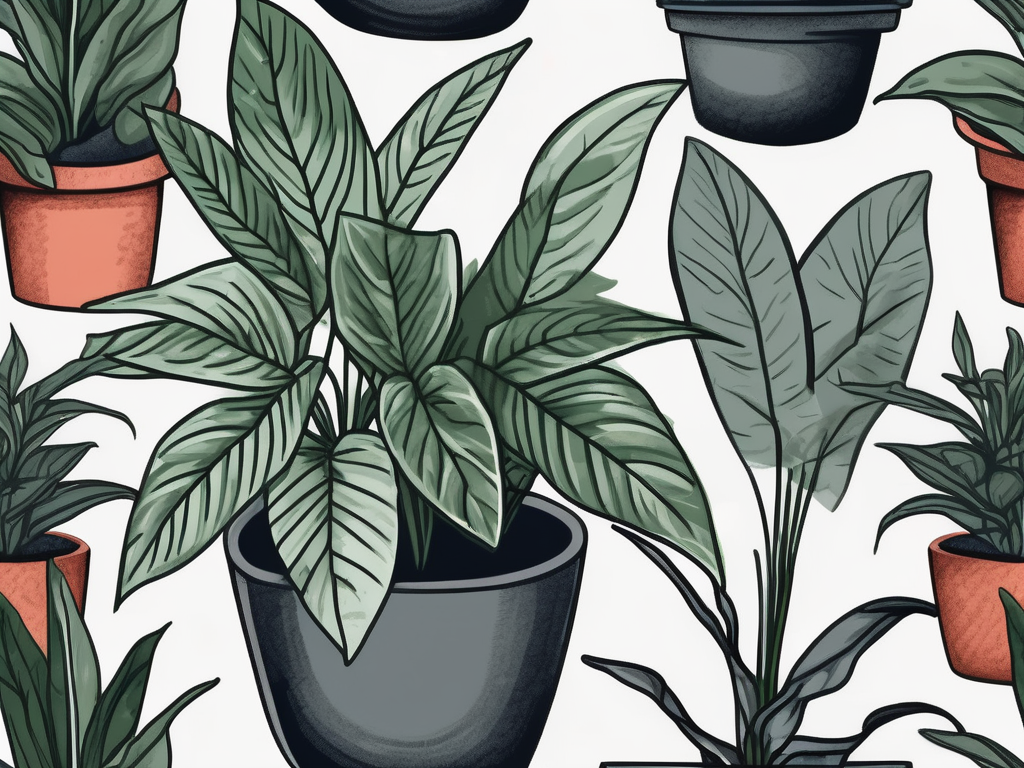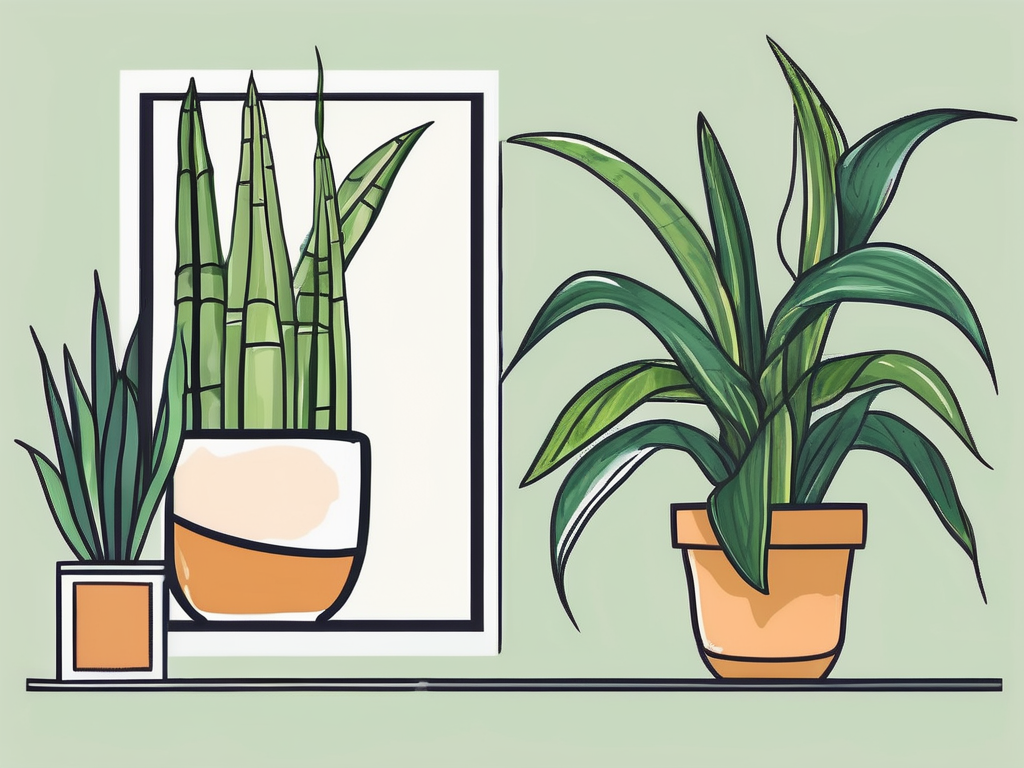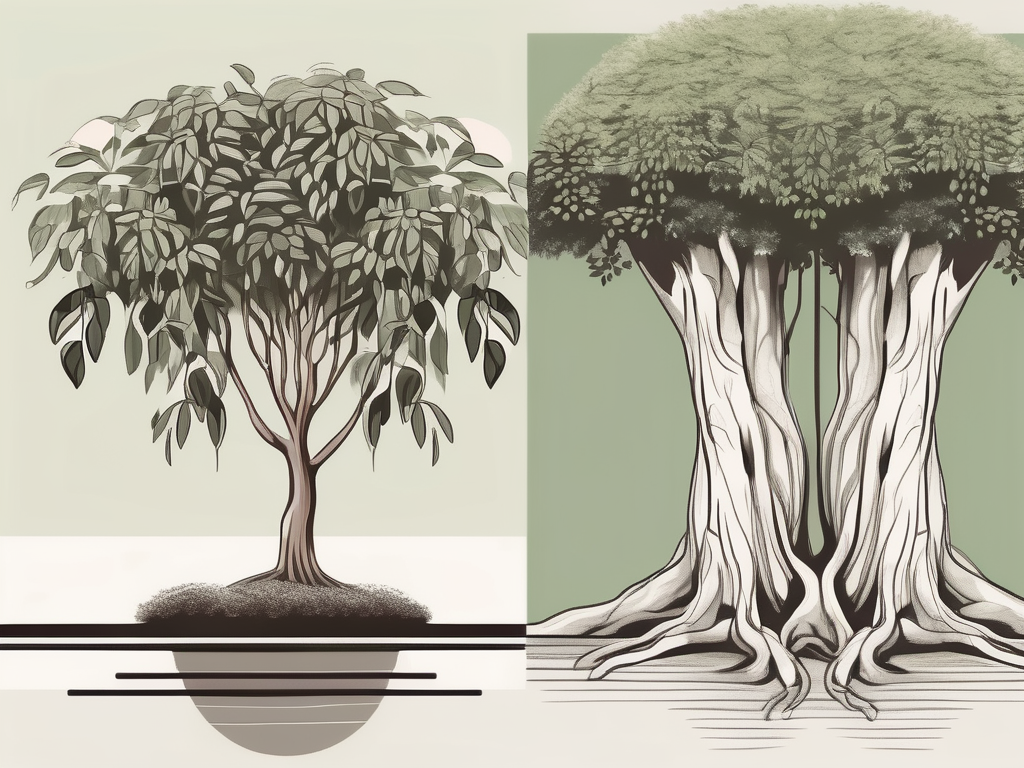
Have you ever found yourself strolling through a plant shop, only to be stopped in your tracks by two seemingly identical plants with different labels? If so, you're not alone. The Umbrella Plant and Schefflera are two such plants that often cause confusion among plant lovers. Despite their similarities, these plants have distinct characteristics and care requirements that are worth exploring.
In this article, we'll unravel the differences between the Umbrella Plant and Schefflera, delve into their unique care needs, and offer some helpful tips to keep these green beauties thriving in your home. Whether you're a seasoned plant parent or just starting your green journey, we hope you'll find this comparison enlightening and useful.
Getting to Know the Umbrella Plant
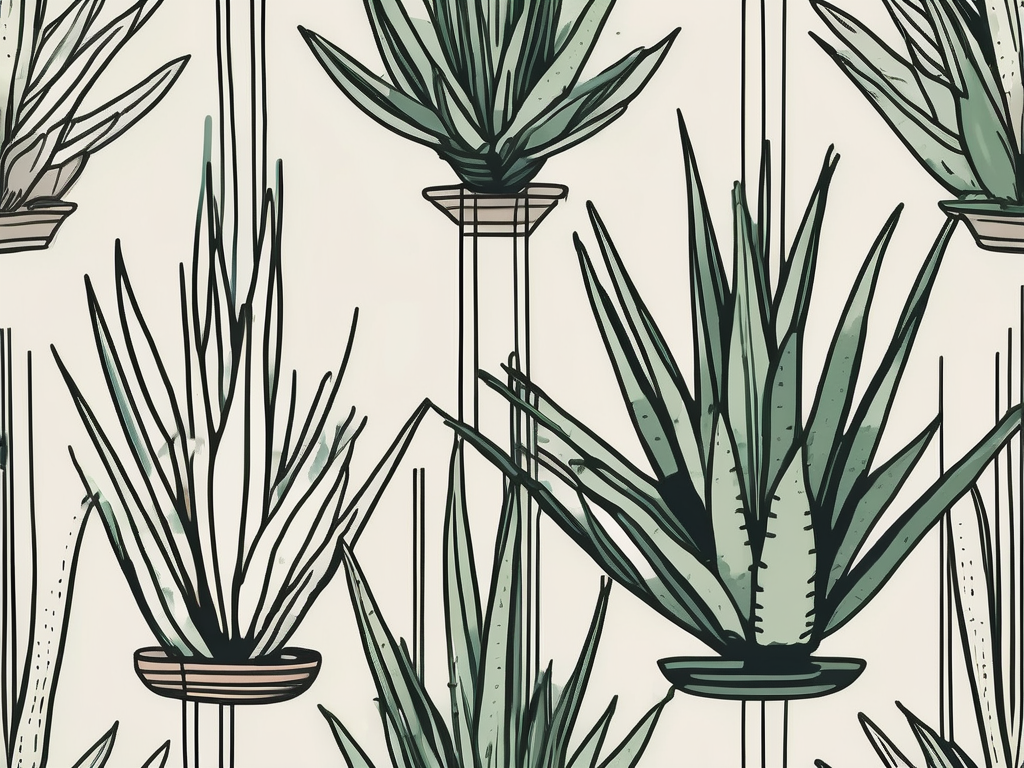
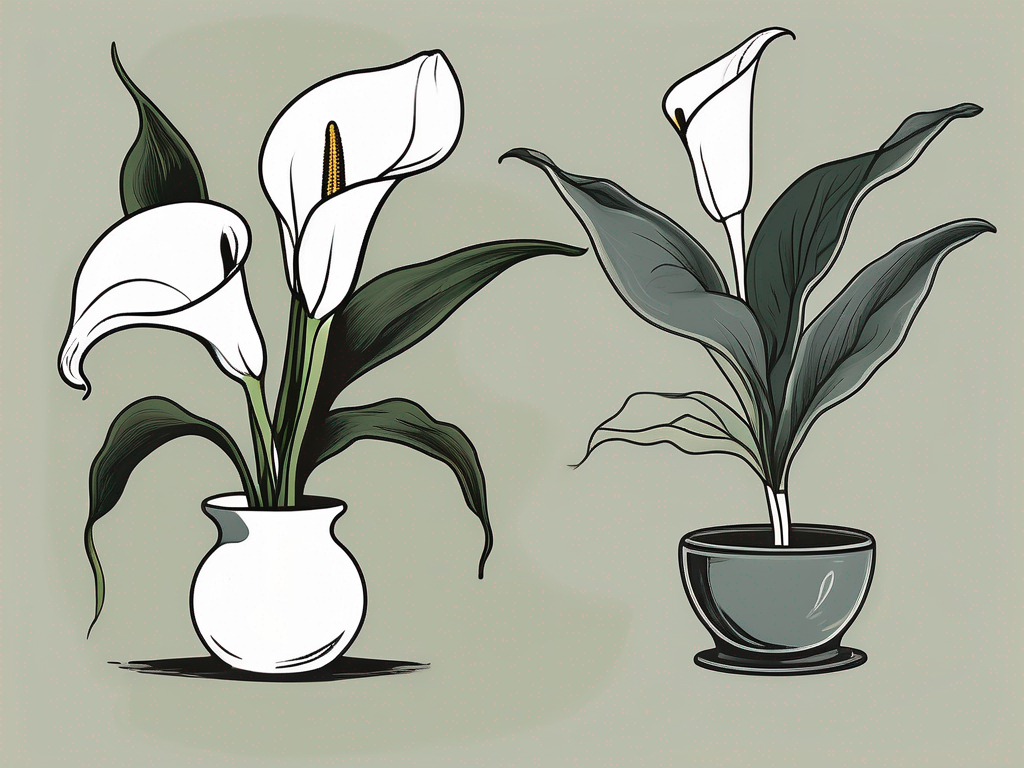
The Umbrella Plant, also known as Cyperus involucratus, is a species that's quite different from Schefflera, despite the shared nickname. This plant is more closely related to papyrus and is known for its elegant, arching stems topped with narrow, umbrella-like leaves. Native to Madagascar, it's a striking plant that adds a touch of tropical flair to any indoor garden.
Umbrella Plants thrive in wet conditions. Yes, you read that right! Unlike many houseplants that dread overwatering, this plant loves having its roots submerged, mimicking the swampy environments of its natural habitat. This makes it an excellent choice for those who tend to overwater their plants.
Here are some key characteristics of the Umbrella Plant:
- Light: Prefers bright, indirect light but can tolerate some direct sunlight.
- Water: Needs consistently moist soil. Keeping a saucer filled with water under the pot can help maintain the moisture level.
- Temperature: Thrives in temperatures between 60-75°F (15-24°C).
- Humidity: Appreciates high humidity, making it a great choice for bathrooms or kitchens.
Interestingly enough, the Umbrella Plant is often used in water gardens and can even be grown in ponds. Its ability to thrive in water makes it a unique addition to any plant collection.
Understanding Schefflera
Now, let's explore Schefflera, often referred to as the "Umbrella Tree." It's important not to confuse it with the Umbrella Plant. Schefflera comes in two main varieties: Schefflera actinophylla and Schefflera arboricola. Both are favored for their lush, glossy green leaves that radiate like spokes of an umbrella.
Native to Australia and Taiwan, Schefflera is a popular houseplant due to its easygoing nature and striking appearance. It's known for its ability to adapt to a variety of indoor conditions, making it a great choice for novice plant parents.
Here's what you need to know about Schefflera:
- Light: Prefers bright, indirect light but can tolerate lower light levels.
- Water: Likes the soil to dry out slightly between waterings.
- Temperature: Does well in average room temperatures, ideally between 60-75°F (15-24°C).
- Humidity: Enjoys moderate humidity but is quite adaptable.
Schefflera is known for its air-purifying qualities, making it a healthy addition to any home. It's also relatively low-maintenance, requiring only occasional pruning to maintain its shape and remove any yellowing leaves.
Comparing Growth Habits
One of the most noticeable differences between the Umbrella Plant and Schefflera is their growth habits. While both plants can reach impressive heights, they do so in quite different ways.
The Umbrella Plant grows in a more structured, upright manner, with slender stalks that can reach up to 4 feet indoors. Its stems are topped with delicate, umbrella-like leaves that add a touch of elegance to its appearance. This plant tends to spread out, making it an excellent choice for filling larger spaces.
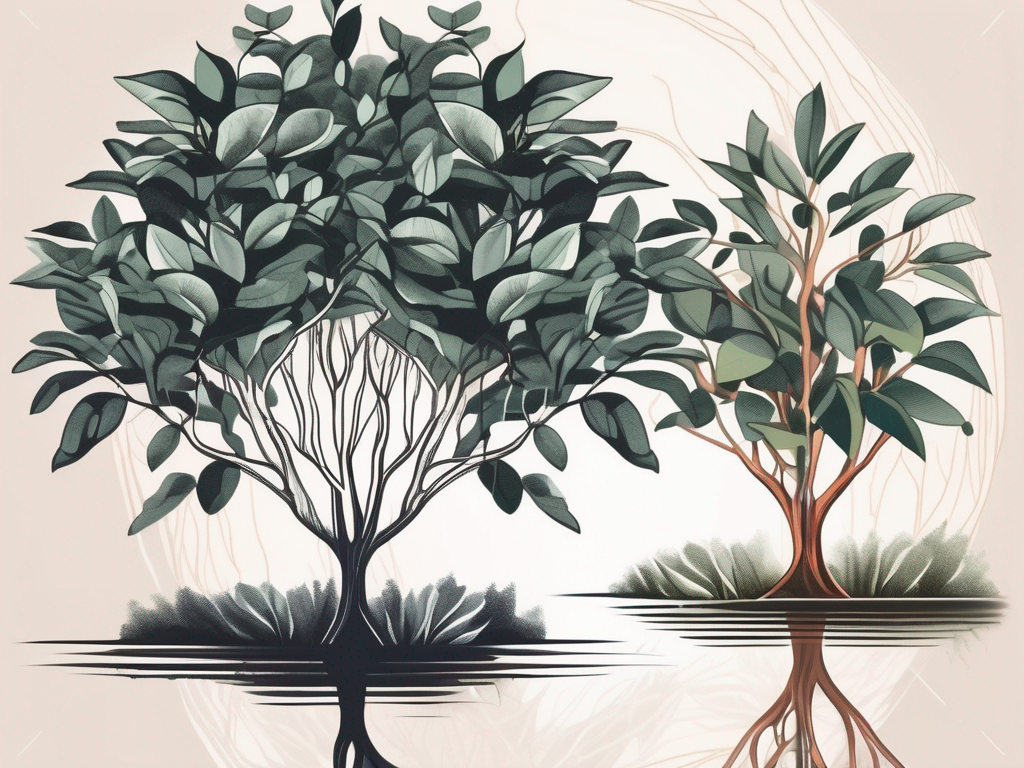
On the other hand, Schefflera is known for its bushy, tree-like growth. Its branches radiate outward from a central trunk, giving it a fuller, more rounded appearance. Some varieties can grow quite tall, reaching up to 10 feet indoors if left unpruned. However, regular pruning can help keep its size manageable for smaller spaces.
When choosing between these plants, consider the space you have available and the aesthetic you're aiming for. If you're looking for a tall, slender plant to fill a corner, the Umbrella Plant might be your best bet. However, if you prefer a fuller, more tree-like appearance, Schefflera could be the way to go.
Leaf Characteristics
Another distinguishing feature between these two plants is their leaves. While both plants have leaves that fan out in an umbrella-like fashion, the details set them apart.
The Umbrella Plant boasts narrow, grass-like leaves that are grouped in clusters at the top of each stem. These leaves are typically a vibrant green and have a papery texture, adding a delicate touch to the plant's overall look.
In contrast, Schefflera leaves are broader and glossier, resembling the leaves of a traditional tree. They grow in clusters of 7-9 leaflets, radiating from a central point. The leaves of Schefflera actinophylla tend to be larger than those of Schefflera arboricola, which has more compact foliage.
These differences in leaf structure not only affect the plant's appearance but also its function in your home. The broader leaves of Schefflera are great for capturing dust and pollutants, making it an excellent air purifier. Meanwhile, the Umbrella Plant's delicate leaves add a touch of whimsy and lightness to any indoor space.
Caring for Your Umbrella Plant
Now that we've covered the basics, let's talk care. Caring for an Umbrella Plant is relatively straightforward, especially if you're familiar with its water-loving nature.
First and foremost, keep its soil consistently moist. This plant thrives on water, so don't be afraid to keep it well-hydrated. A saucer filled with water beneath the pot can help maintain the necessary moisture levels.
In terms of light, the Umbrella Plant prefers bright, indirect sunlight. However, it can tolerate some direct sun, especially in the morning or late afternoon when the rays are less intense. Too much direct sunlight can scorch its delicate leaves, so it's best to find a balance.
Temperature and humidity are also important factors in the Umbrella Plant's care. It enjoys warm temperatures and high humidity, making it a great choice for kitchens and bathrooms. If your home's air is on the dry side, consider placing a humidifier nearby or misting the plant regularly to boost humidity.
Overall, the Umbrella Plant is a forgiving houseplant that can add a touch of tropical elegance to your indoor space. Just remember to keep it well-watered, and you'll be rewarded with a lush, vibrant display.
Caring for Your Schefflera
Switching gears, let's focus on Schefflera care. This plant is known for its adaptability, making it a popular choice for plant parents of all experience levels.
Schefflera prefers bright, indirect light but can tolerate lower light conditions. However, keep in mind that its growth may slow down in dimmer environments. If you notice your Schefflera starting to stretch or lose its vibrant color, it might be time to move it to a brighter spot.
When it comes to watering, Schefflera prefers that its soil dry out slightly between waterings. Overwatering can lead to root rot, so it's essential to let the top inch of soil dry out before giving it another drink.
Temperature-wise, Schefflera is quite adaptable. It thrives in average room temperatures and can tolerate fluctuations, but it's best to avoid drastic changes or exposure to cold drafts.
Finally, while Schefflera enjoys moderate humidity, it's not as demanding as the Umbrella Plant. If your home is particularly dry, a little extra humidity won't hurt, but it's not a deal-breaker for this resilient plant.
Common Pests and Issues
Like any houseplant, both the Umbrella Plant and Schefflera can fall victim to common pests and issues. Being aware of these potential problems can help you address them before they become a significant concern.
The Umbrella Plant is generally hardy, but it can occasionally attract spider mites, especially in dry conditions. These tiny pests can be managed by increasing humidity and regularly misting the plant. If you notice a web-like substance or yellowing leaves, it's time to take action.
Schefflera, on the other hand, is susceptible to pests like aphids, mealybugs, and spider mites. Regularly inspecting the leaves and stems can help catch these critters early. A gentle spray of insecticidal soap or a homemade mixture of water and dish soap can effectively treat infestations.
Both plants can also experience leaf drop due to stress or improper care. For the Umbrella Plant, this might be due to insufficient water, while for Schefflera, overwatering is often the culprit. Monitoring your plants' needs and adjusting their care routine accordingly can help prevent these issues.
Designing with Umbrella Plants and Schefflera
Incorporating plants into your home's design can transform the space, adding color, texture, and life. Both the Umbrella Plant and Schefflera offer unique design opportunities, so let's explore how you can use these plants to enhance your interior.
The Umbrella Plant's slender, elegant form makes it an excellent choice for minimalistic or modern spaces. Its upright growth habit can fill vertical space, making it an ideal fit for corners or tight spots that need a touch of greenery. Pair it with a sleek, decorative pot to complement its contemporary appeal.
Schefflera, with its bushy, tree-like form, can serve as a statement piece in any room. Its lush foliage can soften harsh lines and add a natural element to more traditional or eclectic interiors. Consider placing it in a woven basket or a rustic planter to enhance its organic charm.
When designing with these plants, consider their light and space requirements. The Umbrella Plant's love for water makes it a great candidate for bathrooms, while Schefflera's adaptable nature allows it to thrive in various settings. Mixing and matching these plants with others can create a dynamic, layered effect that's visually pleasing and beneficial for your indoor environment.
Making the Choice: Which One Is Right for You?
So, which plant should you bring home—the Umbrella Plant or Schefflera? Ultimately, the choice depends on your personal preferences and the conditions of your space.
If you're someone who enjoys unique plants and doesn't mind a little extra watering, the Umbrella Plant might be your perfect match. Its striking appearance and water-loving nature make it an excellent choice for plant lovers who want something a bit different.
On the other hand, if you prefer a low-maintenance plant that can adapt to various conditions, Schefflera is a fantastic option. Its air-purifying qualities and attractive foliage make it a popular choice for many plant people.
Consider your lifestyle, the amount of natural light in your home, and your willingness to meet the specific care needs of each plant. Either way, you're sure to enjoy the beauty and benefits these plants bring to your space.
Final Thoughts
In summary, while the Umbrella Plant and Schefflera may look similar at first glance, they have distinct differences in appearance, care requirements, and growth habits. Understanding these differences can help you choose the right plant for your home and ensure it thrives.
At Cafe Planta, we're passionate about helping plant lovers create beautiful, thriving collections. Whether you're looking for popular favorites or unique finds, we offer a variety of houseplants, accessories, and plant-themed apparel to suit your needs. If you have any questions about plant care, feel free to email us or reach out on Instagram. We believe in the power of plants to connect us with nature and each other, and we're excited to support you on your plant journey.