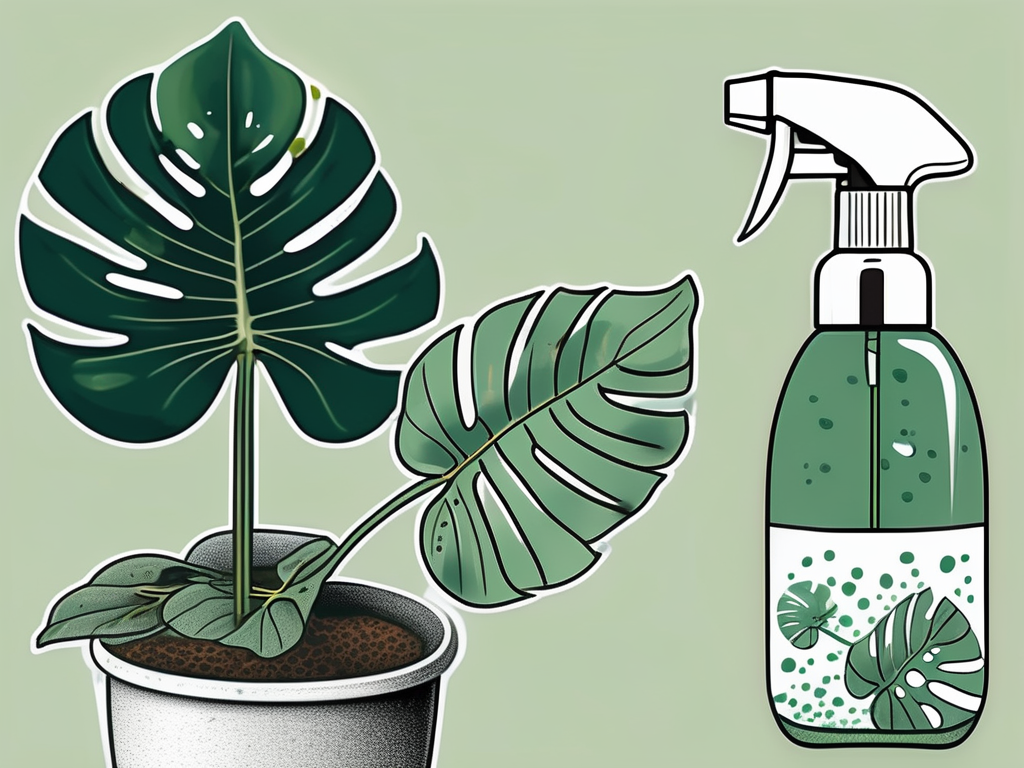
Monstera Deliciosa, with its iconic split leaves, is a favorite among plant lovers. But what happens when those beautiful leaves start showing signs of distress? Fungal infections can be a common issue, and understanding how to tackle them can make all the difference in your plant's health.
In this article, we'll explore everything you need to know about identifying, preventing, and treating fungal infections in your Monstera Deliciosa. From the causes and symptoms to actionable treatment steps, we've got you covered.
What Causes Fungal Infections in Monstera Deliciosa?
Fungal infections in Monstera can arise from a variety of factors, and knowing these can help you prevent them from taking hold in the first place. Let's break down some of the main culprits:
- Excess Moisture: Overwatering is one of the most common reasons for fungal issues. When the soil is too wet, it creates a perfect environment for fungi to thrive.
- High Humidity: While Monstera loves some humidity, excessive levels can promote fungal growth on leaves and stems.
- Poor Air Circulation: Stagnant air can lead to a buildup of moisture on the plant's surface, encouraging fungal spores.
- Contaminated Tools or Pots: Using dirty gardening tools or reused pots without proper sterilization can introduce fungi to your plant.
- Infected Plants Nearby: Fungal spores can spread from one plant to another, so keeping infected plants close together can be risky.
By understanding these causes, you can take proactive measures to minimize the risk of infection. For instance, making sure your Monstera has the right watering schedule and good air flow can go a long way in keeping it healthy.
Recognizing Symptoms of Fungal Infections
Spotting the symptoms early is crucial for effective treatment. But, what should you be looking for? Here are some tell-tale signs that your Monstera might be dealing with a fungal issue:
- Yellowing Leaves: If you notice the leaves turning yellow from the edges inward, it could indicate a potential fungal problem.
- Brown Spots or Patches: Dark, irregular patches on the leaves are often a sign of fungal infection.
- Leaf Curling: While sometimes related to other stress factors, curling leaves can also be a symptom of fungi.
- White Powdery Coating: Powdery mildew is a common fungal disease that leaves a white film on the leaves.
- Wilting: If your plant seems to be wilting despite regular watering, a root rot caused by fungi might be the issue.
It's essential to observe your Monstera regularly. If you catch these symptoms early, the chances of saving your plant improve significantly.
Preventing Fungal Infections
Prevention is always better than cure, especially when it comes to fungal infections. Here are some tips to keep your Monstera healthy and fungus-free:
- Proper Watering: Allow the top inch of soil to dry out before watering again. This will prevent waterlogging and reduce fungal growth.
- Good Air Circulation: Place your Monstera in a spot with good airflow, or use a fan to help circulate air around your plants.
- Humidity Control: While Monstera enjoys humidity, ensure it doesn't get too high. A humidifier can be used for control.
- Clean Tools: Regularly clean and sterilize your gardening tools and pots to prevent the spread of fungal spores.
- Avoid Overcrowding: Give your plants enough space to breathe, reducing the chance of spores spreading from plant to plant.
By integrating these practices into your plant care routine, you're setting the stage for a thriving Monstera.
Step-by-Step Treatment for Fungal Infections
If you find your Monstera dealing with a fungal infection, fear not. With the right steps, you can help your plant recover. Here's how:
1. Isolate the Plant
First, move the infected plant away from your other plants to prevent the spread of fungi. This is especially important if you're dealing with a contagious fungal strain.
2. Prune Affected Leaves
Using sterilized scissors, carefully trim away any leaves that show signs of infection. This will help prevent the fungus from spreading further.
3. Treat with Fungicide
Choose a suitable fungicide, preferably organic, and apply it according to the instructions. Neem oil can be a natural alternative if you're looking for something less harsh.
4. Adjust Care Routine
Reevaluate your watering and humidity practices. Make sure you're not overwatering and that the plant is in a well-ventilated spot.
5. Monitor and Repeat
Keep a close eye on your plant for any new symptoms. You may need to repeat treatments or adjust care practices until your Monstera starts to recover.
With patience and consistent care, your Monstera can bounce back from a fungal infection and continue to thrive.
Managing Soil and Potting Mix
The soil your Monstera lives in plays a significant role in its overall health, especially when it comes to preventing fungi. Let's look at some soil management tips:
- Well-Draining Soil: Use a soil mix that allows excess water to drain away quickly, reducing the chances of root rot.
- Additives: Consider mixing in perlite or orchid bark to improve drainage and aeration.
- Repotting: If fungal infection persists, it might be time to repot your Monstera with fresh, sterile soil.
- Root Inspection: During repotting, inspect the roots for any signs of rot and trim away affected areas.
Maintaining the right soil conditions is a foundational step in keeping fungal infections at bay.
Environmental Factors and Their Role
Environmental conditions, such as light and temperature, can also influence the health of your Monstera. Here's how to optimize these factors:
- Light: Monstera prefers bright, indirect light. Too much direct sunlight can stress the plant, making it more susceptible to disease.
- Temperature: Keep your Monstera in a stable environment with temperatures ranging from 65-85°F (18-29°C).
- Humidity: Aim for a moderate humidity level, around 40-60%, to keep your plant comfortable.
By ensuring these environmental factors are just right, you'll help your Monstera fend off unwanted fungal guests.
Common Missteps and How to Avoid Them
We all make mistakes in plant care, but learning from them is what matters. Here are some common missteps and how to steer clear of them:
- Overwatering: It's easy to overestimate your plant's thirst. Remember, less is often more when it comes to watering.
- Ignoring Symptoms: Early signs of fungal infection can be subtle. Regularly inspect your plant to catch issues before they escalate.
- Skipping Tool Cleaning: Clean your gardening tools often to avoid transferring fungi from one plant to another.
- Neglecting Airflow: Make sure your plant isn't tucked away in a corner where air can't circulate properly.
By being mindful of these common errors, you can better support your Monstera's health.
When to Seek Professional Help
Sometimes, despite your best efforts, a fungal infection may require expert intervention. Here's when you might consider reaching out for professional help:
- Persistent Symptoms: If the infection doesn't improve after several treatments, it might be time to consult a plant specialist.
- Severe Plant Decline: When your Monstera shows significant decline, a professional can offer a more detailed diagnosis.
- Unsure Diagnosis: If you're not certain about the type of fungal infection, getting a second opinion can be beneficial.
Remember, there's no shame in asking for help when you need it. Sometimes a little expert advice can make all the difference.
Final Thoughts
Caring for a Monstera Deliciosa means staying vigilant about potential fungal issues. By understanding the causes, recognizing the symptoms early, and applying the right treatments, you can keep your plant healthy and thriving.
At Cafe Planta, we're passionate about helping you care for your plants. Whether you're looking for new additions to your collection or need advice on plant care, we're here for you. Feel free to reach out via email or connect with us on Instagram. Let's nurture a love for plants together!