Ficus Audrey, with its gentle green leaves and charming presence, has become a favorite among plant lovers. But there's something even more intriguing about this plant that often gets overlooked: its aerial roots. These roots not only add an exotic touch to your plant but also play a fascinating role in its growth and health.
In this article, we'll explore the world of Ficus Audrey's aerial roots, going beyond the basics to understand how they work, why they form, and how you can care for them. We'll also share tips on incorporating them into your home decor, making your plant collection even more vibrant and unique.
The Basics of Ficus Audrey Aerial Roots
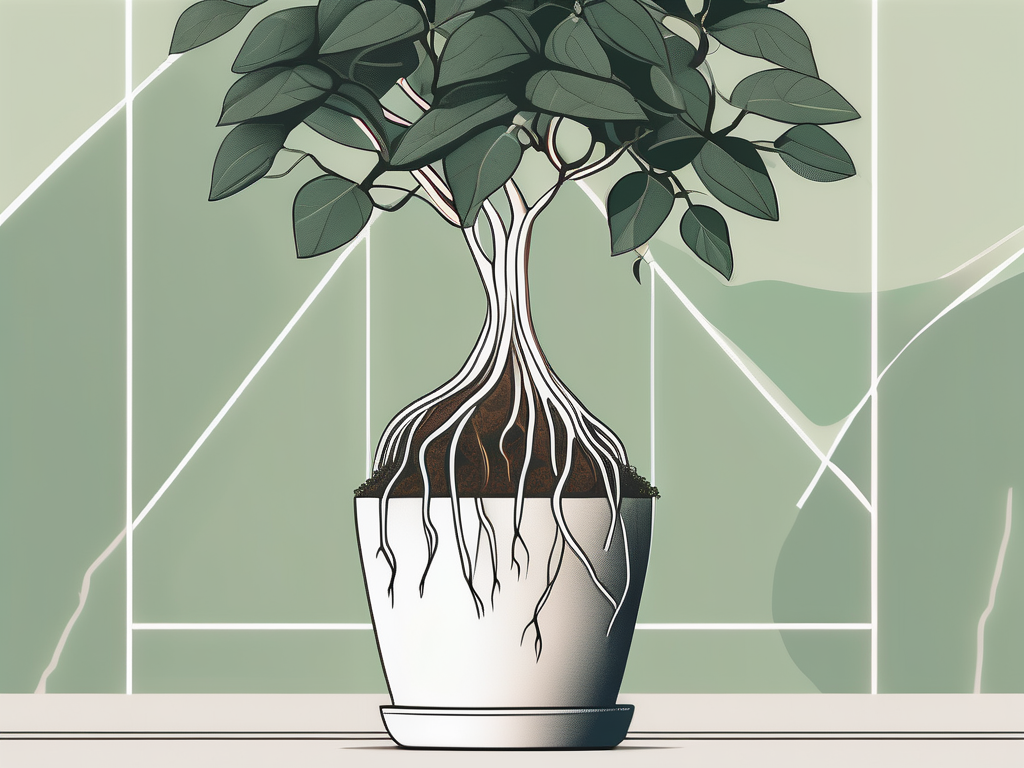
First things first, what exactly are aerial roots? As the name suggests, these are roots that grow above the ground rather than below. In the wild, Ficus Audrey, like its cousin the Ficus elastica, uses these roots to climb trees and absorb moisture from the air. In your home, they might not have trees to climb, but they still serve some interesting purposes.
Aerial roots are an adaptation that helps the plant in its natural habitat. They allow it to secure itself to surfaces, draw in nutrients, and even help with photosynthesis. For houseplants, these roots can become a wonderful conversation starter and a sign that your plant is happy and healthy.
But why do some Ficus Audrey plants develop aerial roots while others don't? It mostly comes down to the environment. Factors like humidity, light, and care practices can all influence their growth. Generally, higher humidity levels encourage more robust aerial root development.
Why Do Aerial Roots Form?
Understanding why aerial roots form can help you better care for your Ficus Audrey. These roots are a natural response to the plant's environment. In the wild, they help the plant cling to structures and absorb nutrients and water directly from the air.
In your home, aerial roots might form if the plant is placed in a humid environment. This is because the plant senses the moisture in the air and responds by growing roots that can absorb it. It's a bit like the plant's way of telling you that it's enjoying the conditions you're providing.
Interestingly, aerial roots can also form if the plant is searching for more support. If your Ficus Audrey feels a bit top-heavy or is growing rapidly, it might send out these roots to help stabilize itself.
Caring for Aerial Roots
Once you start noticing aerial roots on your Ficus Audrey, you might wonder how to care for them. The good news is that they don't require much extra attention. However, there are a few things you can do to support their growth and keep them healthy.
First, ensure your plant is situated in a spot with adequate humidity. If your home is on the drier side, consider using a humidifier or placing your Ficus Audrey in a more humid room like the bathroom or kitchen. This will encourage healthy aerial root development.
Next, make sure your plant is getting enough light. Bright, indirect light is ideal for Ficus Audrey, as it mimics the conditions of its natural habitat. Proper lighting will support both the plant and its aerial roots.
Lastly, be gentle with the aerial roots. They might look tough, but they can be delicate. Avoid tugging or pulling on them, and let them grow naturally. If they become too unruly, you can gently guide them back toward the soil or a support structure.
Incorporating Aerial Roots into Your Decor
One of the coolest things about aerial roots is how they can add an artistic touch to your indoor garden. Their unique shapes and structures can complement your home decor in unexpected ways.
Consider using a moss pole or a trellis to support your Ficus Audrey's aerial roots. This not only helps the plant but can also create a stunning vertical display that draws the eye. You can also let the roots cascade over the edge of a shelf or pot for a more natural look.
Another idea is to incorporate the aerial roots into a larger plant display. Group your Ficus Audrey with other plants, using the roots to create a sense of depth and texture. This can make your plant collection feel more cohesive and intentional.
Remember, aerial roots can be as much a part of your decor as the leaves themselves. Have fun experimenting with different arrangements and see what works best in your space.
Common Myths About Aerial Roots
With such a unique feature, it's no surprise that there are some myths and misconceptions about aerial roots. Let's clear up a few of the most common ones.
First, some people believe that aerial roots indicate something is wrong with the plant. This isn't true. In fact, aerial roots are a sign that your Ficus Audrey is happy and adapting to its environment.
Another myth is that you need to prune aerial roots to keep the plant healthy. While you can trim them if they're getting out of hand, there's no need to do so for the plant's health. In fact, leaving them be can allow the plant to grow more naturally.
Finally, some worry that aerial roots will damage walls or furniture. While it's always good to keep an eye on your plants, Ficus Audrey's aerial roots aren't likely to cause harm. They're generally too soft to scratch surfaces, unlike some other climbing plants.
Encouraging Healthy Aerial Root Growth
If you're keen to see more aerial roots on your Ficus Audrey, there are a few things you can do to encourage their growth. Start by mimicking the plant's natural habitat as much as possible.
Increase the humidity around your plant by using a humidifier or placing a tray of water nearby. You can also mist the leaves and aerial roots occasionally to provide extra moisture.
Ensure your plant is getting enough light. Bright, indirect light is best, as it encourages robust growth without scorching the leaves or roots.
Finally, be patient. Aerial roots won't appear overnight, and each plant is unique. Some Ficus Audrey plants might develop them more readily than others, and that's perfectly normal.
Repotting Your Ficus Audrey with Aerial Roots
Repotting a plant with aerial roots can seem a bit daunting, but it's really no different from repotting any other plant. The key is to be gentle and mindful of the roots.
When you're ready to repot, choose a pot that's one size larger than the current one. This gives the roots plenty of room to grow without being cramped.
Carefully remove the plant from its pot, being mindful of the aerial roots. You can gently guide them into the new pot or let them remain above the soil. Either way, they'll continue to grow as they see fit.
Fill in with fresh soil, making sure the plant is stable and upright. Water thoroughly, and place your Ficus Audrey back in its favorite spot. With a little care, it'll continue to thrive, aerial roots and all.
Using Aerial Roots for Propagation
Believe it or not, aerial roots can play a role in propagating your Ficus Audrey. While they're not necessary for propagation, they can give you a head start.
If you're propagating via cuttings, choose a section of the plant with healthy aerial roots. This can help the cutting establish itself more quickly, as it already has some roots to draw from.
Simply cut a section of the stem below a node, where the aerial roots are. Place the cutting in water or soil, and keep it in a warm, bright spot. The aerial roots will help anchor the cutting and absorb nutrients as it grows.
With a little patience, you'll soon have a new Ficus Audrey to add to your collection or share with a fellow plant lover.
Final Thoughts
Ficus Audrey's aerial roots are more than just an interesting feature. They play a vital role in the plant's health and can add a unique element to your home decor. By understanding why they form and how to care for them, you can enjoy these fascinating roots while keeping your plant happy and thriving.
At Cafe Planta, we're passionate about helping you care for your plants and create beautiful, thriving spaces. Whether you're looking for new additions to your collection or need advice on plant care, we're here to help. Feel free to email us or reach out on Instagram. We're excited to share our love of plants with you and support your plant journey!