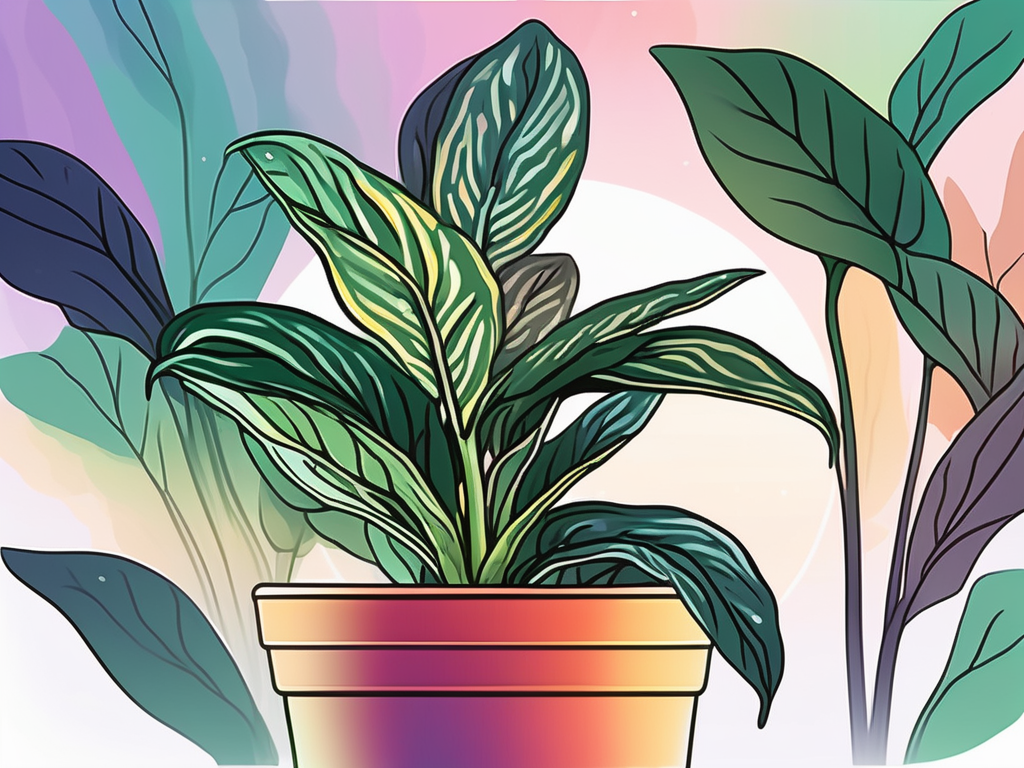
Chinese Evergreen, or Aglaonema, is a beloved houseplant known for its striking foliage and ease of care. If you're looking to add a touch of greenery to your home without a lot of fuss, this might be the plant for you. But like all plants, it has its preferences, especially when it comes to light.
This article will guide you through understanding the light requirements for your Chinese Evergreen, why they're important, and how you can create the perfect environment for your plant to thrive. We'll cover everything from identifying the right spot in your home to troubleshooting common problems. Let's get started on making your Chinese Evergreen the happiest plant on the block!
Why Light Matters for Chinese Evergreen
Light is one of the most crucial factors for plant growth. It's essentially food for plants. Through photosynthesis, light energy is converted into chemical energy, which fuels the plant's growth and development. For houseplants like the Chinese Evergreen, getting the right amount of light means the difference between a vibrant plant and one that's struggling.
Chinese Evergreens are quite adaptable and can tolerate lower light conditions, which is part of why they’re so popular. However, providing the right amount of light can enhance their growth and color. While they can survive in low light, they thrive in medium to bright indirect light. This balance helps the plant maintain its health and show off its beautiful variegated leaves without the risk of burning or fading.
Finding the Perfect Spot in Your Home
Choosing the right location for your Chinese Evergreen is key. But how do you find that perfect spot? Let’s walk through some steps:
- Consider the Direction: Windows facing east or west are often ideal for Chinese Evergreens, as they offer bright, indirect light. North-facing windows can work too, though the light might be a bit too low for optimal growth.
- Watch Out for Direct Sunlight: Direct sunlight, especially from south-facing windows, can be too harsh and cause leaf burn. If you only have a south-facing window, consider using sheer curtains to diffuse the light.
- Move It Around: If your plant seems unhappy, don't be afraid to move it to a different spot. Sometimes a small shift can make a big difference.
Remember, plants are living things and their needs may change with the seasons. Be observant and willing to adjust their placement as needed.
Understanding Indirect Light
So, what exactly is indirect light? It's a term that often comes up in plant care, but it can be a bit vague. Essentially, indirect light is when the sun’s rays aren’t hitting the plant directly. It’s bright enough to read by, but not so bright that it casts strong shadows.
Here’s an easy way to check: stand where you plan to place your plant and look at your shadow. If it’s faint and blurry, you’ve found a spot with indirect light. Chinese Evergreens love this kind of light because it mimics the dappled sunlight they would naturally receive on a forest floor.
If you're unsure about the light level, you can also use a light meter or a plant app to measure it. This can give you a more precise idea of what kind of light your space offers.
Signs Your Plant Needs More Light
Even though Chinese Evergreens are known for tolerating low light, there are telltale signs that your plant might be craving a bit more sunshine. Here are some symptoms to watch out for:
- Leggy Growth: If your plant starts growing tall and spindly, it’s likely reaching for more light. This is a common response when it's not getting enough.
- Pale Leaves: A lack of light can cause the vibrant colors of your Chinese Evergreen's leaves to fade, leaving them looking washed out.
- Slow Growth: While these plants aren't known for rapid growth, a noticeable slowdown could indicate insufficient light.
If you notice any of these signs, try moving your plant to a brighter location. Just be sure to avoid direct sunlight that could scorch those lovely leaves.
Dealing with Too Much Light
On the flip side, too much light can also be a problem for Chinese Evergreens. Here’s how to tell if your plant is getting too much of a good thing:
- Leaf Burn: Brown patches or crispy edges on the leaves are signs of sunburn, which happens when a plant is exposed to direct sunlight.
- Color Fading: While low light can cause color fading, too much light can bleach the leaves, making them lose their vibrant hues.
- Drooping Leaves: If your plant starts drooping, it might be a sign that it’s stressed from too much light exposure.
If you suspect your plant is getting too much light, try moving it a few feet away from the window or using curtains to soften the light. Your plant will appreciate the break!
Supplementing with Artificial Light
Not all of us have the luxury of perfect natural light in our homes, and that's where artificial lighting can come in handy. If you're in a space without much natural light, grow lights can be a great alternative.
Here are some tips for using artificial light:
- Choose the Right Bulb: Look for full-spectrum LED or fluorescent lights designed for plant growth. These mimic natural sunlight and are energy efficient.
- Positioning Matters: Place the grow light about 12-18 inches above your plant. Too close, and you risk overheating; too far, and it won’t be effective.
- Timing Is Key: Aim for about 12-16 hours of light per day. You might need a timer to keep things consistent.
Artificial lighting can be a great supplement, especially during the darker winter months when natural light is scarce.
Seasonal Light Changes
As the seasons change, so does the natural light available in your home. This can affect your Chinese Evergreen more than you might think. In the winter, days are shorter, and the light can be weaker. During this time, you might need to move your plant closer to a light source or supplement with artificial lighting.
In the summer, the sun is stronger and higher in the sky. Make sure your plant isn’t getting too much direct sunlight during these months. A little observation and adjustment can make a big difference in keeping your plant happy year-round.
Creating a Routine for Checking Light Levels
To keep your Chinese Evergreen thriving, it might be helpful to create a routine for checking light levels. This doesn’t have to be complicated. Here’s a simple plan:
- Weekly Check: Once a week, take a moment to observe your plant. Look for any signs of light stress, such as discoloration or growth changes.
- Monthly Adjustment: As the seasons change, consider reassessing the placement of your plant. It might need a slight shift to catch the optimal light.
- Use Technology: If you're really into it, consider using a light meter app to track changes over time.
Developing a routine helps you catch any issues early and keeps your plant in the best light conditions possible.
Embracing the Journey of Plant Care
Caring for a Chinese Evergreen and understanding its light needs is a journey. It's about learning to listen to your plant and respond to its needs. Don’t be discouraged if it takes a little time to get it right. Plants are forgiving, and with a bit of patience, you’ll find the perfect balance for your leafy friend.
Remember, every home is different, and what works for one plant might not work for another. Experiment with different spots, take notes, and enjoy the process of getting to know your plant and its preferences. It’s all part of the fun of being a plant parent!
Final Thoughts
In summary, understanding the light needs of your Chinese Evergreen is crucial for its health and beauty. By choosing the right spot, monitoring light conditions, and making necessary adjustments, you can ensure this charming plant thrives in your home.
At Cafe Planta, we're always here to support you in your plant journey. Whether you're browsing for new plants or need advice, feel free to email us or reach out on Instagram. We’re excited to help you create a stunning, thriving plant collection in your home!