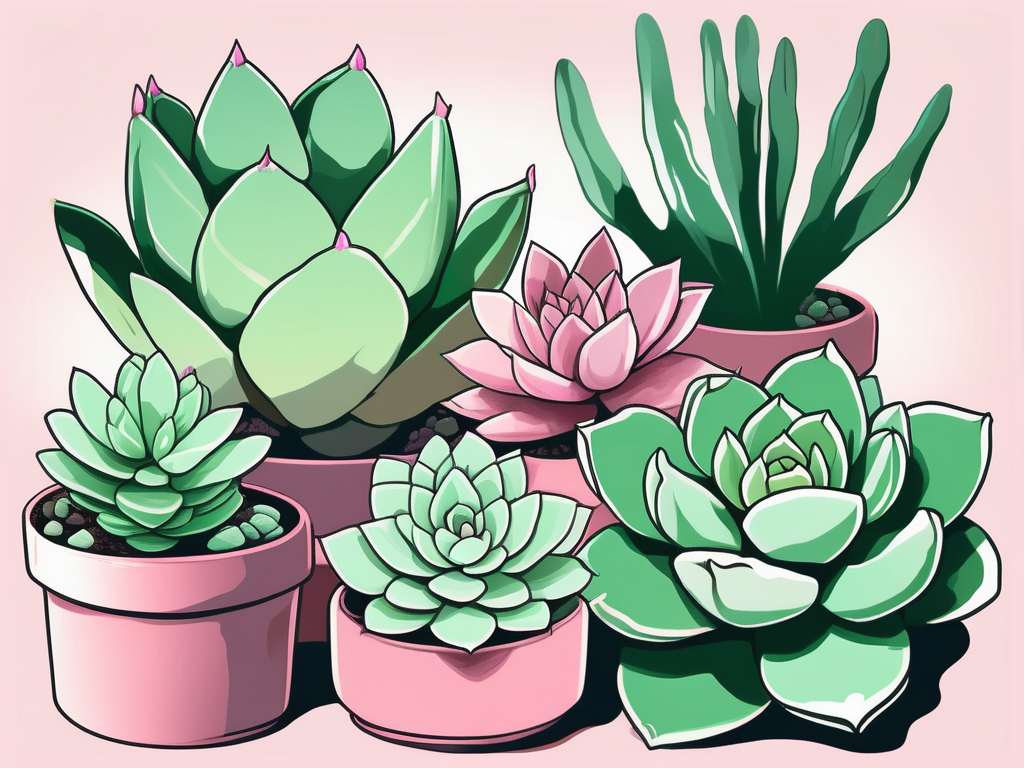
If you’re a plant lover with a soft spot for succulents, you’ve probably come across the charming Echeveria. Known for their stunning rosette shapes and vibrant colors, these beauties can brighten up any room. But let’s face it, understanding exactly what kind of light they need can sometimes feel like a puzzle.
In this article, we’re going to unravel the mystery of Echeveria’s light requirements. From figuring out the best spot in your home to handling common light-related issues, we’ll cover everything you need to know to keep your Echeveria happy and healthy.
The Basics: What Light Does Echeveria Prefer?
Echeverias are sun-loving succulents, native to semi-desert regions of Central America. Their natural habitat gives us a big clue about their light needs—they thrive in bright, direct sunlight. However, like many things in life, it’s about balance. Too much direct sunlight can scorch their leaves, especially during peak summer afternoons, while too little light can lead to leggy growth.
So, what’s the sweet spot? If possible, aim for about six hours of bright, indirect sunlight a day. A south-facing window is often ideal because it provides ample light without the harshness of the midday sun. If your south-facing window gets too hot, consider filtering the light with a sheer curtain.
For those living in less sunny areas, don’t worry. Echeverias can adapt to indoor environments with the help of some artificial lighting. Grow lights can be a great addition, especially in the darker months. Aim for full-spectrum LED lights, which mimic natural sunlight and can be positioned close to your plants for optimal growth.
Spotting the Signs: Is Your Echeveria Getting Enough Light?
How do you know if your Echeveria is basking in the right amount of sunshine? Your plant will give you hints. Here’s what to look out for:
- Healthy Echeveria: A happy plant will have vibrant, consistent coloring and a compact rosette shape. The leaves will feel firm to the touch, not mushy or brittle.
- Too Little Light: If your Echeveria is stretching or becoming leggy, it’s reaching for more light. This is known as etiolation, where the plant grows tall and sparse to search for sunlight.
- Too Much Light: Scorched or bleached leaves indicate sunburn. Look for brown, crispy patches or a general fading of color.
By observing these signs, you can adjust your plant’s location to better meet its needs. If your Echeveria is reaching for the light, try moving it closer to a window. If it’s sunburned, pull it back a bit or provide some shade during the hottest part of the day.
Adjusting Light for Seasonal Changes
Just like humans, plants experience changes throughout the year, and Echeverias are no exception. Seasonal changes in light can affect how much sun your plant gets, and it’s important to tweak their environment accordingly.
During the summer, the sun is stronger, and your Echeveria might need a break from direct rays. A spot with morning sun and afternoon shade can work wonders. In contrast, winter days are shorter, and the light isn’t as intense. This might be a good time to move your plant to a sunnier spot or supplement with a grow light.
One clever trick is to rotate your Echeveria every few weeks. This ensures even light exposure on all sides, preventing uneven growth. Rotating your plant is like giving it a little workout, encouraging balanced development.
Indoor vs. Outdoor Echeveria: Finding the Right Balance
Deciding whether to keep your Echeveria indoors or outdoors can be tricky. Both environments have their perks and challenges. Let’s break it down:
Indoor Echeveria:
- Pros: You have more control over the environment. It’s easier to protect your plant from extreme weather, pests, and too much direct sunlight.
- Cons: Indoor lighting can be less intense. You may need to supplement with grow lights, especially during winter.
Outdoor Echeveria:
- Pros: Natural sunlight is abundant, and the plant can develop more vibrant colors.
- Cons: You need to be cautious of weather changes and potential overexposure to the sun, which can lead to sunburn.
Ultimately, the choice depends on your climate and home setup. If you live in a mild climate with lots of sun, an outdoor Echeveria in a sheltered spot might thrive. For those in colder or very hot areas, indoors might be safer.
Artificial Lighting: A Helping Hand
Sometimes, natural light just doesn’t cut it. Whether it’s due to your home’s layout or a particularly dreary season, artificial lighting can be a lifesaver. But how do you go about setting up optimal lighting for your Echeveria?
First, choose the right type of light. Full-spectrum LED grow lights are a popular choice because they closely mimic natural sunlight. They’re energy-efficient and don’t emit much heat, which means you can position them closer to your plants without fear of burning.
Position your grow lights about 6-12 inches above your Echeveria. This simulates the midday sun. You’ll want to leave the lights on for about 12-14 hours a day to mimic the natural daylight cycle. Using a timer can automate this process, making it hassle-free.
Remember to monitor your plant’s response to the new light source. If you notice any signs of stress, like bleaching or leaf burn, adjust the distance of the light or reduce the exposure time.
Common Mistakes and How to Avoid Them
Even the most seasoned plant parents make mistakes. Here are some common errors when it comes to lighting Echeverias, and how you can steer clear of them:
- Ignoring Seasonal Changes: Many people forget that the sun’s intensity changes with the seasons. What works in summer might not suffice in winter.
- Overexposure: Placing your Echeveria in constant direct sunlight can lead to sunburn. Keep an eye out for bleached or crispy leaves.
- Underexposure: Not giving enough light is a common misstep. If your plant starts stretching, it’s time to move it to a brighter spot.
A little awareness and flexibility can make all the difference. Regularly check your plant and adjust its position as needed. Think of it like finding the perfect spot for a cozy chair—you might need to move it around a few times to find the best fit.
Designing Your Space with Echeverias
Aside from their light needs, Echeverias are a joy to incorporate into home décor. Their striking form can add a touch of elegance and interest to any space. Here’s how you can showcase them beautifully while meeting their light requirements:
Consider using floating shelves near windows. This not only ensures they get ample light but also creates a visually pleasing display. Grouping several Echeverias together can make a stunning focal point, especially if you mix different species for color and texture variety.
You can also place them on windowsills, where they can soak up the sun. Just ensure they’re not pressed against cold glass in winter, as this can cause temperature stress.
If you’re feeling a bit creative, try a hanging planter. This can be a great solution for homes with limited surface space. Just make sure your Echeverias are still within reach of good lighting.
When to Seek Expert Help
If you’ve tried everything and your Echeveria still isn’t thriving, it might be time to consult the pros. Online forums, plant care apps, and local nurseries can offer tailored advice based on your specific conditions.
Sometimes, the issue might not be light-related at all. Pests, poor soil, or incorrect watering can also affect your plant’s health. A comprehensive approach can help you troubleshoot and get your Echeveria back on track.
Don’t be afraid to ask for help. Even the most seasoned plant parents reach out to their community for advice. Remember, plant care is a journey, and every challenge is a chance to learn more.
Final Thoughts
Keeping an Echeveria healthy and happy is all about understanding its light preferences and adjusting as necessary. By paying attention to the signals your plant gives you and making small changes, you can create the perfect environment for it to thrive.
At Cafe Planta, we're passionate about helping you build a thriving plant collection. Whether you're looking for new plants or need some advice, feel free to email us or send a DM on Instagram. We're here to support you on your plant journey, bringing nature's beauty into your home.