Neon Pothos is a star in the world of houseplants, bringing a pop of electric color to any room. But as vibrant as these beauties are, understanding their light needs can be a bit tricky. If you've ever wondered how to keep those neon leaves thriving, you're not alone!
In this article, we'll explore the ideal lighting conditions for Neon Pothos, common issues related to lighting, and how to adjust their environment for optimal growth. Whether you're a seasoned plant lover or just starting your collection, these insights will help you keep your Neon Pothos glowing.
Getting to Know Neon Pothos
Let's start with a little backstory. The Neon Pothos, also known scientifically as Epipremnum aureum, is a popular houseplant known for its bright, lime-green foliage. It's a cultivar of the Golden Pothos and is often praised for its resilience and air-purifying qualities. But what really sets it apart is its striking neon color that can brighten even the dullest of spaces.
But why does light matter so much for these plants? Like all pothos varieties, Neon Pothos relies on light to perform photosynthesis. This process allows the plant to convert light energy into the chemical energy it needs to grow. The neon coloration of its leaves is also a result of this light absorption process.
Interestingly enough, Neon Pothos is quite flexible when it comes to lighting, making it a favorite among plant owners who might not have access to bright, direct sunlight. However, understanding the nuances of its light needs will ensure it remains vibrant and healthy.
Ideal Light Conditions for Neon Pothos
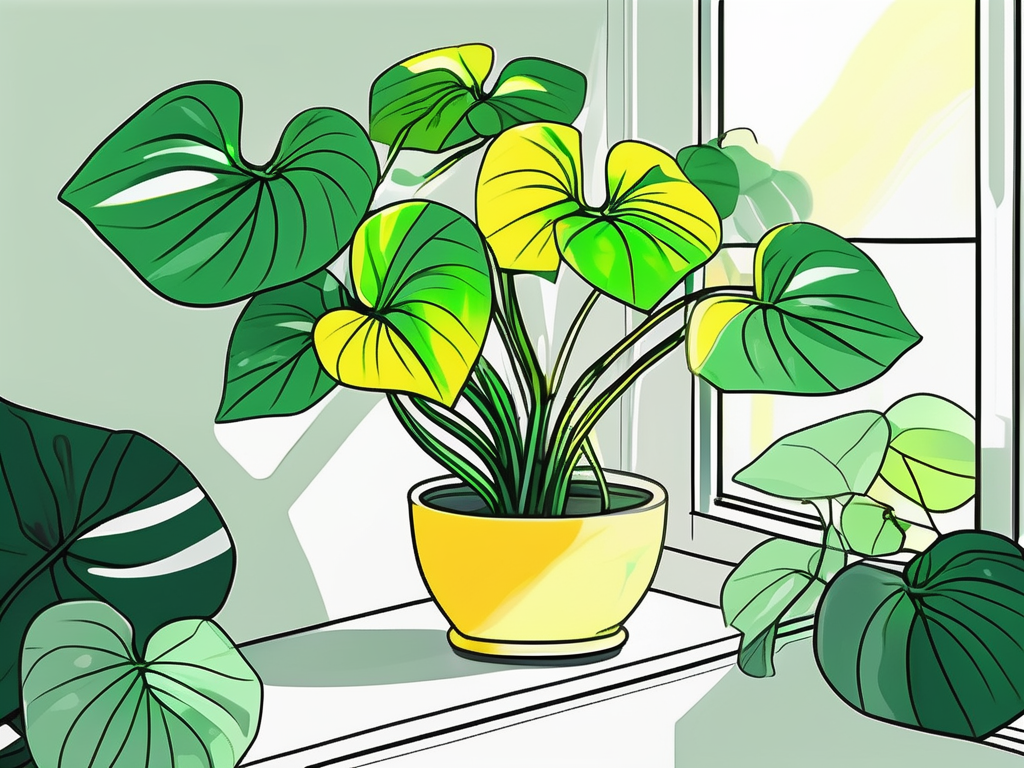
So, what are the sweet spots for Neon Pothos? These plants thrive in bright, indirect light. Think of it like this: they love to bask in a well-lit room but not directly under the sun's harsh rays. Imagine sitting by a window with a sheer curtain. The sunlight is there, but it's diffused. That's the kind of environment they enjoy.
Direct sunlight can be a bit too intense for them, leading to leaf scorching. If you notice the leaves turning brown or crispy, it might be a sign that they're getting too much sun. On the other hand, if the neon color starts to fade, it could mean they're not getting enough light.
In essence, the ideal spot for your Neon Pothos is near a window with plenty of natural light but shielded from direct sunlight. East-facing windows are usually a great option, offering gentle morning light. If that's not possible, don't worry! These adaptable plants can also tolerate low-light conditions, although their growth might slow down a bit.
Signs Your Neon Pothos Needs More Light
Plants have their ways of communicating with us, and Neon Pothos is no different. If it's feeling a little light-starved, it'll show you some signs. One tell-tale sign is the elongation of stems. If your plant starts looking leggy, with long spaces between leaves, it's a sign it's stretching toward the light.
Another clue is the fading of that signature neon color. If your plant starts looking more like a regular pothos, it might be time to reevaluate its lighting situation. Leaves might also become smaller and growth can stall, making your plant look sparse rather than bushy and full.
To remedy this, try moving your plant closer to a light source. Artificial lighting can also work wonders. Fluorescent lights or LED grow lights can supplement natural light, especially during the shorter days of winter. Just make sure to keep these lights a few feet away to avoid overwhelming your plant.
Protecting Neon Pothos from Too Much Light
On the flip side, too much light isn't great either. As mentioned earlier, direct sunlight can scorch the leaves, leading to brown, crispy edges. This is especially true in the summer months when the sun is at its strongest.
If you notice signs of sunburn, consider relocating your plant to a spot with filtered light. You can use sheer curtains to diffuse the sunlight or move the plant further away from the window. In some cases, rotating your plant every week can help ensure even light distribution.
Remember, while Neon Pothos is forgiving, consistent exposure to harsh conditions can stress the plant. Regular checks and adjustments can prevent any light-induced mishaps and keep your plant looking its best.
Using Artificial Light for Neon Pothos
Not every home is blessed with ample natural light, and that's where artificial lighting comes into play. Neon Pothos can adapt to artificial lights quite well, which is great news for those living in apartments or homes with limited window space.
When choosing artificial lighting, consider full-spectrum LED grow lights. These mimic natural sunlight and provide all the wavelengths your plant needs. You can place these lights about 12-18 inches above your plant for optimal results.
Keep the lights on for about 12-14 hours a day. It might sound like a lot, but remember, these lights are usually less intense than natural sunlight. Timers can be a handy tool to ensure your plant gets consistent lighting without you having to remember to switch the lights on and off.
Seasonal Adjustments for Light
Just like us, plants experience changes with the seasons. As days get shorter in winter, you might need to make some adjustments to ensure your Neon Pothos continues to thrive.
In winter, natural light is often less intense and available for fewer hours. If your plant is near a window, you might want to move it closer to capture the limited sunlight. Again, artificial lighting can be a great supplement during these months.
On the contrary, summer brings longer days and more intense sunlight. Be cautious of sun exposure during this time. You might need to pull your plants back from the windows to prevent scorching, especially if they're in south or west-facing rooms.
Common Myths About Neon Pothos Light Needs
With so much information out there, it can be hard to separate fact from fiction. One common myth is that all pothos plants, including the Neon variety, can thrive in completely dark spaces. While they are indeed tolerant of low light, complete darkness isn't conducive to healthy growth.
Another misconception is that more light always equates to faster growth. While Neon Pothos does need adequate light to grow, too much intense light can do more harm than good. Balance is key, and understanding your plant's natural habitat can guide you in recreating similar conditions.
Finally, some believe that these plants can handle any artificial light. Not all artificial lights are created equal, and choosing the right type, like full-spectrum LEDs, is crucial for ensuring your plant gets the best quality light.
Practical Tips for Adjusting Light Conditions
Now that we've covered the basics, let's get practical. Here are some tips to fine-tune the lighting conditions for your Neon Pothos:
- Observe Your Plant: Regularly check your plant for signs of stress, such as wilting, fading color, or leaf burn. Being attentive can help you catch issues early.
- Experiment with Placement: Don't be afraid to move your plant around to find its happy spot. What works in summer might not be ideal in winter, so be flexible.
- Use Reflective Surfaces: Mirrors or white walls can help bounce light onto your plant, maximizing whatever natural light is available.
- Rotate Regularly: Give your plant a little spin every week to ensure all sides receive equal light exposure. This can help maintain a balanced shape.
These simple adjustments can make a significant difference in how your Neon Pothos grows and flourishes.
Creating a Balanced Environment
While light is crucial, it's just one piece of the puzzle. Creating a balanced environment involves considering other factors like humidity, temperature, and watering needs. Neon Pothos prefers moderate humidity and temperatures between 60-85°F. Consistent temperatures and humidity levels complement the lighting, helping your plant stay vibrant.
In terms of watering, ensure your plant is not overwatered, especially in lower light conditions where water evaporation is slower. The soil should dry out between waterings, and using a pot with drainage holes can prevent waterlogging.
By considering these elements together, you create a holistic environment that supports your plant's overall health and growth.
Final Thoughts
We've covered the essentials of lighting for your Neon Pothos, from understanding its preferred conditions to identifying and addressing common light-related issues. By fine-tuning the light in your home, you'll ensure that your plant not only survives but thrives.
At Cafe Planta, we love sharing our passion for plants and helping fellow plant lovers succeed. If you have questions or need more guidance, feel free to email us or reach out on Instagram. We believe in the power of plants to connect us with nature and each other, and we're here to support you on your plant journey!