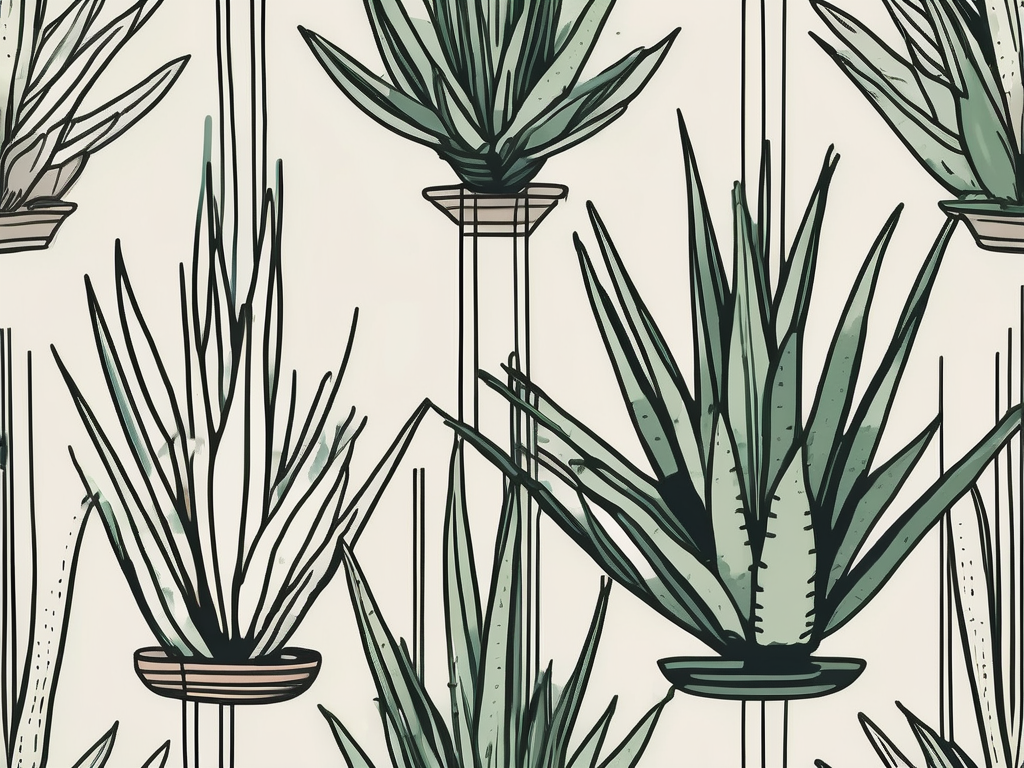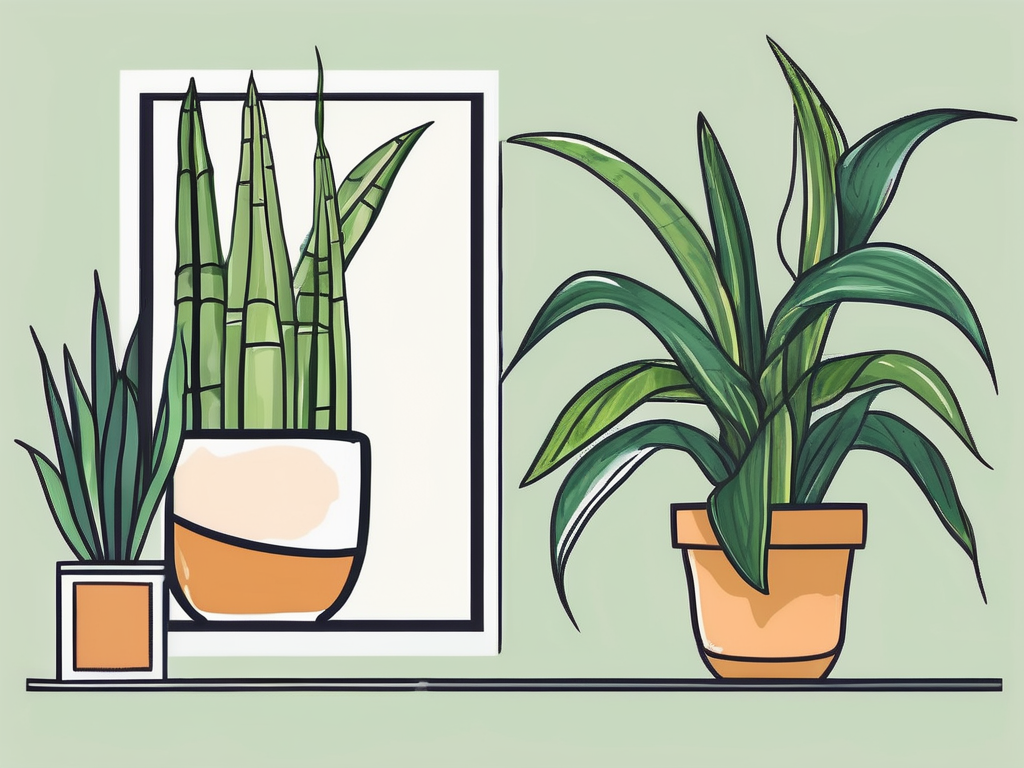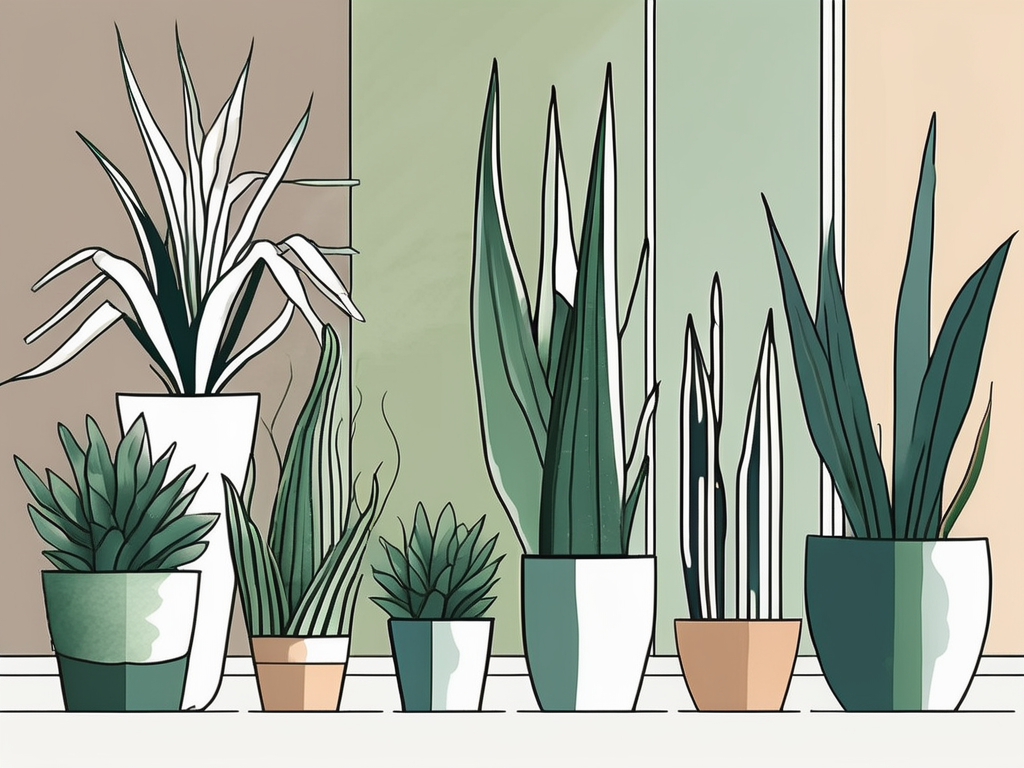
Sansevieria, commonly known as snake plant or mother-in-law's tongue, is a popular choice among plant lovers for its striking appearance and easygoing nature. But, like all houseplants, it has its own set of light requirements that can make or break its health. Understanding these needs will help you keep your snake plant thriving.
In this article, we'll explore everything you need to know about the light needs of Sansevieria. From understanding the types of light this plant prefers to practical tips on how to position it in your home, we've got you covered. Let's shed some light on this topic!
Getting to Know Sansevieria
Before we dive into the specifics of light, let's chat a bit about what makes Sansevieria so special. These hardy plants are native to West Africa, where they have adapted to survive in a variety of conditions. Their ability to tolerate neglect and poor conditions makes them a favorite among busy plant parents.
The key to their resilience lies in their thick, upright leaves that store water, allowing them to go for long periods without watering. No wonder they're often recommended for beginners! However, understanding their light preferences can take your Sansevieria care from good to great.
Understanding Light: Direct, Indirect, and Low Light
When it comes to lighting, Sansevierias are quite versatile. However, it's important to understand the differences between direct, indirect, and low light to make the best decision for your plant.
- Direct Light: This is when sunlight hits the plant directly without any obstructions. While some plants thrive in direct light, it can be too harsh for Sansevieria, causing scorching and damage.
- Indirect Light: This occurs when the light is diffused through a curtain or reflected off a surface before it reaches the plant. Sansevieria thrives in bright, indirect light, as it mimics their natural habitat.
- Low Light: Think dimly lit corners or areas that receive little natural light. Sansevieria can tolerate low light, but it won't grow as well or as fast as it would in brighter conditions.
Understanding these terms helps you assess your home's light conditions and find the perfect spot for your snake plant.
Finding the Right Spot in Your Home
Now that we know Sansevieria prefers bright, indirect light, let's figure out where to place them in your home. The right spot can make all the difference in your plant's health and growth.
Consider placing your Sansevieria near a north or east-facing window, where it can soak up plenty of indirect sunlight. If you have a south or west-facing window, keep it a few feet away or use a sheer curtain to diffuse the light.
Here are some additional placement tips:
- Try placing your plant on a shelf or table that gets filtered light throughout the day.
- Rotate your plant every few weeks to ensure even growth and prevent it from leaning towards the light source.
- If your home lacks natural light, consider using a grow light to supplement your Sansevieria's needs.
By experimenting with placement, you can find the perfect spot that keeps your snake plant happy.
Signs Your Sansevieria Needs More or Less Light
Plants have a way of communicating their needs if you know what to look for. When it comes to light, Sansevieria will show certain signs if it's not getting the right amount.
If your snake plant isn't receiving enough light, you might notice the following:
- Slow growth or no growth at all.
- Leaves becoming pale or losing their vibrant coloration.
- Leggy growth, where the leaves grow longer and thinner as they reach for more light.
On the other hand, too much light can cause:
- Scorched or burnt leaf tips and edges.
- Yellowing of leaves, particularly those closest to the light source.
- Brown spots appearing on the leaves due to sunburn.
Observing these signs will help you adjust your plant's position and lighting conditions to better suit its needs.
How Seasonal Changes Affect Light Conditions
Light conditions in your home can change with the seasons, impacting how much light your Sansevieria receives. As the days get shorter in winter, you might notice less sunlight in rooms that were previously bright.
During the winter months, you may need to move your plant closer to a window or supplement with a grow light to ensure it continues to receive adequate light. Conversely, in the summer, you might need to pull it back from windows that receive intense afternoon sun to prevent scorching.
Here's a quick checklist to help manage seasonal light changes:
- Monitor the amount of light throughout the year and adjust your plant's location as needed.
- Consider using sheer curtains or blinds to filter harsh sunlight during summer.
- Invest in a grow light if your home doesn't get enough natural light during the winter months.
Being mindful of these seasonal shifts can ensure your Sansevieria stays healthy year-round.
Artificial Lighting: A Solution for Low-Light Homes
Not everyone has the luxury of abundant natural light in their homes. If you're dealing with low-light conditions, artificial lighting can be a great solution to meet your Sansevieria's needs.
Grow lights come in various types, including LED, fluorescent, and incandescent. LED grow lights are often recommended because they are energy-efficient, produce less heat, and can be customized for different light spectrums.
When using grow lights, consider these tips:
- Position the light about 12-18 inches above your plant to mimic natural sunlight.
- Set a timer to provide 10-14 hours of light each day, depending on your home's natural light levels.
- Rotate your plant regularly to ensure even light distribution.
Artificial lighting can be a fantastic way to give your Sansevieria the light it needs, even in the darkest corners of your home.
Common Mistakes and How to Avoid Them
Even with the best intentions, mistakes can happen when adjusting your plant's light conditions. Here are some common missteps and how to avoid them:
- Placing too close to windows: While it might seem like more light is better, direct sunlight can scorch Sansevieria leaves. Use curtains or keep the plant a few feet away from direct sunlight.
- Neglecting to rotate: Without regular rotation, your snake plant might grow unevenly. Aim to turn it every few weeks.
- Ignoring seasonal changes: As the seasons change, so do light levels. Be proactive about moving your plant to suit these shifts.
Avoiding these common pitfalls will help you maintain a healthy and thriving Sansevieria.
Enhancing Your Interior Design with Sansevieria
Besides being low-maintenance and visually striking, Sansevieria also offers design flexibility. Their upright, architectural form can complement a variety of interior styles, from modern minimalism to bohemian chic.
Here are some ideas for incorporating Sansevieria into your home decor:
- Accent pieces: Use a tall Sansevieria as a statement piece in a living room corner or entryway.
- Groupings: Pair with other plants of varying heights and textures for a lush, layered look.
- Containers: Choose pots that contrast or complement your interior style, like terracotta for a rustic feel or sleek metal for a modern touch.
By thoughtfully placing Sansevieria within your space, you can elevate the aesthetic of your home while enjoying the benefits of greenery.
Final Thoughts
Understanding the light needs of your Sansevieria can transform your plant care routine and lead to a flourishing home garden. By paying attention to lighting conditions and making necessary adjustments, you can ensure your snake plant thrives in your space.
At Cafe Planta, we believe in the power of plants to bring joy and inspiration to your home. Whether you have questions or need help selecting the perfect plant, feel free to email us or reach out on Instagram. We're here to support your plant journey and help you create a thriving indoor garden.