Have you ever looked at the striking Purple Waffle Plant and wondered how to keep its vibrant colors flourishing? You're not alone! This plant, known for its crinkled leaves and rich purple hue, can be a delightful addition to any home. But like any plant parent will tell you, understanding its light needs is crucial to keeping it happy and healthy.
In this article, we'll take a closer look at what makes the Purple Waffle Plant tick, particularly when it comes to lighting. From the basics of its natural habitat to practical tips on recreating those conditions in your home, we've got you covered. So, let's get started on this leafy journey!
Getting to Know the Purple Waffle Plant
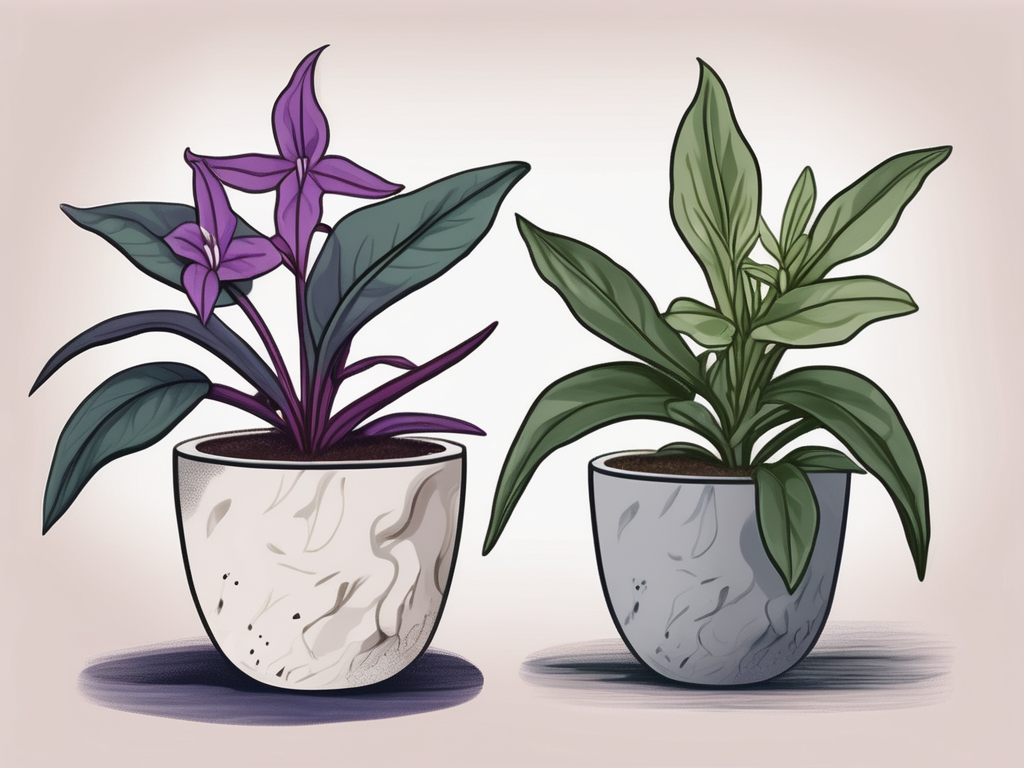
The Purple Waffle Plant, or Hemigraphis alternata, is a popular houseplant known for its unique textured leaves and deep purple underside. Originating from the tropical regions of Asia, it thrives in warm, humid environments. It's no wonder that this plant has become a favorite among plant lovers looking to add a pop of color to their indoor spaces.
One of the reasons the Purple Waffle Plant is so beloved is its relatively easy care requirements. Unlike some fussier plants, it doesn't demand constant attention. However, to truly bring out its vibrant colors, understanding its light needs is essential. In its natural habitat, the plant enjoys dappled sunlight filtering through the canopy of taller trees. This means that while it loves bright light, it doesn't do well under direct, harsh sunlight. Think of it as someone who enjoys a sunny day but prefers lounging under a beach umbrella rather than baking in the sun.
Knowing a bit about its background helps us understand why the right lighting is so important. Let's explore how you can recreate these conditions in your home and what to watch out for when it comes to your Purple Waffle Plant's light needs.
The Role of Light in Plant Health
Light is to plants what food is to us. It’s essential for their growth and overall well-being. Through the process of photosynthesis, plants convert light into energy, which fuels their growth and helps them produce the vibrant colors we love. For the Purple Waffle Plant, the right balance of light can make all the difference in maintaining those stunning purple leaves.
But what exactly is the "right balance" of light? This is where things can get a bit tricky. Too little light, and you'll notice your plant becoming leggy and losing its vibrant colors. On the other hand, too much direct sunlight can scorch the leaves, leaving them crispy and damaged. It's all about finding that sweet spot.
In general, Purple Waffle Plants do best in bright, indirect light. This means placing them near a window where they can get plenty of light without being in the direct path of the sun's rays. If your plant starts to lose its color or looks a bit sad, it might be time to reassess its lighting situation. Let's dig deeper into how you can achieve this balance in different parts of your home.
Choosing the Right Spot in Your Home
Finding the perfect spot for your Purple Waffle Plant is like matchmaking—it might take a bit of trial and error, but once you find the right spot, you'll know it because your plant will thrive. Here are a few tips to help you choose the best location:
- North-facing windows: These windows provide gentle, consistent light throughout the day, making them ideal for plants that need bright, indirect light.
- East-facing windows: These windows offer soft morning light, which is usually less intense and perfect for Purple Waffle Plants.
- Avoid south and west-facing windows: While these windows are great for sun-loving plants, they often have intense afternoon sunlight that can be too harsh.
- Use sheer curtains: If you don't have the ideal window, sheer curtains can help diffuse bright sunlight and create the perfect conditions.
If you're working with artificial light or live in a space with limited natural light, fear not. Many plant parents have found success using grow lights. These can mimic the natural light conditions the Purple Waffle Plant needs. Just be sure to choose a full-spectrum LED light and position it appropriately to avoid overexposure.
Signs Your Purple Waffle Plant Needs More Light
Sometimes, despite our best efforts, plants may not always get the light they need. Luckily, the Purple Waffle Plant is pretty good at letting you know when it's not happy with its lighting situation. Here are some tell-tale signs that your plant might need more light:
- Fading Color: If the vibrant purple hue begins to fade, it might be a sign that your plant isn't getting enough light.
- Leggy Growth: This occurs when stems become long and spindly as the plant stretches to reach more light.
- Slow Growth: A lack of light can stall growth, causing the plant to remain small and stagnant.
If you notice any of these signs, consider moving your plant to a brighter location or adjusting the light source. Remember, changes in lighting should be gradual to avoid stressing the plant.
What to Do If Your Plant Gets Too Much Sun
On the flip side, giving your Purple Waffle Plant too much sun can also cause issues. Direct sunlight can be intense and damaging, especially during the peak hours of the day. Here are some signs that your plant might be getting too much sun:
- Leaf Scorching: Brown, crispy edges on the leaves indicate sunburn.
- Wilting: The plant may become limp and droopy, even if the soil is adequately watered.
- Discoloration: Leaves might become pale or bleached due to excessive sun exposure.
If you spot these symptoms, it's time to move your plant to a shadier spot or use a sheer curtain to filter the light. Sometimes, simply rotating the plant to face away from the window can help reduce sun exposure.
Using Artificial Lighting
Not everyone has the luxury of abundant natural light, especially during the winter months or in apartments with limited windows. Fortunately, artificial lighting can be a great solution for keeping your Purple Waffle Plant happy. Here’s how you can make the most out of artificial lights:
- Choose the Right Type: Full-spectrum LED lights are ideal because they mimic natural sunlight.
- Positioning: Keep the light positioned about 6-12 inches above the plant. Too close, and you risk burning the leaves; too far, and it might not be effective.
- Timing: Aim for about 12-14 hours of artificial light a day to mimic the natural cycle of a tropical environment.
Artificial lights can be a game-changer for plant people living in low-light conditions, offering a consistent and controllable light source. Just remember, while artificial lighting can support your plant's growth, nothing beats the real thing when it comes to those vibrant colors.
Balancing Light with Other Care Needs
While light is crucial for the Purple Waffle Plant, it's not the only factor that affects its health. Balancing light with other care requirements is key to maintaining a thriving plant. Here’s what to keep in mind:
- Watering: Purple Waffle Plants prefer consistently moist soil, but not soggy. Adjust your watering schedule based on the light conditions. More light might mean more frequent watering.
- Humidity: As a tropical plant, it loves humidity. Consider using a pebble tray or humidifier, especially in drier climates.
- Temperature: Aim for temperatures between 60-80°F. Avoid placing the plant near drafts or heating vents.
By keeping these factors in balance, you’ll create a harmonious environment where your Purple Waffle Plant can thrive. Remember, every plant is unique, so observe yours closely and adjust care routines as needed.
Common Mistakes and How to Avoid Them
Even the most seasoned plant parents make mistakes from time to time. Here are some common pitfalls when it comes to lighting for the Purple Waffle Plant, along with tips on how to avoid them:
- Overexposure to Direct Sunlight: We’ve all been there—thinking more sun equals better growth. Instead, choose a spot with bright, indirect light.
- Neglecting to Rotate: Plants can grow unevenly if they’re not rotated regularly. Rotate your plant every few weeks to promote balanced growth.
- Ignoring Seasonal Changes: As the seasons change, so does the light in your home. Adjust your plant’s position or light source accordingly.
Learning from these mistakes can help you become a more attentive plant parent and ensure your Purple Waffle Plant remains healthy and vibrant.
Creating a Plant-Friendly Home
Integrating plants like the Purple Waffle Plant into your home isn't just about care—it's also about aesthetics and how these green companions can transform your space. Here are a few tips to create a plant-friendly home:
- Designate Plant Zones: Create areas in your home specifically for plants, ensuring they have the right light conditions.
- Combine with Decor: Use pots and planters that complement your home’s style, making your plants part of the decor.
- Vertical Space: Use shelves or hanging planters to utilize vertical space, perfect for trailing plants like the Purple Waffle.
By considering both the practical and aesthetic aspects, you can create a home that's not only beautiful but also conducive to plant growth. It's all about finding that balance and letting your personal style shine alongside your plant collection.
Final Thoughts
In wrapping things up, we've explored the light needs of the Purple Waffle Plant and how to ensure it thrives in your home. From understanding its natural habitat to recognizing signs of too much or too little light, these insights are sure to help you keep your plant vibrant and healthy.
At Cafe Planta, we’re passionate about helping you care for your plants and create a beautiful plant collection. Whether you’re a seasoned plant parent or just starting out, we’re here to support you. If you have any questions, feel free to email us or DM us on Instagram. We love connecting with fellow plant lovers and sharing our passion for greenery!