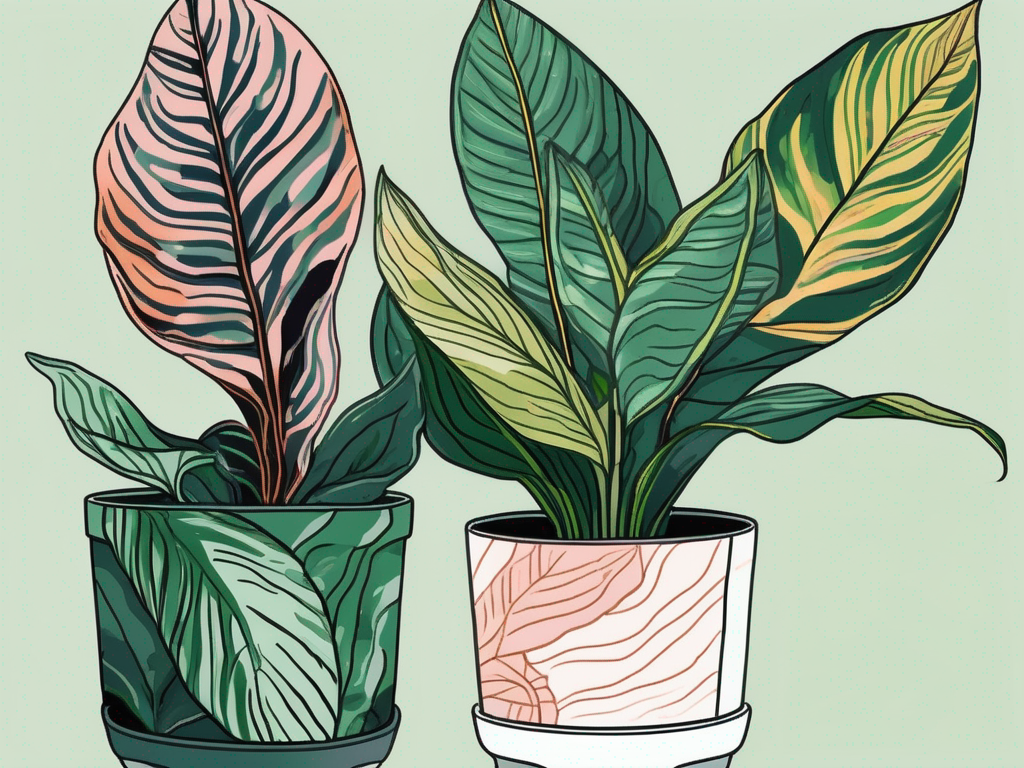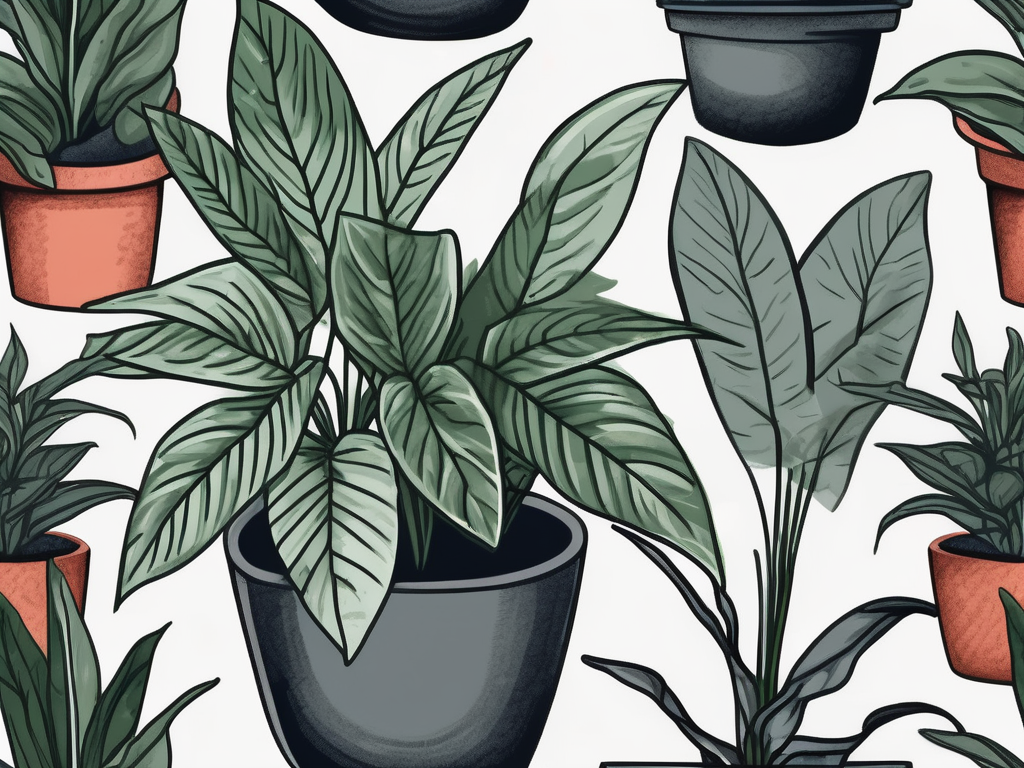
If you've ever owned an Arrowhead plant, you might have noticed some quirky little roots poking out above the soil. These are known as aerial roots, and they hold a fascinating role in the life of your plant. Whether you're a seasoned plant parent or just starting out, understanding these roots can help you care for your Arrowhead plant in the best way possible.
In this article, we'll chat about what aerial roots are, why they appear, and how to take care of them. We’ll also explore their significance in the plant’s natural habitat and provide some practical tips to keep your Arrowhead plant thriving. So, let’s get to know these curious roots a little better!
What Are Aerial Roots?
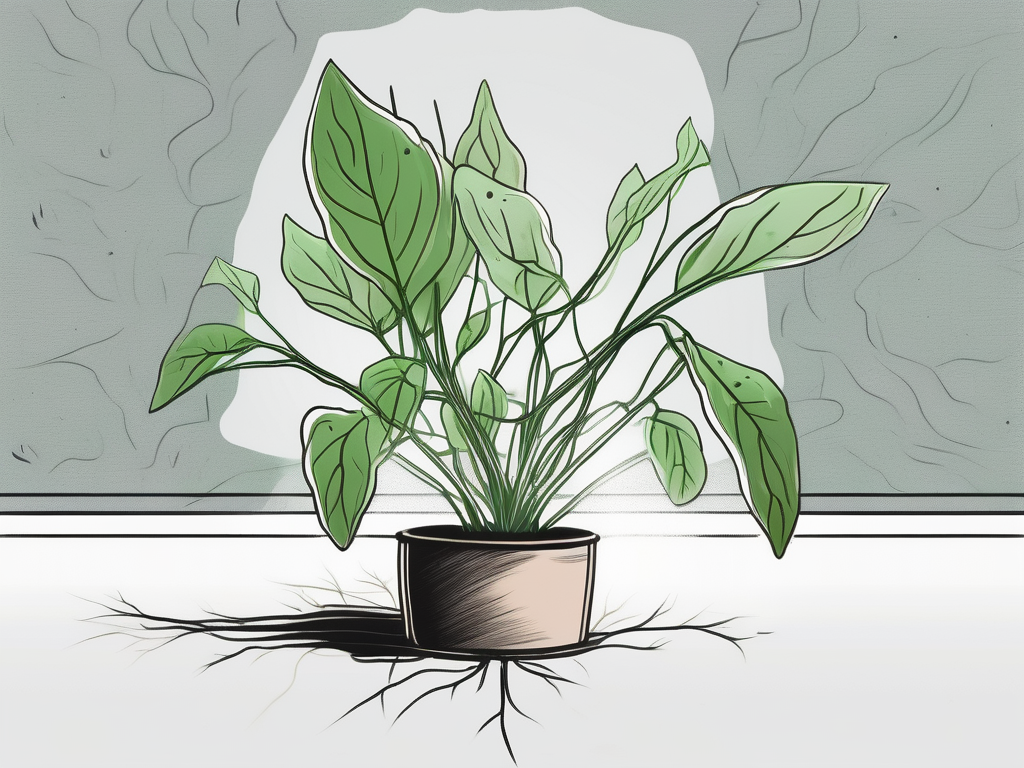
Aerial roots are roots that grow above the ground, and they're quite common in many plant species, not just Arrowhead plants. You might see them sprouting from the stem or even the leaves, reaching out into the air in search of something to grab onto. It's pretty cool, actually, how these roots have adapted to capture moisture and nutrients from the air.
In their natural habitat, Arrowhead plants, also known as Syngonium, are climbers. They use their aerial roots to latch onto trees and other structures, helping them scale up towards sunlight. These roots are like little explorers, venturing out to find support and sustenance. While they might look a bit strange, they’re perfectly normal and a sign of a healthy plant!
So, why do these roots develop in the first place? It all ties back to the plant's natural environment and its climbing nature. By growing these roots, the plant can spread out and reach more light, which is essential for photosynthesis. It’s just another fascinating way plants have evolved to survive and thrive in their surroundings.
Why Your Arrowhead Plant Grows Aerial Roots
Arrowhead plants are native to tropical rainforests where the competition for light is fierce. In such environments, climbing becomes a survival tactic. The plant’s aerial roots help it to anchor onto trees and other surfaces, allowing it to climb upwards towards the sun.
In a home setting, these roots can still serve a purpose. They help the plant absorb moisture from the air, which can be especially beneficial if your home tends to be on the dry side. The roots might also help the plant stabilize itself if it’s growing in a pot that’s a little too spacious.
Interestingly enough, the presence of aerial roots can also indicate that your plant is happy and healthy. They show that the plant is trying to grow and expand, which is always a good sign. However, if your plant seems to be producing a lot of these roots and it’s not climbing, it might be a signal that it’s looking for more support or light. In that case, you might want to consider giving it something to climb on or relocating it to a brighter spot.
Caring for Aerial Roots
Now that we know what aerial roots are and why they appear, let's talk about caring for them. The good news is that they don’t need much special attention. However, there are a few things you can do to ensure they’re healthy and happy.
First, consider the humidity levels in your home. Since these roots are adapted to absorb moisture from the air, keeping the humidity up will help them thrive. You can use a humidifier or place a tray of water near the plant to increase the moisture in the air.
- Don’t trim them unnecessarily: Aerial roots don’t hurt your plant, so there’s no need to cut them off unless they’re causing problems or you simply prefer a cleaner look.
- Provide support: If your plant is getting tall and leggy, think about giving it a moss pole or trellis to climb. This mimics its natural environment and helps those aerial roots do their job.
- Keep them clean: Dust can accumulate on aerial roots just like on leaves. Gently wiping them with a damp cloth can help keep them clean and healthy.
With these simple tips, your Arrowhead plant’s aerial roots can continue to do their thing without any fuss. Remember, they’re just doing what comes naturally to them!
Do Aerial Roots Need Soil?
You might be wondering if these aerial roots need to be buried in soil. The answer is no, they don’t. These roots are designed to function above the ground, and they’re perfectly fine hanging out in the air.
However, if you notice that your plant is producing a lot of aerial roots, it might be a sign that it’s looking for more stability. In that case, you could try to gently guide some of the roots towards the soil or a support structure. But don’t worry if they don’t reach the soil—these roots can still absorb moisture and nutrients from the air.
It’s also worth mentioning that if your plant is producing a lot of aerial roots, it might be a sign that it’s time to repot. Check to see if the main roots are cramped in the pot. If they are, you might want to consider giving your plant a bit more room to grow.
Common Misconceptions About Aerial Roots
There are a few common misconceptions about aerial roots that are worth addressing. The first is that they’re a sign of a problem. This isn’t true! As we’ve discussed, aerial roots are a natural part of the plant’s growth and can even indicate that your plant is healthy.
Another misconception is that aerial roots should be trimmed off. While you can trim them if they’re getting in the way or if you prefer a neater look, it’s not necessary for the plant’s health. In fact, removing them can sometimes do more harm than good.
Finally, some people believe that aerial roots can damage surfaces they come into contact with. While it’s true that they can latch onto surfaces, they’re unlikely to cause any significant damage. If you’re concerned, you can always provide a support structure for the plant to climb instead.
Incorporating Arrowhead Plants into Your Home Design
Arrowhead plants are not only beautiful but also versatile in home design. Their lush foliage and unique growth habits make them a great addition to any space. Here are some ideas on how to incorporate them into your home decor:
- Hanging Planters: Arrowhead plants look stunning in hanging planters, allowing their vines and aerial roots to cascade down beautifully.
- Climbing Poles: Use a moss pole or trellis to help your plant climb, adding vertical interest to your space.
- Terrariums: Smaller Arrowhead plants can thrive in terrariums, creating a miniature jungle vibe.
When incorporating Arrowhead plants into your home, consider the light and humidity levels of each space. These factors will ensure your plant thrives and looks its best.
Creating a Humid Environment for Your Arrowhead Plant
Since Arrowhead plants are native to tropical regions, they thrive in humid environments. Creating a humid environment in your home can be beneficial for these plants, especially if you live in a dry climate.
Here are some ways to increase humidity for your Arrowhead plant:
- Use a Humidifier: A humidifier is an effective way to maintain consistent humidity levels around your plant.
- Mist the Leaves: Lightly misting the leaves can provide a temporary humidity boost, but be careful not to overdo it to avoid mold.
- Group Plants Together: Grouping plants can create a microclimate with higher humidity as they release moisture into the air.
By maintaining adequate humidity levels, you can support the health and growth of your Arrowhead plant and its aerial roots.
Potential Issues with Aerial Roots and How to Manage Them
While aerial roots are generally harmless, there are a few potential issues to be aware of. If your plant is producing an excessive number of aerial roots, it could be a sign that it’s not getting enough moisture or nutrients from the soil. In such cases, try adjusting your watering routine or checking the soil quality.
If the aerial roots are becoming too long or unruly, you can gently guide them back towards the main body of the plant. This can help prevent them from tangling or becoming damaged.
Lastly, if you notice any discoloration or rot on the aerial roots, it might be a sign of overwatering or poor air circulation. Ensure your plant has proper drainage and good airflow to prevent these issues.
Benefits of Aerial Roots
Aerial roots might seem like a quirky feature, but they actually offer several benefits to the Arrowhead plant. Here are some advantages of these unique roots:
- Stability: Aerial roots provide stability to the plant, helping it anchor to surfaces and preventing it from toppling over.
- Moisture Absorption: These roots can absorb moisture from the air, which is especially helpful in drier environments.
- Nutrient Uptake: Aerial roots can also absorb nutrients from the air, supplementing the plant's nutrient intake.
By understanding the benefits of aerial roots, you can appreciate their role in keeping your Arrowhead plant healthy and thriving.
Final Thoughts
We've covered a lot about those fascinating aerial roots on your Arrowhead plant, from what they are to how they help your plant thrive. They're a natural and beneficial part of the plant's growth, lending a hand in stability, moisture absorption, and even nutrient intake.
At Cafe Planta, we’re passionate about helping you care for your plants. Whether you need advice or are looking to expand your plant collection, we’re here to help. Feel free to email us or reach out on Instagram. We believe that plants connect us to nature and each other, and we’re excited to share this journey with you!