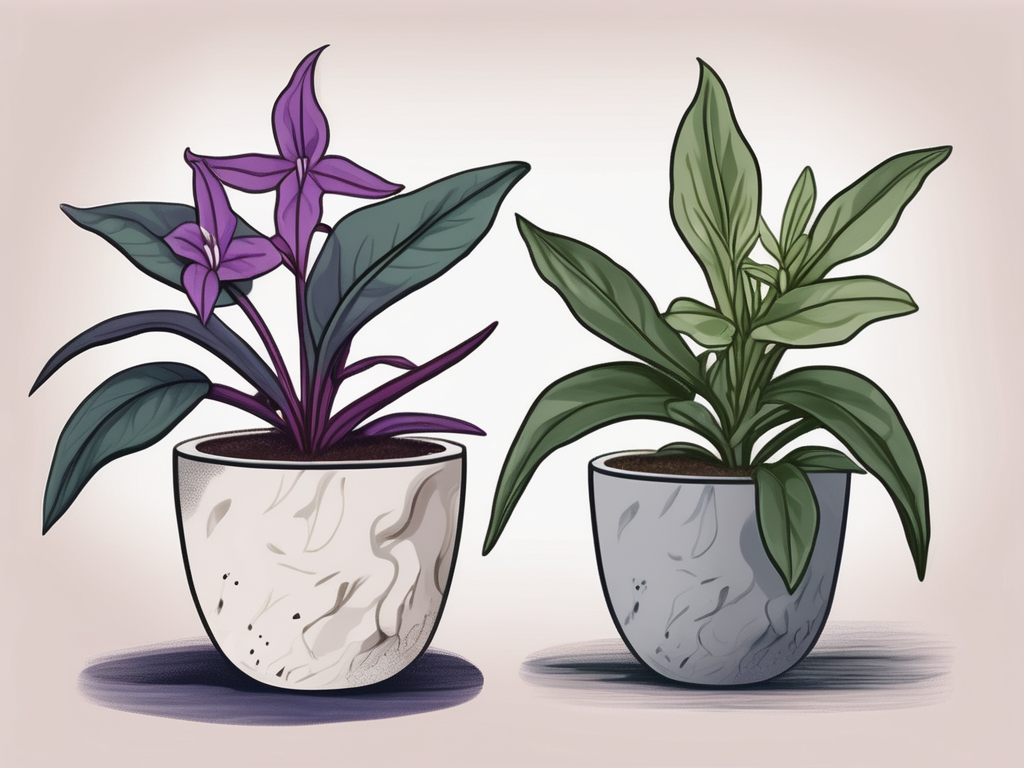
The Purple Waffle Plant—what a name, right? With its eye-catching foliage and unique texture, it's no wonder this plant is a favorite among plant lovers. But beyond its surface beauty, the root system of the Purple Waffle Plant holds the key to its successful care. Understanding this hidden part of the plant world can make all the difference in keeping your leafy friend happy at home.
In this article, we'll explore the root system of the Purple Waffle Plant, offering insights and tips for nurturing it successfully. From selecting the right potting mix to recognizing signs of root distress, we'll cover everything you need to know to grow a thriving Purple Waffle Plant.
The Basics of Purple Waffle Plant Roots
The root system of the Purple Waffle Plant, also known as Hemigraphis alternata, is quite fascinating. These plants have shallow roots, which means they don't dive too deeply into the soil. Instead, the roots spread out more horizontally, forming a network just below the surface. This shallow rooting system allows the plant to absorb nutrients and water efficiently, which is crucial for its vibrant growth.
Because of this unique root structure, Purple Waffle Plants are particularly suited for small pots and containers, making them perfect for indoor settings. The shallow roots also mean these plants are less likely to suffer from root rot compared to those with deeper, more compact root systems—provided they aren't overwatered, of course. It's a bit like having a safety net, but even safety nets need checking once in a while!
Understanding this root behavior is the first step in ensuring you give your Purple Waffle Plant the best home possible. Knowing that your plant prefers shallower soil allows you to tailor your care routine to its natural needs.
Choosing the Right Soil
Now that we know about the Purple Waffle Plant's shallow roots, let's talk soil. These plants thrive in well-draining soil, which helps prevent water from sitting around the roots for too long. A mix that's too dense can suffocate the roots, leading to a range of issues, including root rot. Nobody wants that, right?
When shopping for soil, look for a potting mix that includes components like peat moss, perlite, or sand. These ingredients help create aeration pockets, allowing excess water to drain away while retaining enough moisture for the plant's needs. If you're feeling adventurous, you can even create your own mix by combining equal parts potting soil, perlite, and peat moss.
Here are a few things to keep in mind when selecting soil:
- Texture: Aim for a light and airy texture that allows roots to move and breathe.
- Nutrients: While Purple Waffle Plants aren't heavy feeders, a slow-release fertilizer in the soil can give them a gentle nutrient boost.
- pH Level: These plants prefer slightly acidic to neutral soil, with a pH around 6.0 to 7.0.
By choosing the right soil, you're setting your Purple Waffle Plant up for success from the ground up—literally!
Watering Wisely
Watering is where many plant parents go wrong, and with the Purple Waffle Plant's particular root system, it's a crucial aspect to get right. As a general rule, these plants prefer consistently moist soil, but not soggy. Think of it like a well-wrung-out sponge—moist but not dripping.
Here are some watering tips to keep in mind:
- Check the Top Inch: Before watering, stick your finger about an inch into the soil. If it's dry at this depth, it's time to water. If not, hold off and check again in a day or two.
- Use Room Temperature Water: Cold water can shock the roots, while warm water might encourage bacterial growth. Aim for room temperature water for a gentle, safe watering session.
- Drainage is Key: Ensure your pot has adequate drainage holes. Any water that can't escape might drown your plant's roots.
By mastering the art of watering, you'll help your Purple Waffle Plant's roots thrive, promoting overall plant health and vigor. Just remember, it's always better to underwater than overwater!
Recognizing Root Distress
Even with the best care, sometimes things go awry. Recognizing signs of root distress early can save your Purple Waffle Plant from serious issues down the line. Common symptoms to watch for include yellowing leaves, wilting, and a general lack of growth. But how do you know if these are tied to root problems?
Here are some telltale signs:
- Root Rot: If you notice a foul smell coming from the soil or see blackened, mushy roots when repotting, root rot might be the culprit. This typically results from overwatering or poor drainage.
- Root Binding: When a plant outgrows its pot, the roots can become tangled and matted, restricting their ability to absorb nutrients and water.
- Pest Infestation: Look for signs of pests around the root area, such as fungus gnats. These pests often thrive in overly moist conditions.
If you suspect root distress, act quickly. Adjust your watering habits, check for pests, and consider repotting if the plant seems root-bound. A little intervention can go a long way in restoring your plant's health.
Repotting the Purple Waffle Plant
Repotting is an essential part of caring for your Purple Waffle Plant, especially as it grows and its roots start to outgrow their current home. Fortunately, the process is straightforward and doesn't need to be intimidating. In fact, it can be quite rewarding!
Here’s a simple guide to repotting:
- Select a New Pot: Choose a pot that's about one or two inches larger in diameter than the current one. Ensure it has drainage holes.
- Prepare the Soil: Use a fresh batch of well-draining potting mix. You can use the same mix we discussed earlier.
- Remove the Plant: Gently lift the plant from its pot. You might need to loosen the soil around the edges first.
- Check the Roots: Inspect the roots for signs of rot or binding. Trim away any unhealthy roots with sterilized scissors.
- Replant and Water: Place the plant in its new pot, fill in with soil, and water thoroughly to help settle the soil around the roots.
After repotting, give your plant some time to adjust to its new environment. Keep it in a spot with indirect light and monitor its water needs more closely for the first few weeks. With a little patience, your Purple Waffle Plant will be back to its vibrant self.
Fertilizing Your Plant
Fertilizing might not be the first thing on your mind when it comes to plant care, but it can make a significant difference for the Purple Waffle Plant's health and growth. The right nutrients support the root system, encouraging robust development and vibrant foliage.
Consider these tips for fertilizing:
- Use a Balanced Fertilizer: A general-purpose, balanced fertilizer with equal parts nitrogen, phosphorus, and potassium (often labeled as 10-10-10) works well.
- Frequency: Fertilize every four to six weeks during the growing season (spring and summer). Reduce or stop during the fall and winter months.
- Application: Follow the package instructions closely. Over-fertilizing can burn the roots and damage the plant.
By providing the right nutrients, you're giving your Purple Waffle Plant the energy it needs to grow strong and healthy. Just remember, a little goes a long way!
Light and Temperature Requirements
While this article is all about roots, we can't ignore the importance of the right environment above ground. Light and temperature play a vital role in the health of your Purple Waffle Plant's root system, so it's good to know what these plants prefer.
Here’s what you need to consider:
- Light: Purple Waffle Plants thrive in bright, indirect light. Direct sunlight can scorch their leaves, while too little light can lead to leggy growth.
- Temperature: These plants prefer temperatures between 60°F and 75°F. Avoid placing them near drafts, heaters, or air conditioners, as sudden temperature changes can stress the plant.
By providing the right light and temperature conditions, you're ensuring that your Purple Waffle Plant's root system is supported by a healthy top growth. This balance is key to maintaining overall plant health.
Common Root Pests and How to Handle Them
Even with the best care, pests can sometimes find their way to your Purple Waffle Plant. Knowing how to identify and handle these unwelcome visitors is crucial to maintaining a healthy root system.
Here are some common pests to watch for:
- Fungus Gnats: These tiny flies thrive in moist soil and can damage roots in their larval stage. Use yellow sticky traps and allow the soil to dry out more between waterings.
- Root Mealybugs: These pests can cause stunted growth and root damage. Treat with insecticidal soap or neem oil, and ensure the plant is not overwatered.
Regularly inspecting your plant and maintaining a clean environment can help prevent these pests from taking hold. A little vigilance goes a long way in keeping your plant pest-free.
Creating a Comfortable Home for Your Plant
Finally, let's talk about creating a cozy home for your Purple Waffle Plant. After all, a plant's environment can significantly affect its root health. Consider the aesthetics and functionality of the space where your plant lives.
Here are some ways to make your plant feel at home:
- Stylish Pots: Choose pots that complement your home décor. Just ensure they have drainage holes!
- Plant Stands: Elevate your plant with a stand to showcase its beauty and ensure good air circulation.
- Humidity: Purple Waffle Plants appreciate a bit more humidity. Group plants together or use a humidity tray to increase moisture.
By creating a comfortable environment, you're not only boosting your plant's health but also adding a touch of nature to your home. It's a win-win!
Final Thoughts
The Purple Waffle Plant's root system might be hidden from view, but it's a vital part of ensuring your plant thrives. By understanding its unique needs, from soil and watering to recognizing root distress, you're better equipped to care for this beautiful houseplant.
At Cafe Planta, we believe that plants are more than just decoration—they're living companions that bring joy and serenity to our lives. Whether you're shopping for a new plant friend or need advice, feel free to reach out via email or Instagram. We're here to help you create a thriving plant collection that suits your unique space and style!