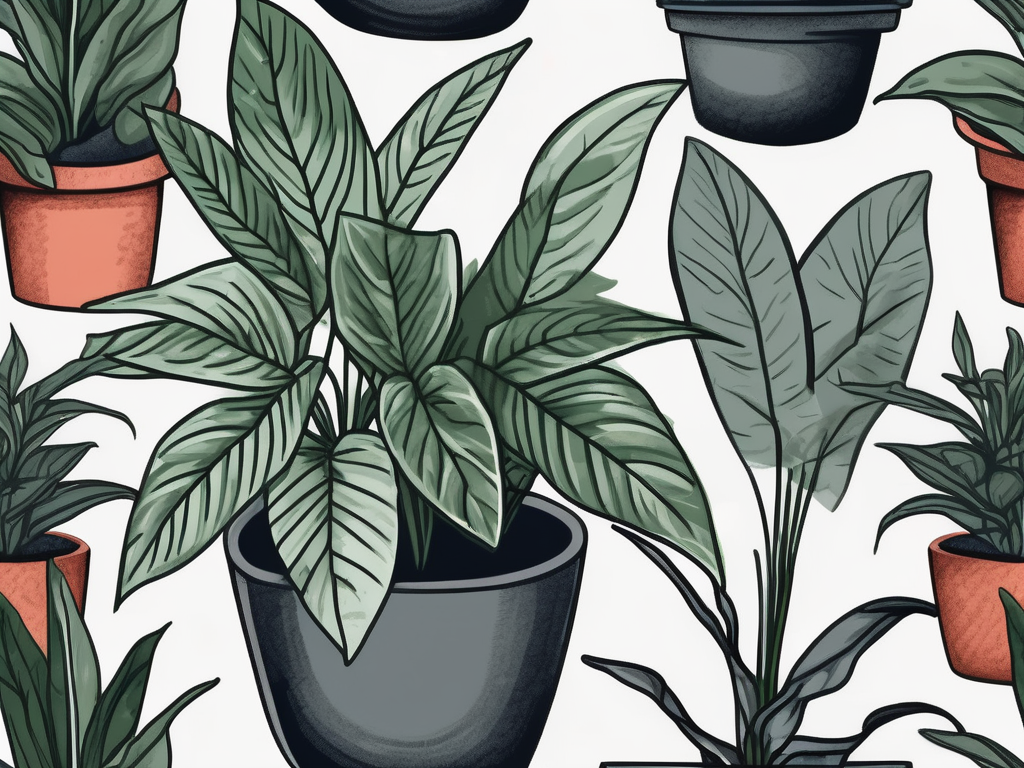
Philodendrons are like the comforting friends of the plant world, known for their easy-going nature and lush foliage. Whether you're a new plant parent or a seasoned green thumb, understanding how to keep these beauties thriving is important. One crucial aspect of their care is temperature tolerance. Let's explore what makes philodendrons tick when it comes to temperature.
In this article, we'll walk through the ideal temperature range for philodendrons, signs of temperature stress, and how to create a cozy environment for these plants in your home. We'll also touch on some common misconceptions and share practical tips for maintaining the right temperature to keep your philodendrons healthy and happy.
The Ideal Temperature Range for Philodendrons
Philodendrons hail from tropical regions, so they're naturally inclined to enjoy a warm and humid environment. Typically, they thrive in temperatures ranging from 65°F to 80°F (18°C to 27°C). This range mimics the conditions of their native habitats without going overboard.
But what if your home doesn't naturally stay within this range? Well, that’s where a bit of creativity comes into play. You can place your philodendron in a spot that meets its warmth needs while avoiding areas with drafts or sudden temperature changes. Think of spaces like a bright corner in your living room or a cozy nook away from frequently opened doors.
It's also worth noting that while philodendrons can tolerate slightly cooler temperatures, anything below 55°F (13°C) can lead to trouble. On the flip side, temperatures above 85°F (29°C) can cause stress, especially if the air is dry. So, keeping your plant in a stable environment is key to its well-being.
Signs That Your Philodendron Is Feeling the Chill
Even though philodendrons can be forgiving, they’ll let you know when they're not comfortable. Here are some signs that your plant might be too cold:
- Leaf discoloration: If the leaves start turning yellow or develop brown edges, it might be a sign of temperature stress.
- Drooping leaves: When the plant is exposed to cold drafts, its leaves might droop or become limp.
- Slow growth: While it's natural for plants to grow slower in winter, a drastic halt in growth can indicate that the temperature is too low.
If you notice these symptoms, try moving your plant to a warmer spot. You can also use a space heater in the room or place the plant near a heat source, but not too close, to avoid drying out the leaves.
How Heat Affects Philodendrons
Just like cold, excessive heat can be problematic for philodendrons. Here are some signs that your plant might be getting too much heat:
- Leaf burn: Brown, crispy edges on the leaves may indicate heat stress, especially when accompanied by dry humidity.
- Wilting: If your plant is wilting, despite having enough water, it might be struggling with too much heat.
- Quick drying soil: Soil that dries out rapidly can signal that your plant is in a hot environment.
To combat this, you can move your philodendron to a cooler area or increase the humidity around the plant. A pebble tray with water or a humidifier can work wonders in such cases.
Setting Up the Perfect Environment
Creating a perfect environment for your philodendron involves more than just temperature. Humidity, light, and airflow also play significant roles in your plant's health.
Philodendrons prefer high humidity, similar to their tropical origins. Aim for a humidity level of around 60% or higher. If your home is dry, a humidifier can help, or you can mist your plant regularly. Alternatively, grouping your plants together can naturally increase humidity.
When it comes to light, indirect, bright light is ideal. Direct sunlight can scorch the leaves, while too little light can stunt growth. A spot near a window with filtered light or a few feet away from a sheer curtain is perfect.
Lastly, ensure good airflow around your philodendron. Stagnant air can lead to problems like mold or pest infestations. A gentle fan in the room can help keep the air moving without causing a draft.
Common Misconceptions About Philodendron Temperature Needs
There are a few myths floating around about philodendrons and temperature. Let’s clear some of those up:
- Myth 1: Philodendrons can survive in any temperature. While they are hardy, extreme temperatures can stress them out.
- Myth 2: All philodendrons have the same temperature needs. There’s a variety of philodendron species, and while they share similar temperature preferences, some might be more sensitive to temperature changes than others.
- Myth 3: You don't need to worry about temperature if the plant looks healthy. Temperature does affect long-term health, even if initial signs aren't visible.
Being aware of these misconceptions can help you provide better care for your philodendron.
Practical Tips for Maintaining a Stable Temperature
Keeping your philodendron comfortable year-round requires some proactive steps. Here are a few practical tips:
- Monitor the temperature: Use a room thermometer to keep track of the temperature where your philodendron resides.
- Position wisely: Avoid placing your plant near air conditioners, radiators, or open windows.
- Seasonal adjustments: In winter, move your plant away from cold drafts, and in summer, ensure it’s not baking in direct sunlight.
- Use window coverings: Curtains or blinds can help control temperature fluctuations by blocking or filtering sunlight as needed.
By following these tips, you can create a stable environment that keeps your philodendron thriving.
Dealing with Temperature-Related Stress
If your philodendron has already suffered from temperature stress, don't worry. With a little care, you can nurse it back to health.
Start by assessing the damage. Trim any dead or severely damaged leaves, as these won't recover and may sap energy from the healthier parts of the plant. Then, adjust your plant's environment to stabilize the temperature. Consider moving it to a more suitable location and increase humidity if needed.
Patience is key. It may take some time for your philodendron to bounce back, but with consistent care, you should see new growth emerge. Remember, plants are resilient and often recover well from stress once their needs are met.
Creating a Cozy Home for Your Philodendron
Incorporating philodendrons into your home décor is not only about aesthetics but also about creating an environment where they can thrive. One way to do this is by using beautiful pots that suit your home’s style while providing proper drainage for your plant.
Consider using plant stands or shelves to elevate your philodendron. This helps in placing them at optimal light levels and adds a touch of greenery to your eye level. You can also mix and match different philodendron varieties for a vibrant display.
Adding elements like decorative pebbles or moss can enhance the visual appeal and help retain moisture. Just ensure these additions don't block drainage holes. A happy philodendron is a beautiful philodendron, and when it thrives, so does the ambiance of your home.
Final Thoughts
Philodendrons are delightful companions, adding life to any space with their lush greenery. By understanding and accommodating their temperature preferences, you can ensure that they remain healthy and vibrant. Remember, it's all about finding that sweet spot where your plant feels right at home.
At Cafe Planta, we're passionate about helping you care for your plants. Whether you're searching for new plant friends or need advice on caring for your current collection, we're here to help. Feel free to email us or reach out on Instagram with any questions. We believe in the power of plants to connect us with nature and each other, and we're excited to support you on your plant journey.