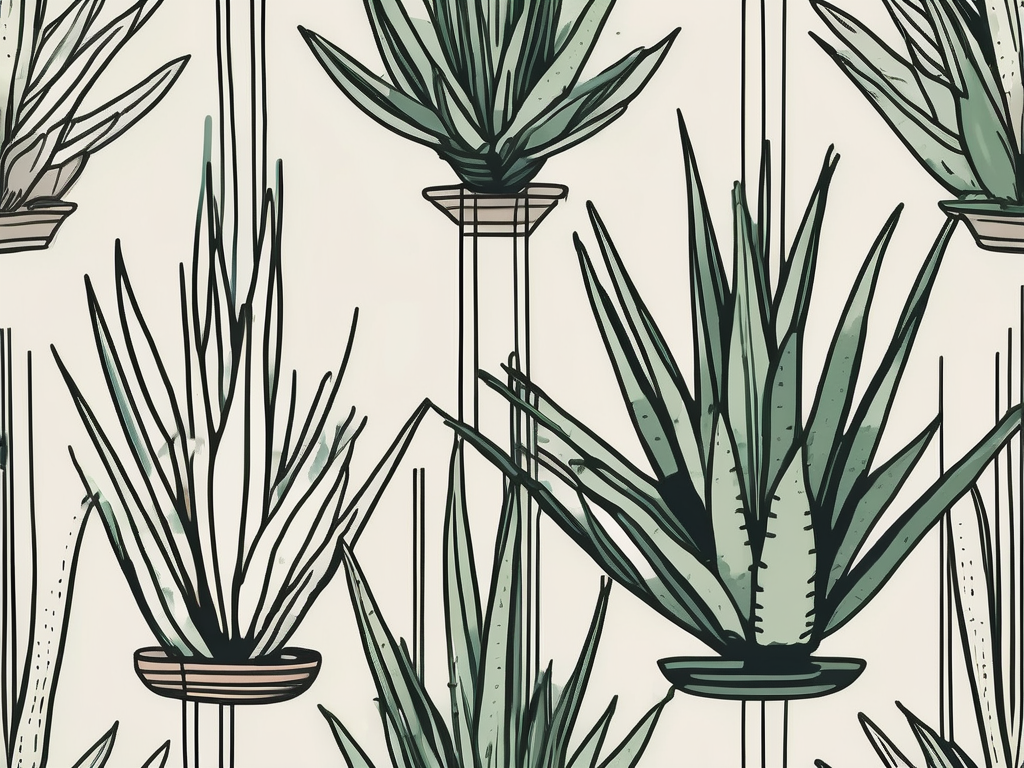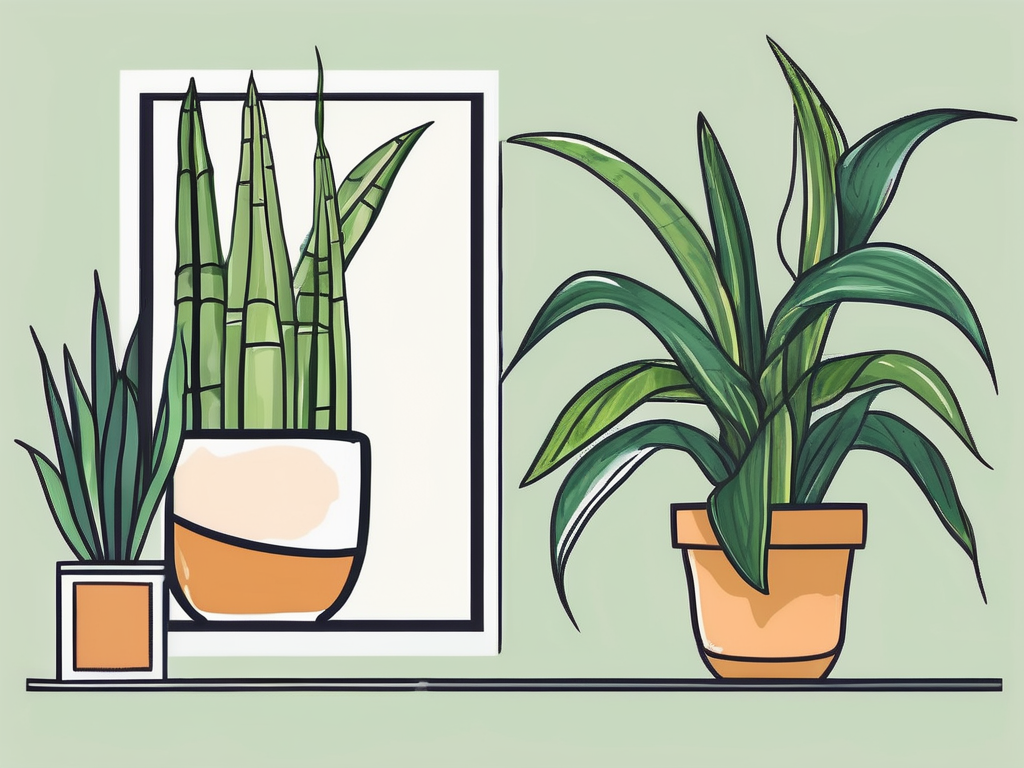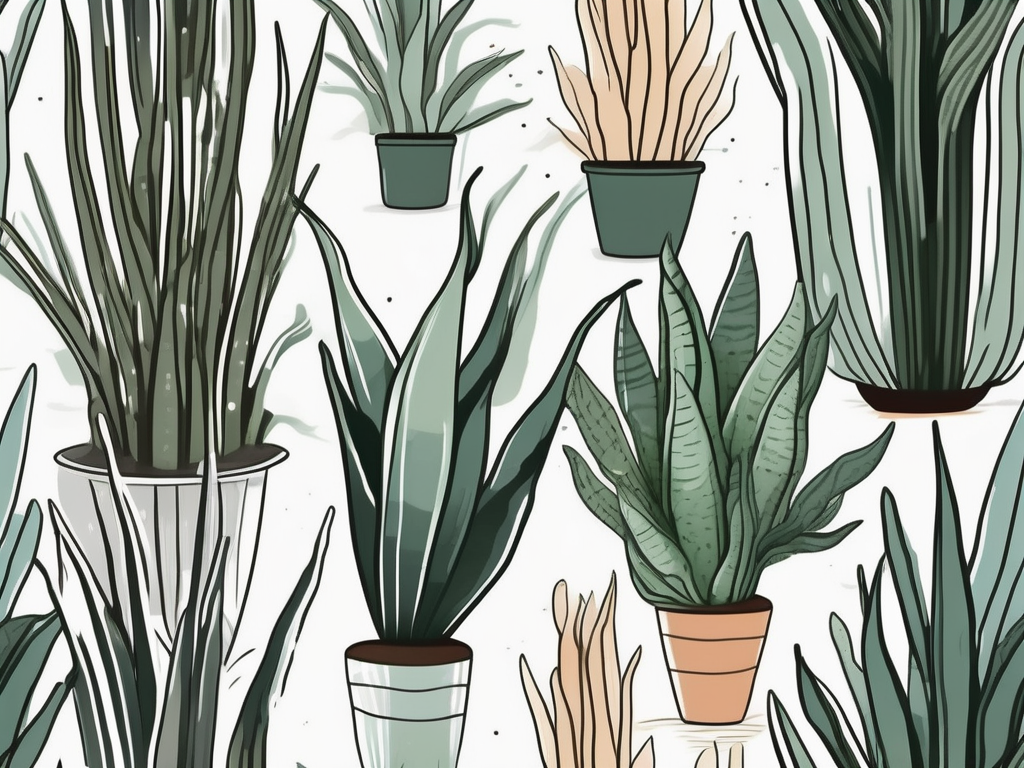
Sansevieria, commonly known as snake plant or mother-in-law's tongue, is a beloved houseplant for its hardy nature and striking appearance. These plants are often praised for their ability to thrive in a variety of conditions, but understanding their temperature tolerance is key to ensuring they continue to flourish.
In this guide, we'll explore the temperature preferences of sansevieria, how to keep them comfortable throughout the year, and what to do if they experience temperature stress. Whether you're a seasoned plant parent or just starting out, these insights will help you maintain a healthy and happy snake plant.
Understanding Sansevieria's Natural Habitat
Sansevieria hails from the arid regions of West Africa, where the climate is hot and dry. This background has equipped them with certain adaptations to endure harsh conditions, such as their thick, waxy leaves that retain moisture. However, while they can withstand high temperatures, this doesn't mean they thrive in any condition without a little help.
In their native environments, these plants experience a wide range of temperatures, which means they're adaptable to some extent. However, it's essential to note that their tolerance for cold is much lower than their tolerance for heat. Understanding their natural habitat can give us clues as to how we should care for them in our homes.
- High tolerance for heat, but require gradual acclimatization to intense light and heat.
- Low tolerance for frost and extremely cold temperatures.
- Prefer dry conditions over excessive humidity.
Ideal Temperature Range for Sansevieria
Sansevieria plants are happiest in temperatures ranging from 60°F to 85°F (15°C to 29°C). This range mimics the conditions they might experience in their natural habitat. If you're comfortable in your home, chances are your snake plant is too.
During the winter months, it's crucial to ensure that temperatures don't drop below 50°F (10°C). Prolonged exposure to cold can lead to tissue damage, manifesting as soft or mushy leaves. On the other hand, while they can tolerate higher temperatures, they should be kept out of direct sunlight to prevent leaf burn.
Here's a quick list to keep in mind:
- Comfortable Range: 60°F to 85°F (15°C to 29°C)
- Minimum Temperature: 50°F (10°C)
- Maximum Temperature: Avoid direct sunlight and temperatures above 95°F (35°C)
Signs of Temperature Stress in Sansevieria
Like any plant, sansevieria will show signs of stress if they're not in their ideal temperature range. Recognizing these signs early can help you take corrective measures before any serious damage occurs.
Common indicators that your snake plant is experiencing temperature stress include:
- Yellowing Leaves: Often a sign of cold stress, especially if paired with mushy textures.
- Leaf Curling: Can indicate both cold and heat stress, depending on other environmental factors.
- Brown Leaf Tips: A symptom of extreme heat or dry air.
Addressing these issues promptly is crucial. If you notice any of these signs, assess your plant's environment and make adjustments as needed.
Protecting Sansevieria from Cold Weather
During colder months, sansevieria requires a bit more attention to keep them cozy. Here are some simple strategies to protect your snake plant from the chill:
- Move to a Warmer Spot: If your plant is near a drafty window or door, consider relocating it to a warmer, more stable environment.
- Use a Heat Mat: Placing a heat mat under the pot can provide a gentle warmth to keep the roots comfortable.
- Keep Away from Radiators: While they need warmth, direct heat from a radiator can dry out the leaves.
It's all about finding that sweet spot where your plant feels just right. Remember, sansevieria prefer steady conditions, so try to avoid drastic temperature changes.
Dealing with Heat and Sun Exposure
While sansevieria are sun-lovers, too much of a good thing can cause problems. Excessive sunlight, especially during peak summer months, can lead to leaf burn. Here's how to manage sun exposure:
- Indirect Light: Place your plant in a spot where it receives bright, indirect light rather than direct sunlight.
- Rotate Your Plant: Rotating the pot every few weeks can ensure even light distribution and prevent one side from getting scorched.
- Shield from Intense Sun: Use sheer curtains to diffuse harsh sunlight if your plant sits near a south-facing window.
Maintaining the right light conditions goes hand-in-hand with temperature management. Both factors work together to keep your snake plant thriving.
Indoor Temperature Control Tips
Maintaining a stable indoor environment can significantly affect your plant's health. Here are some tips to help you control the temperature around your snake plant:
- Use a Thermometer: Keep a small indoor thermometer near your plant to monitor temperature fluctuations.
- Utilize Fans for Air Circulation: Good air circulation can prevent heat pockets and keep temperatures even throughout your home.
- Consider a Humidifier: In dry climates, a humidifier can add moisture to the air, creating a more comfortable environment for your plant.
Each of these tools can help create a more controlled environment, ensuring your snake plant remains in its comfort zone year-round.
Outdoor Sansevieria Care
If you're lucky enough to live in a warm climate, you might consider growing sansevieria outdoors. However, there are a few considerations to keep in mind:
- Check Your Zone: Make sure your hardiness zone is suitable for outdoor sansevieria. Generally, zones 9-11 are ideal.
- Seasonal Changes: Be prepared to bring your plant indoors if temperatures drop unexpectedly. Portable containers are useful for this reason.
- Provide Shelter: Outdoor sansevieria should be planted in a location with some natural shade to protect them from the harsh midday sun.
With the right setup, sansevieria can thrive outside just as well as they do indoors, adding a touch of green to your garden.
Potted vs. Ground-Planted Sansevieria
Whether your snake plant is potted or planted in the ground can influence its temperature tolerance. Potted plants can be more vulnerable to temperature changes, while ground-planted ones benefit from the earth's natural insulation.
- Potted Sansevieria: Easier to move indoors during cold spells, but more susceptible to rapid temperature changes.
- Ground-Planted Sansevieria: Better insulated against temperature extremes, but not as easily relocated.
Consider your climate and lifestyle when deciding where to plant your sansevieria. Both options have their pros and cons, so choose what best fits your environment.
Common Myths About Sansevieria Temperature Tolerance
There are a few misconceptions floating around about what sansevieria can handle. Let's clear up some common myths:
- Myth: Sansevieria Can Survive Freezing Temperatures: While they're tough, sansevieria are not frost-tolerant and can suffer damage if exposed to freezing temperatures.
- Myth: They Love Direct Sunlight: Although they enjoy bright conditions, direct sunlight can cause leaf burn.
- Myth: Temperature Doesn't Matter: Temperature plays a significant role in plant health, affecting growth and overall vitality.
Understanding these myths can help you avoid common pitfalls and keep your snake plant in optimal health.
Final Thoughts
Sansevieria are resilient and beautiful plants that can thrive with a bit of care and attention to their temperature needs. By understanding their preferences and making small adjustments to their environment, you can ensure your snake plant remains a healthy and vibrant addition to your home.
At Cafe Planta, we're passionate about helping you nurture your plant collection. Whether you're looking for advice or a new addition to your home, we're here to support you. Feel free to email us with your questions, or connect with us on Instagram. Let's grow together!