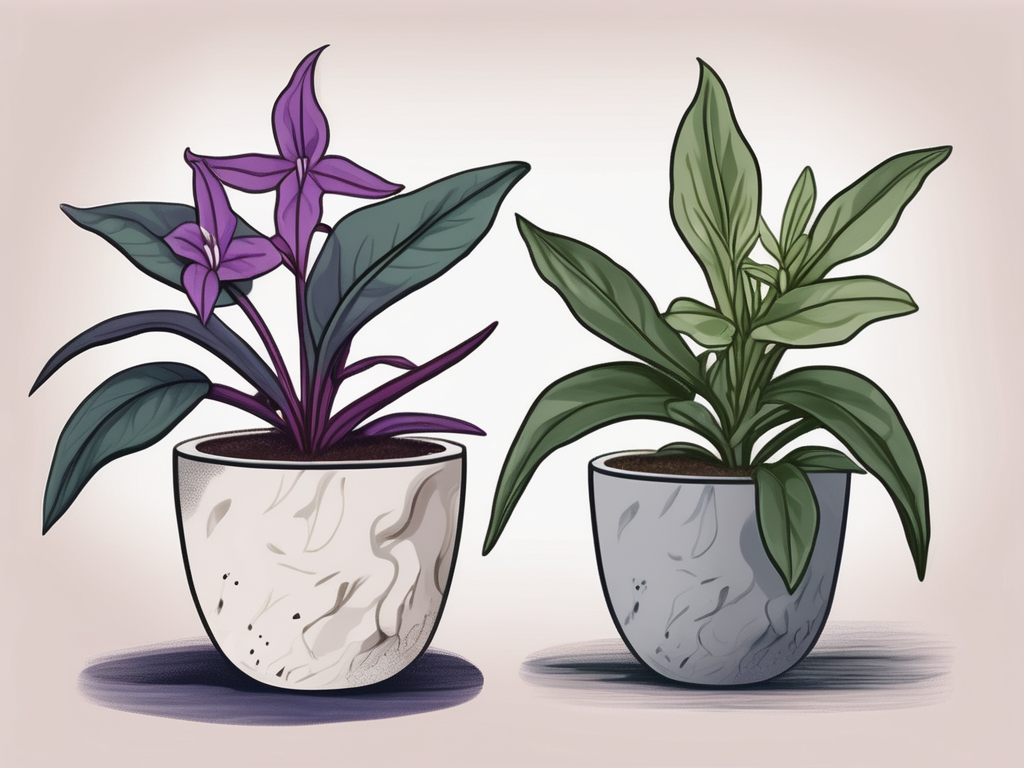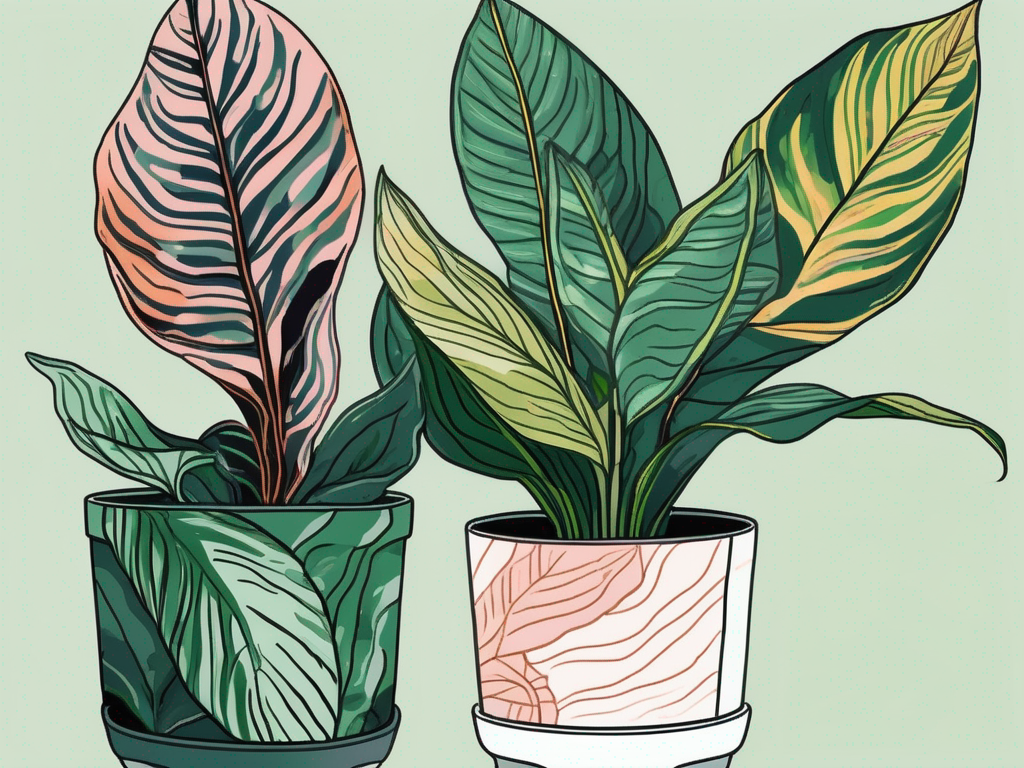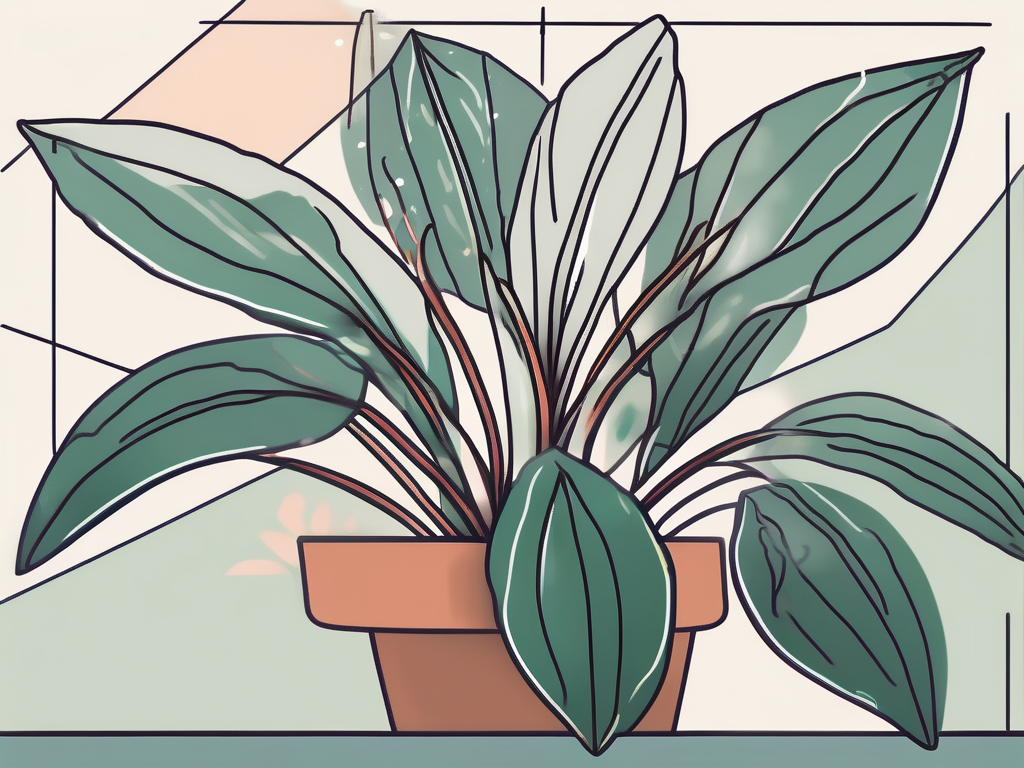
When it comes to houseplants, Tradescantia plants are a popular choice for many plant lovers. Known for their vivid colors and striking patterns, these plants can brighten up any space. However, to keep them thriving, it's crucial to understand their temperature preferences.
In this article, we'll explore the temperature tolerance of Tradescantia plants, providing practical tips and insights on how to keep them healthy year-round. We'll discuss ideal temperature ranges, how to protect them from extreme conditions, and a few common signs that your plant might be in trouble.
The Basics of Tradescantia Temperature Needs
Tradescantia, often referred to as Spiderwort, are tropical plants native to the Americas. They thrive in warm, humid environments, which means they prefer temperatures that mimic their natural habitat. Generally, Tradescantia plants flourish in temperatures ranging from 65°F to 75°F (18°C to 24°C).
Interestingly enough, these plants can tolerate a bit of fluctuation, but there are limits. Temperatures below 50°F (10°C) can cause damage to the plant, while prolonged exposure to temperatures above 90°F (32°C) might lead to stress. So, if you live in an area with extreme temperatures, you'll need to take some precautions.
Recognizing Signs of Temperature Stress
It's essential to be aware of how Tradescantia reacts to temperature stress. Recognizing the signs early can help you take corrective measures before any lasting damage occurs. Here are some common indicators:
- Leaf discoloration: If the leaves start to turn yellow or brown, it might be a sign of temperature stress.
- Wilting: The plant might wilt if it's too cold or too hot. This is often a sign that it's not happy with its current conditions.
- Slow growth: If your plant's growth seems stunted, it could be struggling with temperature changes.
- Leaf drop: Sudden leaf loss can indicate that the plant is stressed by temperature extremes.
By keeping an eye out for these signs, you can adjust the plant's environment to better suit its needs.
Creating the Ideal Indoor Environment
Managing the indoor environment is key to keeping Tradescantia happy. Here are some practical tips to create the perfect setting for your plant:
- Place near a window: Ensure the plant gets plenty of natural light, but avoid direct sunlight, which can increase the temperature too much.
- Use a humidifier: If your home tends to be dry, especially during winter, a humidifier can help maintain the humidity levels that Tradescantia loves.
- Avoid drafts: Keep your plant away from windows or doors that might let in cold drafts, which can lower the temperature significantly.
- Consistent temperature: Try to maintain a stable temperature in the room where your Tradescantia resides.
These adjustments can help mimic the tropical environment that Tradescantia thrive in, ensuring your plant stays healthy and vibrant.
Protecting Tradescantia from Cold Weather
When temperatures drop, particularly in the fall and winter months, it's important to take steps to protect your Tradescantia. Here are a few strategies:
- Move the plant indoors: If your Tradescantia has been enjoying the outdoors during the warmer months, bring it inside before the cold sets in.
- Use a grow light: If natural light is limited during winter, a grow light can help provide the necessary warmth and light.
- Insulate windows: If your plant is near a window, ensure it's well-insulated to prevent cold air from affecting the plant.
- Monitor temperature: Use a thermometer to keep track of the room's temperature, ensuring it stays within the safe range for Tradescantia.
By taking these steps, you can help your plant weather the colder months without any issues.
Handling Heat Waves and High Temperatures
During summer, or if you live in a particularly hot climate, high temperatures can pose a challenge. Here's how to keep your Tradescantia cool:
- Provide shade: Use sheer curtains or move the plant to a slightly shadier spot to reduce direct sunlight exposure.
- Mist regularly: Increase humidity around your plant by misting it with water, which can also help cool it down.
- Ventilation: Ensure good airflow around the plant to help dissipate heat.
- Watering: Keep the soil consistently moist but not waterlogged to help the plant cope with heat.
These measures can help your Tradescantia manage high temperatures more effectively, keeping it lush and healthy.
Choosing the Right Pot and Soil
While temperature is crucial, don't overlook the importance of the right pot and soil. The type of pot and soil can also affect how well your Tradescantia manages temperature fluctuations. Here's what to consider:
- Pot material: Choose a pot made of a material that provides good insulation, like ceramic or plastic, to help moderate temperature changes.
- Drainage: Ensure the pot has adequate drainage to prevent water from pooling, which can affect the plant's health.
- Soil mix: Use a well-draining soil mix to prevent root rot, especially if your plant is exposed to temperature extremes.
By paying attention to these details, you can help your Tradescantia cope better with varying temperatures.
Common Mistakes to Avoid
Even the most experienced plant parents can make mistakes. Here are some common pitfalls to avoid when it comes to managing Tradescantia temperature:
- Ignoring temperature changes: Be mindful of sudden temperature shifts in your home, like those caused by HVAC systems.
- Overwatering in cold conditions: The plant's water needs might decrease in cooler temperatures, so adjust your watering schedule accordingly.
- Exposure to direct heat sources: Avoid placing your plant near heaters or fireplaces, which can dry out and overheat the plant.
Avoiding these mistakes can help ensure your Tradescantia remains healthy and vibrant.
Benefits of Regular Monitoring and Maintenance
Regularly checking on your Tradescantia and maintaining its environment can prevent issues before they arise. Here's why this is beneficial:
- Catch problems early: By keeping an eye on your plant, you can spot signs of stress and address them promptly.
- Optimize growing conditions: Regular monitoring helps you make necessary adjustments to light, temperature, and humidity.
- Long-term health: Consistent care leads to a healthier plant that can withstand temperature fluctuations better.
With a little effort and attention, you can ensure your Tradescantia thrives, regardless of the season.
Final Thoughts
Caring for a Tradescantia involves understanding its temperature needs and providing a stable environment. By recognizing signs of stress and making necessary adjustments, you can keep your plant in top condition.
At Cafe Planta, we love helping fellow plant lovers find the perfect plants and care accessories. If you have any questions or need advice, feel free to email us or reach out on Instagram. Let's grow our love for plants together!