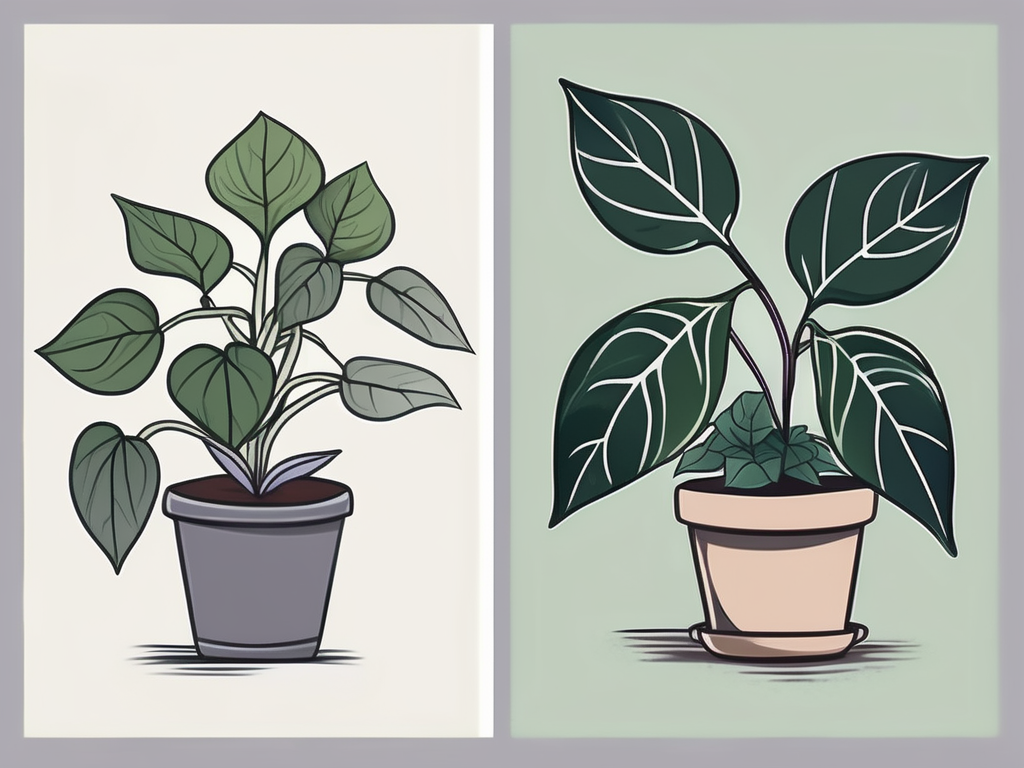
Ah, the joys of choosing houseplants! Whether you're a seasoned plant parent or just getting your green thumb, it's easy to get caught between the vibrant Wandering Jew and the classic English Ivy. Both of these beauties can transform your home into a lush haven, but they're quite different in terms of care and aesthetics.
In this article, we’ll explore everything from their origins to their care requirements. By the end, you'll have a clear understanding of what makes each plant unique and which might be the perfect fit for your home. So, let's get started!
Origins and Background
First things first—let’s talk about where these plants come from. Understanding their natural habitats gives us clues about how to care for them at home.
The Wandering Jew, known scientifically as Tradescantia zebrina, hails from Central and South America. It's a bit of a traveler, often found in tropical areas where it thrives in warm, humid conditions. Its name might raise eyebrows today, but it’s rooted in folklore and history that reflects the plant’s hardy, wandering nature.
On the other hand, English Ivy, or Hedera helix, is a classic European plant. It's been a staple in gardens and homes for centuries, often associated with old English estates and historic buildings. Its climbing habit and evergreen leaves make it a favorite for covering walls and creating green, living tapestries.
While they come from different parts of the world, both plants are incredibly popular for their unique beauty and versatility. But how do they stack up against each other in a modern home setting? Let’s find out.
Aesthetic Appeal
When it comes to looks, both Wandering Jew and English Ivy have their own charm. Let’s break it down.
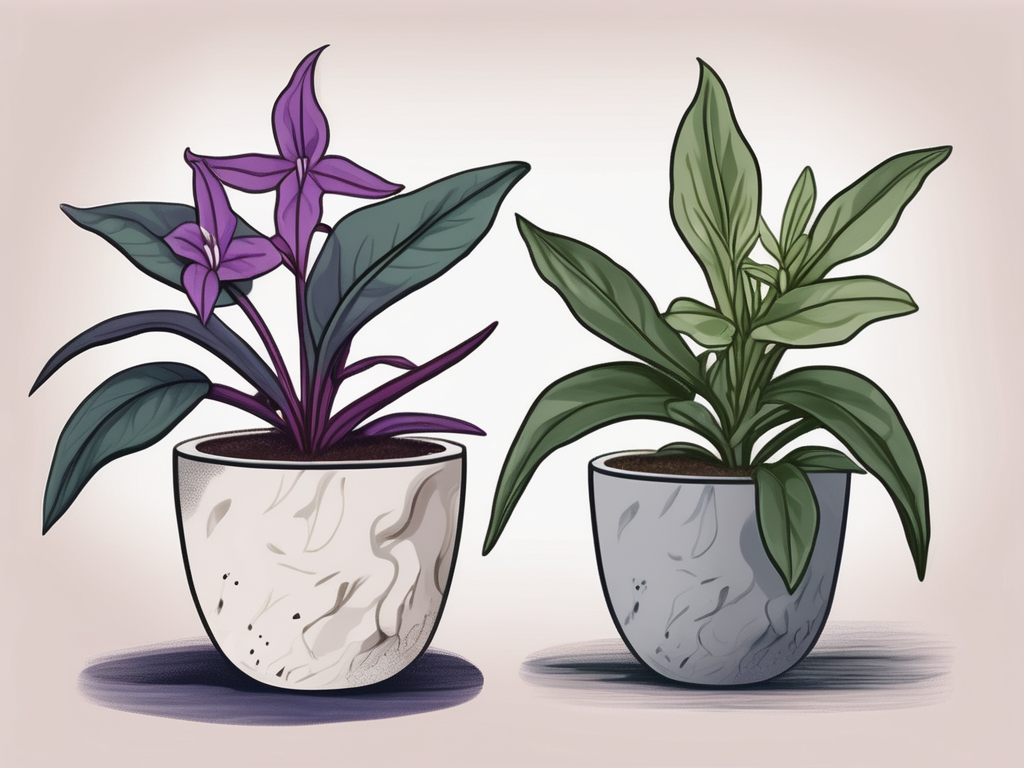
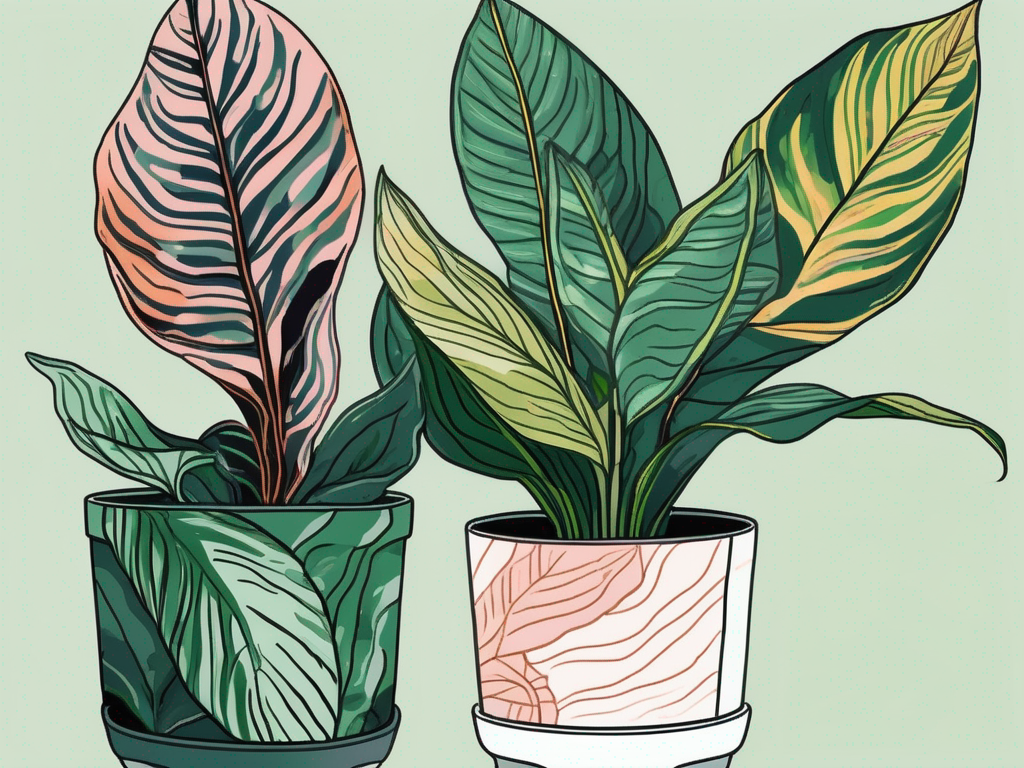
Wandering Jew is a visual delight with its striking purple and silver-striped leaves. Its trailing vines add a pop of color to any space, making it a popular choice for hanging baskets and plant stands. The leaves are slightly fuzzy to the touch, adding a tactile element that plant lovers adore.
In contrast, English Ivy offers a more classic, understated elegance. Its deep green, lobed leaves create a calming, natural backdrop. The plant's trailing vines can climb or cascade, making it versatile for both indoor and outdoor settings. English Ivy is often used to create a serene, lush environment that speaks of timeless beauty.
While Wandering Jew brings vibrant colors and a touch of whimsy, English Ivy offers a sense of calm and continuity. The choice between them often comes down to personal preference and the overall vibe you want in your space.
Light Requirements
Now, let's talk about light. Both plants have their preferences, and understanding these can make all the difference in their health and vitality.
Wandering Jew loves bright, indirect light. It thrives when placed in a spot where it can soak up the sun's rays without being scorched. Too much direct sunlight can fade its vibrant colors, while too little light can cause it to become leggy and lose its appeal. A bright windowsill or a well-lit room is ideal.
English Ivy, however, is a bit more adaptable. It prefers bright, indirect light but can tolerate lower light conditions better than Wandering Jew. That said, too little light might cause it to grow slowly or lose its rich green color. It’s often seen thriving in spaces where other plants might struggle, making it a great option for those slightly darker corners of your home.
In summary, if you have a bright, sunny spot, Wandering Jew could be your go-to. If you’re dealing with less-than-perfect lighting, English Ivy might be the better choice.
Watering Needs
Watering is a crucial part of plant care, and these two plants have different needs in that department.
Wandering Jew enjoys a bit of moisture but doesn't want to be soggy. It’s important to let the top inch of soil dry out before watering again. Overwatering can lead to root rot, a common issue with this plant. If you’re a forgetful waterer, this plant might teach you to be a bit more attentive!
English Ivy, on the other hand, prefers to be kept on the drier side. It’s more tolerant of dry spells, making it a bit more forgiving. Allow the top inch of soil to dry out between waterings, and be careful not to let it sit in water. This plant appreciates some humidity, so a light misting every now and then can do wonders.
In essence, while both plants appreciate well-draining soil, Wandering Jew needs a bit more attention when it comes to watering, whereas English Ivy can be a bit more forgiving.
Growth Habits
Understanding how these plants grow can help you decide where to place them in your home and how to maintain them.
Wandering Jew is known for its fast-growing, trailing vines. It can quickly fill a pot or cover a surface, making it ideal for hanging baskets or as a spiller in mixed plant arrangements. Regular pruning helps keep it looking tidy and encourages bushier growth.
English Ivy is a climber by nature. It loves to attach itself to surfaces, making it perfect for vertical gardens or as a living wall feature. It’s slower-growing than Wandering Jew but can still cover a lot of ground—or wall—over time. Regular trimming keeps it in check and maintains its shape.
Both plants offer unique growth habits that can add texture and depth to your indoor garden. Whether you want a cascading waterfall of leaves or a climbing green wall, these plants have you covered.
Pest Management
Even the best plant parents have to deal with pests from time to time. Let’s take a look at what you might encounter with these two plants.
Wandering Jew can be susceptible to spider mites and aphids. Regularly inspecting the leaves and stems is crucial. If you notice any unwelcome guests, a gentle spray of water or a neem oil solution can help keep them at bay. Maintaining good airflow around the plant also helps prevent infestations.
English Ivy is not immune to pests either. Spider mites and aphids can also affect this plant, especially if it’s stressed or not getting enough light. Regular checks and a similar treatment approach to Wandering Jew can help keep your Ivy healthy and pest-free.
In both cases, prevention is the best cure. Keeping your plants healthy and happy reduces the likelihood of pest problems. Regular cleaning of the leaves and ensuring proper care will go a long way in maintaining their health.
Soil and Potting Tips
The right soil can make all the difference for these plants. Let's break down what they need.
Wandering Jew enjoys a rich, well-draining soil mix. A standard potting mix with a bit of added perlite or sand works well. This ensures that the roots have enough air circulation and don't sit in water, which can lead to root rot.
English Ivy prefers a similar well-draining mix but can handle a bit more organic matter. A mix of potting soil, peat moss, and perlite creates an ideal environment for the roots to thrive. It’s important to ensure that whatever pot you use has good drainage holes.
Repotting every couple of years helps both plants by refreshing the soil and giving the roots more room to grow. It's a great time to check the root health and trim back any that are overgrown or damaged.
Interior Design Ideas
Now, let's have some fun with design! Both Wandering Jew and English Ivy offer exciting possibilities for adding a touch of green to your home.
Wandering Jew's vibrant colors make it a fantastic choice for adding a splash of color to neutral spaces. Consider placing it in a hanging basket near a window to catch the sunlight and bring out its colors. Its trailing habit means it can also be used as a centerpiece on a table, where it can cascade over the sides.
English Ivy's classic look makes it ideal for those who love a more traditional or minimalist style. Its climbing ability allows it to be trained along walls or trellises, creating a living work of art. It’s perfect for bathrooms, where the humidity can keep it happy and thriving.
Mixing these plants with others can also create a dynamic display. Pair Wandering Jew with plants like ferns or peace lilies for a tropical vibe, and use English Ivy alongside succulents or philodendrons for a more structured arrangement.
Conclusion: Making Your Choice
Choosing between Wandering Jew and English Ivy really comes down to your personal style and the care you’re willing to provide. Wandering Jew is perfect if you love vibrant colors and don’t mind giving a bit more attention. English Ivy, with its classic charm and forgiving nature, might be your pick if you prefer a more laid-back approach.
Ultimately, both plants have their unique beauty and can fit seamlessly into your home. They offer different aesthetics and care requirements, so consider your lifestyle and the environment you want to create. Whether you're drawn to the colorful trails of the Wandering Jew or the elegant climb of the English Ivy, either choice is sure to bring joy and beauty to your space.
Final Thoughts
We’ve covered a lot! From the origins and aesthetics to the care needs and design potential, Wandering Jew and English Ivy each bring something special to the table. Hopefully, you now feel more equipped to choose the right plant for your home and lifestyle.
If you're looking for more plant friends or need help with your green journey, Cafe Planta is here for you. We offer a wide variety of plants and accessories to help you create a beautiful, thriving collection. Feel free to reach out to us via email or Instagram. We're excited to share our passion for plants and help you connect with nature and each other.