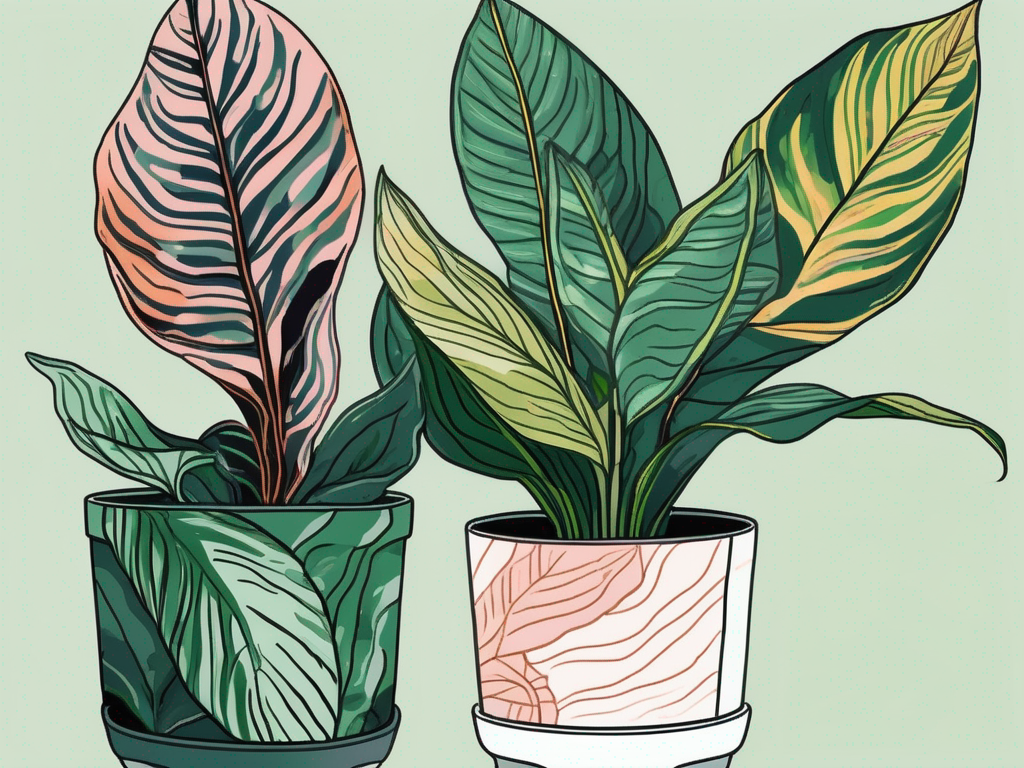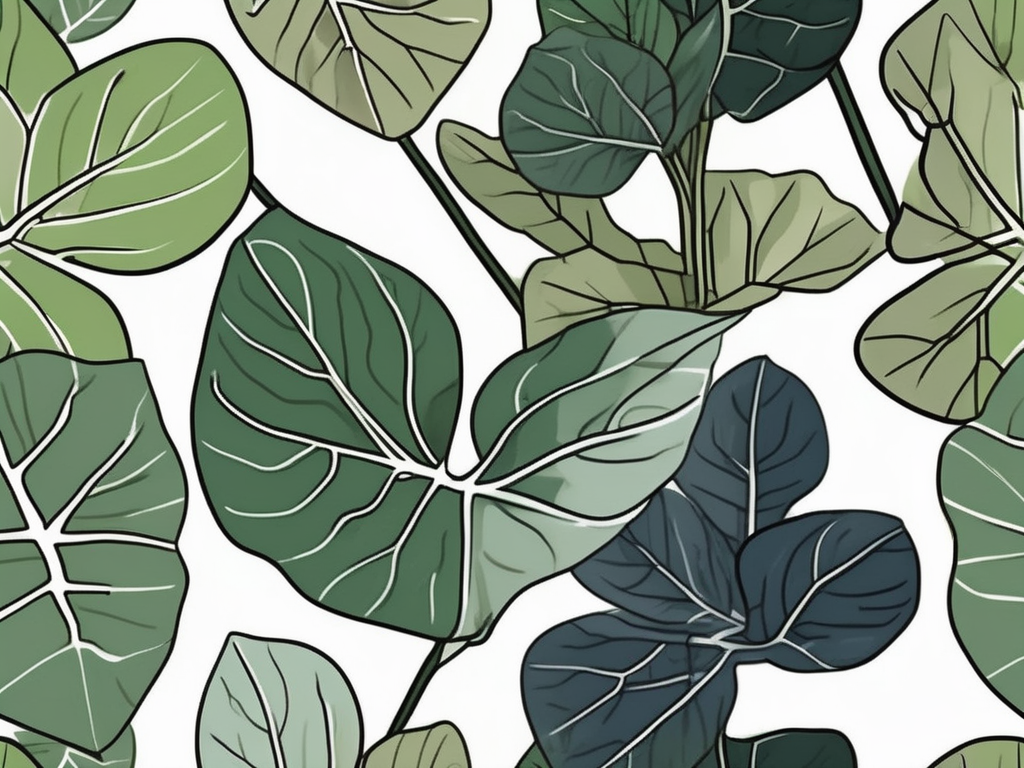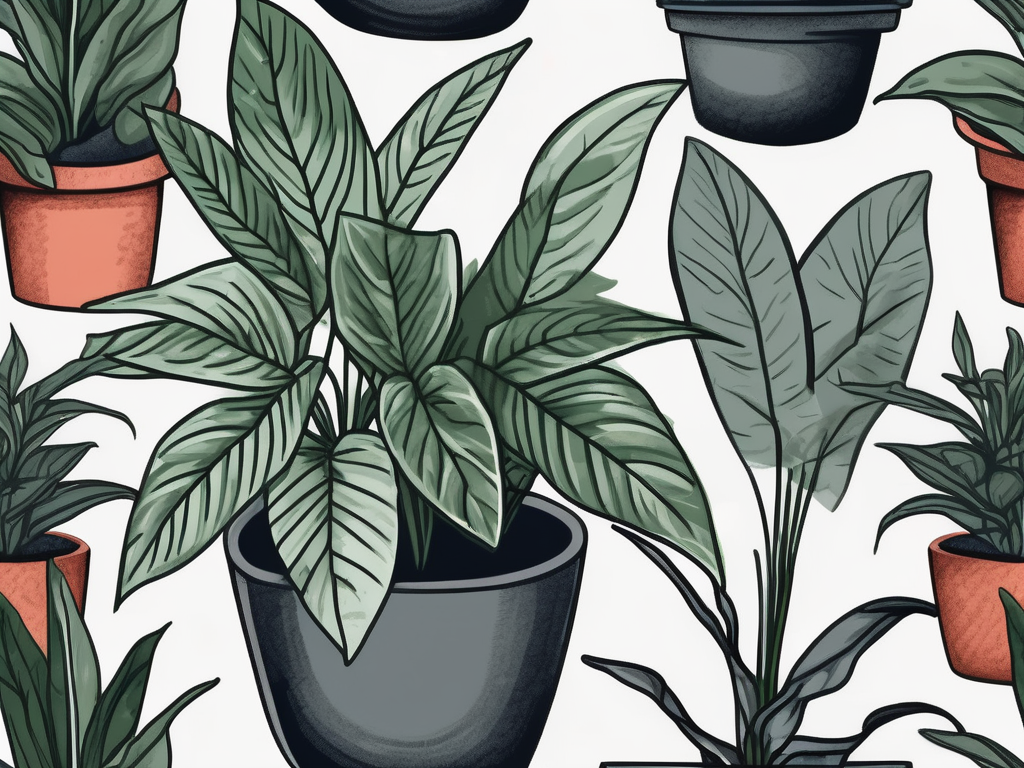
Weeping figs and ficus plants are two of the most popular houseplants, but figuring out how they differ can be a bit tricky. You might have heard both names tossed around in plant conversations, and maybe you've wondered if they're the same thing or completely different species. It's easy to get confused, but don't worry—I've got you covered.
In this article, we'll unravel the mystery and clarify what sets weeping figs apart from other ficus plants. We'll explore their characteristics, care needs, and how they can enhance your living space. By the end, you'll have a solid understanding of these beautiful plants and how to best care for them in your home.
The Basics: Weeping Fig vs. Ficus
Let's start by getting some terminology straight. The term "ficus" actually refers to a large genus of plants, which includes more than 800 species of trees, shrubs, and vines. So, when people mention a ficus, they could be talking about any one of these plants. On the other hand, the weeping fig is a specific type of ficus, scientifically known as Ficus benjamina. It's one of the most common ficus species found indoors.
The weeping fig is famous for its graceful, arching branches and glossy, oval leaves that come to a point. If you've ever seen a bushy, tree-like plant in someone's living room or office, there's a good chance it was a weeping fig. They're favored for their elegant appearance and their ability to adapt to various indoor conditions.
Other popular ficus species include the fiddle leaf fig (Ficus lyrata), the rubber plant (Ficus elastica), and the banyan tree (Ficus benghalensis). Each of these has its own unique features and care requirements, making the ficus family quite diverse. So, while all weeping figs are ficus plants, not all ficus plants are weeping figs!
Identifying Weeping Figs
Recognizing a weeping fig isn't too difficult once you know what to look for. These plants typically have slender branches that droop elegantly, hence the name "weeping." Their leaves are small, shiny, and pointed, ranging in color from deep green to variegated patterns with creamy edges. Some varieties even have a slightly twisted or ruffled leaf shape, adding to their charm.
In addition to the classic green variety, there are several cultivars of weeping figs that offer a little something extra in terms of visual appeal. For instance, the 'Starlight' cultivar boasts creamy-white leaf margins, while 'Midnight' features darker, almost bluish-green leaves. These variations can bring a unique touch to your indoor garden.
Weeping figs can grow quite tall, reaching heights of 6 to 10 feet indoors if given enough space and the right conditions. Their elegant form can serve as a striking focal point in a room, whether you place them in a bright corner or use them to complement other plants in a group arrangement.
Caring for Your Weeping Fig
Weeping figs have a bit of a reputation for being finicky, but with some attention to their preferences, you can keep them happy and thriving. Here are some key care tips to keep in mind:
- Light: Weeping figs prefer bright, indirect light. They can tolerate some direct sunlight, especially in the morning or late afternoon, but too much can scorch their leaves. If your plant starts dropping leaves, it might be a sign that it needs more consistent lighting.
- Water: These figs like their soil to be kept consistently moist but not soggy. Water them when the top inch of soil feels dry, and reduce watering in the winter months when growth slows down.
- Humidity: Weeping figs thrive in humid environments, so consider misting the leaves regularly or placing a humidifier nearby, especially during dry winter months.
- Temperature: Keep them in a warm spot, ideally between 65 and 75 degrees Fahrenheit. Avoid placing them near drafts, heaters, or air conditioners, as sudden temperature changes can lead to leaf drop.
- Pruning: Prune your weeping fig to maintain its shape and remove any dead or damaged branches. This can also encourage bushier growth.
By following these guidelines, you can help your weeping fig flourish and add a touch of natural beauty to your home.
Ficus Varieties: Beyond the Weeping Fig
While the weeping fig is a standout member of the ficus family, there are many other varieties worth exploring. Each has its own unique charm and care requirements, making them a great addition to any plant collection.
The fiddle leaf fig (Ficus lyrata) is a trendy houseplant with large, violin-shaped leaves that make a bold statement. They prefer bright, indirect light and can be a bit temperamental about changes in their environment, much like their weeping fig cousins.
The rubber plant (Ficus elastica) is another popular choice, known for its thick, glossy leaves. It's a bit more forgiving than other ficus species and can tolerate lower light levels, making it a versatile option for different indoor settings.
Then there's the banyan tree (Ficus benghalensis), which is famous for its aerial roots and sprawling growth habit. While it's usually seen in outdoor settings, smaller varieties can be grown indoors with the right care.
Each of these ficus plants has its own distinctive look and charm, so choosing the right one for your home depends on your personal style and the conditions you can provide.
Common Challenges and How to Overcome Them
Like any plant, ficus species can face some challenges, but don't worry—most issues are manageable with a little know-how. Here are some common problems and how to tackle them:
- Leaf Drop: A common issue with weeping figs, leaf drop can occur due to changes in light, temperature, or humidity. Make sure your plant is in a stable environment and adjust its care routine as needed.
- Pests: Ficus plants can attract pests like spider mites, scale, and mealybugs. If you notice any unwelcome visitors, treat your plant with insecticidal soap or neem oil, and keep an eye on it for further infestations.
- Yellowing Leaves: This can be a sign of overwatering or poor drainage. Make sure your plant's pot has drainage holes and that the soil isn't waterlogged.
- Root Rot: Caused by overwatering, root rot can be detrimental to your plant's health. To prevent it, ensure that the soil has good drainage and that you're not watering too frequently.
By staying vigilant and addressing these issues promptly, you can keep your ficus plants healthy and thriving.
Incorporating Ficus Plants into Your Interior Design
Ficus plants are not just about greenery—they can also be a fantastic design element in your home. Their diverse shapes and sizes make them suitable for various interior styles, from modern and minimalist to bohemian and eclectic.
For instance, a weeping fig can add a touch of elegance to a reading nook or living room corner. Pair it with a sleek, modern planter for a contemporary look, or use a woven basket for a more rustic vibe. Fiddle leaf figs, with their bold leaves, work well as statement pieces, drawing attention and adding drama to any space.
Rubber plants, with their glossy leaves, can create a lush, tropical feel when grouped with other houseplants. They also make great office companions, bringing a sense of calm and focus to your workspace.
Whether you're looking to fill an empty corner or add some life to a tabletop, there's a ficus plant that can fit your design vision. Just be sure to consider the light and space available in your home when selecting the right plant for your needs.
The Role of Ficus Plants in Improving Air Quality
Ficus plants are not only beautiful but also beneficial for your home's air quality. Like many houseplants, they can help purify the air by removing toxins and releasing oxygen. This makes them a wonderful addition to any indoor environment, especially in urban areas where air quality can be a concern.
Studies have shown that plants like the weeping fig can absorb pollutants such as formaldehyde and benzene, which are commonly found in household products and furnishings. By having a few ficus plants in your home, you can contribute to a healthier living space for you and your family.
While they may not completely eliminate all indoor pollutants, ficus plants, along with other air-purifying plants, can play a part in improving the overall air quality in your home. Plus, they add a refreshing touch of nature to your surroundings, which can be a mood booster in itself.
Choosing the Right Ficus for Your Home
With so many ficus varieties to choose from, picking the right one for your home can feel like a big decision. Here are some factors to consider when selecting your next green companion:
- Light Conditions: Consider the amount of natural light your home receives. Weeping figs and fiddle leaf figs prefer bright, indirect light, while rubber plants can tolerate lower light levels.
- Space: Think about the available space in your home. Fiddle leaf figs and weeping figs can grow quite tall, so make sure you have enough room for them to flourish.
- Maintenance: Consider how much time and effort you're willing to invest in plant care. Some ficus plants, like the weeping fig, can be more demanding, while others, like the rubber plant, are more forgiving.
- Design Aesthetics: Think about your home's style and how a ficus plant can complement it. Whether you prefer a bold statement piece or a subtle accent, there's a ficus out there that can suit your taste.
By keeping these factors in mind, you can find the perfect ficus to enhance your home and bring a touch of nature indoors.
Final Thoughts
Weeping figs and other ficus plants offer a delightful mix of beauty and benefits, making them a popular choice for plant lovers. Whether you're drawn to their elegant appearance or the air-purifying qualities they bring, there's a ficus plant that can suit your style and space. Understanding the differences and care needs of these plants will help you create a thriving indoor garden that you can enjoy for years to come.
At Cafe Planta, we love helping you connect with nature through beautiful houseplants. Whether you're a seasoned plant parent or just starting out, we're here to support your plant journey. Feel free to reach out via email or on Instagram if you have any questions or need plant care advice. Let's grow together and create beautiful, green spaces we can all enjoy!