Calla lilies are not only a sight to behold but also a fascinating plant to grow and care for. With their elegant flowers and striking foliage, they add a touch of sophistication to any space. Whether you're a seasoned plant parent or just starting your green journey, calla lilies are sure to captivate your attention.
This guide will walk you through everything you need to know about calla lily plants, from their origins and varieties to tips on planting, care, and even incorporating them into your home decor. By the end, you'll be well-equipped to nurture these beauties and enjoy their stunning blooms.
What Exactly Are Calla Lilies?
Before we dive into the care instructions, it's good to get a basic understanding of what calla lilies are. Despite their name, calla lilies (Zantedeschia) aren't true lilies. They're part of the Araceae family, which includes plants like philodendrons and peace lilies. Native to southern Africa, calla lilies thrive in warm climates but can be grown almost anywhere with the right care.
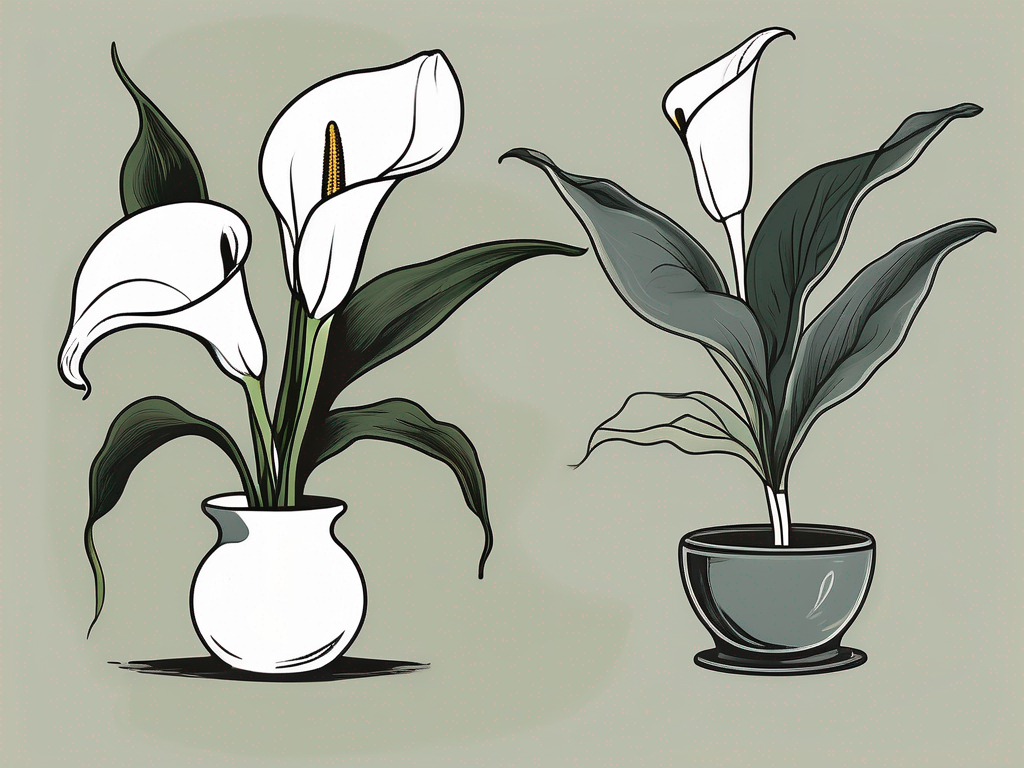
Calla lilies are known for their distinctive, funnel-shaped flowers and broad, arrow-shaped leaves. The "flower" of the calla lily is actually a spathe, a type of modified leaf that wraps around a central spadix, which holds the true flowers. These plants come in a range of colors, from classic white to vibrant shades like pink, yellow, and even deep purple.
Interestingly enough, calla lilies have been associated with various meanings and symbolism throughout history. They often represent purity, rebirth, and even resurrection. In some cultures, they're used in wedding bouquets or funeral arrangements, symbolizing both beginnings and endings.
Varieties of Calla Lilies
When it comes to calla lilies, variety is the spice of life! There are several types to choose from, each offering its unique charm. Here are some popular varieties you might consider adding to your collection:
- Zantedeschia aethiopica: This is the classic white calla lily most people are familiar with. It's a robust plant that can grow quite large, making it a stunning centerpiece in gardens or large pots.
- Zantedeschia rehmannii: If you're looking for a splash of color, this variety offers pink and red hues. It's a bit more compact, which is perfect for smaller spaces.
- Zantedeschia elliottiana: Known for its bright yellow flowers, this variety is often referred to as the golden calla lily. It's a vibrant choice that brings sunshine to any garden.
- Zantedeschia albomaculata: This variety features white flowers with a hint of green and speckled leaves, adding an interesting texture to your plant display.
Choosing the right variety depends on your personal preference and the space you have available. Consider the color palette of your home or garden when selecting your calla lilies, and don't be afraid to mix and match for a stunning display.
Planting Calla Lilies
Once you've chosen your favorite varieties, it's time to get those calla lilies planted. Don't worry—it's not as daunting as it might seem. Here are some straightforward steps to help you get started:
Choosing the Right Spot
Calla lilies love a spot with bright, indirect sunlight. While they can tolerate some direct sun, too much can scorch their leaves. If you're planting them outdoors, a location with morning sun and afternoon shade works well.
Soil Preparation
These plants prefer well-draining soil that's rich in organic matter. A good potting mix might include peat moss, compost, and perlite to ensure proper drainage. If you're planting them in the ground, consider amending the soil with compost to enhance its quality.
Planting Instructions
- Timing: Plant calla lilies in the spring after the last frost date for your area.
- Depth: Plant the rhizomes about 2-3 inches deep with the growing points facing up.
- Spacing: Space them about 12 inches apart to allow for growth and optimal air circulation.
Once planted, water them thoroughly to help them settle in. Keep the soil moist but not waterlogged as they begin to grow.
Caring for Your Calla Lilies
Now that your calla lilies are in the ground or pot, let's talk about how to keep them happy and healthy. With the right care, these stunning plants will reward you with beautiful blooms.
Watering
Calla lilies prefer consistently moist soil, especially during their growing season. However, they don't like to sit in water, so make sure the soil drains well. During the dormant period in winter, you can reduce watering to prevent root rot.
Fertilizing
Feed your calla lilies every month during the growing season with a balanced liquid fertilizer. This will encourage strong growth and vibrant blooms. Be careful not to over-fertilize, as too much can lead to lush foliage with fewer flowers.
Pruning
Deadheading spent blooms can encourage more flowers to appear. Simply snip off the faded flowers at the base of the stem. Also, remove any yellowing or damaged leaves to keep the plant looking its best.
Dealing with Pests and Diseases
Like most plants, calla lilies can sometimes fall victim to pests and diseases. But don't fret—many common issues are easy to handle with a few preventative measures and treatments.
Common Pests
- Aphids: These tiny insects can be washed off with a strong spray of water or treated with insecticidal soap.
- Spider mites: If you notice webbing on your plants, spider mites might be the culprit. Increase humidity and use neem oil to manage these pests.
- Slugs and snails: These can be picked off by hand or deterred with natural barriers like crushed eggshells or copper tape.
Diseases
Calla lilies are generally hardy, but they can be susceptible to some fungal diseases, particularly in overly wet conditions. Good air circulation and avoiding waterlogged soil can help prevent issues like root rot or powdery mildew. If you do notice a problem, fungicides can be effective in treating it.
Incorporating Calla Lilies into Your Home Decor
Beyond the garden, calla lilies make a stunning addition to indoor spaces. Their elegant blooms can complement a variety of interior styles, from minimalist to more traditional settings.
Container Gardening
If you're short on outdoor space or simply want to bring some greenery indoors, consider growing calla lilies in pots. Choose a container with adequate drainage holes and use a rich, well-draining potting mix. Place your potted calla lilies near a window that receives bright, indirect light.
Floral Arrangements
Calla lilies are a popular choice for floral arrangements, thanks to their striking appearance and long-lasting blooms. You can create a simple yet sophisticated bouquet by pairing them with greenery or other flowers like roses or lilies. Place them in a tall vase to allow their stems to stand gracefully.
Decorative Accents
Use calla lily motifs in your home decor for a cohesive theme. This might include artwork, textiles, or even decorative ceramics. The iconic shape of the calla lily lends itself well to a variety of design elements.
Overwintering Calla Lilies
If you live in a region with cold winters, you'll need to take some extra steps to protect your calla lilies. These plants are not frost-tolerant, so overwintering is essential to ensure they come back strong the following year.
Digging Up Rhizomes
In colder areas, it's best to dig up the rhizomes before the first hard frost. Gently lift them from the soil, being careful not to damage them. Shake off any excess soil and let them dry in a cool, dry place for a few days.
Storing Rhizomes
Once dry, store the rhizomes in a paper bag or box filled with peat moss or sawdust. Keep them in a cool, dark location until spring. This method ensures they stay dormant and ready to be replanted when the weather warms up.
Replanting in Spring
When the danger of frost has passed, replant the rhizomes following the steps outlined earlier. With proper care, they'll begin to grow and bloom once more.
Calla Lilies in History and Culture
Calla lilies have a rich history and cultural significance, often appearing in art, literature, and religious symbolism. Their beauty and elegance have made them a favorite subject for many artists and writers.
Art and Literature
These stunning flowers have been immortalized by artists such as Georgia O'Keeffe, who captured their unique form and beauty in her paintings. In literature, calla lilies often symbolize purity and innocence, making them a poignant choice for poetry and prose.
Religious Symbolism
In Christianity, the calla lily is often associated with the Virgin Mary and the resurrection of Jesus, symbolizing purity and rebirth. As a result, they're frequently used in religious ceremonies and decorations.
Weddings and Celebrations
Calla lilies are a popular choice for weddings due to their association with purity and new beginnings. Their elegant form and variety of colors make them a versatile addition to bridal bouquets, centerpieces, and other floral arrangements.
Common Myths and Misconceptions
Like many plants, calla lilies have their share of myths and misconceptions. Let's clear up some of these to help you make informed decisions about growing and caring for them.
Myth: Calla Lilies Are Toxic
While it's true that calla lilies contain compounds that can be toxic if ingested, they're not typically harmful to humans when handled properly. However, it's wise to keep them out of reach of pets and children to avoid any accidental ingestion.
Misconception: Calla Lilies Are Difficult to Grow
Many people think calla lilies are challenging to grow, but they can actually be quite easy with the right care. By providing adequate light, water, and nutrients, you'll find that these plants are quite resilient and rewarding to cultivate.
Myth: Calla Lilies Only Bloom Once
Some folks believe that calla lilies only bloom once and then die. In reality, with proper care, these plants can bloom multiple times throughout their growing season. Regular deadheading and feeding can encourage more blooms to appear.
Tips for Prolonging Bloom Time
Everyone loves a long-lasting bloom, and with a few simple tips, you can enjoy your calla lilies' flowers for longer periods.
Optimal Light Conditions
Ensure your calla lilies receive bright, indirect light to promote blooming. Too much direct sunlight can cause the blooms to fade quickly, while too little light may result in fewer flowers.
Consistent Watering
Keeping the soil consistently moist can help prolong the bloom time. Avoid letting the soil dry out completely, as this can stress the plant and reduce its flowering potential.
Regular Fertilization
Feeding your calla lilies with a balanced fertilizer throughout the growing season can support their bloom production. Be cautious not to over-fertilize, as this can lead to lush foliage at the expense of flowers.
Final Thoughts
Calla lilies are a beautiful addition to any plant collection, offering elegance and a touch of sophistication. With the right care, you'll enjoy their stunning blooms and the joy they bring to your space.
At Cafe Planta, we're passionate about helping plant lovers cultivate thriving green spaces. Whether you're in search of unique houseplants or need some plant care accessories, we've got you covered. Feel free to reach out to us via email or connect with us on Instagram. Let's grow together and create beautiful, plant-filled homes!