Ever stumbled across a "Geo Plant" and wondered what on earth it is? You're not alone! With an intriguing name and the promise of being a unique addition to any plant collection, it's no surprise that Geo Plants are catching the eye of plant people everywhere.
This article will walk you through what makes Geo Plants special, how to care for them, and why they might just be the perfect plant for you. From understanding their natural habitat to integrating them into your home decor, we’ve got you covered.
What Exactly is a Geo Plant?
So, what is a Geo Plant, anyway? The term "Geo Plant" is actually a bit of a blanket term that refers to a variety of plants known for their interesting geometric patterns or shapes. These plants often have leaves or growth patterns that form striking angles or symmetrical shapes, which is why they’re considered part of the "geo" family.
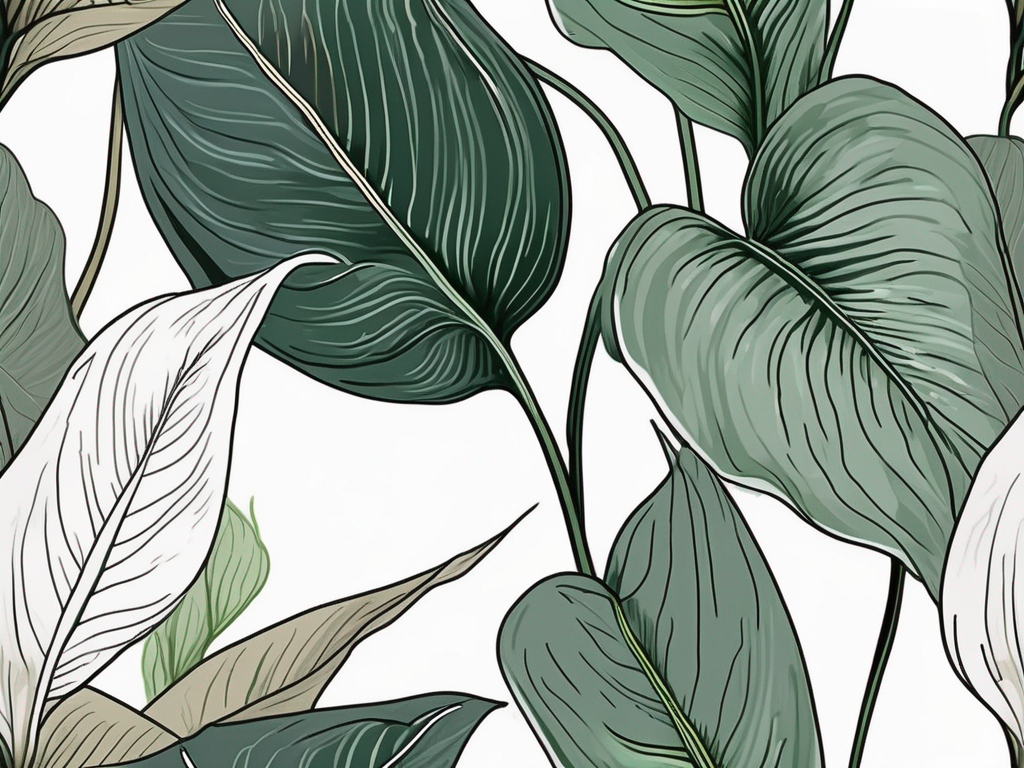
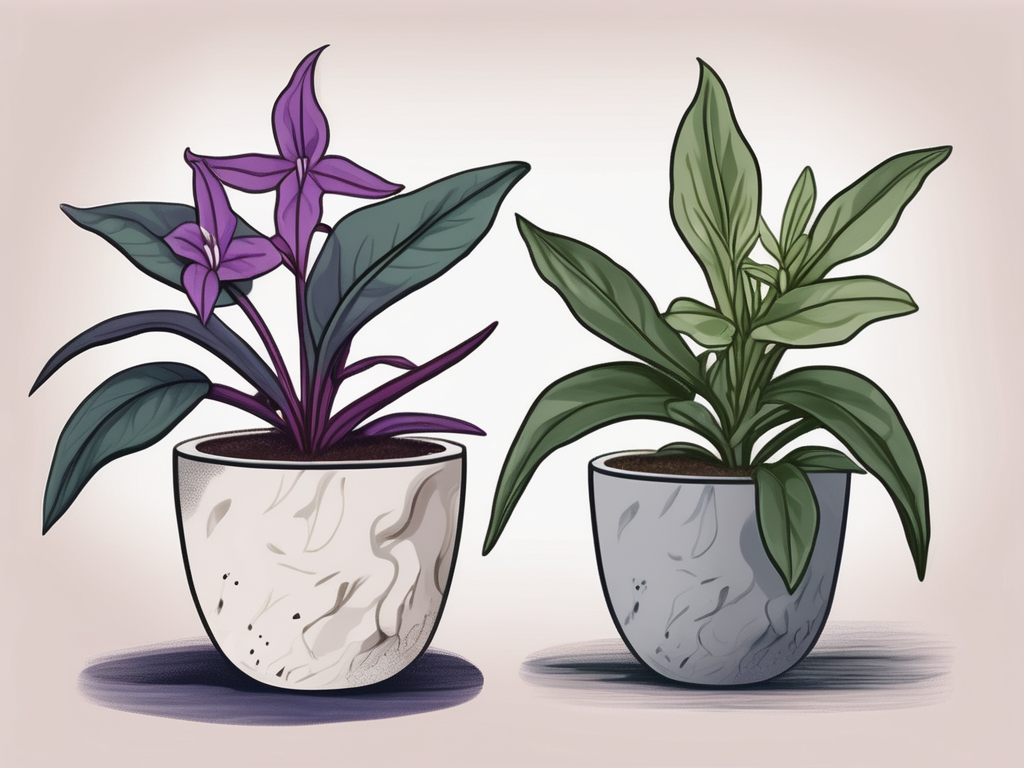
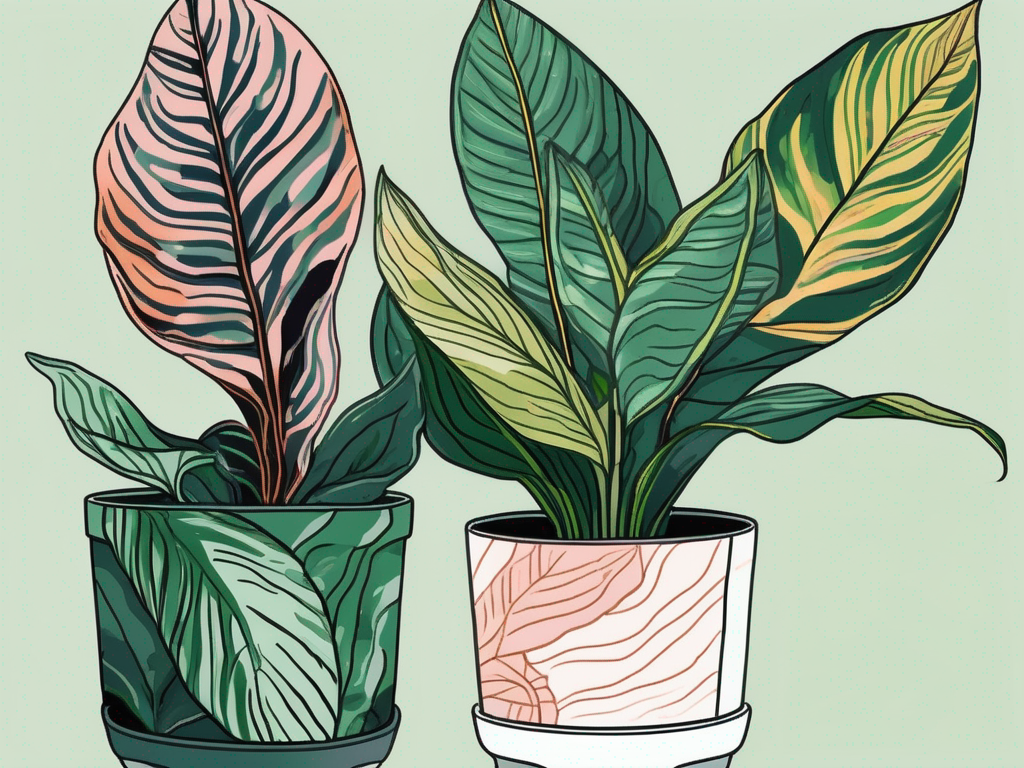
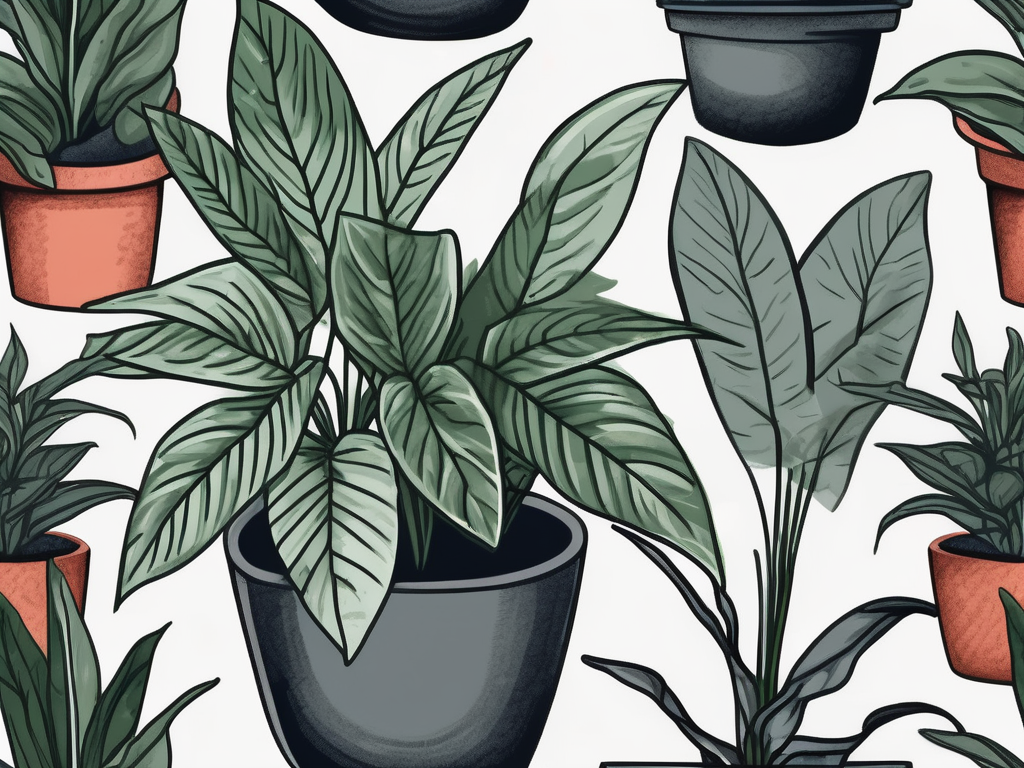
The most common types of Geo Plants include species like the Geogenanthus, which has large, glossy leaves with intricate veining, and the Calathea, known for its stunning leaf patterns. These plants are not only beautiful but also add a touch of modern art to your indoor garden.
Geo Plants are particularly appealing to those who love a minimalist or modern aesthetic. Their striking patterns can act as a focal point in a room, drawing attention and sparking conversation. But they’re not just about looks; these plants can also be quite rewarding to care for, as they often signal their needs with changes in their appearance.
Origins and Habitat
Understanding where a plant comes from can really help when it comes to their care. Geo Plants generally hail from tropical and subtropical regions, where they grow under the canopy of larger trees. This means they’re used to dappled light, high humidity, and warm temperatures.
For instance, the Geogenanthus, a popular Geo Plant, originates from the rainforests of South America. Its natural habitat is characterized by filtered sunlight and a consistently warm, humid environment. Similarly, Calatheas are found in tropical regions of the Americas, thriving in similar conditions.
Knowing this, you can recreate these conditions in your home to keep your Geo Plant happy. Think about placing it in a spot with indirect light and consider using a humidifier if your home tends to be dry, especially during the winter months.
Choosing the Right Geo Plant for Your Space
Picking the perfect Geo Plant for your home is an exciting part of the process. With so many varieties, each offering its own unique patterns and care requirements, there's something for everyone.
Consider your home’s lighting conditions first. If you have a space with bright, indirect light, a Calathea might thrive there. These plants are known for their bold, contrasting leaf designs and can handle a bit of shade too, making them versatile in terms of placement.
For those with lower light conditions, the Geogenanthus could be a better fit. Its dark, glossy leaves can tolerate less light, and it makes a dramatic statement even in dim corners.
- Size: Think about the size of the plant in relation to your space. Do you want a large, statement plant, or are you looking for something smaller to fit on a shelf?
- Care Level: Be honest about how much time you can dedicate to plant care. Some Geo Plants require more attention than others.
- Personal Style: Choose a plant that matches your personal decor style. Are you into bold patterns, or do you prefer subtle elegance?
Planting and Potting Basics
Once you've chosen your Geo Plant, it's time to think about planting and potting. These plants are generally not too fussy about their potting mix, but a few guidelines can ensure they thrive.
A well-draining potting mix is essential. You can use a standard houseplant mix and add some perlite or orchid bark to improve drainage. This prevents the roots from sitting in water, which can lead to root rot.
When it comes to pots, make sure there are drainage holes at the bottom. This allows excess water to escape, preventing the soil from becoming waterlogged. Terra cotta pots can be a great choice because they allow moisture to evaporate through their porous material, but decorative ceramic pots work well too, as long as they have drainage.
When repotting, choose a pot that is just one size larger than the current one. Geo Plants usually like to be a bit snug in their pots, and too much space can lead to overwatering issues.
Watering and Feeding Your Geo Plant
Watering is where things can get a bit tricky, but don’t worry! Geo Plants typically prefer to be kept evenly moist, but not soggy. The key is to let the top inch of soil dry out before watering again.
During the growing season (spring and summer), you might find yourself watering more frequently. In the cooler months, these plants slow down, so you can reduce how often you water them. Always check the soil moisture level with your finger before watering.
As for feeding, a balanced liquid fertilizer every 4-6 weeks during the growing season can help your plant thrive. Be cautious not to over-fertilize, as this can burn the roots and cause leaf damage.
Light and Temperature Requirements
Geo Plants generally prefer bright, indirect light. Too much direct sunlight can scorch their leaves, while too little light can cause them to lose their vibrant patterns.
North or east-facing windows are often ideal. If you only have access to south or west-facing windows, try placing the plant a little further away from the window or use a sheer curtain to diffuse the light.
Temperature-wise, these plants like it warm. Keep them in a spot where the temperature stays between 65-75°F (18-24°C). Avoid cold drafts, as they can cause the leaves to curl or develop brown edges.
Dealing with Common Pests and Problems
Like many houseplants, Geo Plants can fall victim to pests and diseases. The good news is that with a little vigilance, you can keep these issues under control.
Common pests include spider mites, mealybugs, and aphids. Regularly check under the leaves and in the soil for any signs of these critters. If you spot any, a gentle spray with insecticidal soap or neem oil should do the trick.
Overwatering is a frequent problem that can lead to root rot. If you notice yellowing leaves or a mushy stem, it might be time to adjust your watering schedule and check the plant’s roots.
On the other hand, if your plant’s leaves are crispy and brown at the edges, it could be a sign of underwatering or low humidity. Try increasing the humidity around your plant with a pebble tray or humidifier.
Integrating Geo Plants into Your Home Decor
Geo Plants are not just plants—they're living art pieces. Their geometric patterns and striking colors can complement a variety of decor styles, from sleek modern to bohemian chic.
Consider placing a Geo Plant in a decorative pot that matches your interior theme. A minimalist white or black pot can let the plant’s patterns shine, while a colorful or patterned pot can add an extra layer of visual interest.
These plants also work well in groupings. Mix and match different sizes and types of Geo Plants for a dynamic display. You could also pair them with other geometric decor items, like a hexagonal shelf or a triangular wall art piece, to create a cohesive look.
Creating a Routine for Your Geo Plant
Consistency is key when it comes to plant care. Setting up a routine for watering, feeding, and checking on your Geo Plant can make a big difference in its health and appearance.
Consider setting reminders for watering and feeding, especially if you have multiple plants with different needs. It can be as simple as marking your calendar or using an app to track your plant care activities.
Regularly inspect your plant for any changes. Are the leaves still vibrant? Is the soil retaining too much moisture? By being attentive, you can catch potential problems before they become serious.
Final Thoughts
Geo Plants can be a stunning addition to your home, bringing both beauty and a touch of nature indoors. With their unique patterns and relatively straightforward care requirements, they’re a great choice for plant lovers of all experience levels.
At Cafe Planta, we offer a wide range of houseplants, including some fantastic Geo Plants. Whether you're looking for plant care advice or just want to chat about your plant journey, feel free to reach out via email or connect with us on Instagram. We're here to help you grow your own indoor oasis!