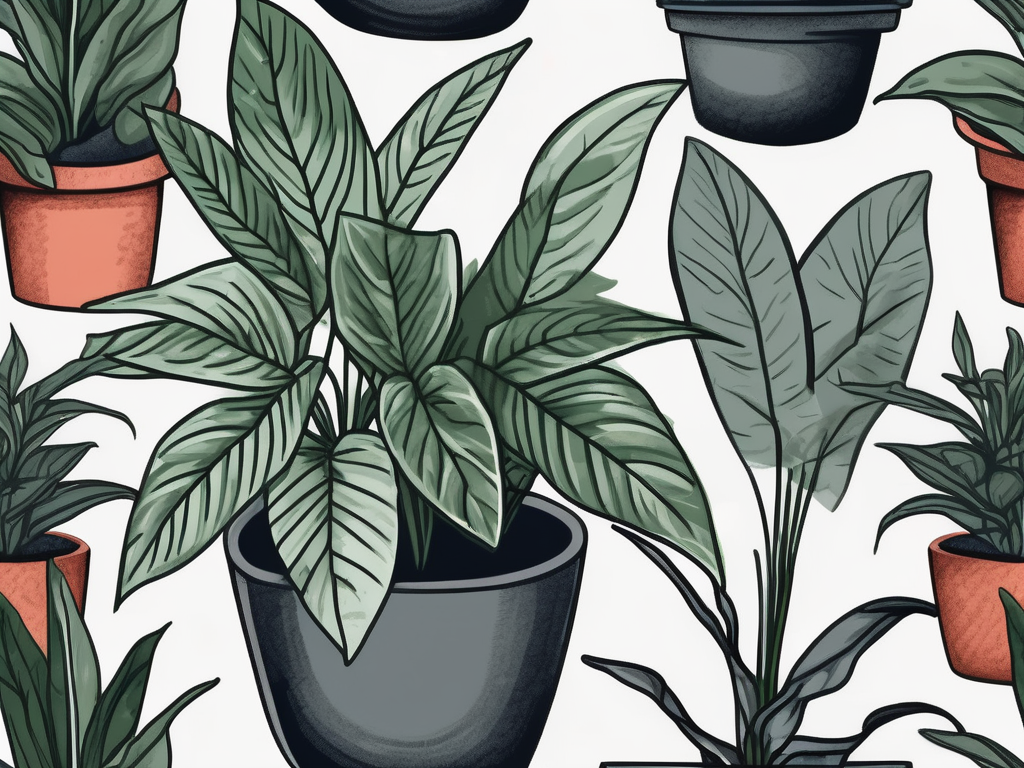
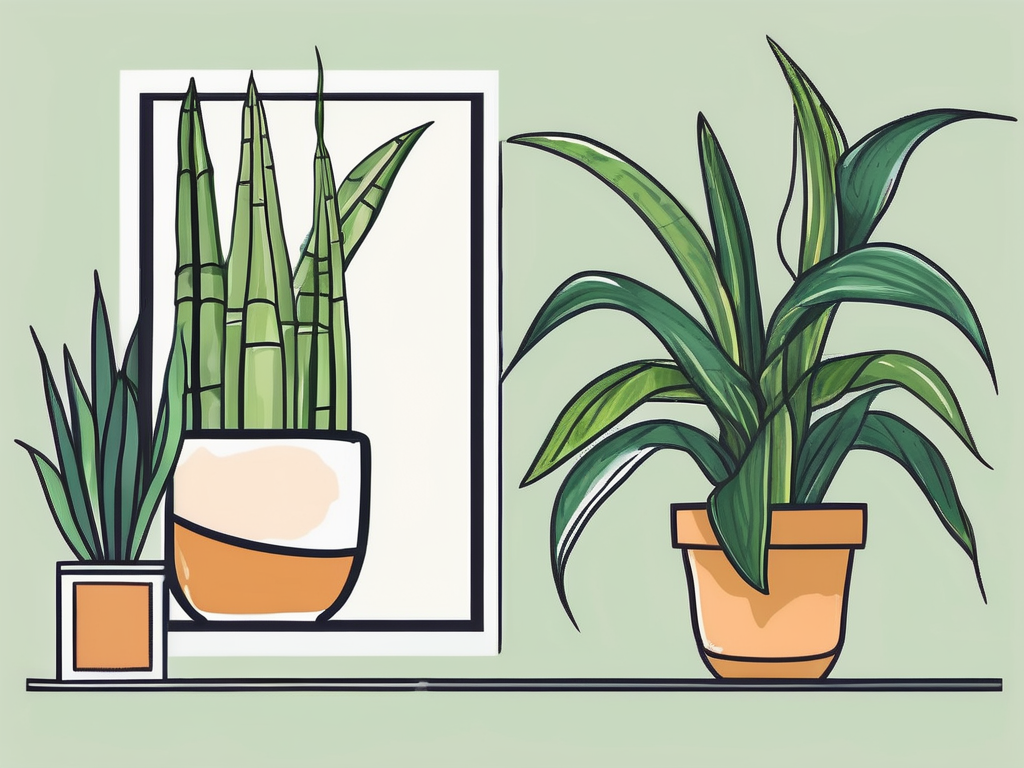
Have you ever stumbled upon a plant with striking leaves in vibrant colors like reds, greens, and purples, and wondered what it was? There's a good chance you were looking at a Hawaiian Ti Plant, one of the most eye-catching houseplants out there. This tropical beauty is not only a feast for the eyes but also a relatively easy plant to care for, making it a favorite among plant lovers.
In this article, we'll take a closer look at what makes the Hawaiian Ti Plant so special. We'll cover everything from its origins and characteristics to detailed care instructions. Whether you're a seasoned plant parent or just starting your green journey, you'll find practical tips and insights to help you nurture these stunning plants in your own home.
Origin and Characteristics of the Hawaiian Ti Plant
The Hawaiian Ti Plant, scientifically known as Cordyline fruticosa, has a rich history that dates back centuries. Originally found in Southeast Asia and the Pacific Islands, it's been cultivated and revered in Hawaii for generations, often referred to as "good luck plant" or "ti leaf." The plant holds cultural significance in Hawaii, where its leaves are used in traditional rituals and ceremonies.
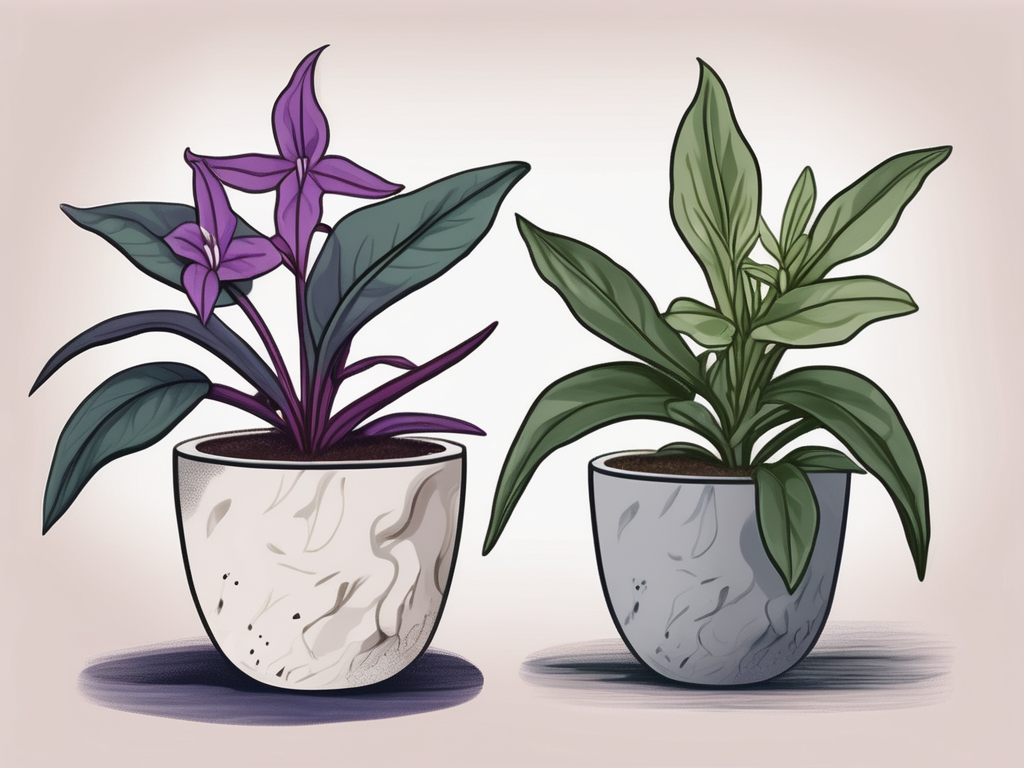
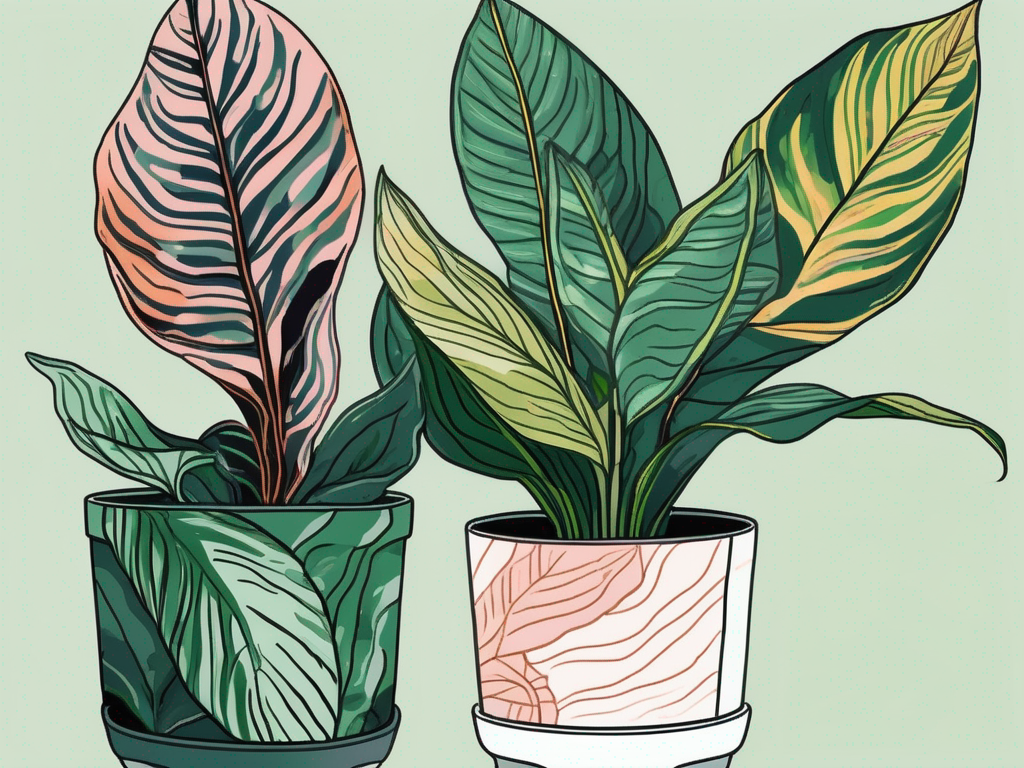
One of the standout features of the Ti Plant is its foliage. The leaves are long and lance-shaped, boasting an array of colors that can include shades of green, red, pink, and even purple. This colorful display is what attracts many plant enthusiasts to it in the first place. The plant can grow up to 10 feet tall in its natural habitat, but when kept indoors, it usually maxes out at around 3 to 4 feet.
Ti Plants are resilient and adaptable, capable of thriving in a variety of environments. They prefer warm, humid conditions, which mimic their native tropical habitat. However, they can adapt to indoor conditions quite well, as long as their basic needs are met.
Choosing the Right Spot for Your Ti Plant
When it comes to placing your Ti Plant in your home, lighting is key. These plants love bright, indirect light, which helps maintain the vibrant color of their leaves. Direct sunlight, especially during peak hours, can scorch their leaves, so it's best to avoid that.
If you don't have a spot with ample indirect sunlight, don't worry. Ti Plants can tolerate lower light conditions, although you might notice a slight fading in their leaf color. Consider using sheer curtains to filter direct sunlight if you plan to place the plant near a window.
When it comes to temperature, aim for a range between 65°F to 85°F (18°C to 29°C). Avoid placing your plant near drafty windows or doors, as sudden temperature changes can stress it out. Humidity is another factor to keep in mind. Ti Plants thrive in humid environments. If your home tends to be dry, especially during winter months, you can increase humidity by misting the leaves regularly or placing a humidifier nearby.
Watering and Soil Requirements
Watering a Ti Plant can be a bit tricky, but once you get the hang of it, it's quite straightforward. The goal is to keep the soil consistently moist, but not soggy. Overwatering can lead to root rot, a common issue with many houseplants.
A good rule of thumb is to water when the top inch of soil feels dry to the touch. During the growing season in spring and summer, you might find yourself watering more frequently. In the fall and winter, you can scale back, as the plant's growth naturally slows down.
As for soil, Ti Plants prefer a well-draining potting mix. You can use a standard houseplant mix and add a bit of perlite or sand to improve drainage. Make sure the pot has drainage holes to prevent water from pooling at the bottom, which can cause root issues.
Fertilizing Your Ti Plant
To keep your Ti Plant looking its best, fertilizing is a must. During the growing season (spring and summer), feed your plant with a balanced liquid fertilizer every 4 to 6 weeks. This will provide the essential nutrients it needs to produce those vibrant leaves.
Be cautious not to over-fertilize, as this can lead to salt buildup in the soil, which can damage the roots. If you notice white crusty deposits on the surface of the soil, it might be time to flush the soil with water to remove excess salts. During the fall and winter months, cut back on fertilizing, as the plant's growth slows down and it requires fewer nutrients.
Pruning and Propagation
Pruning your Ti Plant is a simple way to keep it looking neat and encourage new growth. Remove any yellow, brown, or damaged leaves using clean, sharp scissors or pruning shears. This not only maintains the plant's appearance but also directs energy to healthier parts of the plant.
Propagation is a fun way to expand your collection or share your love of Ti Plants with friends. The most common method is through stem cuttings. Here's a quick guide to get you started:
- Choose a healthy stem and cut a 4 to 6-inch section just below a leaf node.
- Remove the lower leaves, leaving a few at the top.
- Place the cutting in a glass of water or a pot with moist potting mix.
- If using water, change it every few days to prevent stagnation.
- In a few weeks, roots should start to develop. Once they're a few inches long, you can transplant the cutting to a pot with soil.
Remember, patience is key. It might take a few tries to get it right, but the satisfaction of growing a new plant makes it all worthwhile.
Dealing with Pests and Diseases
Like any houseplant, Ti Plants can fall victim to pests and diseases. Common pests include spider mites, mealybugs, and aphids. These tiny critters can cause significant damage if left unchecked, but don't worry, there are ways to manage them.
Regularly inspect your plant for any signs of infestation, such as webbing, sticky residue, or deformed leaves. If you notice any pests, start by isolating the affected plant to prevent the pests from spreading to others. Next, wipe down the leaves with a damp cloth or spray them with a mixture of water and mild dish soap.
For a more natural approach, consider using neem oil or insecticidal soap, both effective against a variety of pests. Always follow the instructions on the product label for best results.
As for diseases, root rot is the most common issue, often caused by overwatering. Ensure your plant is in a well-draining pot with proper soil to avoid this problem. If you suspect root rot, check the roots for mushiness and a foul odor. If confirmed, trim away the affected roots and repot the plant in fresh soil.
Incorporating the Ti Plant into Your Home Decor
The Hawaiian Ti Plant is not just a plant; it's a statement piece. Its vibrant leaves add a pop of color to any room, making it a favorite choice for interior design enthusiasts. Here are some ideas to inspire you:
- Entryways: Place a Ti Plant in your entryway to greet guests with its colorful foliage, setting a welcoming tone right from the start.
- Living Room Corners: Use the plant to brighten up dull corners, adding life and color to your living space.
- Bathrooms: If your bathroom has enough natural light, a Ti Plant can thrive there, benefiting from the humidity and adding a tropical vibe.
- Grouping: Combine Ti Plants with other tropicals like ferns or philodendrons for a lush, jungle-like feel.
When arranging your plants, consider using decorative pots that complement the plant's colors. This adds another layer of style and personality to your space.
Common Questions About Ti Plants
Every plant parent has questions, and that's perfectly normal. Here are some common queries about Ti Plants, along with answers to help you out.
Why are my Ti Plant's leaves turning brown?
Browning leaves can be caused by several factors, including low humidity, over or underwatering, or even too much direct sunlight. Assess your plant's environment and care routine to identify the cause and make necessary adjustments.
Can Ti Plants be grown outdoors?
Yes, they can! In warmer climates, Ti Plants can thrive outdoors, adding a tropical flair to your garden or patio. Just ensure they're not exposed to harsh direct sunlight for extended periods.
How often should I repot my Ti Plant?
Ti Plants typically need repotting every couple of years, or when you notice roots growing out of the pot. Choose a pot that's one size larger to give the roots room to grow.
Creating a Care Routine
Establishing a care routine for your Ti Plant is a great way to ensure it stays healthy and vibrant. Here’s a simple routine you can follow:
- Weekly Checks: Inspect the leaves for any signs of pests or disease. This helps catch any issues early.
- Watering: Check soil moisture levels weekly. Water when the top inch feels dry.
- Dusting: Wipe down the leaves with a damp cloth every few weeks to remove dust and allow the plant to breathe.
- Fertilizing: During the growing season, fertilize every 4 to 6 weeks for optimal growth.
By sticking to a routine, you’ll find it easier to spot any changes in your plant’s health and address them promptly.
Final Thoughts
The Hawaiian Ti Plant is a stunning addition to any home, offering vibrant colors and a touch of the tropics. With the right care, these plants can thrive and bring joy for years to come.
At Cafe Planta, we love helping you care for your plants. Whether you're looking for new additions or need advice, we're here to support you. Reach out via email or DM us on Instagram. Let's grow our plant collections and connect with nature together!