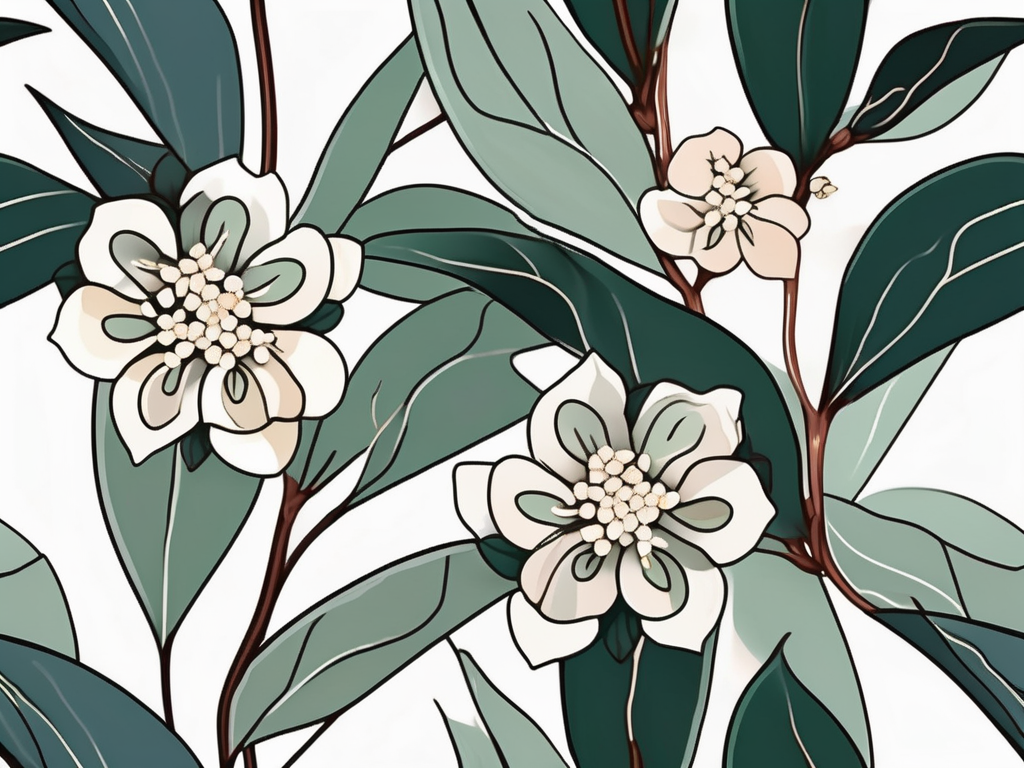
If you're a plant lover looking to add a bit of charm and intrigue to your indoor garden, you might want to consider the Hoya plant. These fascinating plants, often referred to as wax plants, are celebrated for their thick, glossy leaves and stunning clusters of star-shaped flowers. But what exactly makes Hoyas so special?
In this article, we'll cover everything you need to know about Hoya plants, from their origins and varieties to practical care tips. Whether you're a seasoned plant parent or just starting out, you'll find valuable insights to help you grow these delightful plants successfully.
Getting to Know the Hoya Plant
Hoyas are a diverse group of plants belonging to the Apocynaceae family, which also includes milkweed and oleander. Native to tropical regions of Asia and Australia, Hoyas have adapted to a wide range of environments. This adaptability makes them an excellent choice for indoor cultivation.
One of the most appealing features of Hoyas is their waxy, often fragrant flowers. These blooms can vary significantly in color, size, and form depending on the species. Some even have a sweet, intoxicating scent that can fill a room. Beyond their beauty, Hoyas are also quite resilient, making them a favorite among plant lovers.
Popular Hoya Varieties
With over 300 species, choosing a Hoya can be overwhelming. Here are a few popular varieties that you'll commonly find:
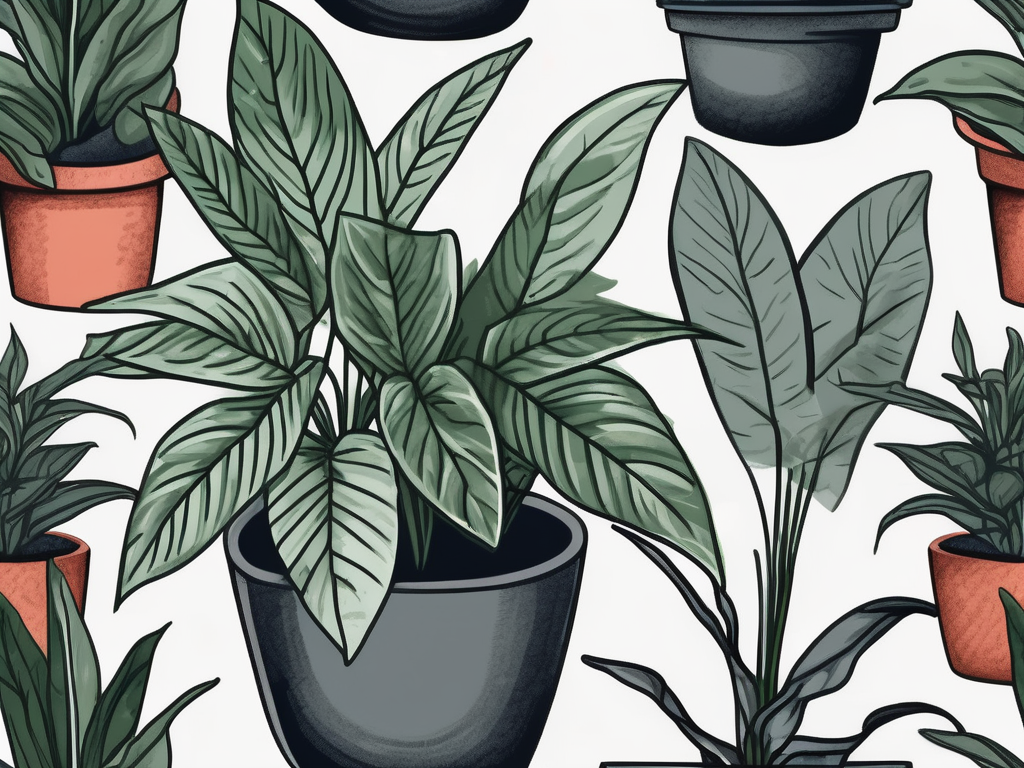
- Hoya carnosa: Known for its thick, waxy leaves and clusters of pink or white flowers, this is one of the most popular Hoya varieties. It's also relatively easy to care for.
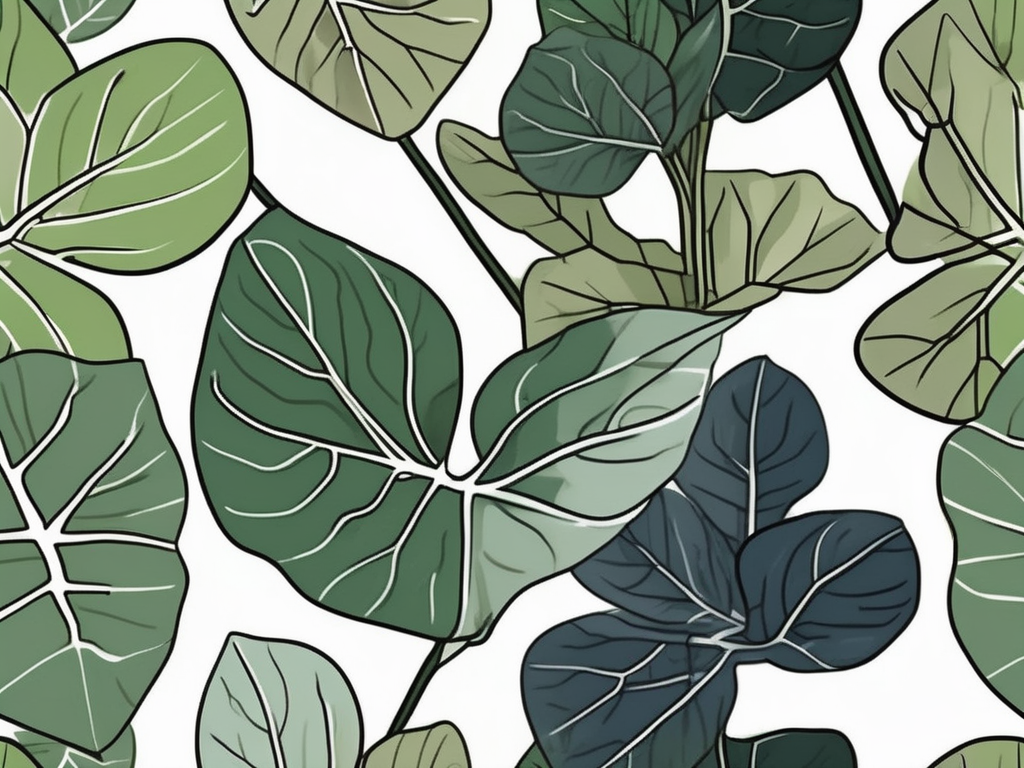
- Hoya kerrii: Often called the "Sweetheart Plant" due to its heart-shaped leaves, this Hoya is a popular gift plant. It's slow-growing but can become quite a statement piece over time.
- Hoya pubicalyx: This variety features long, lance-shaped leaves and clusters of dark pink or red flowers. It's known for its vigorous growth and ease of care.
- Hoya australis: With its broad, glossy leaves and clusters of white flowers, this Hoya is both beautiful and fragrant.
These varieties are just the tip of the iceberg. Each Hoya species has its own unique charm and characteristics, so there's likely a perfect fit for every plant lover's taste.
Ideal Growing Conditions
Hoyas are relatively forgiving plants, but they do have preferences when it comes to their environment. Here’s a quick guide to creating the perfect home for your Hoya:
Light
Hoyas thrive in bright, indirect light. While they can tolerate some direct sunlight, too much can scorch their leaves. If you're growing your Hoya indoors, a spot near a north or east-facing window is often ideal. If you're unsure about the light levels in your home, consider using a light meter or an app to measure the intensity.
Temperature and Humidity
Being tropical plants, Hoyas prefer warm temperatures and high humidity. They’re happiest in temperatures between 60-80°F (15-27°C). If your home is on the dry side, especially during winter, a humidifier can help maintain the moisture levels Hoyas love. Alternatively, you can place your plant on a pebble tray with water.
Soil
Well-draining soil is crucial for Hoyas. A mix specifically formulated for succulents or orchids usually works well. You can also create your own mix using equal parts potting soil, perlite, and orchid bark. The goal is to allow water to drain easily to prevent root rot.
Watering Your Hoya
Watering can be a bit tricky with Hoyas. They don't like to be overwatered, so it's essential to let the top inch or two of soil dry out between waterings. Here's a simple routine to follow:
- Check the soil: Before watering, stick your finger into the soil about an inch deep. If it feels dry, it's time to water.
- Water thoroughly: When you do water, ensure that it’s thorough. Water until it drains out of the bottom of the pot. This ensures the entire root system gets moisture.
- Adjust for seasons: In the growing season (spring and summer), Hoyas may need more frequent watering. In winter, reduce watering as the plant’s growth slows down.
Remember, less is often more when it comes to watering Hoyas. Overwatering is one of the most common mistakes plant parents make with these beauties.
Feeding Your Hoya
Feeding your Hoya can encourage growth and flowering. During the growing season, you can feed your plant with a balanced, water-soluble fertilizer every 4-6 weeks. Here are a few tips:
- Choose the right fertilizer: Look for a balanced formula, such as a 10-10-10 or 20-20-20. Alternatively, you can use a fertilizer specifically designed for flowering houseplants.
- Follow the instructions: Always dilute the fertilizer according to the package instructions to avoid overfeeding.
- Skip winter feedings: In fall and winter, Hoyas enter a period of dormancy, so you can pause feeding during these months.
Feeding your Hoya correctly can make a significant difference in its overall health and blooming potential. Just remember, moderation is key!
Pruning and Propagation
Pruning not only helps Hoyas maintain their shape but also encourages new growth and flowering. Here's how you can keep your Hoya in top condition:
Pruning
Trim back any dead or damaged leaves using clean, sharp scissors or pruning shears. You can also trim the vines to maintain a bushy appearance. Just be mindful not to remove the long, bare tendrils known as "peduncles," as these are where new flowers will form.
Propagation
Propagating Hoyas is a rewarding process, and it's surprisingly simple! Here's a step-by-step guide:
- Choose a healthy stem: Look for a stem with at least two nodes (the small bumps where leaves grow).
- Cut and prepare: Using clean scissors, cut just below a node. Remove the lower leaves to expose the nodes.
- Rooting medium: You can root in water or a mix of perlite and potting soil. If rooting in water, change it regularly to prevent stagnation.
- Wait: Place the cutting in a warm, bright spot and wait for roots to develop, which can take a few weeks.
Once the roots are a few inches long, you can transfer your new Hoya into a pot with well-draining soil. Congratulations, you've just created a new plant!
Common Pests and Problems
Like all plants, Hoyas can sometimes run into a few issues. Here’s how to tackle some common problems:
Pests
Hoyas can attract pests such as mealybugs, spider mites, and aphids. Here’s how to keep them at bay:
- Regular inspections: Check your plant regularly for signs of pests, especially under the leaves and around the nodes.
- Natural remedies: If you spot pests, try using a mixture of water and mild soap to gently wash them away. Neem oil is another effective, natural remedy.
- Isolation: If your plant is infested, isolate it from other plants to prevent the pests from spreading.
Problems
Besides pests, Hoyas can experience other issues such as yellowing leaves or dropping buds. Here are some quick fixes:
- Yellowing leaves: This often indicates overwatering. Let the soil dry out before watering again.
- Bud drop: If your Hoya drops its buds, it might be due to sudden changes in temperature or light. Try to maintain a consistent environment.
By staying vigilant and addressing issues promptly, you can keep your Hoya healthy and thriving.
Incorporating Hoyas into Your Home Decor
Hoyas are not only easy to care for but also incredibly versatile when it comes to home decor. Here are some tips on how to incorporate them into your living space:
Due to their vining nature, Hoyas are perfect for hanging baskets or mounted on trellises. This allows their vines to cascade down, creating a lush, green waterfall effect. You can also place them on high shelves or plant stands for a similar look.
For smaller spaces, consider a compact Hoya variety like Hoya kerrii. Its unique heart-shaped leaves make it a charming addition to desks, coffee tables, or even windowsills. Grouping different Hoya varieties together can create an interesting display of textures and colors.
Feel free to get creative with containers, too. From vintage pots to modern geometric planters, the right pot can complement both your Hoya and your decor style. Just be sure the pot has drainage holes to prevent waterlogging.
Fun Facts About Hoyas
Hoyas have some interesting traits that make them stand out in the plant world. Here are a few fun facts to share with your fellow plant people:
- Named after a gardener: The Hoya genus was named in honor of Thomas Hoy, an 18th-century botanist and gardener to the Duke of Northumberland.
- Resilient survivors: In their natural habitat, Hoyas often grow as epiphytes, meaning they can thrive without soil, extracting moisture and nutrients from the air.
- Slow and steady: While Hoyas can be slow to grow, they often reward patience with stunning blooms that can last for several weeks.
- Fragrant flowers: Many Hoya species produce highly fragrant flowers, especially in the evening, which makes them a delightful addition to any home.
These fascinating tidbits highlight just a few reasons why Hoyas are so beloved by plant lovers worldwide.
Final Thoughts
Hoyas are remarkable plants that bring beauty and interest to any space. From understanding their unique characteristics to mastering their care, you now have the insights needed to nurture these captivating plants.
At Cafe Planta, we’re passionate about helping you succeed in your plant journey. We offer a variety of houseplants, including Hoyas, along with plant care accessories and plant-themed apparel. If you have any questions about plant care, feel free to email us or send us a message on Instagram. We're excited to share our love of plants and help you create a thriving collection in your home.