Ever stumbled upon a plant with leaves so strikingly vibrant that you couldn't help but take a second look? If you've encountered a Purple Waffle Plant (Hemigraphis alternata) in your local plant shop or admired one in a friend's collection, you know exactly what I'm talking about. This charming plant isn't just a treat for the eyes—it's also a delightful addition to any indoor space.
In this article, we're going to chat about everything you need to know about the Purple Waffle Plant. From its unique appearance and care needs to its role in interior design, we'll cover it all. So, grab a cup of tea, get comfy, and let's get to know this fascinating houseplant a bit better.
Meet the Purple Waffle Plant
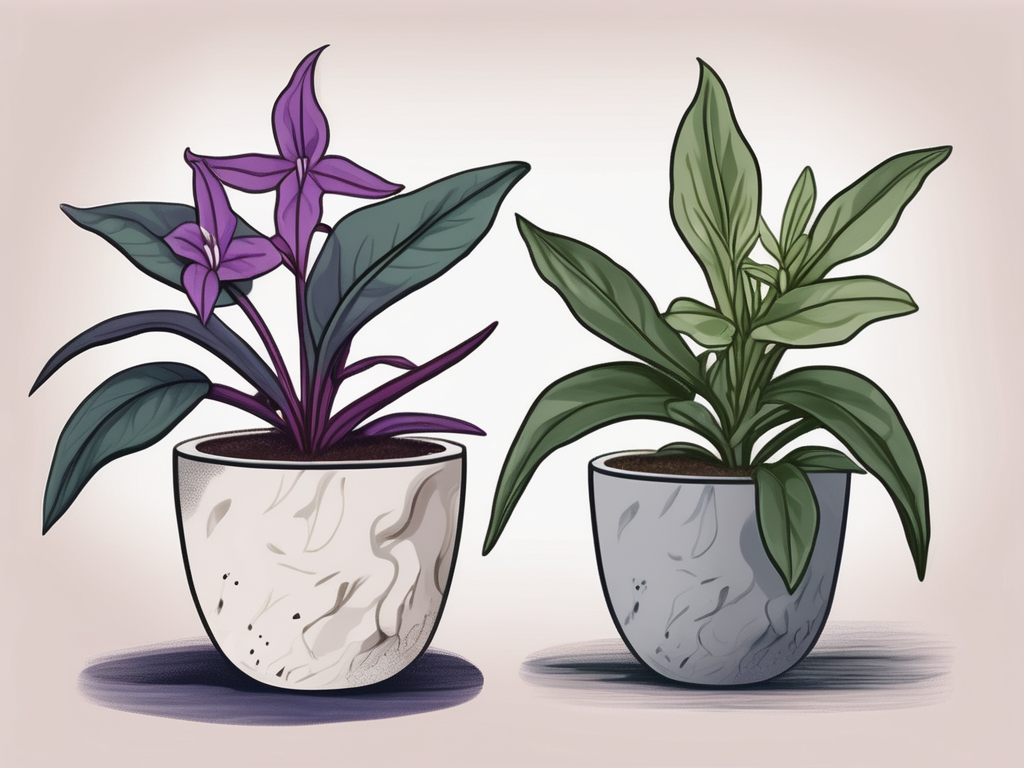
First things first, let's introduce the star of our show. The Purple Waffle Plant is a small, tropical perennial known for its eye-catching foliage. Native to Indonesia and India, this plant thrives in warm, humid environments. Its charming, wavy leaves are what give it the name "waffle," while the purple undersides provide a pop of color that's hard to miss.
What makes this plant particularly appealing to plant lovers is its compact size and easygoing nature. It's perfect for those who are new to houseplants and experienced plant parents alike. The plant typically grows to about 6 to 8 inches tall, making it a great choice for small spaces or as part of a larger plant display.
Interestingly enough, the Purple Waffle Plant is more than just a pretty face. It has air-purifying qualities, which is an added bonus for anyone looking to improve the air quality in their home. It's like having a little green air filter in your living room!
Caring for Your Purple Waffle Plant
Now that you're acquainted with this lovely plant, you're probably wondering how to care for it. Don't worry—it's not as complicated as you might think. The Purple Waffle Plant is quite low-maintenance, but like any plant, it does have its preferences.
Light Requirements
The Purple Waffle Plant prefers bright, indirect light. Direct sunlight can scorch its leaves, so it's best to keep it near a window with filtered light or in a spot that gets plenty of indirect sunlight. If your home lacks natural light, a fluorescent light can also work well.
Watering Needs
When it comes to watering, the Purple Waffle Plant likes to stay consistently moist but not soggy. A good rule of thumb is to water it when the top inch of soil feels dry to the touch. Be mindful of overwatering, as this can lead to root rot, a common issue with many houseplants.
Temperature and Humidity
As a tropical plant, the Purple Waffle Plant thrives in warm temperatures. Aim to keep it in a space where the temperature ranges between 65°F and 80°F. Additionally, it loves humidity, so if your home is dry, consider using a pebble tray or a humidifier to keep the air around the plant nice and moist.
Feeding Your Plant
Feed your Purple Waffle Plant with a balanced, water-soluble fertilizer every four to six weeks during the growing season (spring and summer). This will help support its growth and keep it vibrant. During the fall and winter, you can ease off on the feeding, as the plant’s growth naturally slows down.
Pest Problems and Solutions
No plant is completely immune to pests, and the Purple Waffle Plant is no exception. However, with a little vigilance, you can keep those pesky invaders at bay.
Common Pests
Spider mites and whiteflies are the most common pests that may trouble your Purple Waffle Plant. You'll know you have a spider mite problem if you notice fine webbing on the leaves, while whiteflies will show themselves as tiny, white insects hovering around your plant.
Dealing with Pests
If you spot any of these pests, don't panic. There are several ways to tackle them:
- Neem Oil: This natural insecticide works wonders. Mix it with water and spray your plant thoroughly, making sure to cover both sides of the leaves.
- Insecticidal Soap: Another effective option. This can be sprayed directly onto the plant to kill pests without harming the plant itself.
- Manual Removal: For a small infestation, you can simply wipe the leaves with a damp cloth or use a gentle stream of water to wash the pests away.
Regularly inspecting your plant and keeping it clean will help prevent pest problems before they start.
Soil and Potting Tips
Choosing the right pot and soil can make a big difference in your plant’s health. The Purple Waffle Plant isn't too fussy, but it does have a few preferences when it comes to its home.
Soil Preferences
A well-draining potting mix is best for the Purple Waffle Plant. You can use a standard houseplant mix and add a bit of perlite or sand to improve drainage. This will help prevent the dreaded root rot by ensuring excess water doesn't linger around the roots.
Potting and Repotting
When choosing a pot, make sure it has drainage holes to allow excess water to escape. As for repotting, you don't need to do it often. The Purple Waffle Plant is quite content staying in the same pot for a couple of years. Repotting is necessary only when you notice the plant has outgrown its pot, which usually means roots are poking out of the drainage holes.
When it's time to repot, gently remove the plant from its current pot, loosen any compacted roots, and place it in a slightly larger pot with fresh soil. This is best done during the growing season to minimize stress on the plant.
Using the Purple Waffle Plant in Interior Design
Beyond its care needs, let's talk about how the Purple Waffle Plant can enhance your living space. With its unique appearance, it offers plenty of opportunities to get creative with interior design.
Adding Color and Texture
The Purple Waffle Plant's rich, textured foliage makes it a fantastic choice for adding color and interest to your home. Its deep purple hue can complement a variety of color schemes, whether you're aiming for a bold, vibrant look or a more subdued, natural vibe.
Placement Ideas
Due to its compact size, the Purple Waffle Plant is incredibly versatile in terms of placement. Here are a few ideas:
- Bookshelves: Tuck it between your favorite reads for a pop of color.
- Desks: Keep one on your workspace to brighten up your day.
- Bathrooms: Its love for humidity makes it an ideal bathroom companion.
Whether you're placing it on a windowsill or as part of a larger plant grouping, the Purple Waffle Plant is sure to stand out.
Propagating Your Purple Waffle Plant
One of the joys of plant parenting is watching your collection grow. If you're interested in expanding your Purple Waffle Plant family, you're in luck! This plant is relatively easy to propagate.
Step-by-Step Propagation
Here's a simple way to propagate your Purple Waffle Plant:
- Choose a Healthy Stem: Look for a stem with several leaves and no signs of disease or pests.
- Make the Cut: Using clean, sharp scissors, cut a 4- to 6-inch section just below a node (where the leaf meets the stem).
- Prepare for Rooting: Remove the lower leaves, leaving just a few at the top. This helps the cutting focus its energy on rooting.
- Place in Water or Soil: You can root your cutting in water or directly in soil. If using water, place the cutting in a jar with the node submerged. For soil, stick the cutting in a pot with damp soil.
- Wait for Roots: Place the cutting in a warm spot with bright, indirect light. If in water, change the water every few days. Roots should begin to form in a few weeks.
Once your cutting has developed a healthy root system, you can pot it up in soil and watch your new plant grow.
Troubleshooting Common Issues
Even with the best care, sometimes things don't go as planned. Here are a few common issues you might encounter with your Purple Waffle Plant and how to address them.
Yellowing Leaves
Yellow leaves can indicate several issues, such as overwatering, underwatering, or nutrient deficiency. Check the soil moisture and adjust your watering schedule if needed. If overwatering is the problem, let the soil dry out a bit before watering again. A balanced fertilizer can help if the plant is lacking nutrients.
Wilting or Drooping Leaves
If your plant looks wilted or droopy despite regular watering, it might be an issue with humidity or temperature. Ensure your plant is in a warm, humid environment. Increasing humidity can often revive a droopy Purple Waffle Plant.
Brown Leaf Edges
Brown edges can result from dry air or fluoride in tap water. To fix this, increase humidity around the plant and use distilled or rainwater for watering.
By keeping an eye on these signs, you'll be able to catch and correct problems before they become serious.
Creating a Plant-Filled Oasis
Bringing plants into your home isn't just about caring for them—it's about creating a space that feels alive and inviting. The Purple Waffle Plant, with its unique charm, can play a significant role in this transformation.
Combining Plants
Pairing your Purple Waffle Plant with other houseplants can create a lush, layered look that's both visually appealing and beneficial to your environment. Consider mixing it with plants of varying heights and textures, such as:
- Ferns: Their feathery leaves contrast beautifully with the Purple Waffle Plant's texture.
- Philodendrons: These create a cohesive look with their similarly tropical vibe.
- Spider Plants: Their arching leaves add a dynamic element to any plant arrangement.
Designing with Intention
When arranging plants, be intentional about placement and composition. Use the Purple Waffle Plant to draw the eye and create focal points. Its vibrant color can accentuate other elements in the room, from furniture to artwork.
By experimenting with different arrangements, you'll find the perfect setup that reflects your style and makes your space feel like home.
Conclusion: Final Thoughts
The Purple Waffle Plant is a wonderful addition to any home, offering vibrant color and easy care. With the tips we've covered, you should feel confident in nurturing this beautiful plant and enjoying its presence in your space.
At Cafe Planta, we're passionate about helping plant lovers find and care for their perfect plants. Whether you have questions or need guidance, feel free to email us or reach out on Instagram. We're here to support your plant journey and help you create a thriving indoor oasis.