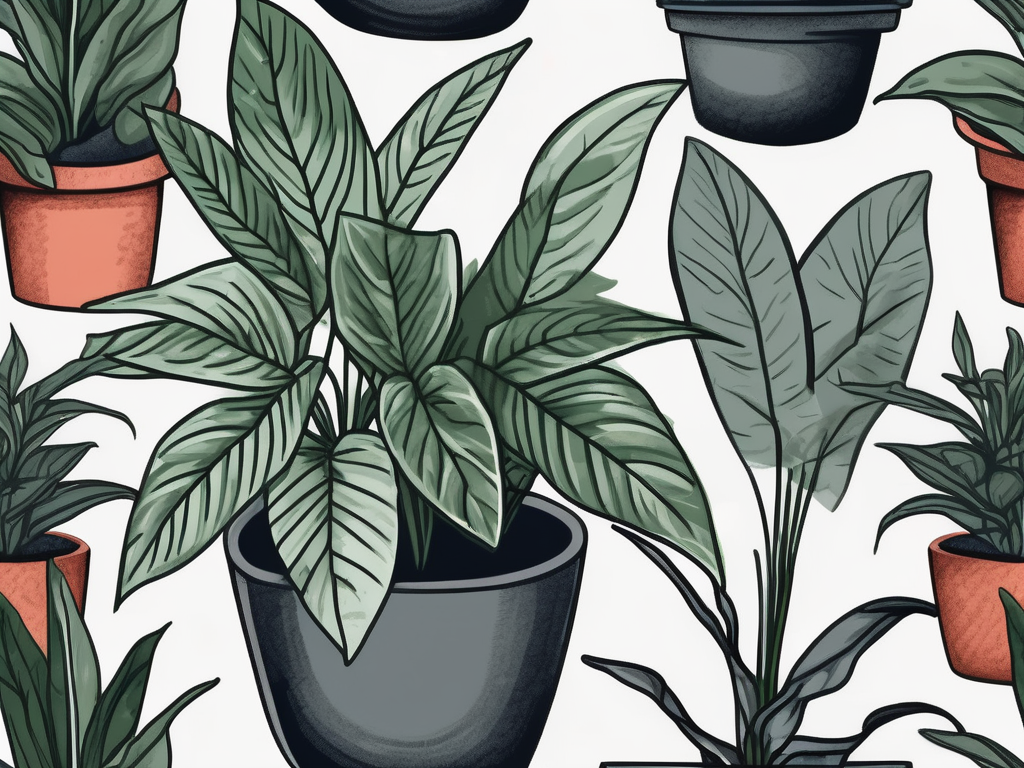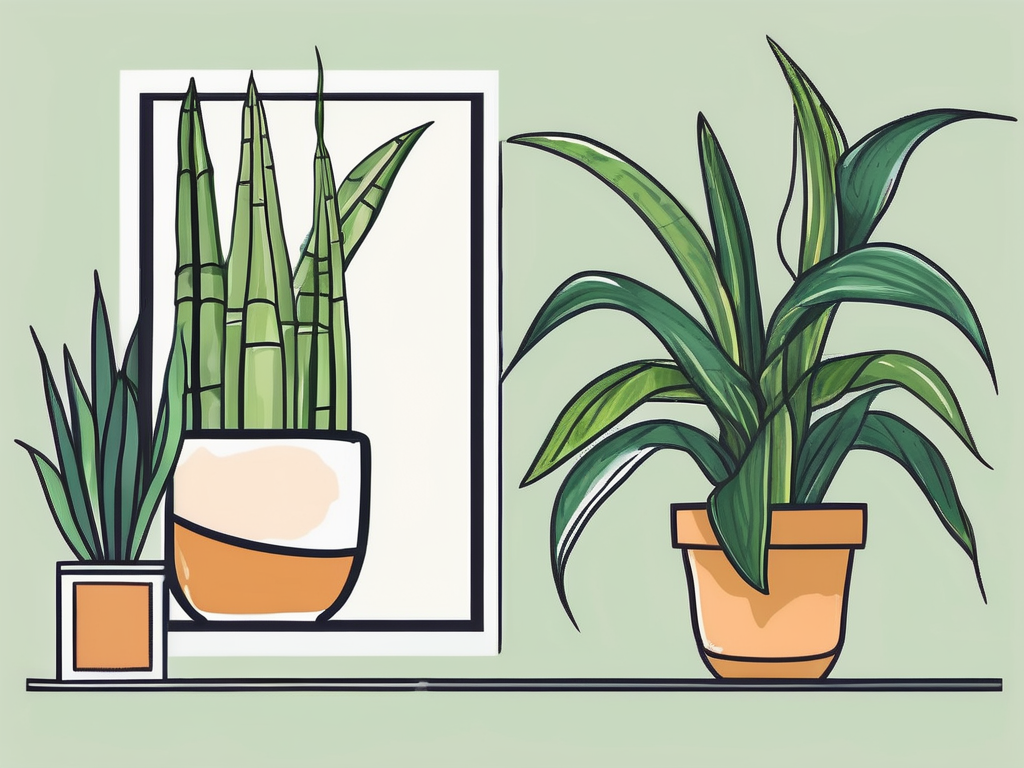
If you're a fan of easy-care houseplants with a flair for the dramatic, then the Sansevieria plant might be your new best friend. Known for its striking vertical leaves and remarkable resilience, the Sansevieria is a perfect fit for both seasoned plant lovers and those just starting their plant journey.
In this blog post, we'll take a close look at what makes the Sansevieria plant so special. From its historical roots to practical care tips, you'll discover how this plant can add beauty to your home while making your plant care routine a breeze.
Getting to Know the Sansevieria Plant
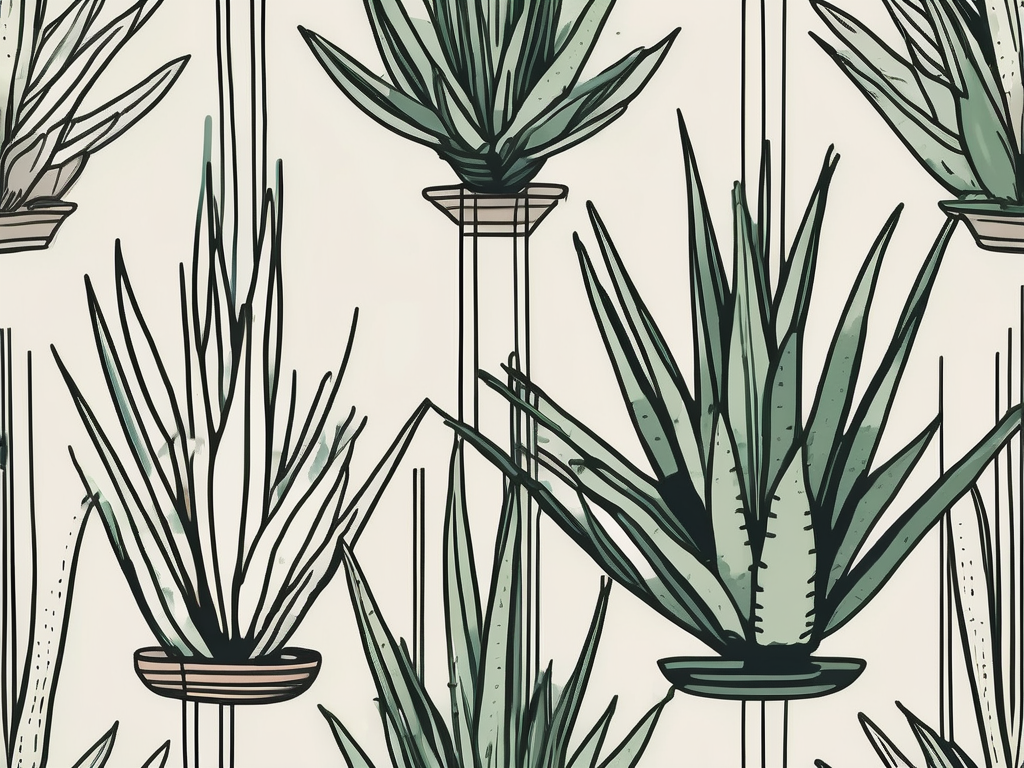
Sansevieria, often called the "snake plant" or "mother-in-law's tongue," is a genus of about 70 species of flowering plants. Originally, these plants hailed from Africa, Madagascar, and southern Asia, which might explain their hardiness. With stiff, upright leaves that can grow several feet tall, they make a striking architectural statement in any room.
What's interesting is that the Sansevieria has adapted to some pretty challenging environments. In the wild, you might find it thriving in rocky soils and arid climates. This toughness translates well to the home environment, where it can withstand a bit of neglect. If you're someone who forgets to water your plants occasionally, the Sansevieria won't hold it against you.
But there's more to this plant than just its good looks and resilience. Sansevierias are also known for their air-purifying abilities. Studies by NASA have shown that they can remove toxins like formaldehyde and benzene from the air, making your home a healthier place to live. So, in addition to being a decorative piece, the Sansevieria actually contributes to your well-being.
Varieties of Sansevieria
The Sansevieria family is quite diverse, offering a range of leaf shapes, sizes, and colors. This means there's likely a variety that fits your aesthetic preferences perfectly. Here are a few popular ones:
- Sansevieria trifasciata: This is perhaps the most common type, known for its tall, dark green leaves with lighter horizontal bands. It's often referred to as "mother-in-law's tongue."
- Sansevieria cylindrica: As its name suggests, this variety has cylindrical leaves that can be braided for a unique look. It's a great choice if you're after something a bit different.
- Sansevieria laurentii: This variety features yellow borders on its leaves, which add a pop of color to its otherwise green foliage.
- Sansevieria moonshine: With its stunning silver-green leaves, this variety offers a modern, sleek appearance.
Each of these varieties brings its own charm and can be suited for different interior styles. Whether you're aiming for a minimalist look or something more eclectic, there's a Sansevieria that can fit right in.
Caring for Your Sansevieria
One of the reasons the Sansevieria is so beloved by plant parents is its easy-going nature. Here's how you can keep yours thriving:
Light Requirements
Sansevierias are quite flexible when it comes to light. They enjoy bright, indirect sunlight but can also tolerate low light conditions. If you have a spot in your home that's a bit too dim for other plants, your Sansevieria might just love it there.
Watering
Watering is where many people make mistakes with Sansevierias. They prefer to dry out between waterings, so it's better to water them sparingly. During the growing season (spring and summer), you can water them every couple of weeks. In the dormant season (fall and winter), cut back to once a month.
Always make sure the soil is dry before watering again. Overwatering can lead to root rot, which is one of the few ways to seriously harm this plant.
Soil and Potting
Sansevierias aren't picky about their soil, but they do need good drainage. A cactus or succulent mix works well. When potting, choose a pot with a drainage hole to help prevent water from pooling at the bottom. Since these plants have a shallow root system, they don't require deep pots.
Dealing with Pests and Diseases
While Sansevierias are generally tough, they can occasionally run into issues with pests or diseases. Here’s what you might encounter and how to address it:
Common Pests
Sansevierias can attract pests like spider mites or mealybugs. If you notice these unwelcome visitors, you can usually remove them with a bit of patience. A gentle wipe with a damp cloth or a spritz of insecticidal soap can do the trick.
Diseases
The most common disease issue is root rot, which is typically caused by overwatering. Ensure your plant's pot has good drainage and that you're letting the soil dry out before watering again. If you suspect root rot, remove the plant from the pot and trim away the affected roots. Repot in fresh soil, and be more cautious with watering going forward.
Propagating Your Sansevieria
Propagating Sansevierias is a fun way to expand your plant collection or share with friends. Here are a couple of methods you can try:
Division
The simplest way to propagate a Sansevieria is through division. When you notice your plant has grown enough to fill its pot, it's likely time to divide it. Remove the plant from the pot and gently separate the root ball into sections. Each section should have a few leaves and roots. Plant these sections into new pots with fresh soil.
Leaf Cuttings
Another method is through leaf cuttings. Cut a leaf into sections a few inches long, and let them dry out for a day or so to heal over. Plant them cut-side down in moist soil. It might take a while, but eventually, new roots and leaves will start to grow.
Integrating Sansevieria into Interior Design
Beyond its care, part of the charm of Sansevieria is how it can transform a space. Its bold, upright form makes it a natural choice for adding height and structure to your interior design.
For a modern look, place a tall Sansevieria in a sleek pot as a statement piece. If you have a Scandinavian-style home, the minimalist lines of the plant will fit right in. On the other hand, if you're more into bohemian décor, a cluster of different Sansevieria varieties can create a lush, eclectic vibe.
Don't be afraid to get creative with placement, either. Try using Sansevierias to frame a doorway or as a centerpiece on a large dining table. Their versatility means they can fit just about anywhere you need a touch of green.
Common Challenges and Solutions
Even though Sansevierias are low-maintenance, you might still face a few challenges. Here's how to handle some common issues:
Yellowing Leaves
If you notice yellow leaves, it could be a sign of overwatering. Check your watering schedule and adjust accordingly. Also, ensure that your pot has good drainage.
Brown Tips
Brown tips can result from underwatering or low humidity. While Sansevierias are drought-tolerant, they still need occasional water. Increase your watering frequency slightly, especially if the air in your home is very dry.
Pests
As mentioned earlier, pests like spider mites and mealybugs can be a hassle. Regularly inspect your plant and use natural remedies like neem oil or insecticidal soap if needed.
Benefits of Having a Sansevieria
Aside from their visual appeal, Sansevierias bring several benefits:
- Air Purification: As mentioned, they help clean the air, removing toxins and improving indoor air quality.
- Low Maintenance: They don't require frequent attention, making them ideal for busy plant parents.
- Versatility: They can thrive in various lighting conditions, from bright to low light.
These benefits make Sansevierias a smart choice for anyone looking to add greenery to their home without adding too much work to their routine.
Final Thoughts
Sansevierias are truly remarkable plants that offer beauty, resilience, and health benefits. Whether you're a seasoned plant parent or just starting out, they can be a fantastic addition to your home.
At Cafe Planta, we're passionate about helping you create a thriving plant collection. If you have any questions about caring for your Sansevieria or any other plants, don't hesitate to reach out to us via email or Instagram. We believe in the power of plants to bring people together and connect us with nature. Let's grow something beautiful together!