Repotting houseplants is one of those tasks that can feel a bit like a guessing game. You might find yourself staring at your leafy friends, wondering if they’re happy in their current pots or silently pleading for more room to grow. And let's be honest, no one wants to be the plant parent who accidentally stunts their plant’s potential by neglecting this essential step.
This article is here to take the mystery out of repotting. We’ll talk about when your plants are telling you they need more space, how to actually go about repotting them, and a few tips to keep your indoor jungle thriving. Whether you’re a seasoned plant lover or just starting your collection, you’ll find information that’s easy to understand and apply.
Signs It’s Time to Repot
Identifying when to repot your houseplants is crucial for their health and vitality. Plants, much like us, have their ways of signaling when they need a change. Here are some telltale signs:
- Roots are growing out of the drainage holes: This is a classic sign that your plant is outgrowing its current home. If roots are peeking out from the bottom, it's time to upgrade to a larger pot.
- Water is sitting on the surface: If water takes forever to soak in, it might mean the roots have filled the pot, leaving little room for soil and water.
- Growth has slowed: If you notice your plant isn't growing as vigorously as it used to, a cramped pot could be the culprit.
- Your plant is top-heavy and falling over: A plant that can't stay upright often needs a bigger pot to support its size.
- Soil is drying out too quickly: If you're watering frequently because the soil dries out fast, it could be a sign the roots are taking up too much space.
These signals are your plant’s way of telling you it's time for a change. Keeping an eye out for these signs will help you stay ahead of potential issues and keep your plants thriving.
Choosing the Right Pot
So, you've determined that your plant needs a new home. The next step is picking the right pot, which can be more nuanced than it seems. Here are some factors to consider:
- Size: Choose a pot that's only 1 to 2 inches larger in diameter than the current pot. Going too big can lead to overwatering and root rot because the soil retains too much moisture.
- Material: Pots come in materials like plastic, ceramic, terracotta, and metal. Terracotta is great for plants that prefer drier conditions because it wicks moisture away. Plastic and ceramic are good for moisture-loving plants because they retain water better.
- Drainage: Always opt for pots with drainage holes. They prevent water from pooling at the bottom and causing root rot.
Picking the right pot is not just about aesthetics, but about creating a healthy environment for your plants to grow. It's like choosing the right pair of shoes—not too tight, but not too loose either.
Preparing for Repotting
Before you get your hands dirty, it’s important to prepare both yourself and your plant for the repotting process. Here's how to get started:
- Gather your materials: You'll need fresh potting soil, a new pot, a small trowel, and a watering can. Have everything ready so the process is smooth and stress-free.
- Water your plant: Water your plant a day or two before repotting. This helps make the removal process easier and lessens the shock to the plant.
- Loosen the plant: Gently squeeze the sides of the pot to loosen the root ball. If the plant is stubborn, use a knife to gently score around the edge.
Preparation is key to making repotting a smooth experience for both you and your plant. Think of it as a little planning session that sets you up for success.
How to Repot
Now that you’re all set, it’s time to get down to business. Here’s a step-by-step guide to repotting your plant:
- Remove the plant: Carefully tip the pot to one side and slide the plant out. Support the base of the plant with your hand to avoid damaging it.
- Examine the roots: Check for any dead or rotten roots and trim them with sterilized scissors. Healthy roots are usually white or light tan.
- Prepare the new pot: Add a layer of fresh potting mix to the bottom of the new pot. This gives the roots something to grow into.
- Position the plant: Place the plant in the center of the pot and fill in around it with more potting mix. Make sure the plant is at the same depth as it was in the old pot.
- Water thoroughly: After repotting, water the plant well to help the soil settle and eliminate air pockets.
Repotting is like giving your plant a fresh start. With new soil and space to grow, you’ll see your plant flourish in no time.
Post-Repotting Care
Your plant has a new home, but the journey doesn’t end there. Post-repotting care is just as important to ensure your plant settles in well:
- Place in indirect light: For the first few weeks, keep your plant in a spot with indirect light. This helps it recover from any potential shock.
- Resume regular watering: After the initial watering post-repotting, go back to your regular schedule, but be mindful not to overwater.
- Hold off on fertilizing: Give your plant a month to settle before you start fertilizing again. The new soil should have enough nutrients to sustain it initially.
Think of this period as a little vacation for your plant—a time to adjust and get comfortable in its new home. With some patience and care, your plant will be thriving again in no time.
Common Mistakes to Avoid
Everyone makes mistakes, but when it comes to repotting, a little foresight can save you a lot of trouble. Here are some common pitfalls to watch out for:
- Repotting too often: While it might be tempting to keep moving your plants into bigger pots, this can actually stress them out. Repot only when necessary.
- Choosing the wrong soil: Different plants have different soil needs. Make sure you’re using the right type for your specific plant.
- Not watering properly: Over or underwatering post-repotting can be harmful. Stick to a consistent schedule but adjust based on your plant’s needs.
By avoiding these common mistakes, you’ll ensure that your plant not only survives but thrives in its new environment.
Repotting for Aesthetic Appeal
Beyond the health benefits, repotting is a great opportunity to refresh your space visually. Here’s how you can incorporate your newly repotted plants into your home decor:
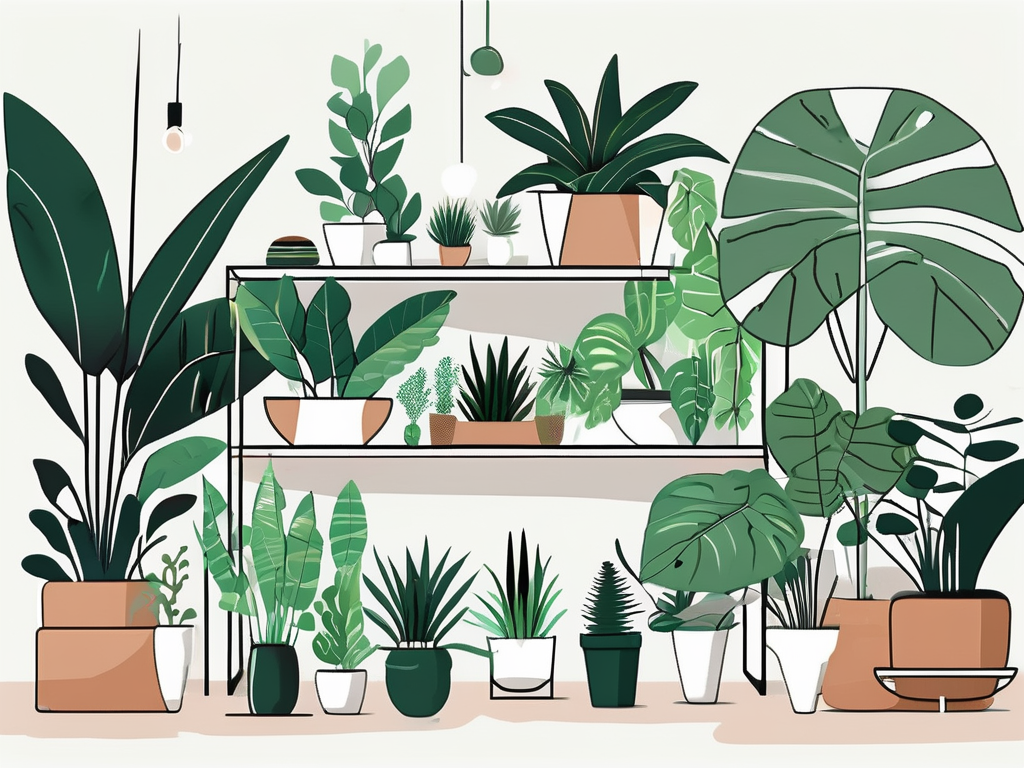
- Mix and match pots: Use a variety of pot styles and colors to create visual interest. Just be sure they suit your plant’s needs.
- Create groupings: Display plants in groups of odd numbers for a more natural look. Vary the heights and textures for added depth.
- Use plant stands: Elevate some plants to create layers and draw the eye upwards.
Repotting isn’t just functional—it’s a chance to play with design and make your living space more vibrant. Plus, who doesn’t love a bit of plant-based creativity?
When Not to Repot
While repotting is generally beneficial, there are times when it’s better to hold off. Here are a few scenarios where you might want to wait:
- During dormancy: Many plants have a dormant period when they don’t grow much. It’s best to wait until the active growing season to repot.
- When flowering: Repotting can stress a plant, and you don’t want to disrupt it when it’s putting energy into flowering.
- When the plant is sick: If your plant is already struggling, repotting might add to its stress. Address the underlying health issues first.
Knowing when to hold off on repotting is just as important as knowing when to go for it. This way, you protect your plant’s health and give it the best chance to thrive.
Repotting Unusual Plants
Some plants have special needs when it comes to repotting. Cacti, succulents, and orchids, for example, require different approaches:
- Cacti and succulents: These plants prefer well-draining soil. Be gentle with their roots, as they can be quite fragile.
- Orchids: Often potted in bark or moss, orchids need repotting when their medium breaks down. Ensure plenty of air circulation around their roots.
Tackling these unique plants might seem daunting, but with a little research and care, you can successfully repot even the most finicky species.
Final Thoughts
Repotting your houseplants is a vital part of keeping them healthy and happy. By recognizing the signs that it’s time to repot, choosing the right pot and soil, and providing proper care, you’ll give your plants the best chance to thrive. Remember, it’s not just about the aesthetics—although that’s a nice bonus—but about ensuring your plants have the space and resources they need to grow.
At Cafe Planta, we’re all about helping you create a beautiful and thriving plant haven. If you have questions about plant care or need advice on repotting, feel free to email us or drop us a message on Instagram. Whether you're a seasoned plant parent or just starting, we're here to support you on your plant journey. Let's make your indoor garden as lush and lively as you’ve always imagined!