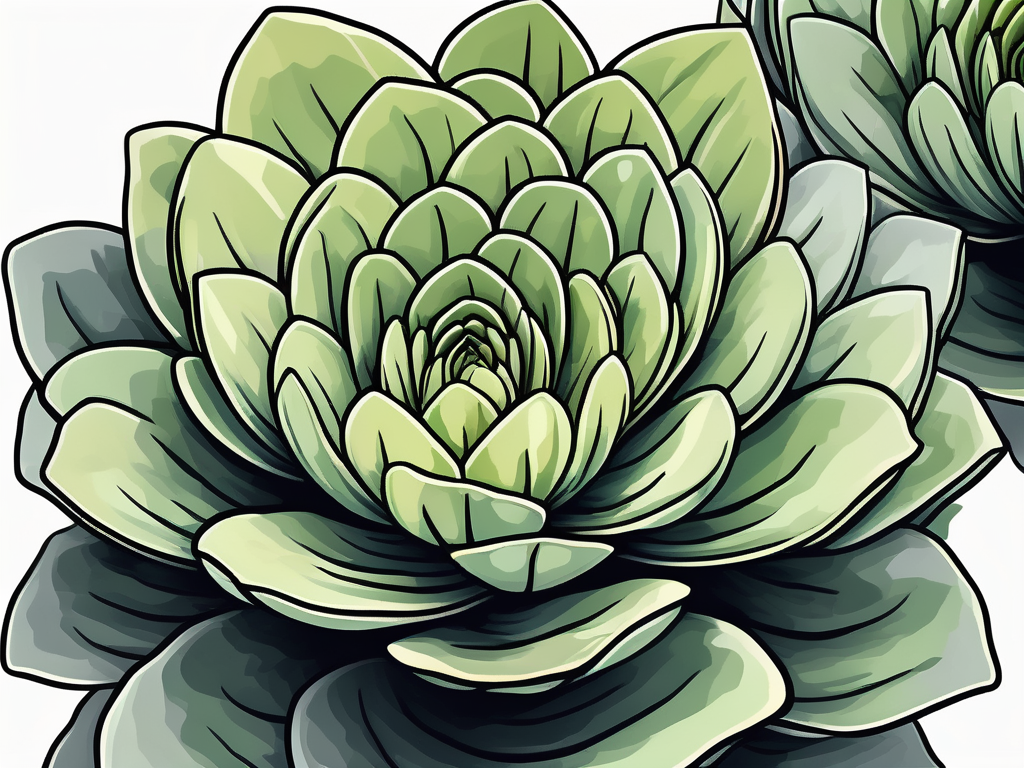
Aeoniums are a unique group of succulents that have captured the hearts of many plant lovers with their striking rosette shapes and vibrant colors. However, like any living thing, they can experience issues, one of the most common being leaf curling. If you're noticing your aeonium's leaves starting to curl, don't panic—this is a common issue with several potential causes.
In this article, we'll dive into the various reasons why aeonium leaves might curl, from environmental factors to pests and diseases. You'll also find practical tips and solutions to help your plant thrive. Let's get started and unravel the mystery behind those curling leaves!
Understanding Aeonium Leaf Curling
Aeoniums are known for their beautiful, thick rosettes that can come in many colors, including green, purple, and even black. When these leaves start to curl, it's often a sign that something isn't quite right. But before we jump to conclusions, it's important to understand that leaf curling can be a natural response to various conditions.
Several factors can contribute to leaf curling, such as environmental stress, watering habits, or even pests. In some cases, leaf curling is a plant's way of conserving water or protecting itself from extreme conditions. By identifying the root cause, you can take the necessary steps to address it and help your aeonium regain its health.
Common Causes of Leaf Curling in Aeoniums
There are several reasons why your aeonium may be experiencing leaf curling. Some of the most common culprits include:
- Watering Issues: Over-watering or under-watering can stress your plant, leading to curled leaves.
- Environmental Stress: Sudden changes in temperature or humidity can cause leaves to curl.
- Pests and Diseases: Infestations or infections can damage the leaves, causing them to curl.
- Nutrient Deficiency: A lack of essential nutrients may lead to leaf curling and discoloration.
Let's explore each of these causes in more detail and look at how you can help your aeonium recover.
Watering: The Goldilocks Principle
Just like Goldilocks searching for the perfect bowl of porridge, aeoniums need their watering to be just right. Both over-watering and under-watering can cause leaf curling, so finding the perfect balance is key.
Over-Watering
Succulents, including aeoniums, are adapted to survive in arid environments. They store water in their leaves and stems, so over-watering can lead to root rot and leaf curling. If you notice your aeonium's leaves becoming mushy or translucent, it's a sign of over-watering.
To address this, allow the soil to dry out completely between waterings. You can check the soil moisture by sticking your finger about an inch into the soil—if it's dry, it's time to water. Ensure the pot has drainage holes to prevent water from pooling at the bottom.
Under-Watering
On the flip side, under-watering can also cause leaves to curl as the plant tries to conserve moisture. If the leaves are dry, shriveled, or crisp, your aeonium might be thirsty.
Water your aeonium thoroughly, allowing the excess water to drain out. During the growing season (spring and summer), you may need to water more frequently, while in the dormant season (fall and winter), less water is needed.
Environmental Stress: Keep It Consistent
Aeoniums thrive in stable environments, and sudden changes in temperature or humidity can cause stress, leading to leaf curling. They prefer bright, indirect light and mild temperatures, so finding the right spot for your plant is crucial.
Here are a few tips to minimize environmental stress:
- Temperature: Keep your aeonium away from drafts, heating vents, or air conditioning units, as sudden temperature changes can be stressful.
- Light: Provide bright, indirect sunlight. Direct sunlight can scorch the leaves, while too little light can weaken the plant.
- Humidity: Aeoniums prefer moderate humidity levels. If your home is too dry, consider using a humidity tray or a small humidifier nearby.
By maintaining consistent conditions, you can help your aeonium avoid unnecessary stress and keep those leaves looking healthy.
Pests and Diseases: Unwelcome Guests
Pests and diseases can also be a major cause of leaf curling in aeoniums. These unwanted guests can damage the plant's leaves, making them curl, discolor, or fall off.
Common Pests
Aphids, mealybugs, and spider mites are common pests that may infest aeoniums. These pests suck the sap from the plant, weakening it and causing leaf damage. You might notice sticky residue, webbing, or tiny insects on the leaves.
To combat these pests:
- Gently wipe the leaves with a damp cloth to remove insects.
- Use insecticidal soap or neem oil as a natural pest control method.
- Introduce beneficial insects like ladybugs to help control pest populations.
Diseases
Fungal infections, like powdery mildew, can also cause leaf curling. These infections thrive in damp, humid conditions and can quickly spread from plant to plant.
To prevent and treat fungal infections:
- Ensure proper air circulation around your aeonium.
- Remove any infected leaves promptly.
- Apply a fungicide if necessary, following the manufacturer's instructions.
By keeping pests and diseases at bay, you can help your aeonium stay healthy and vibrant.
Nutrient Deficiency: Feed Me, Seymour!
Aeoniums, like all plants, need essential nutrients to grow and thrive. A lack of nutrients can lead to leaf curling, discoloration, and stunted growth. While succulents don't require heavy feeding, they do benefit from occasional fertilization.
Signs of Nutrient Deficiency
Common signs of nutrient deficiency in aeoniums include:
- Yellowing or browning of leaves.
- Weak or stunted growth.
- Leaf curling or distortion.
Providing Nutrients
To give your aeonium the nutrients it needs:
- Use a balanced, water-soluble fertilizer specifically formulated for succulents and cacti.
- Apply fertilizer during the growing season (spring and summer) every 4-6 weeks.
- Ensure you're not over-fertilizing, as this can cause more harm than good.
By providing the right nutrients, you can support your aeonium's health and encourage lush, vibrant growth.
Root Health: The Foundation of a Healthy Plant
The health of your aeonium's roots plays a significant role in the overall well-being of the plant. If the roots are compromised, the plant will struggle to absorb water and nutrients, leading to leaf curling and other issues.
Root Rot
Root rot is a common problem in succulents, often caused by over-watering or poor drainage. If you suspect root rot, gently remove the plant from its pot and inspect the roots. Healthy roots should be firm and white, while rotting roots appear mushy and brown.
Addressing Root Issues
If you find root rot:
- Trim away any affected roots with clean, sharp scissors.
- Repot the plant in fresh, well-draining soil, ensuring the pot has drainage holes.
- Adjust your watering habits to prevent future issues.
By maintaining healthy roots, you can support your aeonium's overall health and reduce the risk of leaf curling.
Repotting: Give Your Aeonium Some Room
Aeoniums can sometimes outgrow their pots, leading to root-bound conditions that can stress the plant and cause leaf curling. If you notice that your aeonium's growth has slowed or the roots are emerging from the drainage holes, it might be time for a new pot.
When to Repot
Signs that it's time to repot your aeonium include:
- Roots growing out of the drainage holes.
- Soil drying out quickly after watering.
- Stunted growth or leaf curling.
Repotting Tips
To repot your aeonium:
- Choose a pot that's about 1-2 inches larger in diameter than the current pot.
- Use a well-draining soil mix designed for succulents and cacti.
- Gently remove the plant from its pot, loosening any tightly bound roots.
- Place the plant in the new pot, filling in with fresh soil around the roots.
- Water the plant lightly to help settle the soil.
Repotting can give your aeonium the space it needs to grow and thrive, reducing stress and promoting healthy leaves.
Seasonal Changes: Adapting to the Cycle
Aeoniums have a unique growth cycle compared to other succulents—they're winter growers and go dormant during the summer months. Understanding this cycle can help you adjust your care routine and prevent leaf curling due to seasonal changes.
Winter Growth
During the fall and winter, aeoniums enter their active growth phase. During this time, they require more water and nutrients to support their development.
Keep these tips in mind:
- Increase watering frequency, allowing the soil to dry slightly between waterings.
- Provide bright, indirect light to support growth.
- Fertilize every 4-6 weeks with a balanced succulent fertilizer.
Summer Dormancy
In the summer, aeoniums enter dormancy, conserving energy until their next growth phase. During this time, they require less water and nutrients.
Adjust your care routine by:
- Reducing watering frequency, allowing the soil to dry completely.
- Avoiding fertilization during dormancy.
- Providing shade or indirect light to prevent sunburn.
By adapting to your aeonium's seasonal cycle, you can support its natural growth patterns and prevent leaf curling due to stress.
Final Thoughts
We've covered a lot about why aeonium leaves might curl and how to address the issue. From watering habits to pest control and nutrient management, there are many factors to consider. By understanding these aspects, you can help your aeonium thrive and enjoy its stunning beauty for years to come.
At Cafe Planta, we're passionate about helping you care for your plants. Whether you're looking for new additions to your collection or need plant care advice, we're here for you. Feel free to email us or DM us on Instagram. We believe in the power of plants to bring joy and connection, and we're excited to be part of your plant journey!