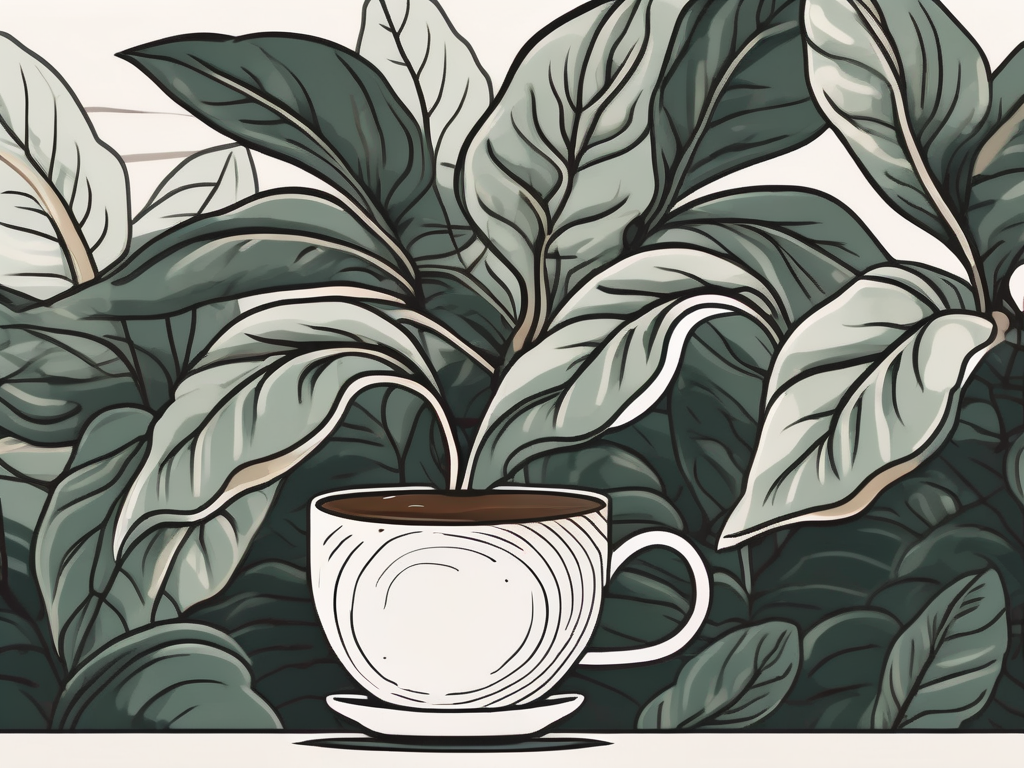
Have you ever noticed your coffee plant's leaves curling? You're not alone. Many plant lovers face this curious issue, and it can be a bit perplexing. Whether you're a seasoned plant parent or just starting your plant journey, understanding why those lovely green leaves aren't quite behaving as they should is key to nurturing a happy, healthy coffee plant.
In this article, we'll explore the common reasons behind the curling of coffee plant leaves. From watering woes to lighting issues, pest invasions to temperature tantrums, we'll cover it all. Plus, I'll share some practical tips and solutions to help you put those curls behind you and get your coffee plant back to its vibrant self.
Watering Woes
Water is crucial for any plant, and coffee plants are no exception. However, these green beauties can be a bit picky about their moisture levels. Overwatering or underwatering can lead to leaf curling, and figuring out the right balance can feel like a bit of a dance.
Too much water can suffocate the roots, which means they can't absorb the nutrients the plant needs. As a result, the leaves might curl as a distress signal. On the flip side, if your plant isn't getting enough water, it will struggle to stay hydrated, and curling can occur as the leaves try to conserve moisture.
- Check the soil moisture: Stick your finger about an inch into the soil. If it feels dry, it's time for a drink.
- Ensure proper drainage: Make sure your pot has drainage holes to prevent water from pooling at the bottom.
- Create a watering schedule: Depending on your environment, watering once a week might be sufficient, but always adjust based on the plant's needs.
By keeping a close eye on your watering habits, you can often solve curling issues quickly. Remember, consistency is key, but flexibility in response to your plant's signs is just as important.
Light Levels
Light is another critical factor for coffee plants. They thrive in bright, indirect light, much like their natural habitat under the canopy of taller trees. If your plant isn't getting the right amount of light, curling leaves might make an appearance.
Too much direct sunlight can scorch the leaves, causing them to curl and turn brown at the edges. On the other hand, insufficient light can lead to weak, leggy growth and curling as the plant struggles to photosynthesize effectively.
- Find a bright spot: Place your coffee plant near a window with filtered light or a few feet back from a bright window.
- Avoid direct sun: If the only option is direct sunlight, consider using a sheer curtain to diffuse the intensity.
- Rotate regularly: Turn your plant every few weeks to ensure even growth and prevent one-sided curling.
Lighting conditions can dramatically alter a plant's health, so a little tweak here and there can make a world of difference in getting those leaves to uncurl and flourish.
Temperature Tantrums
Temperature is another factor that coffee plants are sensitive to. They prefer stable, warm conditions, similar to their native tropical environments. If your home experiences frequent temperature shifts, your plant might react by curling its leaves.
Extremely cold drafts or hot air from heaters can stress the plant, causing the leaves to curl as a defensive measure. Spotting these environmental cues can help you adjust and maintain a comfortable climate for your leafy friend.
- Maintain a consistent temperature: Aim for a room temperature between 65°F and 75°F (18°C to 24°C).
- Avoid drafts: Keep your plant away from doors, windows, or vents that can cause rapid temperature changes.
- Monitor seasonal changes: In winter, move your plant away from cold windows, and in summer, watch for excessive heat.
Keeping your coffee plant in a stable environment helps it thrive, and in turn, you'll notice a significant reduction in leaf curling.
Humidity Levels
Humidity is a big deal for coffee plants since they're used to humid tropical climates. If the air in your home is too dry, you might see curling leaves as your plant tries to conserve moisture.
Thankfully, there are a few simple tricks to boost humidity around your plant, helping it stay healthy and vibrant.
- Mist regularly: Lightly mist your plant with water to increase humidity levels.
- Create a humidity tray: Place a shallow tray filled with water and pebbles under the plant pot. As the water evaporates, it adds moisture to the air.
- Group plants together: Placing plants close to each other can create a microclimate with higher humidity.
By mimicking their natural humid conditions, you can keep your coffee plant happy, reducing the likelihood of those pesky leaf curls.
Pests and Invaders
Sometimes, the culprit behind curling leaves is a bit more sinister: pests. Common invaders like spider mites, aphids, and mealybugs can cause damage that results in curling as the plant tries to protect itself.
These pests suck the sap from the leaves, weakening the plant and disrupting its growth. If you suspect pests, it's crucial to act quickly to prevent further damage.
- Inspect your plant: Regularly check the undersides of leaves and along stems for any signs of pests.
- Use a gentle solution: Mix water with a bit of dish soap and spray the affected areas to deter pests.
- Consider natural predators: Ladybugs can help control pest populations if released in a controlled environment.
By keeping an eye out for unwanted guests, you can protect your plant from harm and keep those leaves uncurled and thriving.
Nutrient Imbalance
Nutrients play a vital role in a plant's overall health, and a lack or excess of certain nutrients can lead to curling leaves. Coffee plants need a balanced diet of macronutrients like nitrogen, phosphorus, and potassium, as well as micronutrients such as magnesium and iron.
If your plant's leaves are curling, it might be time to check its nutrient intake. Yellowing and curling can often indicate a nitrogen deficiency, while dark green but curled leaves could suggest too much nitrogen.
- Use a balanced fertilizer: Opt for a balanced, water-soluble fertilizer every few months during the growing season.
- Test the soil: Soil tests can reveal nutrient deficiencies and help you adjust your fertilization plan.
- Avoid over-fertilizing: Too much fertilizer can cause salt build-up, leading to root burn and leaf curling.
By providing the right nutrients in the right amounts, you'll see a big improvement in your plant's health and the straightening of those curled leaves.
Soil Quality
The soil your coffee plant sits in is its foundation, and poor soil quality can lead to problems like leaf curling. If the soil is too compacted or lacks proper drainage, it can lead to root stress, resulting in curling leaves.
Choosing the right soil mix can make a significant difference in your plant's overall health and well-being.
- Opt for well-draining soil: A mix designed for tropical plants or a blend of potting soil, perlite, and coco coir can work well.
- Repot regularly: Refresh the soil every year or two to prevent compaction and ensure your plant has room to grow.
- Avoid heavy soils: Dense, clay-based soils can hold too much moisture, leading to root rot and curling leaves.
By providing your coffee plant with quality soil, you'll lay the groundwork for healthy growth and a reduction in leaf curling.
Stress and Shock
Just like us, plants can experience stress, and sudden changes in their environment can lead to shock. This can happen when you move your plant to a new location, repot it, or expose it to sudden temperature changes.
Stress and shock can manifest as curling leaves, but with a bit of care, your plant can bounce back.
- Give it time to adjust: After a move or repotting, allow your plant some time to acclimate to its new surroundings.
- Minimize disruptions: Try to keep changes gradual, whether it's moving locations or altering care routines.
- Provide consistent care: Maintain a steady watering and feeding schedule to help your plant feel secure.
By understanding the signs of stress and providing supportive care, you can help your coffee plant recover and thrive once again.
Final Thoughts
Leaf curling in coffee plants can be caused by a multitude of factors, from watering and lighting to pests and nutrients. By understanding these issues and adjusting your care routine, you can help your plant regain its strength and beauty.
At Cafe Planta, we love sharing our passion for plants. Whether you're looking for new additions to your collection or need advice on plant care, we're here to help. Feel free to email us or reach out on Instagram. Let's connect and grow together!