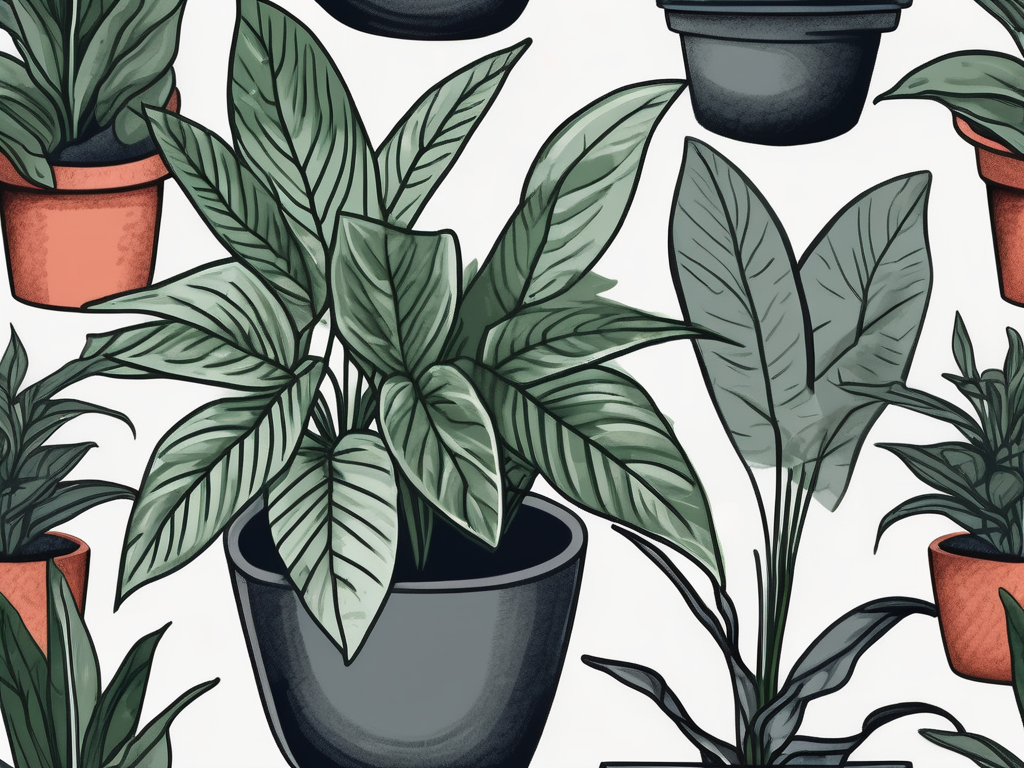
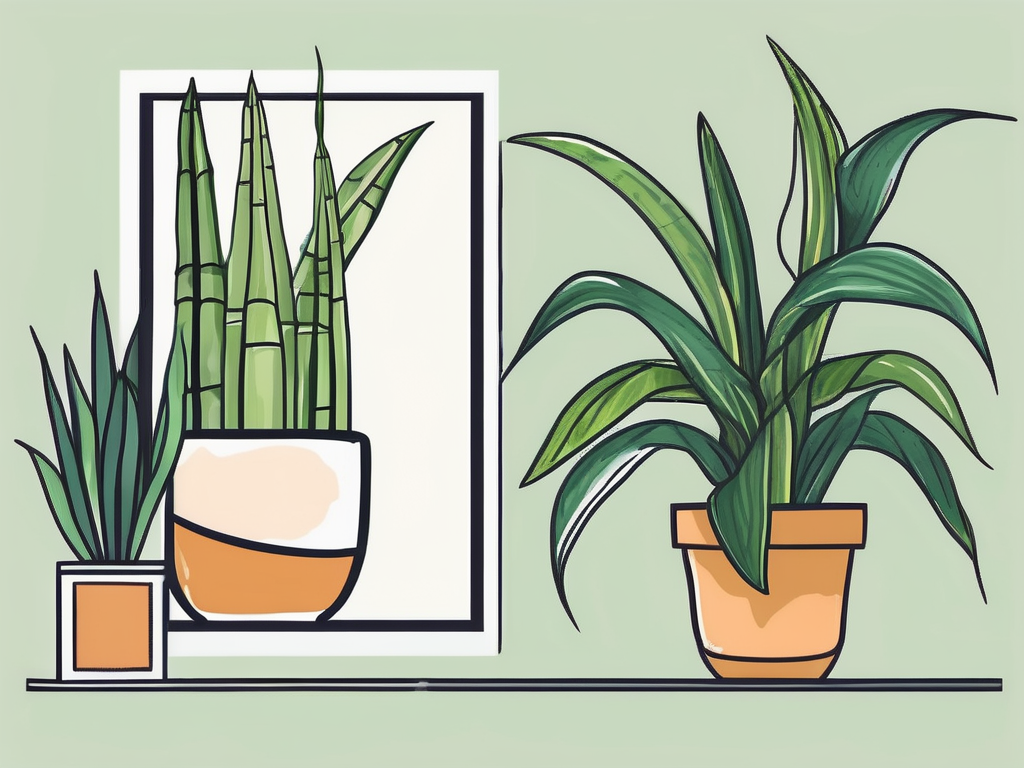
Have you ever glanced over at your corn plant only to notice some of its leaves turning yellow? It’s a sight that can make any plant lover's heart skip a beat, especially if you're not sure what's causing it. Well, you're not alone! Yellowing leaves are a common issue with corn plants, but don't worry—there's usually a way to bring them back to their vibrant green.
This article will explore several reasons why your corn plant might be showing off those yellow leaves. From watering woes to pest problems, we'll cover the most common causes and provide practical tips on how to address each one. By the end, you'll have a better understanding of your plant's needs and how to keep it looking its best.
Understanding Your Corn Plant's Needs
The corn plant, or Dracaena fragrans, is a popular choice for homes and offices due to its hardy nature and attractive appearance. It's a relatively low-maintenance plant, which makes it appealing to both new and seasoned plant parents. However, like all plants, it has specific care requirements that, when not met, can lead to yellowing leaves.
First, it's essential to know that the corn plant prefers indirect light. Too much direct sunlight can scorch its leaves, while too little light can cause them to turn yellow. Additionally, this plant enjoys a warm environment with temperatures between 60-75°F (15-24°C). If your home tends to be on the colder side, consider moving your plant to a warmer spot.
Humidity is another factor to keep in mind. Corn plants thrive in moderate humidity levels, so if your home is particularly dry, especially in winter, you might need to increase humidity around the plant. You can do this by misting the leaves, using a humidifier, or placing a pebble tray with water under the plant's pot.
Watering: Finding the Right Balance
Watering issues are one of the most common causes of yellow leaves in corn plants. Both overwatering and underwatering can stress the plant, leading to those telltale yellowing leaves. So, how do you strike the right balance?
Start by checking the soil. Corn plants prefer to dry out a bit between waterings. Stick your finger about an inch into the soil—if it feels dry, it's time to water. If it's still moist, hold off for a few more days. When you do water, make sure to do so thoroughly until water drains out of the bottom of the pot.
Avoid letting the plant sit in standing water, as this can lead to root rot, a severe condition that can cause yellow leaves and potentially kill the plant. On the flip side, if you're consistently underwatering, the plant may not be getting enough moisture to sustain its leaves, leading to yellowing and browning.
Soil and Potting Concerns
The type of soil your corn plant is in can also impact its health. Corn plants prefer a well-draining potting mix. A standard houseplant mix often works well, but you can also add perlite or sand to improve drainage. Poor drainage can lead to excess moisture retention, which, as we mentioned, can cause root rot.
If you've ruled out watering issues and your plant is still struggling, it may be time to consider repotting. Over time, soil can become compacted, reducing its ability to drain properly and aerate the roots. Repotting every couple of years, or when you notice the plant becoming root-bound, can help keep the soil fresh and your plant healthy.
When repotting, choose a pot that's only slightly larger than the current one. A pot that's too large can hold excess moisture, leading to the same problems you're trying to solve. Ensure the new pot has adequate drainage holes to allow water to escape.
Light Levels: Striking the Perfect Balance
As mentioned earlier, light plays a crucial role in your corn plant's health. Although they can tolerate low light, optimal growth occurs with bright, indirect light. Direct sunlight can be too intense, causing leaf burn and yellowing.
If your plant is in a dim corner, consider moving it to a brighter location. However, avoid placing it right next to a window with direct sunlight. Instead, aim for a location where the plant receives filtered light, such as near a window with sheer curtains or a few feet away from the light source.
In some cases, artificial lighting can help supplement natural light, especially if you live in an area with limited sunlight during certain seasons. Full-spectrum grow lights are an excellent option for providing the light your plant needs to thrive.
Pest Problems: Unwanted Houseguests
Pesky pests can also be a culprit behind yellowing leaves. Common pests that affect corn plants include spider mites, mealybugs, and scale insects. These pests feed on the plant's sap, which can weaken it and cause the leaves to turn yellow.
If you suspect pests, examine your plant closely. Look under the leaves and along the stems for any tiny bugs or webbing. If you find any, don't panic! There are several ways to tackle them:
- Wash the plant with a gentle stream of water to knock off any visible pests.
- Use insecticidal soap or neem oil, which are effective against many common pests.
- For persistent infestations, you may need to use a systemic insecticide as a last resort.
Regularly inspecting your plants and keeping them clean can help prevent pest problems from taking hold in the first place.
Disease and Fungal Issues
While less common than watering or light issues, diseases can also lead to yellowing leaves. Fungal infections, in particular, can be problematic for corn plants. These often occur when the plant is too wet, either from overwatering or high humidity without proper air circulation.
Signs of a fungal infection might include spots on the leaves, mold on the soil surface, or a musty smell. If you suspect a fungal issue, take action quickly:
- Remove any affected leaves to prevent the spread of the disease.
- Ensure your plant is in a well-ventilated area to improve air circulation.
- Consider using a fungicide if the problem persists, following the product's instructions carefully.
Preventing fungal issues often comes down to proper watering and ensuring your plant has enough airflow—simple steps that make a big difference.
Nutrient Deficiencies: Feeding Your Plant
Though corn plants are not particularly heavy feeders, they still require some nutrients to maintain their vibrant green color. A lack of essential nutrients, such as nitrogen, can lead to yellowing leaves.
If you suspect a nutrient deficiency, consider using a balanced houseplant fertilizer during the growing season (spring and summer). However, be cautious not to over-fertilize, as too much can also harm the plant. Generally, fertilizing once a month during active growth is sufficient.
It's always a good idea to follow the instructions on your fertilizer to avoid any mishaps. If you're unsure, err on the side of under-fertilizing, as you can always add more if needed.
Adjusting to New Environments
Sometimes, the yellowing of leaves can be attributed to changes in the plant's environment. Corn plants can be sensitive to sudden changes—whether it's a move to a new location, a shift in temperature, or alterations in their light exposure.
If you've recently moved your plant and it's showing signs of stress, give it some time to adjust. Gradual changes are less likely to shock the plant. For instance, if you're moving it to a brighter spot, do so gradually over a few days to allow the plant to acclimate.
Similarly, if the plant is near a drafty window or heating vent, it might be experiencing temperature fluctuations that stress it out. Try to find a stable environment where temperatures and light levels remain consistent.
Natural Aging of Leaves
Finally, it's important to remember that leaf yellowing can sometimes be a natural part of the plant's life cycle. As corn plants grow, older leaves at the bottom will naturally turn yellow and die off, making room for new growth.
If the yellowing is limited to the lower leaves and the rest of the plant appears healthy and growing, there's likely no cause for concern. Simply prune away the old leaves to keep the plant looking tidy and to encourage new growth.
Regularly trimming away dead leaves not only improves the appearance of your plant but also helps prevent potential pest and disease issues by removing decaying plant material.
Final Thoughts
In summary, yellow leaves on your corn plant can be caused by a variety of factors, including watering issues, light levels, pests, diseases, and more. By identifying the root cause, you can take steps to bring your plant back to health.
At Cafe Planta, we believe in the power of plants to transform spaces and bring joy. If you're curious about caring for your plants or need advice, we'd love to hear from you. Feel free to email us or send a message on Instagram. Whether you're just starting out or have a thriving plant collection, we're here to help you succeed in your plant journey.