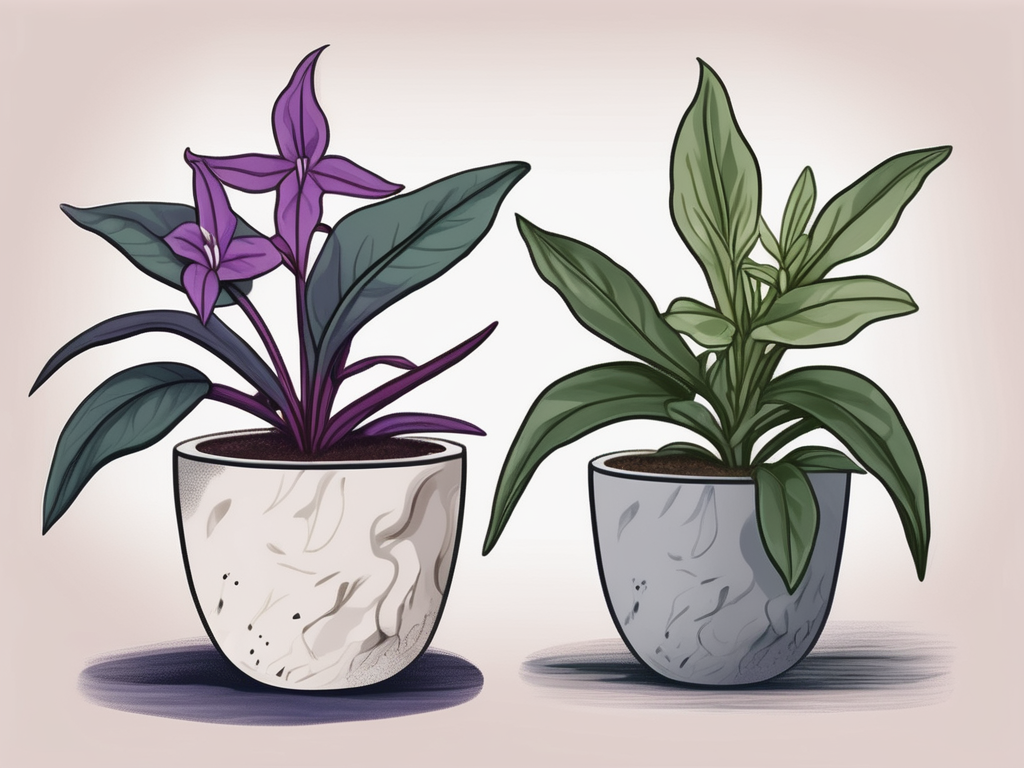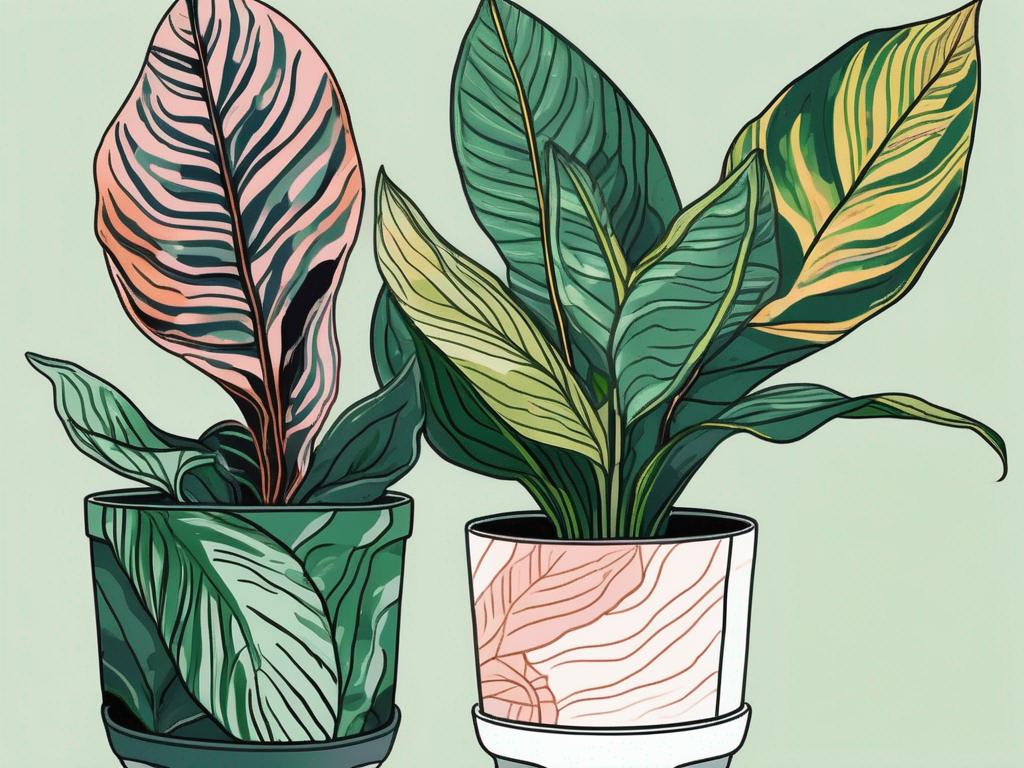
Picture this: you’ve just brought home a vibrant croton, its leaves a riot of color that brightens your living space. But within a few weeks, you notice the leaves curling at the edges. What gives? Croton plants are known for their striking foliage, and when those leaves start to curl, it can be a bit of a mystery.
In this article, we'll chat about why croton leaves might curl, covering everything from watering mishaps to pest invasions. Whether you’re a seasoned plant parent or just starting out, we’ll explore practical solutions to keep your croton looking its best. So, let’s get into it and help you become the croton whisperer you were meant to be!
Understanding Croton Leaf Curling
Croton plants, or Codiaeum variegatum, are beloved for their bold, colorful leaves. However, when those leaves start to curl, it can signal that something's not quite right. Before we jump into solutions, it’s helpful to understand what curling leaves can mean.
Curling leaves are usually a plant's way of signaling stress. It could be due to environmental factors, pests, or even something as simple as needing a change in care routine. Often, the solution is straightforward once you identify the root cause. In the following sections, we’ll break down the most common reasons for this issue and how to address them.
Watering Woes
Watering is often the first culprit to consider when your croton's leaves start to curl. Both overwatering and underwatering can cause similar symptoms, so it’s crucial to find the right balance.
Overwatering
Overwatering can lead to root rot, which in turn affects nutrient uptake and causes leaf curling. If you suspect you’ve been too generous with water, here’s what you can do:
- Check the soil moisture level by sticking your finger about an inch deep into the soil. If it feels soggy, hold off on watering.
- Ensure your pot has drainage holes to prevent water from pooling at the bottom.
- Consider repotting the plant in fresh, well-draining soil to give the roots a healthier environment.
Underwatering
Conversely, if your croton has been left high and dry, it might be curling its leaves in protest. Here are some tips to hydrate your plant:
- Water your croton when the top inch of soil feels dry to the touch.
- Use room temperature water to avoid shocking the roots.
- Consider misting the leaves occasionally to increase humidity, especially during dry seasons.
Temperature Troubles
Crotons are tropical plants, and they adore warm, stable temperatures. Sudden changes can cause their leaves to curl as a stress response.
Keep your croton in a spot where the temperature stays between 60°F and 85°F (15°C and 29°C). Avoid placing it near drafts, air conditioning vents, or heaters, as these can create fluctuating conditions. If you notice temperature-induced curling, try moving the plant to a more consistent environment.
Humidity Hiccups
Humidity is another critical factor for crotons. These plants naturally thrive in humid conditions, so dry air can make their leaves curl.
To boost humidity, you can:
- Group your croton with other plants to create a microclimate of humidity.
- Use a pebble tray with water underneath the pot. As the water evaporates, it increases the humidity around the plant.
- Invest in a small humidifier if you live in a particularly dry area.
Remember, while misting can help, it’s not a long-term solution for significantly increasing humidity.
Pests: Unwanted Visitors
Sometimes, uninvited guests like pests can cause croton leaves to curl. Aphids, spider mites, and thrips are common offenders that suck the sap from the leaves, leaving them curled and damaged in the process.
To tackle pest problems:
- Inspect your plant regularly for signs of pests. Look for tiny insects, webbing, or sticky residue on the leaves.
- Use a gentle insecticidal soap or neem oil to treat infested plants.
- Isolate affected plants to prevent the pests from spreading to other houseplants.
Keeping your croton clean by wiping the leaves with a damp cloth can also help deter pests.
Nutrient Imbalance
A lack of essential nutrients can make croton leaves curl and turn yellow. These plants need a balanced fertilizer to keep their vibrant colors and health intact.
Consider these tips for proper fertilization:
- Use a balanced, water-soluble fertilizer during the growing season (spring and summer).
- Avoid over-fertilizing, as this can lead to salt buildup in the soil, which also affects plant health.
- Always follow the instructions on the fertilizer packaging to prevent nutrient overdose.
Regular feeding will ensure that your croton gets all the nutrients it needs to stay healthy and vibrant.
Light Levels
Crotons crave bright, indirect light, and insufficient light can lead to curling leaves as the plant struggles to photosynthesize effectively. On the flip side, too much direct sunlight can scorch the leaves, causing them to curl and brown.
Here’s how to find the right light balance:
- Place your croton in a spot where it gets plenty of bright, indirect light, such as near an east or west-facing window.
- If your home lacks natural light, consider using grow lights to supplement.
- Rotate your plant regularly to ensure all sides receive adequate light exposure.
Observing your croton’s response to light changes can help you adjust its placement accordingly.
Soil Quality
The soil your croton lives in plays a crucial role in its health. Poorly draining soil can lead to water retention issues, while nutrient-deficient soil can starve your plant.
Here are some soil tips:
- Use a well-draining potting mix, ideally one formulated for tropical plants.
- You can mix in perlite or sand to improve drainage if necessary.
- Repot your croton every couple of years or when it becomes root-bound, refreshing the soil to provide new nutrients.
Healthy soil means a happy croton, so it’s worth investing in the right mix.
Transplant Shock
Sometimes, the act of repotting or moving your croton to a new location can cause stress, leading to curling leaves. This is known as transplant shock, and while it’s temporary, it can be alarming.
To minimize transplant shock:
- Handle the roots carefully during repotting, avoiding damage.
- Water the plant thoroughly after repotting to help settle the soil and reduce stress.
- Keep the plant in a stable environment post-transplant, avoiding drastic changes in light or temperature.
With a little patience, your croton should adjust and return to its vibrant self.
Final Thoughts
Croton leaf curling can seem mysterious, but it’s often just a sign that your plant needs a little extra TLC. By understanding the potential causes and making some adjustments, you can keep your croton looking fabulous and healthy.
At Cafe Planta, we’re here to support your plant journey. Whether you’re shopping for new additions or need advice, don’t hesitate to reach out. You can connect with us by email or through our Instagram. We believe plants bring joy and connection, and we’re excited to help you create your own green oasis.