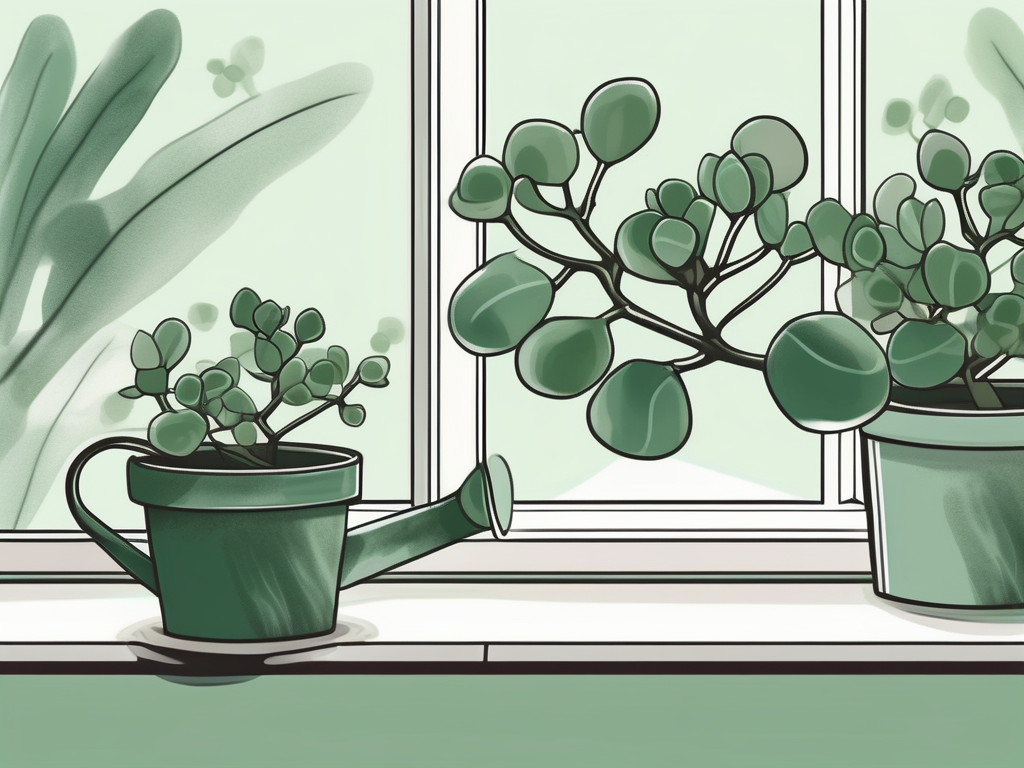
Jade plants, with their thick, glossy leaves and sturdy stems, are often a beloved choice for houseplant enthusiasts. They are low-maintenance and can thrive in a variety of indoor environments. However, even the hardiest plants can exhibit signs of distress. One common issue that jade plant owners encounter is curling leaves. If you’re noticing your jade plant’s leaves curling, you might be wondering what’s going on.
This article will guide you through the potential causes of leaf curling in jade plants and offer practical solutions to help them recover. From watering habits to pest control, we'll cover a range of topics to ensure your plant bounces back to its former glory.
Understanding Watering Needs
Watering is both the most basic and one of the most critical aspects of plant care. Overwatering is a frequent culprit behind jade plant leaf curling. These plants store water in their leaves, which means they don’t require frequent watering. When the roots sit in constantly wet soil, they can become waterlogged, leading to root rot.
On the flip side, underwatering can also cause issues. If the soil is too dry, the plant may not be able to absorb enough moisture, leading to dehydration and curling leaves. So how do you find the right balance?
- Check the soil: Before reaching for the watering can, check the soil moisture level. Stick your finger about an inch into the soil. If it feels dry, it’s time to water.
- Adjust your schedule: During warmer months, jade plants may require more frequent watering. In cooler months, they need less.
- Use the right pot: Ensure your pot has drainage holes to prevent water from accumulating at the bottom.
By paying attention to these details, you can help prevent leaf curling due to improper watering.
Light Conditions Matter
Jade plants generally thrive in bright, indirect sunlight. However, their light needs can sometimes be misunderstood, leading to issues like leaf curling. Too much direct sunlight can scorch the leaves, causing them to curl and turn brown at the edges.
On the contrary, inadequate light can make your jade plant weak and leggy. This can result in elongated, curling leaves as the plant stretches towards the light source.
- Ideal location: Place your jade plant near a south or west-facing window, where it can enjoy plenty of indirect sunlight.
- Rotate regularly: To ensure even growth, rotate the plant every few weeks.
- Observe and adjust: If you notice any signs of leaf scorch or stretching, adjust the plant’s position accordingly.
Finding the right lighting conditions will help your jade plant grow strong and healthy, reducing the chance of leaf curling.
Temperature and Humidity
Jade plants are native to arid regions, so they prefer conditions that mimic their natural habitat. This means they thrive in warmer temperatures and low humidity. If your home is too cold or humid, it might affect the health of your jade plant, leading to curled leaves.
Jade plants prefer temperatures between 65°F and 75°F (18°C to 24°C) during the day and slightly cooler at night. They can tolerate a drop to about 50°F (10°C) but anything lower can stress the plant.
- Avoid drafts: Keep your jade plant away from drafty windows and doors, which can cause temperature fluctuations.
- Humidity control: If you live in a particularly humid area, consider using a dehumidifier.
- Winter care: During colder months, ensure your jade plant isn’t exposed to chilly conditions.
By maintaining an optimal temperature and humidity level, you can help prevent your jade plant’s leaves from curling.
Soil Quality and Composition
Soil plays a crucial role in the health of your jade plant. Poor soil conditions can lead to various issues, including leaf curling. Jade plants require well-draining soil to prevent waterlogging and root rot.
If your plant is in heavy, compact soil, it might not be getting the aeration it needs, leading to stress and curling leaves. A cactus or succulent mix is ideal for jade plants, as it provides the right balance of drainage and nutrients.
- Repotting tips: If you suspect soil issues, consider repotting your jade plant in a fresh cactus or succulent mix.
- Check drainage: Ensure your pot has proper drainage to prevent water from pooling at the bottom.
- Soil additives: You can mix in perlite or sand to improve drainage if needed.
By ensuring your jade plant is in the right soil, you can help it absorb nutrients more effectively and prevent leaf curling.
Fertilization Practices
Fertilizing your jade plant can promote healthy growth, but it’s important to do it correctly. Over-fertilization can lead to salt build-up in the soil, which can cause the leaves to curl and show signs of burn.
On the other hand, a lack of nutrients can lead to weak growth and curling leaves as the plant struggles to sustain itself.
- Use the right fertilizer: A balanced, water-soluble fertilizer diluted to half strength is ideal for jade plants.
- Fertilize sparingly: During the growing season (spring and summer), fertilize once every 4-6 weeks. Avoid fertilizing in the dormant months (fall and winter).
- Flush the soil: Occasionally, flush the soil with water to remove any salt build-up.
By fertilizing correctly, you can provide your jade plant with the nutrients it needs without risking leaf curling due to nutrient imbalance.
Pests and Diseases
Pests and diseases can also be a reason behind your jade plant’s curling leaves. Common pests that affect jade plants include mealybugs, spider mites, and aphids. These critters can drain the plant’s sap, leading to curled and distorted leaves.
Diseases, particularly fungal infections, can also cause similar symptoms. It's important to regularly inspect your plant for any signs of pest infestations or disease.
- Inspect regularly: Check the undersides of leaves and along the stems for any signs of pests or disease.
- Natural remedies: Use neem oil or insecticidal soap to treat pest infestations.
- Isolation: If you detect a problem, isolate the affected plant to prevent spreading to others.
By keeping an eye out for pests and diseases, you can take proactive steps to protect your jade plant from curling leaves.
Stress from Repotting
Repotting can sometimes stress a jade plant, especially if it’s done improperly. This stress can manifest as leaf curling, drooping, or even leaf drop. It's crucial to repot only when necessary, typically every two to three years, or if the plant has outgrown its current pot.
During repotting, roots can be damaged if handled too roughly. Additionally, if the plant is moved to a pot that is too large, it might retain excess moisture, leading to root problems.
- Repot gently: Handle the plant with care when transferring it to a new pot.
- Choose the right pot size: A pot only slightly larger than the current one is ideal.
- Post-repotting care: Give the plant some time to adjust to its new environment and avoid watering immediately after repotting.
Understanding the stress factors involved in repotting can help prevent leaf curling and support your jade plant’s recovery.
Age and Natural Leaf Shedding
Sometimes, leaf curling can be a natural part of the jade plant’s life cycle. As the plant grows, older leaves at the bottom may curl, yellow, and eventually fall off. This is a normal process and doesn’t necessarily indicate a problem.
However, if you notice excessive leaf curling and dropping, it’s worth investigating other factors that might be stressing the plant.
- Observe patterns: If only the oldest leaves are affected, it may simply be natural shedding.
- Regular pruning: Trim off any dead or yellowing leaves to maintain the plant's appearance.
- General health check: Ensure the plant is not experiencing additional stress from other care factors.
Recognizing the natural aging process of your jade plant can help you distinguish between normal leaf shedding and potential issues.
Final Thoughts
Jade plant leaf curling can stem from various factors, including watering, light, temperature, soil, fertilization, pests, and natural aging. By understanding and addressing these aspects, you can help your plant recover and thrive.
At Cafe Planta, we’re passionate about helping plant lovers care for their green friends. If you have questions or need advice, feel free to email us or reach out on Instagram. We believe plants connect us to nature and each other, and we’re here to support your plant journey.