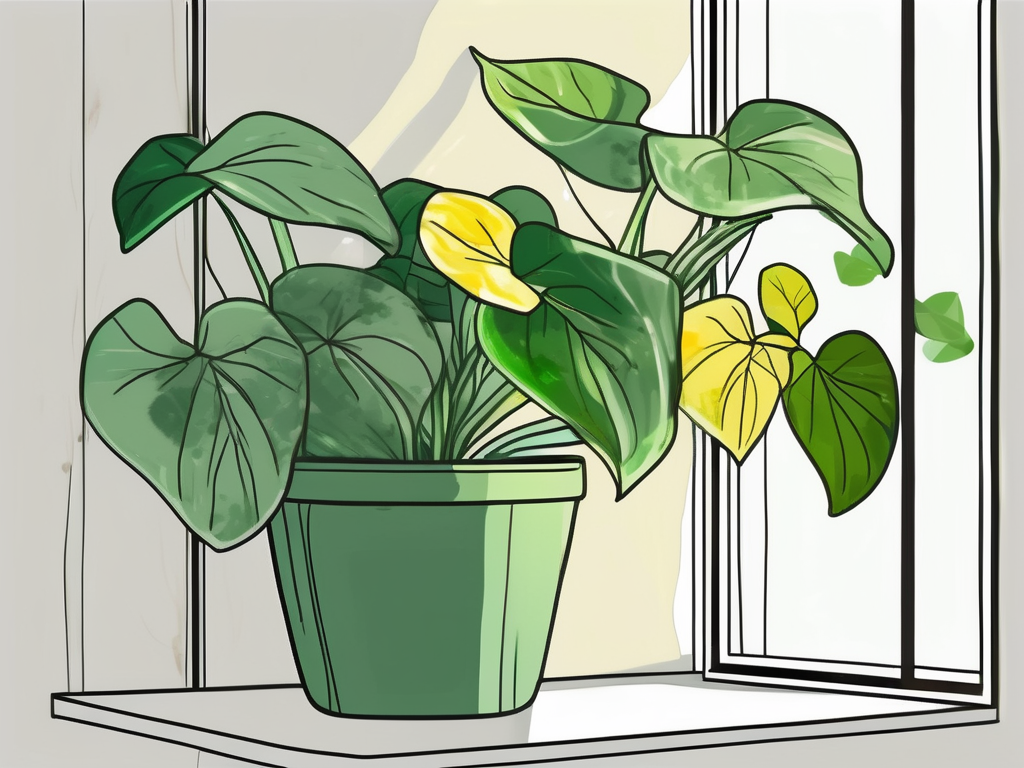
You've probably noticed that your Jade Pothos, with its lush green leaves, suddenly has a few yellowing ones. It's a bit like seeing a worn-out sock in an otherwise pristine drawer, right? You might wonder what’s going on and if your plant is in trouble. Well, you're in the right place to find out.
In this article, we’ll explore why Jade Pothos leaves turn yellow and what you can do about it. We'll cover everything from watering habits to pesky pests, and even dive into a bit of soil science. So, let’s get to the bottom of this yellowing mystery and get your plant back to its vibrant self.
Understanding Natural Leaf Aging
To start on a positive note, yellowing leaves aren't always a bad thing. Just like us, plants age too. Older leaves on a Jade Pothos will naturally turn yellow before they fall off, making way for fresh, new growth. This is completely normal and nothing to worry about.
If you notice that the yellowing is limited to the bottom leaves, and the plant overall looks healthy, it's likely just a natural process. You can gently remove these yellow leaves to keep your plant looking tidy. However, if the yellowing is more widespread, it might be time to investigate further.
Think of it like your favorite pair of jeans eventually wearing out. It's just a part of life, but if every piece of clothing in your wardrobe starts to fade, then you might have a problem. Similarly, if most of your Jade Pothos leaves are turning yellow, there might be another issue at play.
Watering Woes: Overdoing or Underdoing
One of the most common reasons for yellowing leaves is improper watering. This can either be too much or too little. Both extremes can stress your plant and lead to yellow leaves.
Overwatering
Overwatering is like giving someone an endless supply of cookies. Initially delightful, but eventually overwhelming. Your Jade Pothos can suffer from root rot if it’s constantly sitting in soggy soil. The roots need to breathe, and too much water drowns them.
- Check the soil moisture by sticking your finger about an inch into the soil. If it feels wet, hold off on watering.
- Ensure your pot has proper drainage holes. Excess water should have a way to escape.
- Consider a lighter potting mix that allows for better drainage if you notice your soil staying wet for too long.
Underwatering
On the flip side, underwatering is like forgetting to water your favorite plant entirely. Dry soil can cause stress, leading to yellowing leaves.
- Allow the top inch of soil to dry out before watering again, then give it a thorough soak.
- Keep an eye on the weather and adjust your watering schedule during hotter months.
Finding the right balance is key. Your Jade Pothos prefers a happy medium, where the soil is kept consistently moist but not waterlogged.
Lighting: Too Much or Too Little?
Lighting is another crucial factor for your plant's health. Jade Pothos thrives in bright, indirect light, but can also tolerate low light conditions. However, both extremes can cause yellowing leaves.
Too Much Light
Direct sunlight can scorch the leaves, causing them to turn yellow and crispy. If your plant is sitting right next to a south-facing window, it might be getting too much sun.
- Move your plant a bit further from the window or use a sheer curtain to diffuse the light.
- Check for other signs of sunburn, like brown spots on the leaves.
Too Little Light
Conversely, too little light can cause the leaves to yellow due to a lack of energy production. If your Jade Pothos sits in a dim corner, it might be time to give it a bit more sunlight.
- Consider moving it closer to a window with indirect sunlight.
- If natural light is limited, think about using a grow light to supplement.
Think of it as finding the Goldilocks zone for your plant's lighting needs—not too hot, not too cold, but just right.
Nutrient Deficiencies
Your Jade Pothos may also be trying to tell you it's hungry. Nutrient deficiencies can lead to yellowing leaves, typically starting with the older ones.
Common Nutrient Deficiencies
- Nitrogen: A lack of nitrogen can lead to yellowing starting from the older leaves, as the plant reallocates nutrients to newer growth.
- Iron: Iron deficiency usually shows up as yellowing between the veins of new leaves, leaving the veins green.
Feeding your plant with a balanced, water-soluble fertilizer every few months can help keep it healthy. Be cautious not to over-fertilize, as this can cause a whole new set of issues!
Pests: Unwanted Guests
Sometimes, the cause of yellowing leaves can be due to tiny invaders. Pests like spider mites, mealybugs, and aphids can stress out your Jade Pothos, leading to yellowing leaves.
Identifying and Treating Pests
- Inspect your plant closely. Look for small webs, sticky residue, or tiny moving dots on the leaves.
- Use a gentle insecticidal soap or neem oil to treat infested plants.
- Quarantine affected plants to prevent pests from spreading to other housemates.
Regularly checking your plants can help catch pest problems early. Think of it like a quick health check-up for your leafy friends.
Temperature and Humidity
Jade Pothos is relatively forgiving when it comes to temperature and humidity, but extreme changes can lead to stress and yellowing leaves.
Temperature
These plants prefer temperatures between 65°F to 85°F (18°C to 29°C). Avoid placing your plant near drafty windows or heaters where temperatures can fluctuate wildly.
Humidity
While Jade Pothos can tolerate low humidity, they will thrive in more humid environments. If the air in your home is particularly dry, especially during winter, consider increasing the humidity around your plant.
- Use a humidifier to maintain a consistent level of humidity.
- Group your plants together to create a more humid microclimate.
- Mist your plants occasionally, but be careful not to overdo it, as this can lead to other issues like fungal growth.
Think of it like the perfect room temperature and air quality for you—your plant will appreciate it too!
Soil and Potting Concerns
The soil your Jade Pothos is planted in can greatly affect its health. Poor soil conditions can lead to yellowing leaves.
Soil Quality
Jade Pothos prefers well-draining soil. If the soil is too compacted or heavy, it can retain too much water and suffocate the roots.
- Consider repotting your plant in a potting mix designed for houseplants, which typically includes peat moss, perlite, and vermiculite.
- Check for signs of root rot when repotting, such as black, mushy roots, and trim them if necessary.
Pot Size
A pot that's too small can restrict root growth and lead to stress. Conversely, a pot that's too large can hold excess moisture. Ensure your plant's pot is the right size, with adequate drainage holes.
Consider it like the perfect pair of shoes—just the right size makes all the difference!
Transplant Shock
If you've recently repotted your Jade Pothos and noticed some yellowing leaves, it might be experiencing transplant shock. This is a temporary state of stress as the plant adjusts to its new environment.
Give your plant a little time to settle in. Ensure it's in a stable environment with consistent watering and light. In most cases, it will bounce back once it's had a chance to adjust.
Think of it like moving to a new home—it might take some time to get comfortable, but soon enough, it’ll feel just right.
Final Thoughts
To sum up, yellowing leaves on your Jade Pothos can result from a variety of factors, including natural aging, watering issues, lighting conditions, nutrient deficiencies, pests, or environmental stress. By carefully assessing these elements and making necessary adjustments, you can help your plant return to its vibrant best.
At Cafe Planta, we’re passionate about helping you nurture your plants. Our plant shop offers a wide variety of houseplants, plant care accessories, and even plant-themed apparel for plant lovers. If you have any questions or need further assistance, feel free to email us, or reach out on Instagram. We’re here to support you on your plant journey and look forward to helping you create a thriving plant collection in your home.