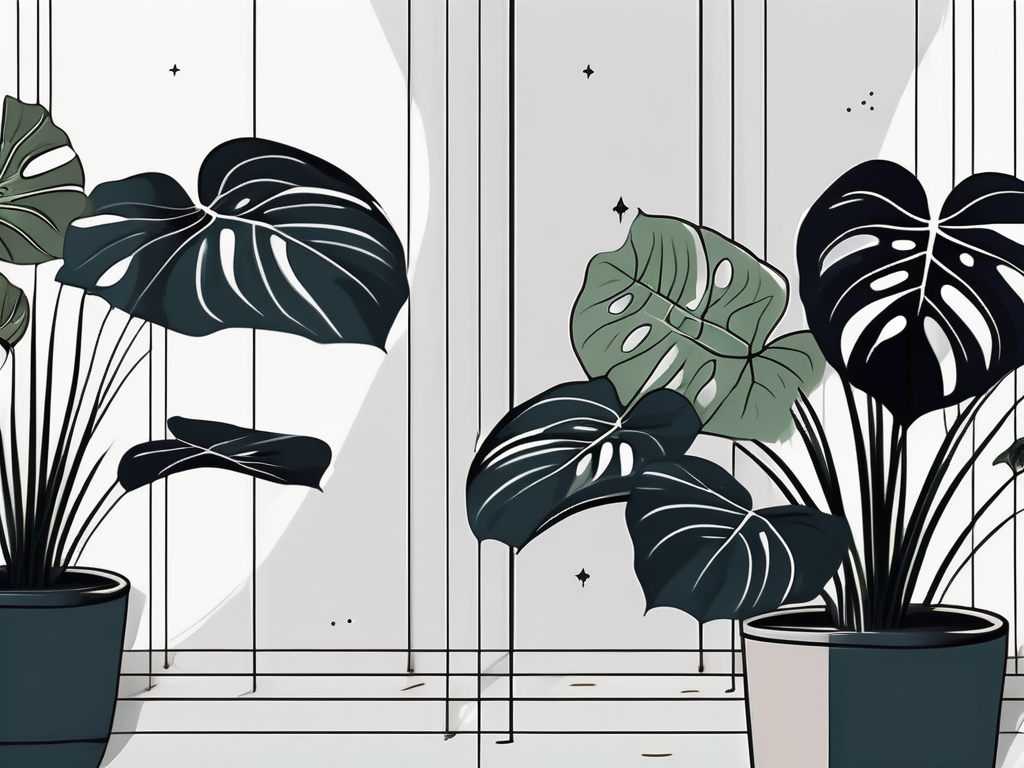
If you've noticed your Monstera Thai Constellation sporting leaves that are curling up or around the edges, you're not alone. This stunning plant, with its unique variegated leaves, can sometimes throw a bit of a tantrum, leaving plant parents puzzled and worried.
In this post, we'll explore the various reasons your Monstera Thai Constellation might be curling its leaves. From watering woes to humidity hiccups, we'll cover it all, offering tips and tricks to get those leaves back to their beautiful, flat selves. Let's dive into the world of Monstera care and demystify the curling leaf conundrum.
Improper Watering Practices
One of the most common reasons for leaf curling in Monstera Thai Constellation is improper watering. While these beauties aren't too demanding, they do have a Goldilocks zone when it comes to moisture—neither too wet nor too dry.
Overwatering: This is often the first culprit. If the soil is consistently soggy, the roots can become waterlogged and start to rot. Rotting roots can't deliver the necessary nutrients and water to the leaves, causing them to curl up in distress. To prevent overwatering, ensure the pot has good drainage, and only water when the top inch of soil feels dry to the touch.
Underwatering: On the flip side, if you're too stingy with water, the plant might also react. A thirsty Monstera will curl its leaves to conserve moisture. If you notice the soil pulling away from the sides of the pot and the leaves curling, it's time to give your plant a drink.
To strike the right balance, consider setting a reminder to check the soil weekly. Remember, factors like temperature and humidity can affect how quickly the soil dries out, so adjust your watering schedule accordingly.
Humidity Levels
Monstera Thai Constellation hails from the tropical rainforests, where humidity is naturally high. In most homes, especially during the dry winter months, the air can be much drier, leading to curled leaves as the plant tries to retain moisture.
To keep your Monstera happy, aim for humidity levels around 60%. There are a few ways to boost humidity:
- Use a Humidifier: This is the most effective method, especially if you have multiple tropical plants.
- Misting: Give your plant a gentle misting every few days. Just be cautious to avoid doing this late in the day, as wet leaves overnight can invite fungal issues.
- Group Plants Together: Plants naturally release moisture into the air, so clustering them can create a mini humid environment.
- Pebble Tray: Place your pot on a tray filled with water and pebbles. As the water evaporates, it increases the humidity around the plant.
By creating a more humid environment, you can help your Monstera Thai Constellation thrive and reduce the likelihood of leaf curling.
Temperature Fluctuations
Just like us, plants are sensitive to temperature changes. Sudden drops or spikes in temperature can stress your Monstera, leading to curled leaves. Ideally, they prefer temperatures between 65°F and 80°F (18°C-27°C).
Here are a few tips to maintain a stable temperature:
- Avoid Drafts: Keep your plant away from doors, windows, and air vents where drafts are common.
- Monitor Heater/Air Conditioner Use: These can dry out the air and create hot or cold spots in your home.
- Use a Thermometer: A simple indoor thermometer can help you keep track of any fluctuations.
By keeping your Monstera in a consistent environment, you help it focus on growing beautiful, flat leaves instead of dealing with temperature stress.
Light Conditions
Light is essential for plants, but too much or too little can cause problems. For Monstera Thai Constellation, bright, indirect light is perfect. Direct sunlight can scorch the leaves, leading to curling as they try to protect themselves.
If your plant is in a spot with harsh afternoon sun, consider moving it to a place where it receives more filtered light. On the other hand, if it's in a dim corner, you might notice the leaves curling as the plant stretches towards the light source.
For those lacking natural light, grow lights can be a lifesaver. They allow you to provide the right intensity and duration of light, ensuring your Monstera gets what it needs to flourish.
Nutrient Deficiencies
Like all living things, plants need a balanced diet to thrive. A lack of essential nutrients can cause leaf curling in your Monstera Thai Constellation. The most common deficiencies include nitrogen, potassium, and magnesium.
Here's how to address nutrient deficiencies:
- Nitrogen Deficiency: If your plant's older leaves are yellowing and curling, it might need more nitrogen. Use a balanced liquid fertilizer every few weeks during the growing season.
- Potassium Deficiency: Look for curling and browning at the leaf edges. A complete fertilizer or one specifically for houseplants can help here.
- Magnesium Deficiency: Yellowing between the veins of older leaves might indicate a lack of magnesium. Epsom salts dissolved in water can be a quick fix.
Always follow the instructions on your fertilizer and avoid over-fertilizing, as this can lead to other issues like root burn.
Root Health
The roots are the anchor and lifeline of your Monstera Thai Constellation. If they're unhappy, the whole plant suffers. Root problems often manifest as leaf curling.
Root Rot: Overwatering and poor drainage can lead to root rot, a serious condition where the roots turn mushy and brown. If you suspect root rot, gently remove the plant from its pot and inspect the roots. Trim away any damaged sections and repot in fresh soil.
Root Bound: If your Monstera has been in the same pot for too long, it might become root-bound, where the roots circle the pot tightly. This can restrict growth and lead to curling leaves. Repotting into a larger pot can give the roots room to spread out and promote healthy growth.
Regularly checking the root health of your Monstera can prevent these issues and keep your plant looking its best.
Pest Problems
Pesky pests can also lead to leaf curling in Monstera Thai Constellation. Common culprits include spider mites, aphids, and thrips, all of which can sap the plant's vitality.
If you notice tiny webs, sticky residue, or small bugs, it might be time to take action:
- Inspect Regularly: Regularly check your plant for signs of pests, especially under the leaves and around the stems.
- Natural Remedies: A solution of neem oil or insecticidal soap can be effective against many common pests. Always test on a small leaf section first to ensure no adverse reactions.
- Increase Air Circulation: Good airflow can help deter pests and prevent them from settling in.
By staying vigilant and addressing pest problems promptly, you can prevent them from causing lasting damage.
Soil Quality
The soil your Monstera Thai Constellation is planted in plays a critical role in its overall health. Poor soil quality can lead to water retention issues, nutrient deficiencies, and ultimately, leaf curling.
Here's what to consider for optimal soil quality:
- Well-Draining Soil: A mix that includes perlite, orchid bark, and peat moss can provide the right balance of drainage and moisture retention.
- pH Level: Monstera prefers slightly acidic to neutral soil, around 5.5 to 7. If you're unsure, pH test kits are readily available and easy to use.
- Repotting Schedule: Repotting every 1-2 years ensures fresh soil and ample nutrients, helping prevent issues like root binding.
A little attention to the soil can make a big difference in the health and appearance of your Monstera.
Stress from Relocation
Have you recently moved your Monstera Thai Constellation to a new spot or home? Relocation can be stressful for plants, leading to temporary leaf curling as they adjust to their new environment.
Here’s how you can help your plant acclimate:
- Gradual Adjustment: If possible, move your plant gradually to its new location, allowing it to get used to changes in light and temperature.
- Minimize Changes: Try to keep other factors, like watering and humidity, consistent during the transition.
- Be Patient: It might take a few weeks for your Monstera to adjust fully and for the leaves to uncurl.
With a little patience and care, your plant will settle in and start thriving again.
Final Thoughts
It's clear that there are many reasons why your Monstera Thai Constellation's leaves might be curling, from watering issues to pest problems. By understanding these factors and making a few adjustments, such as improving humidity or checking for pests, you can help your plant return to its natural beauty.
At Cafe Planta, we're passionate about helping you care for your plants. Whether you're looking for advice or seeking to expand your collection, we're here to assist. Feel free to reach out via email or on Instagram. We're excited to share our love for plants with you and support your plant journey!