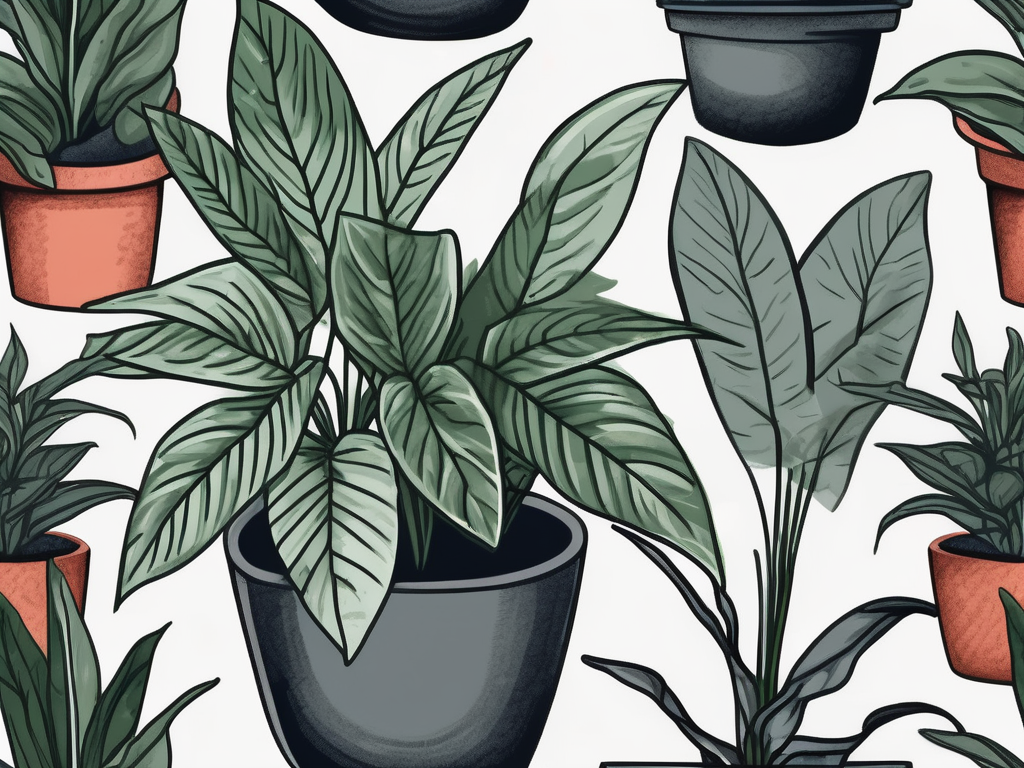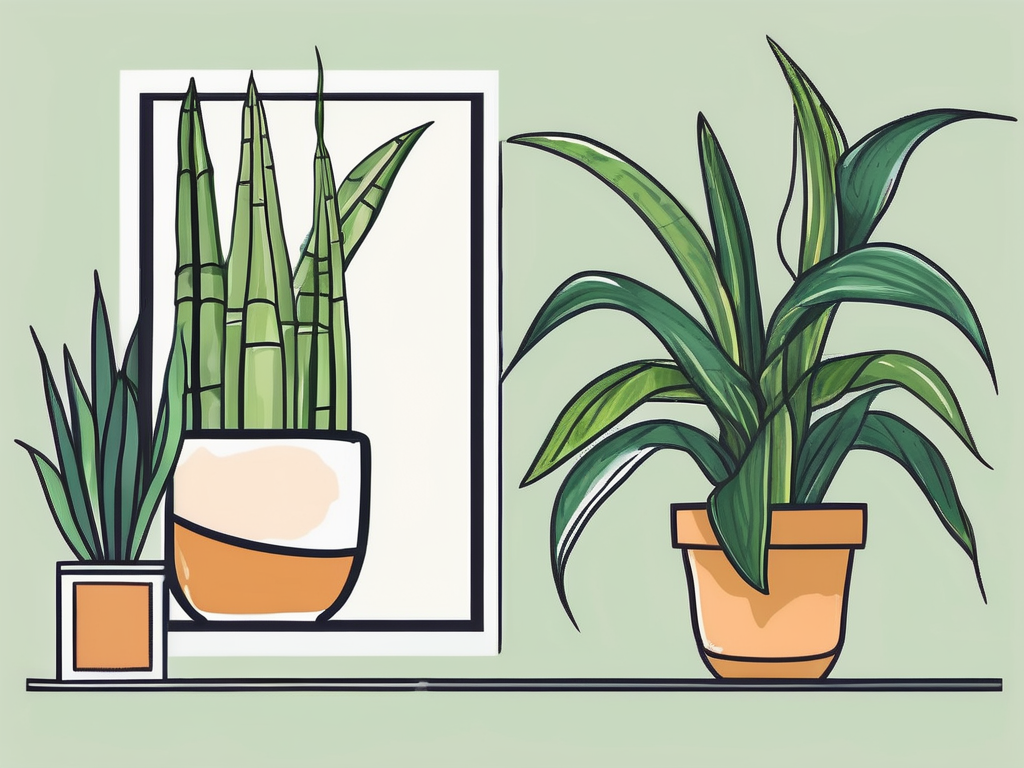
Have you ever glanced over at your Geo plant, only to notice those vibrant leaves have started turning a rather concerning shade of yellow? You're not alone. Yellowing leaves can be a common issue with many houseplants, including our beloved Geo plant, and addressing this problem can often feel like solving a mystery. Let's take a closer look at why this happens and how you can nurse your plant back to its leafy green glory.
In this article, we'll explore the various reasons why Geo plant leaves might turn yellow, from watering woes and pest problems to light issues and nutrient deficiencies. We’ll also dive into practical tips on how to identify and fix these problems. By the end, you'll be equipped with the knowledge you need to keep your Geo plant healthy and thriving.
1. Overwatering: The Most Common Culprit
One of the most frequent reasons for yellowing leaves on a Geo plant is overwatering. While it's tempting to shower your plant with love and water, too much moisture can actually do more harm than good. Overwatering can lead to root rot, a condition where the roots become waterlogged and start to decay.
How can you tell if overwatering is your problem? Look out for soggy soil that never seems to dry out, and leaves that are not just yellow but also mushy. If you find yourself in this situation, it's time to take action.
- Check the soil: Stick your finger about an inch deep into the soil. If it feels damp, hold off on watering.
- Improve drainage: Make sure your pot has drainage holes. If not, consider repotting your plant into a container that allows excess water to escape.
- Adjust your watering schedule: Let the top inch of soil dry out before watering again. It might be helpful to set a reminder or keep track of your watering days.
By being mindful of your watering habits, you can help prevent yellow leaves and keep your Geo plant happy.
2. Underwatering: The Other Side of the Coin
While overwatering is a common mistake, underwatering can also cause your Geo plant's leaves to turn yellow. This usually happens when the plant isn't getting enough water to sustain its needs, causing it to enter a state of stress.
Signs of underwatering include dry, crispy leaves along with yellowing, and soil that pulls away from the edges of the pot. To address this, you'll need to get your watering schedule back on track.
- Water thoroughly: When you water your plant, do so until water runs out of the drainage holes. This ensures the roots are fully hydrated.
- Consistent schedule: Establish a regular watering routine based on your plant's needs. This could vary by season, so adjust as necessary.
- Humidity matters: Consider using a humidity tray or a humidifier if your home has particularly dry air. Geo plants appreciate a bit of humidity.
Finding the right balance between overwatering and underwatering can take some experimentation, but your plant will thank you for it.
3. Light Levels: Finding the Sweet Spot
Geo plants are a bit particular about their lighting needs. They prefer bright, indirect light but can suffer if they get too much or too little.
If your plant is getting too much direct sunlight, its leaves might start to scorch and turn yellow. On the other hand, if it's not getting enough light, the leaves can also yellow as the plant struggles to photosynthesize.
Here's how you can help your Geo plant find its perfect light level:
- Location matters: Place your plant near a window with filtered light. A sheer curtain can help diffuse harsh rays.
- Rotate regularly: Give your plant a little spin every now and then to ensure all sides get equal light exposure.
- Artificial lighting: If natural light is limited, consider using a grow light to supplement.
By adjusting your plant's lighting conditions, you can help prevent yellowing and encourage healthy growth.
4. Nutrient Deficiencies: The Need for Feed
Sometimes, yellow leaves can be a sign that your Geo plant isn't getting the nutrients it needs. This often happens when the soil has been depleted of essential elements over time.
Common nutrient deficiencies include a lack of nitrogen, which can cause older leaves to turn yellow, or a potassium deficiency, which might lead to yellowing along the leaf edges.
To tackle this issue, consider the following steps:
- Use a balanced fertilizer: Feed your plant with a balanced houseplant fertilizer every month during the growing season.
- Follow package instructions: Over-fertilizing can be just as harmful as under-fertilizing, so stick to the recommended dosage.
- Consider a soil test: If you're unsure about what nutrients your plant is lacking, a simple soil test can provide valuable insights.
Providing your Geo plant with the right nutrients can help restore its vibrant green color and promote overall health.
5. Pest Problems: Unwanted Guests
Yellowing leaves can also be a sign of pest infestation. Common culprits include spider mites, aphids, and mealybugs, which can suck the sap from your plant and cause damage.
To check for pests, inspect the undersides of the leaves and along the stems. You might notice tiny insects or sticky residue.
If pests are the issue, here's how you can deal with them:
- Manual removal: Use a damp cloth or a gentle stream of water to remove pests from the plant.
- Insecticidal soap: Apply insecticidal soap or neem oil to keep the pests at bay.
- Isolate the plant: Keep your affected plant away from others to prevent the pests from spreading.
By keeping a close eye on your Geo plant and taking action against pests, you can help maintain its health and appearance.
6. Temperature Fluctuations: Keeping it Cozy
Geo plants thrive in stable temperature conditions and can become stressed if exposed to sudden changes. If the leaves of your plant are turning yellow, it might be due to drafts, heaters, or air conditioning fluctuations.
To keep your Geo plant cozy, consider the following:
- Stable environment: Aim to keep your plant in an area where the temperature stays between 65°F to 75°F.
- Avoid extremes: Keep your plant away from windows, doors, or vents where it's likely to encounter drafts or direct hot or cold air.
- Monitor humidity: Geo plants like a bit of humidity, so consider using a humidifier if your home is particularly dry.
By maintaining a consistent and comfortable environment, you can help your Geo plant avoid stress and yellowing leaves.
7. Natural Aging: A Normal Part of Plant Life
Sometimes, yellow leaves are simply a part of a plant's natural life cycle. As a Geo plant grows, older leaves may yellow and drop off to make way for new growth. If the yellowing is limited to the oldest leaves, and the new growth appears healthy, there's likely no need for concern.
Here's how to handle natural leaf aging:
- Prune as needed: Remove yellow leaves by gently trimming them with clean, sharp scissors. This can help your plant focus its energy on new growth.
- Observe overall health: Keep an eye on the plant as a whole to ensure that the yellowing is not spreading to newer leaves.
- Regular care: Continue providing your plant with the appropriate care to ensure its ongoing health and vitality.
Understanding that yellowing can be a natural part of plant aging can help you manage your expectations and focus on maintaining overall plant health.
8. Root Bound: Time for a Bigger Home
Geo plants, like any other plant, can outgrow their pots over time. When this happens, the roots can become cramped and start to circle around the pot, leading to nutrient deficiencies and yellowing leaves.
If you suspect your plant is root bound, here are some steps to take:
- Check the roots: Gently lift the plant from its pot to inspect the roots. If they're tightly wound or coming out of the drainage holes, it's time for a new pot.
- Repotting: Choose a pot that's about 2 inches larger in diameter and use fresh potting soil to provide your plant with room to grow.
- Regular monitoring: Keep an eye on your plant's growth and be proactive about repotting as needed to prevent it from becoming root bound again.
Giving your Geo plant the space it needs to spread its roots can help keep its leaves green and healthy.
9. Chemical Sensitivity: Being Careful with Sprays
Geo plants can sometimes be sensitive to chemicals found in tap water or cleaning products used around the house. If your plant's leaves are turning yellow, it might be worth considering if chemical exposure is the cause.
Here are some ways to minimize chemical sensitivity:
- Use filtered water: If your tap water is high in chlorine or other chemicals, try using filtered or distilled water for your plants.
- Avoid leaf shine products: These can clog the pores on the leaves and cause yellowing.
- Be mindful of cleaning products: Ensure that any cleaning sprays used near your plant are plant-safe.
By being cautious about chemical exposure, you can help prevent unnecessary stress on your Geo plant, keeping it healthy and vibrant.
Final Thoughts
Yellowing leaves on your Geo plant can be caused by a variety of factors, from overwatering and pest problems to light and nutrient issues. By understanding these potential causes and taking proactive steps to address them, you can help your plant return to its healthy, vibrant self.
At Cafe Planta, we're passionate about helping you care for your plants and create a thriving indoor garden. If you have questions or need advice, feel free to email us or reach out on Instagram. We're here to support your plant journey and share our love for all things green!