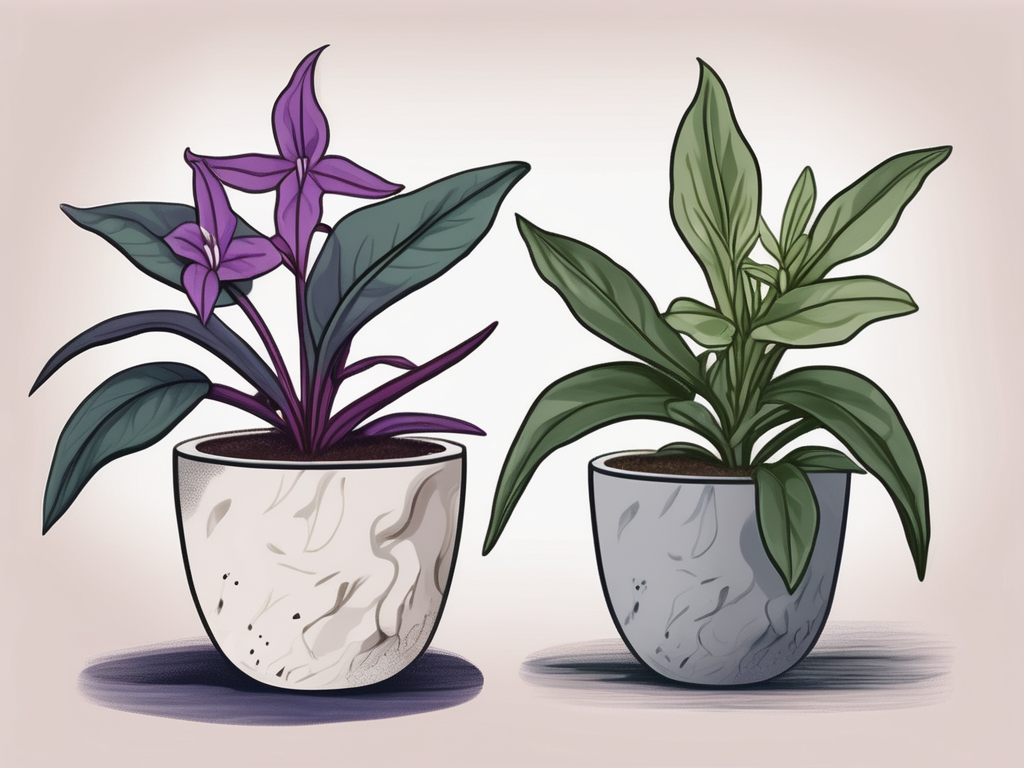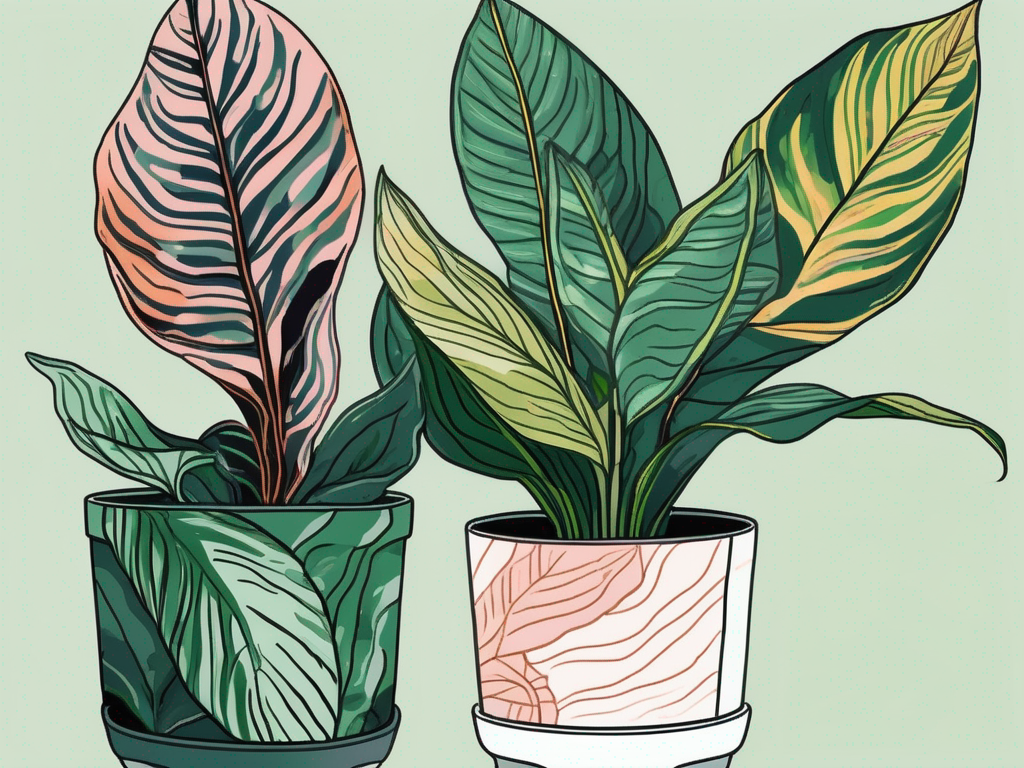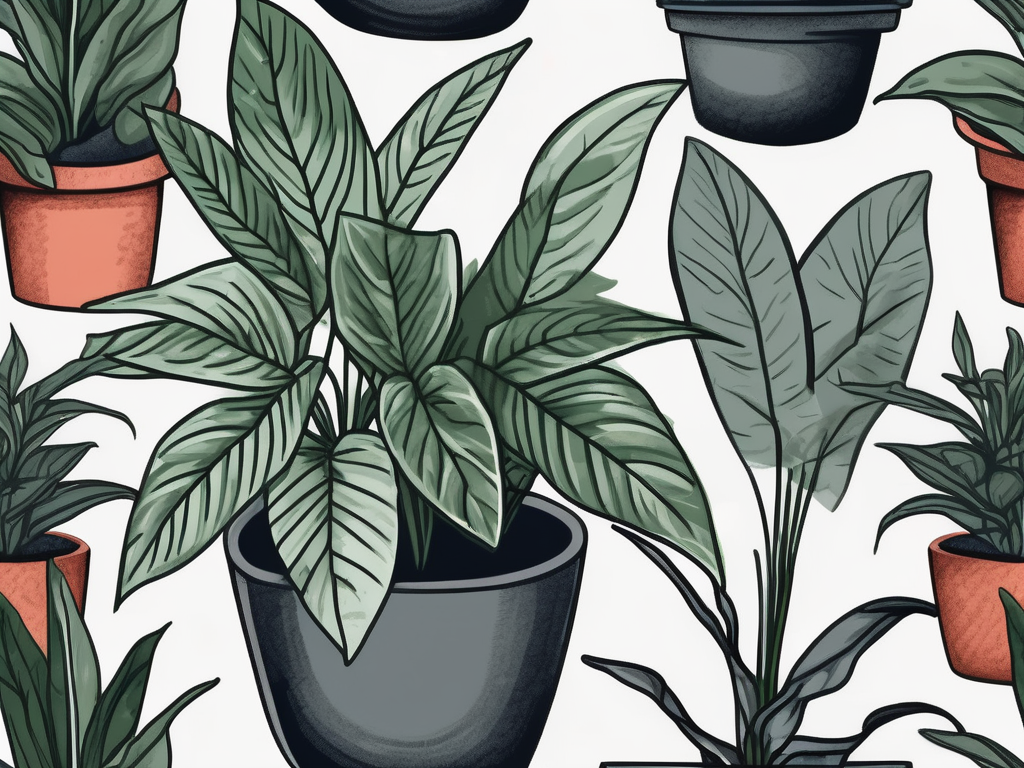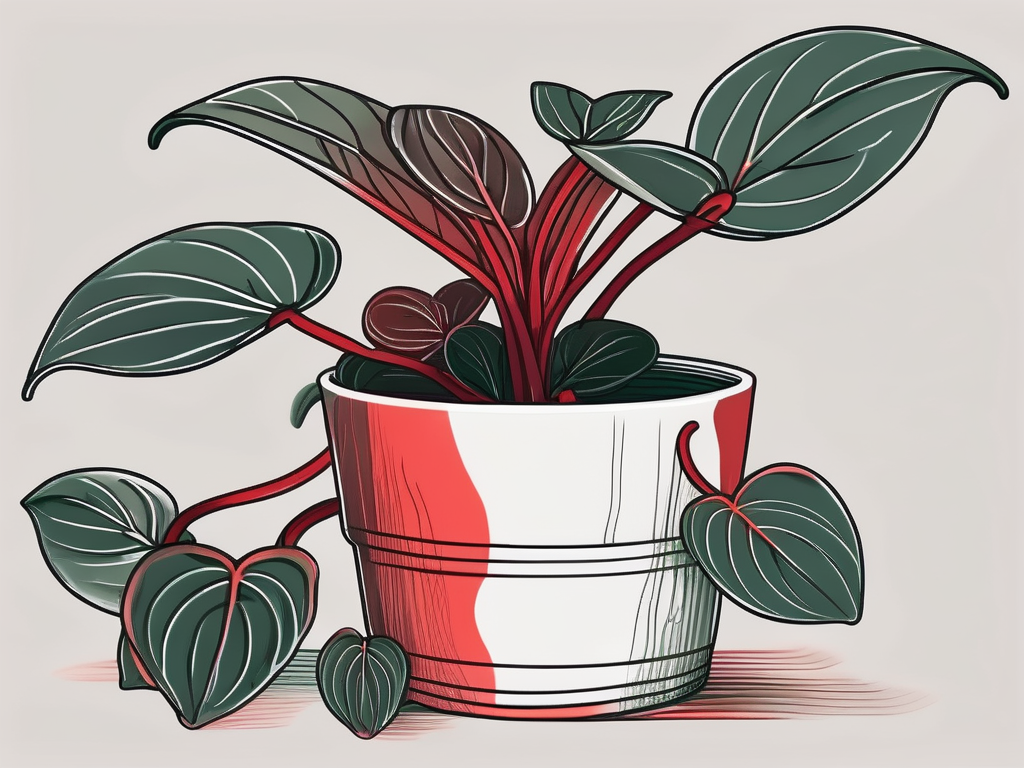
Peperomia Rosso, with its striking leaves and compact form, is a favorite among plant lovers. But what happens when those beautiful leaves start curling? It’s a bit like your favorite sweater suddenly shrinking in the wash—unexpected and a little disheartening. Fear not, though! Leaf curling is a common issue that can often be resolved with a little patience and care.
In this post, we’ll explore the various reasons why Peperomia Rosso leaves might curl and how you can address these issues. From watering habits to pest control, we’ll cover it all. So grab a cup of tea, settle in, and let’s give your Peperomia the love it deserves.
Understanding Peperomia Rosso
Before we jump into the reasons behind leaf curling, it’s helpful to understand what makes the Peperomia Rosso tick. This delightful plant hails from South America and is known for its vibrant, red-tinged leaves. It’s a compact plant, making it perfect for small spaces or as a desk buddy. Plus, it’s relatively low-maintenance, which is always a bonus in our busy lives.
Peperomia Rosso thrives in bright, indirect light and prefers its soil to dry out between waterings. It has succulent-like qualities, meaning it stores water in its leaves, so overwatering can be a common pitfall. Think of it as the friend who loves hanging out but needs their alone time, too.
Now that we have a bit of background, let’s look into what might cause those leaves to curl up.
Watering Woes
One of the most common culprits behind curling leaves in Peperomia Rosso is improper watering. Just like us, plants need the right amount of hydration to thrive, but too much or too little can cause issues.
Overwatering
Overwatering is the number one mistake plant parents make. Peperomia Rosso doesn’t like sitting in soggy soil, and too much water can lead to root rot, which often manifests as curling leaves.
- Signs of Overwatering: Leaves may become soft, mushy, or start to yellow before curling.
- Solution: Allow the soil to dry out completely before watering again. Check the moisture level by sticking your finger about an inch into the soil—if it feels dry, it’s time to water.
Underwatering
On the flip side, underwatering can also cause leaf curling. Peperomia Rosso needs some moisture to stay perky and healthy.
- Signs of Underwatering: Leaves will appear dry or crispy, and curl upward.
- Solution: Increase your watering frequency slightly. Make sure to water thoroughly until you see water draining out of the pot’s bottom.
Finding the right balance might take a bit of trial and error, but your plant will thank you for it.
Lighting Levels
Lighting plays a crucial role in plant health, and Peperomia Rosso is no exception. While it loves bright, indirect light, too much or too little can lead to leaf curling.
Too Much Light
Exposing your Peperomia Rosso to direct sunlight can scorch its leaves, causing them to curl as a defense mechanism.
- Signs of Too Much Light: Leaves may become bleached or develop brown spots along with curling.
- Solution: Move your plant to a spot with bright, indirect light. Sheer curtains can help filter sunlight if your windows are particularly bright.
Too Little Light
Insufficient light can also lead to leaf curling, as the plant struggles to photosynthesize effectively.
- Signs of Too Little Light: Leaves may appear dull or lose their vibrant color.
- Solution: Gradually move your plant to a brighter location. Avoid sudden changes, as they can stress the plant.
Remember, lighting needs can vary based on the season, so it’s good to reassess your plant’s position as the light changes throughout the year.
Temperature and Humidity
Peperomia Rosso, like most houseplants, has specific temperature and humidity preferences. When these conditions aren’t met, your plant may react by curling its leaves.
Temperature Extremes
Peperomia Rosso prefers temperatures between 65 and 80 degrees Fahrenheit. Sudden changes or extreme temperatures can cause stress.
- Signs of Temperature Stress: Leaves may become brittle or curl inward.
- Solution: Keep your plant away from drafts, heaters, and air conditioners. A stable environment is key.
Low Humidity
This plant enjoys moderate humidity levels, so dry air can be problematic.
- Signs of Low Humidity: Leaf edges may brown and curl.
- Solution: Increase humidity by misting the plant regularly or placing a small humidifier nearby. Grouping plants together can also create a more humid microclimate.
Think of your Peperomia Rosso as a tropical visitor—it’s happiest in conditions that remind it of home.
Pests and Diseases
Even the most vigilant plant parent can encounter pests or diseases. While Peperomia Rosso is generally resilient, certain pests can cause leaves to curl.
Common Pests
Spider mites, mealybugs, and aphids are the usual suspects. These pests feed on plant sap, which can lead to curling leaves.
- Signs of Pest Infestation: Look for webbing, sticky residue, or tiny insects on the leaves.
- Solution: Use a gentle insecticidal soap or neem oil to treat the plant. Regularly inspect your plant to catch any pests early.
Fungal Diseases
Fungal issues, often stemming from overwatering, can also affect leaf health.
- Signs of Fungal Issues: Look for spots or discoloration on the leaves.
- Solution: Adjust your watering habits to prevent soggy soil and remove any affected leaves. You might also consider using a fungicide if the problem persists.
Routine checks can help catch these issues before they become serious, keeping your Peperomia happy and healthy.
Soil and Pot Considerations
The type of soil and pot you choose for your Peperomia Rosso can significantly affect its health. Improper drainage or pot size can lead to leaf curling.
Soil Choice
Peperomia Rosso likes well-draining soil. A mix designed for cacti or succulents is usually a good choice.
- Signs of Poor Soil: Water pooling on the surface or taking too long to drain.
- Solution: Repot with a well-draining soil mix. Adding perlite or sand can improve drainage.
Pot Size and Drainage
The pot size and drainage are also important. A pot that’s too large can hold excess moisture, while one without drainage holes can lead to root rot.
- Solution: Ensure your pot has drainage holes and is appropriately sized—just a bit larger than the root ball.
Choosing the right soil and pot can prevent many potential problems, giving your plant a strong foundation to thrive.
Nutrient Deficiencies
While not as common, nutrient deficiencies can also cause leaf curling. Peperomia Rosso generally doesn’t need a lot of fertilization, but it’s still important to provide balanced nutrients.
When the plant lacks essential nutrients like potassium or magnesium, you might notice curling leaves as a result.
- Signs of Deficiencies: Leaves may also yellow or show other discolorations.
- Solution: Use a balanced, water-soluble fertilizer every few months during the growing season. Be careful not to over-fertilize, as this can cause more harm than good.
Feeding your plant the right nutrients can keep it looking vibrant and healthy.
Repotting Stress
Repotting can sometimes stress plants, leading to temporary leaf curling. Peperomia Rosso is generally easygoing, but like any plant, it might need some time to adjust to a new pot.
When repotting, ensure that your plant is moved to a similar environment and avoid changing too many conditions at once. Water it lightly after repotting and give it some time to settle in.
- Signs of Repotting Stress: Leaves may curl slightly or droop temporarily.
- Solution: Be patient and provide stable care. The plant should recover on its own as it acclimates to the new pot.
Think of repotting as moving to a new home—it can be a bit overwhelming, but with time, it becomes comfortable.
Final Thoughts
In summary, Peperomia Rosso leaves curling can result from several factors, including watering issues, improper lighting, temperature and humidity fluctuations, pests, and more. By understanding these potential problems and taking corrective measures, you can help your plant thrive.
At Cafe Planta, we’re passionate about helping you care for your plants. Whether you’re looking for new plant friends, care accessories, or just some advice, we’re here to support you. Feel free to email us, or reach out via Instagram. We believe in the power of plants to bring people together and can’t wait to be a part of your plant journey!