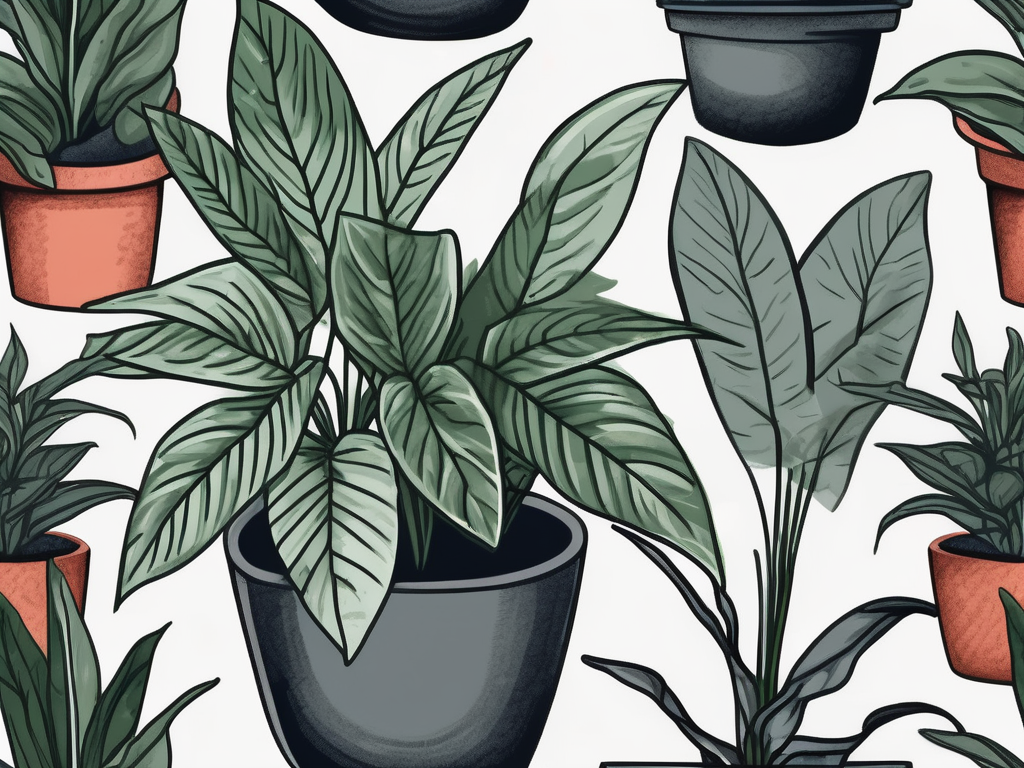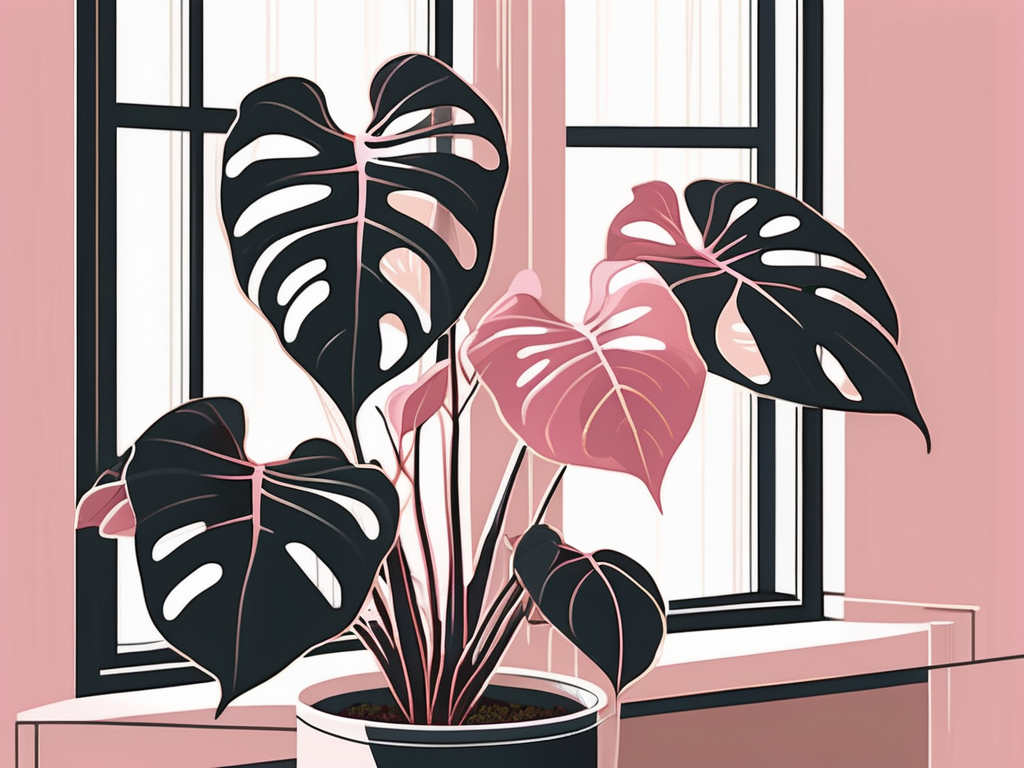
Philodendron Pink Princess is a real showstopper with its unique pink variegation and glossy leaves. However, when the leaves start curling, it can be a little alarming for plant lovers. You might find yourself wondering what went wrong with your plant buddy.
In this article, we’ll dig into the reasons why your Pink Princess might be curling its leaves. We’ll cover everything from watering habits to light exposure and offer practical advice to help you nurse your plant back to health. Let’s get started!
Understanding Leaf Curl in Philodendron Pink Princess
Leaf curling in the Philodendron Pink Princess can be a sign that something isn’t quite right. But don’t worry, it’s usually a fixable issue once you figure out the cause. Leaf curl can happen for a variety of reasons, and it’s not always easy to pinpoint exactly why without a little detective work.
Have you ever noticed how plants seem to communicate their needs through their appearance? It’s fascinating how a curl here or a droop there can signal what a plant might be going through. In the case of the Pink Princess, curled leaves are often a cry for help – a warning that the plant is stressed due to environmental factors or care routines.
Let’s break down some common causes of leaf curl, starting with water-related issues. We’ll also look into light, temperature, humidity, and other factors that might be affecting your plant.
Watering: Too Much or Too Little?
Watering is one of the most common culprits when it comes to curling leaves. Plants are just like people; they need the right amount of water to thrive. Too much or too little can lead to problems, and Philodendron Pink Princess is no exception.
Overwatering
Overwatering is a frequent issue for many houseplants. When you water your Pink Princess too often, the roots can become waterlogged. This limits their ability to absorb oxygen, leading to root rot and other health issues. The plant responds by curling its leaves as a distress signal.
- Check the soil moisture before watering. Stick your finger about an inch into the soil. If it feels damp, hold off on watering.
- Ensure your pot has drainage holes to allow excess water to escape.
- Consider using a well-draining soil mix to prevent water from sitting in the pot.
Underwatering
On the flip side, underwatering can also cause leaf curl. When a plant doesn't get enough water, it struggles to maintain its structure, resulting in curled leaves as it tries to conserve moisture.
- Keep an eye on your plant’s leaves. If they’re curling and the soil is dry, it’s time to water.
- Water your Pink Princess thoroughly until you see water draining from the bottom of the pot.
- Set a regular watering schedule, but be flexible based on the plant’s needs and the environment.
Light Conditions: Finding the Sweet Spot
Light is another key factor in plant health. The Philodendron Pink Princess loves bright, indirect light. Too much direct sunlight can scorch its leaves, leading to curling as a protective mechanism. Conversely, insufficient light can cause the plant to become leggy and weak, which might also result in curled leaves.
Bright, Indirect Light
To keep your Pink Princess happy, place it in a spot where it can receive plenty of bright, indirect light. Think of the kind of light that filters through a sheer curtain or is reflected off a nearby wall.
- Avoid placing your plant in direct sunlight, especially during the hottest part of the day.
- If your plant is in a low-light area, consider moving it to a brighter spot or supplementing with artificial light.
- Watch how your plant responds and adjust its location as needed.
Remember, just like people, plants need time to adjust to changes. If you’re moving your Pink Princess to a new spot, do it gradually to avoid stressing it out.
Temperature and Humidity: Keeping Things Comfortable
Philodendron Pink Princess thrives in warm, humid conditions. When the temperature or humidity levels aren’t ideal, you might notice those leaves start to curl.
Temperature
These plants prefer temperatures between 65°F and 80°F (18°C to 27°C). If the temperature fluctuates too much or drops below this range, it can stress your plant and cause leaf curling.
- Keep your plant away from drafts, such as windows or doors that open frequently.
- Avoid placing your Pink Princess near heating vents or air conditioners, as these can cause rapid temperature changes.
- Consider using a thermometer to monitor the temperature around your plant.
Humidity
Humidity is another important factor. Philodendron Pink Princess loves a humid environment, and dry air can lead to curling leaves.
- Use a humidifier to maintain a humidity level of at least 50%.
- Group your plants together to create a microclimate with higher humidity.
- Mist your plant occasionally, but be careful not to overdo it, as too much moisture on the leaves can lead to fungal issues.
Soil and Potting Considerations
Believe it or not, the soil and pot you use can also influence the health of your Pink Princess. The wrong soil type or pot size can lead to poor drainage, affecting the plant’s overall health and causing leaf curl.
Soil
Your Philodendron Pink Princess will thrive in a well-draining soil mix. Think of it like a cozy bed for your plant – it needs to be just right to keep your plant comfortable and happy.
- Use a mix of potting soil, perlite, and orchid bark for good drainage and aeration.
- Avoid heavy soils that retain too much moisture, as this can lead to root rot.
- Consider repotting every couple of years to refresh the soil and give your plant room to grow.
Pot Size
Choosing the right pot size is essential. A pot that’s too small can restrict root growth, while a pot that’s too large can retain excess moisture.
- Select a pot that’s about an inch or two larger in diameter than the current one when repotting.
- Ensure the pot has drainage holes to prevent water from pooling at the bottom.
- Feel free to get creative with pots and planters, but always prioritize functionality over aesthetics.
Pests and Diseases: The Unwanted Guests
Sometimes, leaf curling is a sign that your Philodendron Pink Princess has some unwanted visitors. Pests and diseases can affect the plant’s health, causing stress and, you guessed it, curling leaves.
Common Pests
Pests like spider mites, aphids, and mealybugs are known to target houseplants. They can damage leaves and stems, sucking the life out of your Pink Princess.
- Regularly inspect your plant for signs of pests, such as webbing, sticky residue, or tiny insects.
- If you spot pests, isolate the affected plant to prevent the spread.
- Treat pests with insecticidal soap, neem oil, or a homemade solution of water and dish soap.
Diseases
Fungal and bacterial diseases can also cause leaf curling. These issues often arise from overwatering or poor air circulation.
- Ensure proper watering techniques to prevent fungal growth.
- Increase air circulation around your plants by spacing them out.
- Remove and dispose of any infected leaves promptly.
Fertilizer: Striking the Right Balance
Fertilizing your Philodendron Pink Princess can help it grow strong and vibrant. However, too much fertilizer can lead to nutrient burn, which might cause those leaves to curl.
Proper Fertilization
Just like how we need a balanced diet, plants need the right mix of nutrients to thrive. But overdoing it can be just as harmful as not fertilizing at all.
- Use a balanced, water-soluble fertilizer diluted to half-strength every 4-6 weeks during the growing season.
- Avoid fertilizing in the winter when the plant’s growth slows down.
- If you suspect over-fertilization, flush the soil with water to remove excess salts.
Keep an eye on your plant’s response to fertilization. If you notice any adverse reactions, adjust the frequency or concentration accordingly.
Stress and Environmental Changes
Stress from environmental changes can also lead to leaf curling. Plants, like people, can get stressed when their environment changes suddenly.
Consistency is Key
Plants thrive on consistency. Sudden changes in their environment, such as moving to a new location, can cause stress and result in curling leaves.
- Try to keep your plant’s environment as consistent as possible in terms of light, temperature, and humidity.
- If you do need to move your plant, do so gradually to minimize stress.
- Observe your plant for signs of stress and adjust care routines as needed.
Remember, plants are resilient and can adapt over time, but a little extra care goes a long way in helping them transition.
Checking Root Health
Sometimes, leaf curl can be traced back to issues with root health. Healthy roots are crucial for nutrient and water uptake, so it’s important to ensure they’re in good shape.
Inspecting the Roots
If you’ve tried adjusting care routines and your plant is still struggling, it might be time to check the roots. Healthy roots should be white or light tan and firm to the touch.
- Carefully remove the plant from its pot to inspect the roots.
- Look for signs of root rot, such as black, mushy roots with a foul odor.
- Trim away any damaged roots with clean, sharp scissors.
Repot your plant in fresh soil if you notice root issues, and adjust watering practices to prevent future problems.
Final Thoughts
Philodendron Pink Princess leaves curling can be a signal that your plant needs a little extra care. By considering factors like watering, light, temperature, and pests, you can help your plant bounce back and flourish.
At Cafe Planta, we’re passionate about helping you create a thriving plant collection. If you have any questions or need advice on plant care, feel free to email us or send a message on Instagram. We believe in the power of plants to connect us with nature and each other, and we’re excited to share that journey with you!