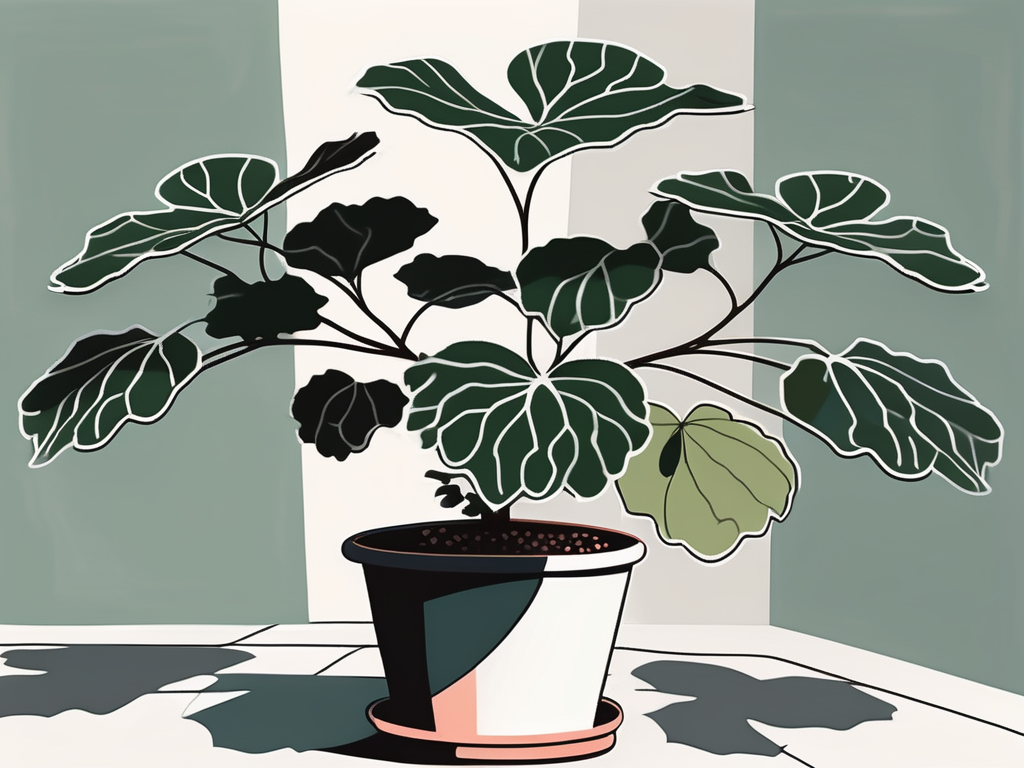
Polka dot begonias are like the polka-dotted dresses of the plant world—charming, eye-catching, and often the center of attention. But what happens when those beautiful leaves start curling? It's a sight that can make any plant lover's heart sink. Don’t worry, though! Leaf curling is a common issue, and with a little detective work, we can figure out what’s going on.
In this post, we’ll cover the possible reasons why your polka dot begonia’s leaves are curling and how to address each one. Whether it's environmental stress, watering habits, or pests, we’ll navigate through the causes and solutions so you can get your begonia back to its lively, colorful self.
Watering Issues: The Fine Balance
Watering plants can sometimes feel like you’re trying to hit a moving target. Polka dot begonias are no exception—they need just the right amount of moisture to thrive. Too much or too little water can cause those lovely leaves to curl up like a frightened armadillo.
First, let’s talk about overwatering. If you’re in the habit of giving your begonia a daily drink, you might want to reconsider. These plants prefer their soil to dry out a bit between waterings. Overwatering can lead to root rot, which in turn causes leaves to curl and yellow. If you suspect this is your issue, check the roots. Mushy, brown roots are a clear sign of overwatering.
On the flip side, underwatering can also cause leaves to curl. If the soil feels bone dry and the pot is light as a feather, your plant might be thirsty. Give it a good soak and see if that helps the leaves relax.
- Check soil moisture regularly: Stick your finger about an inch into the soil. If it feels dry, it’s time to water.
- Ensure proper drainage: Use pots with drainage holes to prevent water from pooling at the bottom.
- Adjust watering schedule: Depending on the season and climate, you might need to water more or less frequently.
Humidity Levels: Finding the Sweet Spot
Polka dot begonias hail from tropical regions, so they’re big fans of humidity. If the air in your home is too dry, your begonia might start to curl its leaves as a way of saying, “Hey, I’m parched over here!”
Dry indoor air, especially during winter, can be harsh on these plants. If your begonia’s leaves are curling, consider increasing the humidity around it. This can be done in several ways:
- Humidifier: Placing a humidifier near your plant is a straightforward way to increase moisture in the air.
- Pebble tray: Set your pot on a tray filled with pebbles and water. As the water evaporates, it adds humidity around the plant.
- Misting: Lightly mist the leaves, but be cautious—not too much, as excess moisture sitting on leaves can lead to fungal issues.
Finding the right balance might take some trial and error, but your begonia will thank you with vibrant, healthy foliage.
Temperature Fluctuations: The Hot and Cold of It
While your polka dot begonia won’t demand a tropical vacation, it does appreciate a stable temperature. Sudden changes can stress the plant, leading to curled leaves. These begonias prefer temperatures between 65°F and 75°F (18°C and 24°C). Anything too hot or too cold can cause them to react negatively.
Consider these tips for maintaining a consistent temperature:
- Avoid drafts: Keep your begonia away from windows or doors where cold drafts can sneak in.
- Mind the heat: Don’t place your plant too close to heaters or vents, which can dry out the air and scorch the leaves.
- Monitor room temperature: Use a thermometer to keep an eye on the temperature, especially during seasonal changes.
Consistency is key here. By keeping your plant in an environment with stable temperatures, you’re more likely to see those beautiful leaves unfurl.
Light Levels: Shedding Some Light on the Problem
Polka dot begonias are a bit like Goldilocks when it comes to light—they want just the right amount. Too much direct sunlight can cause the leaves to curl and even burn, while too little light might lead to a leggy plant with pale leaves.
Your begonia will thrive in bright, indirect light. If the leaves are curling, look at where your plant is positioned:
- Too much sun: If your begonia is sitting in a sunbeam, try moving it to a spot with filtered light, like near a sheer-curtained window.
- Too little light: On the other hand, if your plant is in a dim corner, consider moving it closer to a light source or supplementing with a grow light.
Observing how your plant reacts to light adjustments can help you find the ideal spot, ensuring those polka-dotted leaves remain the star of the show.
Pest Problems: Unwanted Guests
Sometimes it’s not the environment that’s the culprit, but rather some tiny invaders. Pests like spider mites, aphids, or thrips can cause leaves to curl as they feed on the plant’s sap. Left unchecked, these pests can do a number on your begonia.
If you suspect pests are causing the curling, here’s what you can do:
- Inspect the leaves: Look under the leaves and along the stems for any signs of pests or webs.
- Wash the plant: Gently rinse the leaves with lukewarm water to dislodge the pests.
- Use insecticidal soap: This can help control the population if water alone doesn’t do the trick.
It’s a good idea to check your other plants, too, as pests can easily spread from one plant to another. Persistence and patience usually pay off when dealing with these pesky intruders.
Nutrient Deficiencies: Feeding Time
Just like we need our vitamins and minerals, polka dot begonias need their nutrients to stay healthy. A lack of essential nutrients can lead to curling leaves and other issues.
If your begonia isn’t getting enough nutrients, it might be time to consider fertilizing. Here’s how to go about it:
- Use a balanced fertilizer: Look for a water-soluble fertilizer that provides a mix of nutrients.
- Follow the instructions: It’s easy to overdo it with fertilizer, so be sure to follow the directions on the package.
- Frequency: During the growing season (spring and summer), fertilize every other month. In the fall and winter, you can ease off.
Fertilizing not only helps combat curling leaves but also promotes lush growth and vibrant colors, keeping your plant looking its best.
Soil Composition: The Foundation of Health
The soil your begonia is planted in plays a crucial role in its overall health. Polka dot begonias prefer well-draining soil that retains some moisture but doesn’t become waterlogged. If the soil isn’t right, the roots can struggle, leading to curling leaves.
Consider these points when it comes to soil:
- Use a good mix: A peat-based potting mix with added perlite or sand can provide the right balance of drainage and moisture retention.
- Repotting: If your plant has outgrown its pot or the soil seems compacted, it might be time to repot with fresh soil.
- Avoid compacted soil: Over time, soil can compact, reducing its ability to drain properly. Gently aerating the soil surface can help.
With the right soil, your polka dot begonia can develop a strong root system, supporting healthy foliage and reducing the likelihood of leaf curl.
Environmental Stress: Moving and Shaking
Changes in the environment can stress out your begonia, causing it to curl its leaves. This could be due to recent relocation, repotting, or even changes in care routines.
If you’ve recently moved your plant or changed its care, give it some time to adjust. Here are a few ways to help your begonia acclimate:
- Gradual changes: If you’re moving the plant to a new location, do so gradually to minimize stress.
- Consistency: Try to keep watering, feeding, and light exposure consistent to help your plant settle in.
- Patience: Sometimes, a little patience is all that’s needed for your plant to bounce back.
Remember, plants can’t tell us what they need with words, so we have to pay attention to their signals. With a little patience and care, your begonia will likely adjust to its new environment.
Genetic Factors: When It’s Just in Its Nature
Sometimes, curling leaves might be due to the plant's genetics. Certain varieties of polka dot begonias may naturally have some curling in their leaves. This doesn’t necessarily indicate a problem—it might just be how your particular plant grows.
Here’s how to determine if genetics might be at play:
- Observe consistently: If the plant is generally healthy and the curling doesn’t seem severe, it could be a natural trait.
- Check with others: Look up your specific variety or ask fellow plant people if they notice similar traits in their plants.
If everything else seems in order and your plant is thriving, a little leaf curl might just be part of your begonia’s unique charm.
Final Thoughts
We’ve covered a lot of ground in exploring why your polka dot begonia’s leaves might be curling. From watering habits and humidity levels to pests and genetic factors, there are plenty of potential culprits. The good news is that most of these issues are fixable with a little attention and care.
At Cafe Planta, we’re passionate about helping you care for your houseplants. Whether you have a question about plant care or you’re looking for a special addition to your collection, we’re here to help. Feel free to email us or send us a message on Instagram. We believe that plants have the power to bring people together, and we’re excited to share our love of plants with you!