Have you ever noticed your Purple Passion Plant looking a bit...off? Those vibrant, velvety leaves might be curling, and it's leaving you scratching your head. Well, you're not alone. Many plant lovers have faced this puzzling scenario, and it's high time we get to the bottom of it.
In this article, we're going to chat about why those beautiful leaves might be curling. We'll walk through various potential causes and, more importantly, what you can do to help your plant thrive. Whether you're a seasoned plant parent or just starting your plant journey, there's something here for everyone.
Getting to Know the Purple Passion Plant
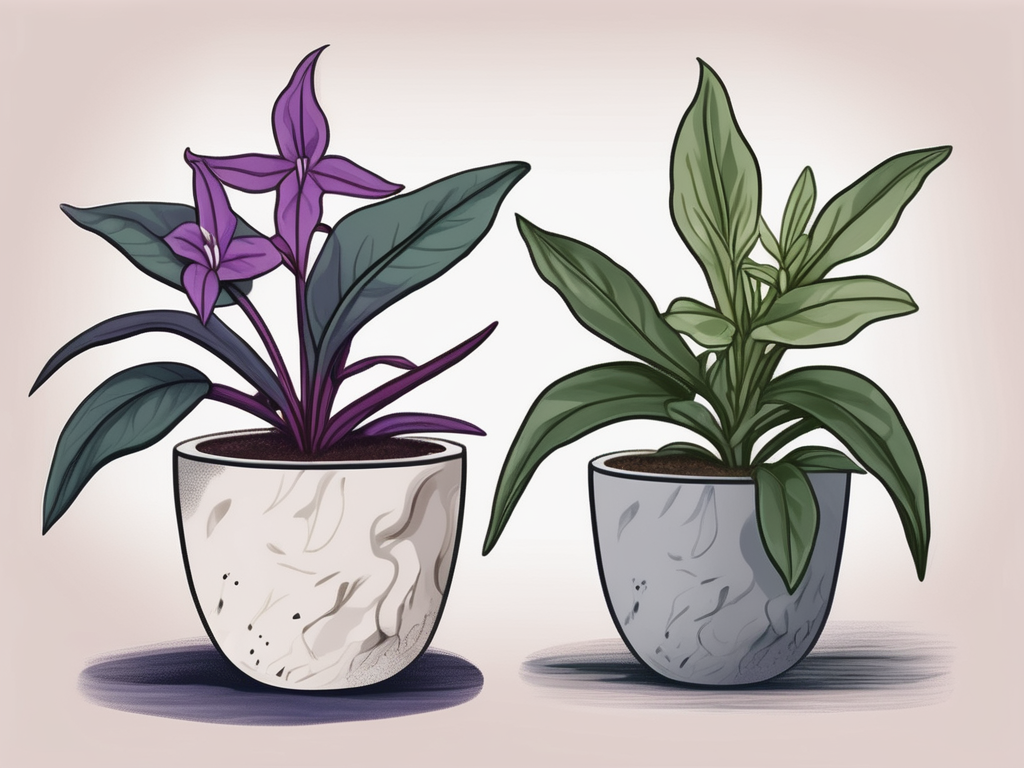
The Purple Passion Plant, also known as Gynura aurantiaca, is a real showstopper. Its deep green leaves with a velvety purple fuzz are nothing short of eye-catching. But, like with any beauty, there's a little maintenance involved. Understanding your plant’s needs is crucial to keeping it healthy and vibrant.
Originating from Indonesia, this plant enjoys a warm, humid environment. It's like the tropical version of a cozy blanket. It thrives in bright, indirect light and prefers its soil to stay slightly moist. But don't let that fool you—it doesn't like to sit in water. Think of it as wanting to sip, not gulp.
Before we get into the nitty-gritty of curling leaves, let’s appreciate the plant's quirks. Their fuzzy texture is not just for looks; it helps in trapping moisture and reducing water loss, a neat adaptation for its native habitat. Now that we have a sense of what makes this plant tick, let’s tackle those curling leaves.
Watering Woes: Too Much or Too Little?
One of the first culprits behind curling leaves is often water-related. It's like when you get dehydrated or over-caffeinated. Plants have their own way of telling you they're not happy with their drink schedule.
Overwatering: A Common Mistake
Too much water can lead to root rot, which is as bad as it sounds. When the roots start to rot, they can't absorb nutrients properly, and your plant will start showing signs of distress, like curling leaves. If you suspect overwatering, check the soil. Is it soggy? Does it smell a bit off? Those are sure signs you're loving your plant a tad too much with that watering can.
Underwatering: The Other Extreme
On the flip side, not enough water can lead to dry, curling leaves. Think of it as the plant wilting away in a desert. The soil will be dry, and the leaves might feel crisp to the touch. Your Purple Passion Plant is crying out for a drink.
So, what's the sweet spot? Aim to keep the soil slightly moist. A good rule of thumb is to water when the top inch of the soil feels dry. It’s like checking to see if your cake is done—poke it a little!
Lighting Conditions: Finding the Right Balance
Light is another key player in keeping your plant happy. Too much, and you'll have a scorched plant. Too little, and your plant will struggle to photosynthesize.
Too Much Sun: A Recipe for Sunburn
Your Purple Passion Plant loves bright light, but direct sunlight can be too harsh. It's like sunbathing without sunscreen. If the leaves look crispy or you see brown spots, it's time to move your plant away from that sunny window. A sheer curtain can do wonders in filtering harsh rays.
Not Enough Light: A Slow Fade
Conversely, if your plant isn’t getting enough light, you might see the leaves curling as a sign of distress. They’re reaching out, trying to find more light. If this is the case, move it to a brighter spot, but remember to avoid direct sunlight.
Finding the right balance might take a little trial and error, but once you hit that sweet spot, your plant will thank you with vibrant leaves.
Temperature and Humidity: Creating a Cozy Environment
Remember, Purple Passion Plants hail from warm, humid regions. When you think of where they naturally grow, you're probably picturing a lush, tropical paradise. So, it's no wonder they can be picky about their environment at home.
Temperature: Keeping it Just Right
Your plant prefers temperatures between 60°F and 75°F. If your home tends to get cooler during the winter, try to keep your plant away from drafty windows or doors. Curling leaves can sometimes be a response to a chill in the air.
Humidity: Not Too Dry, Not Too Wet
Humidity is another factor to consider. If your home is too dry, especially during those cold winter months, your plant might start showing signs of stress through curling leaves. A simple fix is to mist the leaves occasionally or place a humidifier nearby. You could also group your plants together, creating a little plant community that boosts humidity naturally.
Remember, it’s about creating a cozy nook that mimics their natural habitat. Once you find that balance, your Purple Passion Plant will reward you with its bold, beautiful leaves.
Pests and Diseases: Unwanted Guests
Just like you wouldn’t want ants crashing your picnic, your plant doesn’t want pests hanging around. Pests can cause all sorts of issues, including those pesky curling leaves.
Common Culprits
Spider mites, aphids, and mealybugs are common pests that could be making themselves at home on your plant. They love to suck the life out of those gorgeous leaves, leading to curling and wilting.
If you suspect pests, take a closer look at the leaves. Do you see any tiny webs or little critters? If so, it’s time to take action:
- Spider mites: Wipe the leaves with a damp cloth and consider using a neem oil spray for ongoing prevention.
- Aphids: A strong spray of water can dislodge them, or try an insecticidal soap.
- Mealybugs: Dab them with a cotton swab dipped in rubbing alcohol.
Diseases to Watch For
Fungal infections can also lead to curling leaves. If you notice any unusual spots or a powdery residue, it might be time to consider a fungicide. Keeping your plant’s environment clean and not overcrowding them can help prevent these issues.
Remember, a little vigilance goes a long way. Regularly checking your plants for signs of pests or disease can help catch problems before they become major headaches.
Nutrient Deficiencies: What’s Missing?
Just like we need a balanced diet, so do our plants. Nutrient deficiencies can cause a range of symptoms, including, you guessed it, curling leaves.
The Usual Suspects
Nitrogen, phosphorus, and potassium are the big three nutrients that your plant needs. But don't overlook the importance of secondary nutrients like magnesium and calcium.
If your plant isn't getting enough of these nutrients, it might start showing signs of stress. For example:
- Nitrogen deficiency: Yellowing leaves that eventually curl.
- Phosphorus deficiency: Dark green leaves with purple spots.
- Potassium deficiency: Browning edges and curling leaves.
Fertilizing Wisely
Consider using a balanced, water-soluble fertilizer during the growing season. But be careful not to overdo it—too much fertilizer can do more harm than good. A monthly feeding during spring and summer should suffice. Always follow the instructions on the packaging, and when in doubt, err on the side of caution.
By providing the right nutrients, you’re setting your plant up for success. It’s like giving it the perfect smoothie packed with vitamins!
Repotting: When It’s Time for a New Home
Sometimes, a change of scenery is all it takes. Over time, your Purple Passion Plant might outgrow its pot, leading to signs of stress like curling leaves.
Signs It’s Time to Repot
If you notice roots growing out of the drainage holes or your plant seems to dry out faster than usual, it might be time to give it a new home. A pot that's too small can constrict root growth, leading to nutrient deficiencies and other issues.
How to Repot
- Choose the right pot: Opt for one that’s just a couple of inches larger than the current pot.
- Prepare the soil: Use a well-draining potting mix to ensure proper air circulation and moisture retention.
- Gently remove the plant: Be careful not to damage the roots as you transfer it to the new pot.
- Settle in: Add soil around the roots and water thoroughly to help the plant settle.
Repotting can be a bit messy, but it’s a great way to give your plant the fresh start it needs.
Stress Factors: Other Considerations
Sometimes, curling leaves can be a symptom of general stress. It’s like when you’ve had a long week, and you just need a break.
Environmental Changes
Sudden changes in temperature, light, or humidity can stress out your plant. It’s best to make gradual adjustments to prevent shock.
Handling and Movement
Frequent handling or moving your plant around can also cause stress. Try to find a stable spot where your plant can settle in and thrive.
By reducing stressors, you’re giving your Purple Passion Plant the best chance to shine. It’s about creating a stable, nurturing environment where it can flourish.
Final Thoughts
From watering habits to lighting conditions, there are several reasons why your Purple Passion Plant might have curling leaves. By understanding these factors, you can take steps to ensure your plant thrives and continues to add beauty to your space.
At Cafe Planta, we’re all about helping you care for your plants. If you have any questions, feel free to email us or send us a DM on Instagram. We believe that plants have the power to bring people together, and we’re excited to help you create a thriving plant collection in your home.