If you've noticed your purple waffle plant looking a bit under the weather with yellowing leaves, you might be wondering what's going wrong. It's not unusual for plant parents to scratch their heads over this change in color. While the purple waffle plant, with its vibrant leaves, usually thrives indoors, several factors can cause those striking leaves to turn yellow.
In this article, we'll explore the most common reasons behind the yellowing of purple waffle plant leaves. From watering mistakes to lighting issues, we'll look at each cause and provide practical tips to help you nurse your plant back to health. Let's get to the root of the problem!
Understanding the Purple Waffle Plant
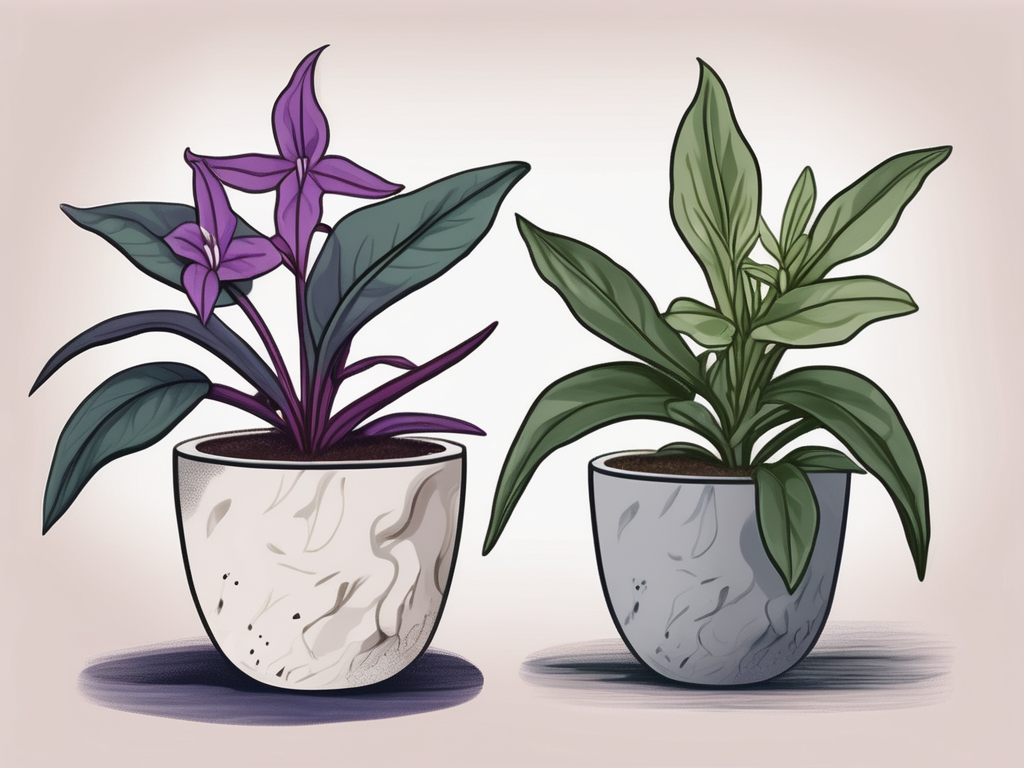
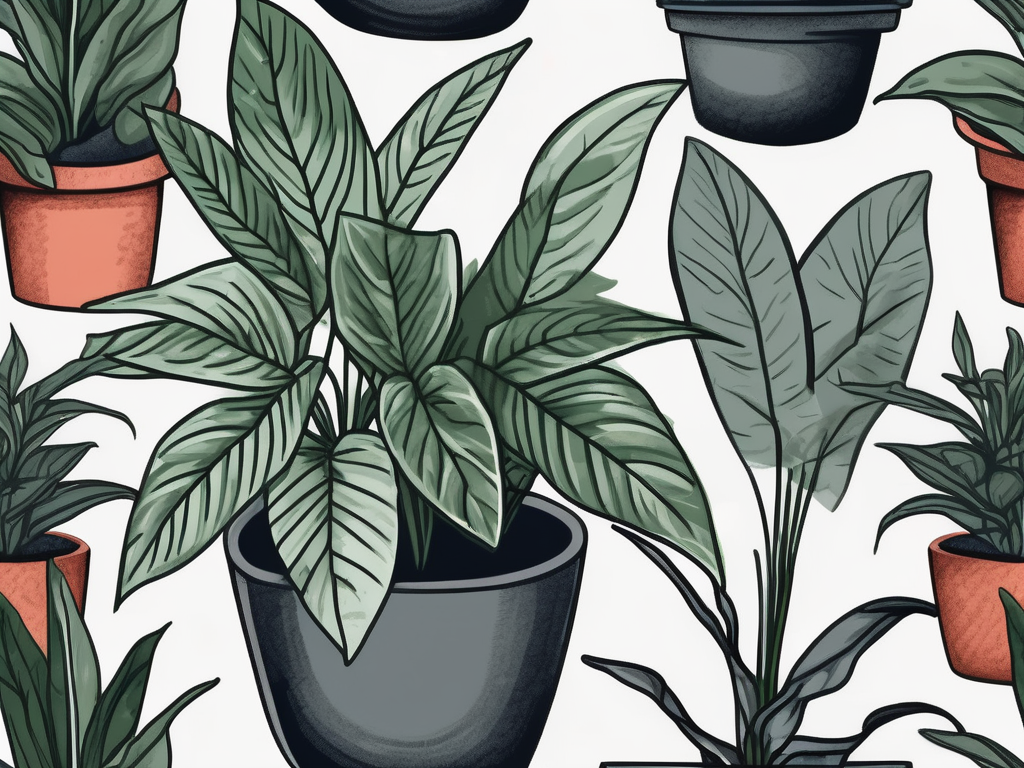
The purple waffle plant, or Hemigraphis alternata, is a popular choice for indoor greenery lovers due to its colorful foliage and textured leaves. This plant is native to the tropical regions of Asia, which gives us a clue about its care preferences. It's a plant that loves warmth, humidity, and filtered light.
Its leaves are usually a deep purple with a metallic sheen, making it a striking addition to any plant collection. However, when these leaves start turning yellow, it indicates that something is off in its care routine. Understanding what keeps this plant happy is the first step in tackling the yellowing issue.
The purple waffle plant prefers:
- Bright, indirect light: Too much direct sunlight can scorch its leaves, while too little can cause dullness.
- Consistent watering: It likes its soil to be moist but not soggy. Overwatering or underwatering can lead to yellow leaves.
- Humidity: Being a tropical plant, it thrives in humid environments.
With these basic needs in mind, let's dive into the specific reasons why your purple waffle plant might be showing yellow leaves.
Overwatering: The Usual Suspect
More often than not, yellow leaves on a purple waffle plant are a sign of overwatering. While this plant does like its soil to be moist, it doesn't appreciate sitting in waterlogged conditions. When the roots are constantly wet, it can lead to root rot, which in turn causes the leaves to yellow.
Overwatering is a common mistake, especially for new plant parents who are eager to ensure their plant is never thirsty. However, it's essential to strike a balance. Here are a few tips to manage watering correctly:
- Check the soil: Before watering, stick your finger about an inch into the soil. If it feels dry, it's time to water. If it's still damp, hold off.
- Drainage is key: Ensure your pot has drainage holes to allow excess water to escape. A well-draining potting mix is also beneficial.
- Water schedule: Consider setting a watering schedule based on your home's conditions. During warmer months, you might need to water more frequently than in cooler months.
Adjusting your watering routine might be all it takes to see those yellow leaves regain their vibrant purple hue.
Underwatering: Don't Let Them Thirst
On the flip side, underwatering can also cause yellow leaves. If the purple waffle plant is too dry, it will start to show its distress through its leaves losing their color and luster.
Signs of underwatering include leaves that are dry and crispy to the touch, along with the yellowing. The soil might also pull away from the edges of the pot, indicating it's too dry. Here's how you can fix underwatering:
- Regular checks: Make it a habit to check your plant's soil moisture levels regularly.
- Water thoroughly: When watering, ensure you do so thoroughly so the water reaches the roots. Allow excess water to drain away.
- Humidity trays: Consider placing a humidity tray or using a humidifier to increase the ambient moisture around the plant.
With consistent care and attention, your plant should bounce back from underwatering, and its leaves should return to their colorful best.
Lighting Conditions: Finding the Sweet Spot
Lighting can be a bit tricky with purple waffle plants. While they prefer bright, indirect light, too much direct sunlight can be harmful, and too little light can cause problems too. Yellowing leaves might be a sign that your plant is not getting the light it needs.
If your plant is sitting in a dim corner, it's time to move it closer to a window, but ensure it's not in direct sun, which can scorch its leaves. On the other hand, if it's sitting in the sun's direct path, consider moving it to a spot where it can get filtered light, such as behind a sheer curtain.
Here are a few lighting tips to help your purple waffle plant thrive:
- Rotate the plant: Give your plant a quarter turn every week to ensure even light distribution.
- Supplemental lighting: In particularly dark rooms, consider using grow lights to give your plant the light it needs.
- Observe and adjust: Pay attention to how your plant responds to its light conditions and adjust its placement as needed.
With the right lighting, your purple waffle plant should maintain its vibrant color and remain healthy.
Nutrient Deficiency: Feeding Your Plant Right
Yellow leaves can also indicate a nutrient deficiency. Like all plants, the purple waffle plant needs a balanced diet of essential nutrients to thrive. A lack of key nutrients, such as nitrogen, can manifest in yellowing leaves.
To keep your plant well-fed, consider the following:
- Regular fertilization: Use a balanced, water-soluble fertilizer during the growing season (spring and summer) every 4-6 weeks.
- Read the signs: If you notice yellowing along with slow growth, it might be time to up the nutrients.
- Avoid over-fertilizing: Too much fertilizer can harm your plant, so always follow the instructions on the label.
By providing the right nutrients, you can help your purple waffle plant maintain its health and vibrant color.
Pests: Little Invaders on the Loose
Sometimes, yellowing leaves can be a sign of pests. Common pests like spider mites, aphids, or mealybugs can sap the life out of your purple waffle plant, leading to yellow or discolored leaves.
Keep an eye out for these unwelcome guests by regularly inspecting your plant. Look for:
- Webbing or tiny dots: Spider mites are notorious for this.
- Sticky residue: This can be a sign of aphids or mealybugs.
- Visible bugs: Sometimes, you can spot the little critters themselves.
If you find pests, here’s what you can do:
- Manual removal: Wipe the bugs off with a damp cloth or a cotton swab dipped in alcohol.
- Natural remedies: Use neem oil or insecticidal soap to treat infestations.
- Regular monitoring: Keep a close eye on your plant to catch any new infestations early.
With a little vigilance, you can keep pests at bay and your purple waffle plant looking its best.
Temperature Stress: Keeping Things Cozy
Being a tropical plant, the purple waffle plant prefers warm temperatures. If your home gets too cold, especially during winter, it might stress your plant and cause yellowing leaves.
Temperature fluctuations, like drafts from windows or doors, can also affect your plant's health. Keep your plant in a stable environment where it can enjoy consistent warmth, ideally between 60°F and 80°F.
Here are some temperature tips:
- Avoid drafts: Keep your plant away from drafty windows or doors.
- Adjust for seasons: During winter, move your plant away from cold windows and ensure it gets enough warmth.
- Be mindful of heaters: While heaters can keep your plant warm, they can also dry out the air, so consider using a humidifier.
Ensuring your purple waffle plant is comfortable will help it maintain its lush appearance.
Humidity: A Tropical Plant’s Best Friend
Humidity is crucial for the purple waffle plant. Being from tropical regions, it thrives in higher humidity levels. Dry indoor air, especially in winter when heating systems are on, can cause stress and yellowing leaves.
To boost humidity for your plant:
- Misting: Regularly mist the leaves to increase humidity or use a pebble tray with water.
- Grouping plants: Place your purple waffle plant near other plants to create a humid microclimate.
- Humidifier: Consider investing in a humidifier if your home is particularly dry.
With adequate humidity, your plant will feel more at home and show off its beautiful colors proudly.
Final Thoughts
Yellowing leaves on your purple waffle plant can be a concern, but with a little detective work, you can identify the cause and get your plant back to its vibrant best. Whether it's adjusting your watering routine, tweaking the light exposure, or ensuring your plant is pest-free, these steps should help your plant thrive.
At Cafe Planta, we love to help plant lovers create thriving indoor gardens. If you have questions about caring for your plants, feel free to email us or send a message on Instagram. We believe plants bring joy and connection to our lives, and we're here to support you on your plant journey!