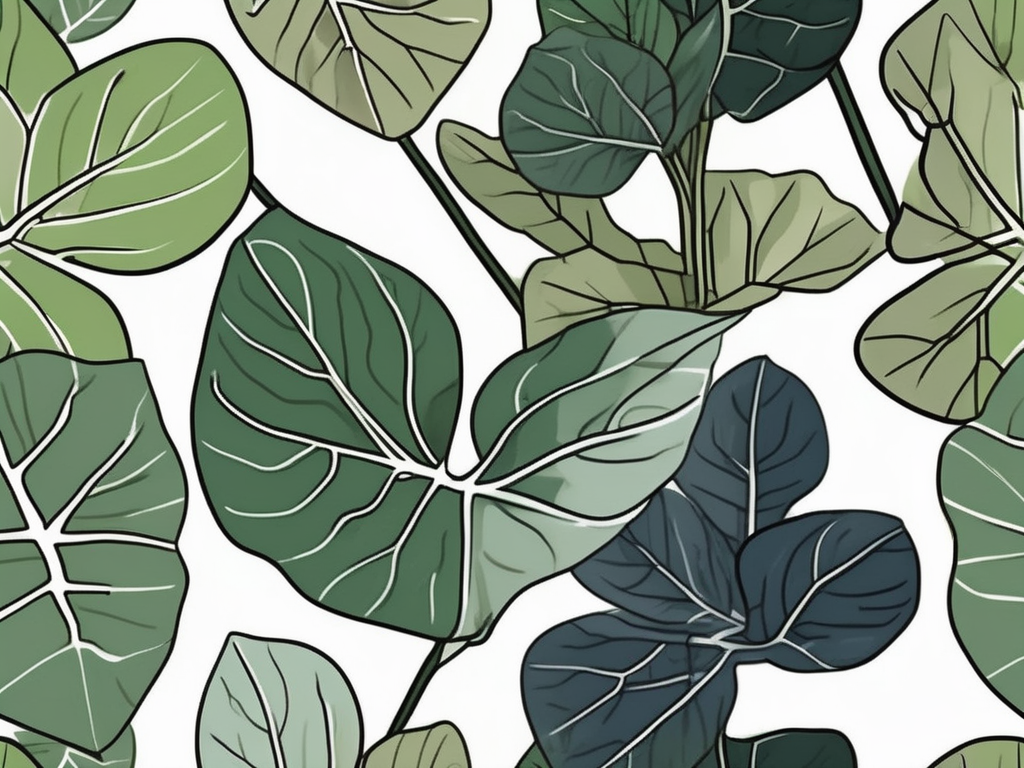
String of Hearts, with its cascading vines and heart-shaped leaves, is a favorite among plant lovers. But what happens when those charming leaves start curling? It can be a bit of a puzzle, right? Whether you're a seasoned plant parent or just starting out, seeing your plant not looking its best can be disheartening. But don't worry—curling leaves are often a plant's way of signaling that something's not quite right, and with a little detective work, you can get to the bottom of it.
In this article, we'll explore some of the most common reasons why String of Hearts leaves might be curling. From watering habits to sunlight exposure, pest infestations to temperature issues, we'll cover a range of factors that could be affecting your plant. So, grab a cup of tea, get comfy, and let's unravel the mystery together!
Watering Woes: Too Much or Too Little?
One of the most frequent causes of leaf curling in String of Hearts is improper watering. These plants have a knack for telling us when they're thirsty or drowning, and curling leaves are often one of their tell-tale signs.
Overwatering: This is a common issue. String of Hearts, being semi-succulent, doesn't need as much water as some other houseplants. If you're watering too often or your pot doesn't have proper drainage, excess water can lead to root rot. The roots sit in waterlogged soil, and the plant's leaves start curling as a distress signal. To check if this is the issue, feel the soil. If it’s persistently damp, it's time to cut back on watering. Let the soil dry out between waterings and ensure your pot has drainage holes.
Underwatering: On the flip side, not giving your String of Hearts enough water can also cause curling leaves. If the soil is bone dry and the leaves are curling inward, your plant might be dehydrated. Give it a good soak, but remember to let excess water drain away.
Finding the right balance might take some trial and error. Keep an eye on the soil moisture and adjust your watering schedule accordingly. A moisture meter can be a handy tool if you're unsure!
Sunlight Exposure: Finding the Sweet Spot
String of Hearts loves bright, indirect light, but too much or too little can cause those leaves to curl.
Too Much Sun: If your plant is basking in direct sunlight for long periods, the intense rays can scorch the leaves, causing them to curl and become crispy. If you notice this happening, it's time to move your plant to a spot with filtered light. A sheer curtain can work wonders, or consider relocating it a few feet back from that sunny window.
Not Enough Sun: On the other hand, insufficient light can also lead to curling leaves. If your String of Hearts isn't getting enough sunlight, the leaves might curl as they stretch towards the light source. In this case, moving your plant to a brighter spot or supplementing with a grow light can help.
Remember, finding the right light conditions can be a bit of a dance. Keep adjusting until you find that sweet spot where your String of Hearts is happiest.
Temperature and Humidity: Striking the Right Balance
Temperature and humidity can also play a significant role in the health of your String of Hearts. These plants prefer a warm environment, similar to their native habitat in South Africa.
Temperature Extremes: If your home gets too cold or too hot, it might stress your plant, leading to curling leaves. String of Hearts prefers temperatures between 60-85°F (15-29°C). Avoid placing your plant near drafts, heaters, or AC vents where temperature fluctuations are common.
Humidity Levels: While String of Hearts isn't as fussy about humidity as some tropical plants, extremely dry air can still cause issues. If you notice curling leaves during the winter months when indoor air tends to be drier, try increasing humidity around your plant. A pebble tray with water or a small humidifier can help create a more comfortable environment.
Monitoring the temperature and humidity in your plant's environment can help you spot trends and make necessary adjustments. Your String of Hearts will thank you for it!
Pests: Tiny Invaders Causing Big Problems
Sometimes, the culprits behind curling leaves are tiny pests that have made themselves at home on your String of Hearts. It's not uncommon for houseplants to attract pests like spider mites, aphids, or mealybugs.
Spider Mites: These tiny, often red or brown pests can cause leaves to curl and develop a stippled appearance. Look for fine webbing on the undersides of leaves, which is a tell-tale sign of a spider mite infestation.
Aphids and Mealybugs: These pests are often visible to the naked eye and can cause distorted, curling leaves as they feed on the plant's sap.
To tackle these pests, start by isolating the affected plant to prevent spreading. You can wash the leaves with a solution of water and insecticidal soap or neem oil. Regularly inspect your plants and catch infestations early to keep them under control.
Nutrient Deficiencies: Feeding Your Plant Right
Just like us, plants need the right nutrients to thrive. If your String of Hearts isn't getting enough of certain nutrients, it might show up as curling leaves.
Potassium Deficiency: A lack of potassium can lead to curling leaves with brown edges. This nutrient is crucial for water regulation and overall plant health.
Calcium Deficiency: If your plant is lacking calcium, new growth might appear distorted or curled.
Fertilizing your String of Hearts during the growing season can help prevent nutrient deficiencies. Use a balanced, water-soluble fertilizer every few weeks, but be careful not to over-fertilize, as this can cause its own set of problems.
Soil and Potting Issues: Getting to the Root of the Problem
The type of soil and pot you use can also affect your String of Hearts. If the soil doesn't drain well or the pot is too small, your plant might struggle.
Poor Drainage: If your soil retains too much water, it can lead to root rot, causing leaves to curl. Use a well-draining potting mix, ideally one suited for succulents or cacti.
Pot Size: If your String of Hearts is root-bound, meaning the roots have no more room to grow, the plant might show stress by curling its leaves. Repotting into a slightly larger container can give the roots room to breathe and thrive.
Regularly check the roots and repot when necessary to keep your plant happy and healthy.
Environmental Stress: Changes and How They Affect Your Plant
Sometimes, changes in the environment can cause stress for your String of Hearts, leading to curling leaves. This could be anything from moving to a new location in your home to changes in light or temperature.
Plants are creatures of habit and might react to sudden changes. If you've recently moved your plant or altered its environment, give it time to adjust. Gradual changes are less likely to cause stress, so try to make transitions slowly.
Keep an eye on your plant after any changes to ensure it's adapting well. If you notice curling leaves, consider whether any recent changes might be the cause and adjust as needed.
Propagation and Pruning: Encouraging Healthy Growth
Propagation and pruning are not just about making more plants or keeping them tidy; they're also about ensuring your existing plant stays healthy.
Pruning: Regular pruning can help your String of Hearts stay healthy and encourage new growth. If you notice curling leaves, trimming them off can redirect energy to healthier parts of the plant.
Propagation: If your plant has become leggy or has sections with persistent curling leaves, consider propagating healthy parts. This not only gives you new plants but also helps rejuvenate the original plant.
With a little care and attention, your String of Hearts can thrive, keeping those lovely heart-shaped leaves looking their best.
Final Thoughts
Dealing with curling leaves on your String of Hearts can be a bit of a challenge, but it’s all part of the plant care journey. By understanding the potential causes—from watering and sunlight to pests and nutrients—you’re well on your way to helping your plant return to its charming self.
At Cafe Planta, we’re all about sharing our love for plants. Whether you’re looking for your next plant addition or need some plant care accessories, we’re here to help. If you have questions or just want to chat about your plant experiences, feel free to email us or send a DM on Instagram. We believe plants connect us to nature and each other, and we’re excited to be part of your plant journey!