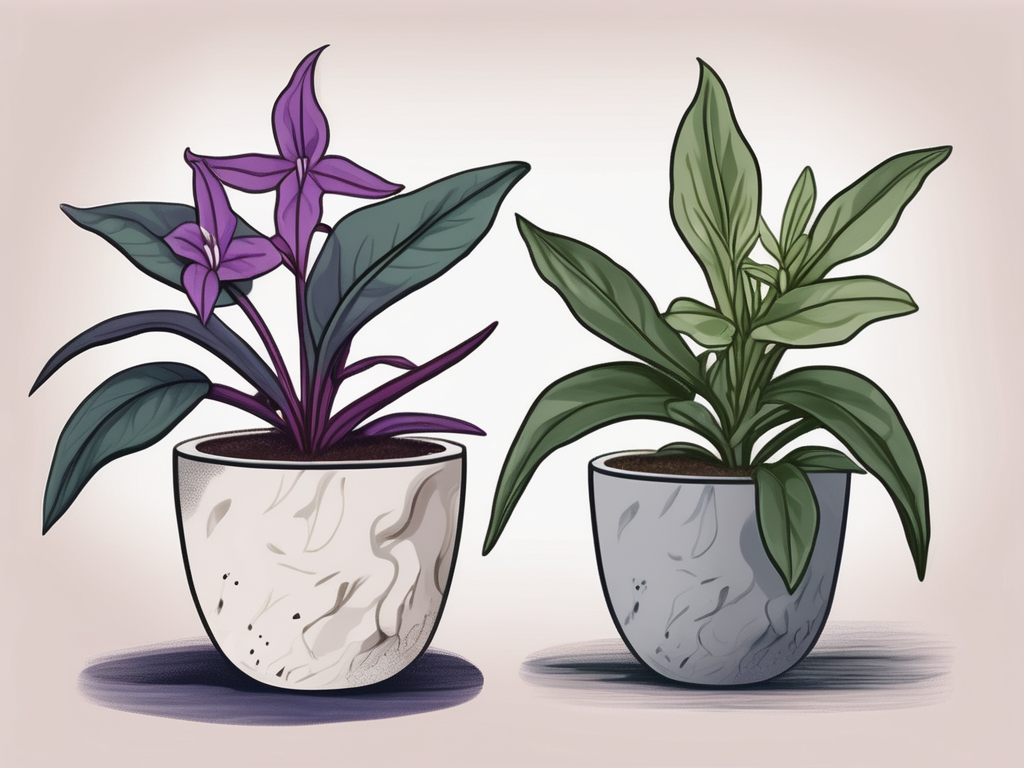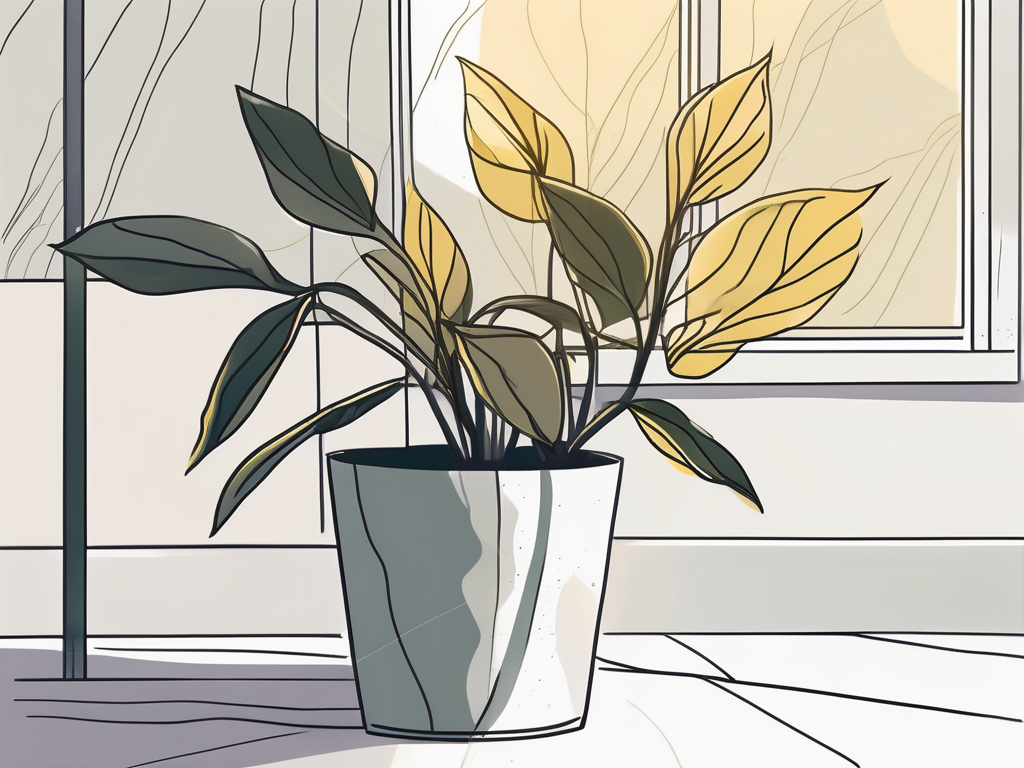
Tradescantia plants, often referred to as the wandering jew or spiderwort, are popular for their striking foliage and easy-going nature. Yet, like any plant, they can sometimes throw a curveball. One common issue you might face is yellowing leaves. When your Tradescantia's vibrant greens and purples start fading to yellow, it can be a bit disheartening.
But fear not! Understanding why this happens and how to address it can help you get your plant back on track. We'll explore various reasons why Tradescantia leaves might turn yellow and what you can do to restore their health and beauty.
Overwatering: The Common Culprit
One of the most frequent reasons Tradescantia leaves turn yellow is overwatering. These plants prefer their soil to dry out a bit between waterings. If the soil stays too moist, it can lead to root rot, causing leaves to yellow and eventually drop.
How can you tell if you're overwatering? Here are some signs:
- The soil feels consistently damp or soggy when you touch it.
- There's a musty odor coming from the pot.
- The plant looks wilted despite the moist soil.
To fix this, you’ll need to adjust your watering routine. Allow the top inch of soil to dry out before watering again. If your plant is in a pot without drainage holes, consider transferring it to one that allows excess water to escape. It's also a good idea to use a well-draining potting mix to help prevent water from sitting around the roots.
Underwatering: The Flip Side of the Coin
While overwatering is a common issue, underwatering can also cause yellow leaves. If your Tradescantia is looking a bit parched, with dry soil and drooping stems, it might be crying out for a drink.
Here's how you can tell if underwatering is the problem:
- The soil feels bone dry to the touch.
- The leaves look crispy or shriveled.
- The plant looks generally lifeless or droopy.
To remedy this, give your plant a thorough watering. It’s best to water until you see excess moisture draining out of the pot’s bottom. Then, pay attention to how quickly the soil dries out to better gauge when it needs water next. You might find that a regular schedule, like once a week, works well, but always check the soil moisture first to avoid overdoing it.
Lighting: Finding the Sweet Spot
Tradescantias are not too fussy about light, but they do have their preferences. They thrive in bright, indirect light. Too much direct sunlight can scorch their leaves, leading to yellowing or even browning at the edges.
On the other hand, too little light can also cause issues. In low light, Tradescantia's vibrant colors can fade, and leaves might yellow due to lack of energy for photosynthesis.
To find the perfect light for your Tradescantia, consider these tips:
- Place them near a window where they get bright, filtered light.
- Avoid direct sunlight, especially in the afternoon when the sun is strongest.
- If natural light is scarce, consider supplementing with a grow light.
Remember, lighting conditions can change with the seasons, so keep an eye on your plant and adjust its position as needed throughout the year.
Nutrient Deficiencies: Feeding Your Plant
Just like us, plants need a balanced diet to stay healthy. If your Tradescantia is lacking essential nutrients, its leaves can start to yellow. Nitrogen deficiency is a common one, as nitrogen is crucial for leaf growth and green color.
To ensure your plant is getting the nutrients it needs, you can:
- Use a balanced, water-soluble fertilizer during the growing season (spring and summer).
- Avoid over-fertilizing, as this can lead to salt buildup and root damage.
- Consider using a slow-release fertilizer to provide a steady nutrient supply.
Always follow the manufacturer's instructions for the right dilution and frequency to prevent further issues.
Pest Problems: Tiny Invaders
Pests can be another reason for yellowing leaves. Spider mites, aphids, and mealybugs are common culprits for Tradescantia plants. These pests suck the sap from the leaves, causing damage and discoloration.
To tackle pest problems:
- Regularly inspect your plant for signs of pests, such as webbing or sticky residue.
- If you spot pests, wash the leaves with a gentle soap and water solution.
- Consider using insecticidal soap or neem oil for more persistent infestations.
Keeping your plant clean and healthy can help prevent pest issues from taking hold in the first place.
Temperature and Humidity: Climate Considerations
Tradescantias prefer warm temperatures and moderate humidity. If they're exposed to drafts, cold temperatures, or extremely dry air, their leaves might start to yellow.
To keep your plant comfortable:
- Maintain a consistent room temperature, ideally between 65-75°F (18-24°C).
- Avoid placing your plant near air conditioning vents or drafty windows.
- Increase humidity by misting the leaves or using a humidifier.
Sometimes, grouping plants together can help create a microclimate with increased humidity, which your Tradescantia will appreciate.
Natural Aging: A Simple Fact of Plant Life
Not every yellow leaf is a sign of trouble. Like us, plants go through their life cycles, and it's natural for older leaves to yellow and fall off as new growth takes over. If the yellowing is limited to a few lower leaves and the rest of the plant looks healthy and vibrant, you might not need to worry.
In this case, simply:
- Trim off the yellowing leaves to tidy up the plant and encourage new growth.
- Keep up with regular care to ensure the rest of the plant stays healthy.
Remember, plants sometimes shed older leaves to focus energy on new growth, which can be a perfectly normal part of their development.
Potting Issues: Roots Need Room
If your Tradescantia has been in the same pot for a long time, it might be experiencing root bound issues. When roots have no space to grow, they can become crowded, leading to stress and yellowing leaves.
To check for this:
- Gently remove the plant from its pot and inspect the roots. If they're circling the pot's edges, it's time for a repot.
- Choose a pot that’s one size larger and has good drainage.
- Refresh the potting soil to give your plant a nutrient boost.
Repotting can give your plant more space to grow and help rejuvenate its health.
Water Quality: What’s in Your Water?
Sometimes, the water you use can impact your plant's health. Tap water often contains chemicals like chlorine and fluoride that can build up in the soil and cause leaf discoloration.
Here are a few tips to improve water quality for your Tradescantia:
- Use filtered or distilled water to avoid chemical buildup.
- Let tap water sit out overnight to evaporate some of the chlorine before using it.
- Collect rainwater, which is naturally free of these chemicals and great for plants.
Switching to a better water source can make a significant difference in your plant's overall health and vibrancy.
Final Thoughts
Tradescantia leaves turning yellow can happen for many reasons, from watering issues to pest problems. By identifying the cause and adjusting your care routine, you can help your plant bounce back to its colorful self.
At Cafe Planta, we believe plants bring joy and life to any space. We offer a wide range of houseplants and accessories, and we're here to help you with your plant care questions. Feel free to email us, or reach out on Instagram. Let's grow our love for plants together!